Surprising Foods High In Protein: 20 High Protein Choices
Discover unexpected high-protein foods that boost your intake without relying on meat or shakes—perfect for balanced, healthy eating.
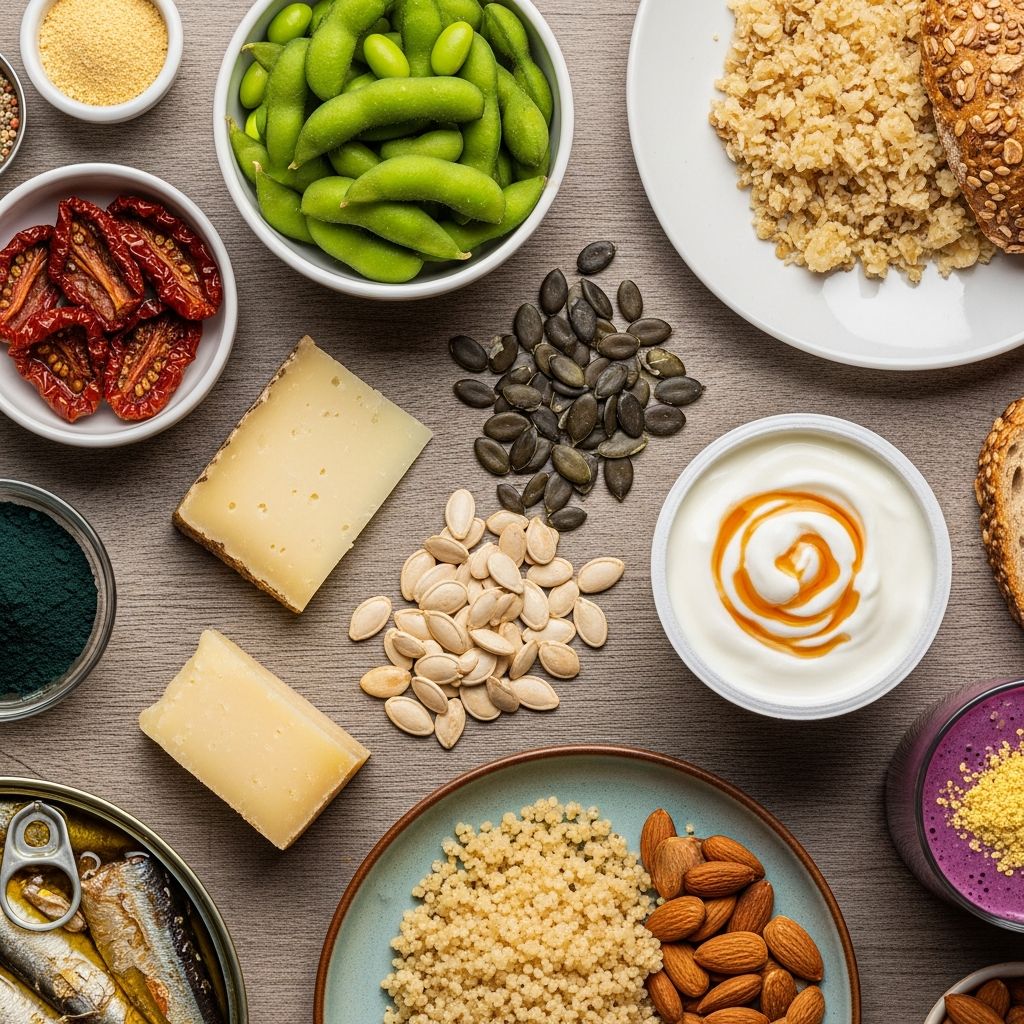
Protein is essential for building and repairing tissues, supporting muscle growth, and maintaining overall health. While many think of chicken, eggs, or shakes first, numerous surprising foods pack a protein punch—especially plant-based options that offer fiber, vitamins, and heart-healthy fats too. This article reveals unexpected high-protein heroes to diversify your diet and hit your daily goals (aim for 46-56g for adults, more for active individuals).
Why Protein from Unexpected Sources Matters
Animal proteins like meat and dairy provide complete amino acids, but plant sources such as legumes, nuts, seeds, and grains can complement them effectively when varied. Plant proteins link to lower heart disease risk due to unsaturated fats, no cholesterol, and added fiber—unlike red meat, which correlates with higher diabetes and weight gain risks. A cup of cooked lentils delivers 18g protein and 15g fiber with minimal saturated fat. Incorporating these surprises supports sustainable eating and fullness for weight management.
Top Surprising High-Protein Foods
Here are standout foods you might overlook, with protein per typical serving. Prioritize plants like beans, nuts, and whole grains for optimal health.
Pistachios
One ounce (49 kernels) of pistachios provides 6g protein, plus healthy fats and antioxidants. They curb hunger better than other snacks due to protein-fiber combo. Add to salads or yogurt for a boost.
Edamame
A cup of shelled edamame offers 17g protein and isoflavones for heart health. Steam as a snack or toss in stir-fries—beats chips nutritionally.
Lentils
One cup cooked: 18g protein, 15g fiber. Low-fat, low-sodium; ideal for soups, salads, or veggie burgers. Health pros rank lentils top for protein quality.
Quinoa
A complete plant protein, 1 cup cooked has 8g. Gluten-free grain with all essential amino acids—use as rice substitute in bowls.
Chia Seeds
Two tablespoons: 4g protein, omega-3s, and gel-like texture for puddings. Boost smoothies or oats.
Artichokes
One medium artichoke: 4.2g protein, plus cynarin for liver health. Grill or steam as a side.
Brussels Sprouts
One cup cooked: 4g protein, vitamin K, and cancer-fighting compounds. Roast for crispiness.
Black Beans
One cup cooked: 15g protein, folate, iron. Perfect for tacos or bowls.
Almonds
One ounce: 6g protein, vitamin E. Portion-controlled snack for satiety.
Greek Yogurt (Non-Meat Surprise)
Though dairy, plain nonfat 6oz: 17g protein. Probiotic-rich; top with nuts.
Salmon (Seafood Standout)
4oz grilled: 30g protein, omega-3s for heart. Fatty fish edges out lean meats.
Peanuts
One ounce: 7g protein. Legume technically; butter form aids baking.
Pumpkin Seeds
One ounce: 7g protein, magnesium. Sprinkle on soups.
Oats
Half-cup dry: 5g protein. Beta-glucan for cholesterol control; oatmeal staple.
Broccoli
One cup cooked: 4g protein, sulforaphane. Steam or stir-fry.
Seitan
3oz: 21g protein from wheat gluten. Meat-like texture for vegans.
Tempeh
3oz: 15g protein, fermented soy for gut health.
Related Stories



Eggplant
One cup cooked: 1g but pairs well; focus on volume.
Popcorn (Air-Popped)
3 cups: 4g protein. Low-cal snack with seasonings.
Spirulina
1 tablespoon: 4g protein, algae superfood for smoothies.
Protein Comparison Table
| Food | Serving Size | Protein (g) | Key Benefits |
|---|---|---|---|
| Lentils | 1 cup cooked | 18 | Fiber, low fat |
| Edamame | 1 cup shelled | 17 | Isoflavones |
| Black Beans | 1 cup cooked | 15 | Iron, folate |
| Salmon | 4oz grilled | 30 | Omega-3s |
| Pistachios | 1oz | 6 | Antioxidants |
| Quinoa | 1 cup cooked | 8 | Complete protein |
Tips for Boosting Protein Intake
- Mix plants: Combine legumes, nuts, grains for complete profiles.
- Upgrade animal sources: Choose poultry, seafood over red meat.
- Snack smart: Edamame, nuts over processed foods.
- Beans daily: One serving aids fullness, weight control.
- Portion proteins: Aim 20-30g per meal.
Health Benefits of Plant Proteins
Diets high in plant proteins like legumes and nuts lower LDL cholesterol vs. red meat. Replacing red meat with nuts or beans cuts diabetes risk 16-35%. Sustainable and planet-friendly too.
Meal Ideas Incorporating Surprises
- Quinoa salad with edamame, pistachios.
- Lentil soup with broccoli.
- Greek yogurt parfait with chia, almonds.
- Roasted Brussels with black beans.
- Salmon with artichoke side.
Frequently Asked Questions (FAQs)
What are the best surprising plant proteins?
Lentils (18g/cup), edamame (17g/cup), black beans (15g/cup), quinoa (8g/cup).
Can veggies really be high in protein?
Yes—artichokes (4.2g each), Brussels sprouts (4g/cup), broccoli (4g/cup) contribute meaningfully in volume.
Is plant protein as good as animal?
When varied, yes—provides all amino acids and added heart benefits.
How much protein do I need daily?
0.8g/kg body weight; e.g., 56g for 70kg adult. More for athletes.
Are nuts high-protein snacks?
Yes—pistachios/almonds 6g/oz, peanuts 7g/oz.
References
- Protein – The Nutrition Source — Harvard T.H. Chan School of Public Health. 2023. https://nutritionsource.hsph.harvard.edu/what-should-you-eat/protein/
- U.S. Health Professional Survey Reveals Surprising Protein Preferences — Soy Connection (United Soybean Board). 2023. https://www.soyconnection.com/health-professionals/newsletters-ce/health-nutrition-newsletter/newsletter-article-list/us-health-professional-survey-reveals-surprising-protein-preferences-and-perceptions
Similar Articles








Read full bio of medha deb