Beets: 8 Surprising Health Benefits To Try
Discover the impressive health perks of beets, from lowering blood pressure to boosting brain function and athletic performance.
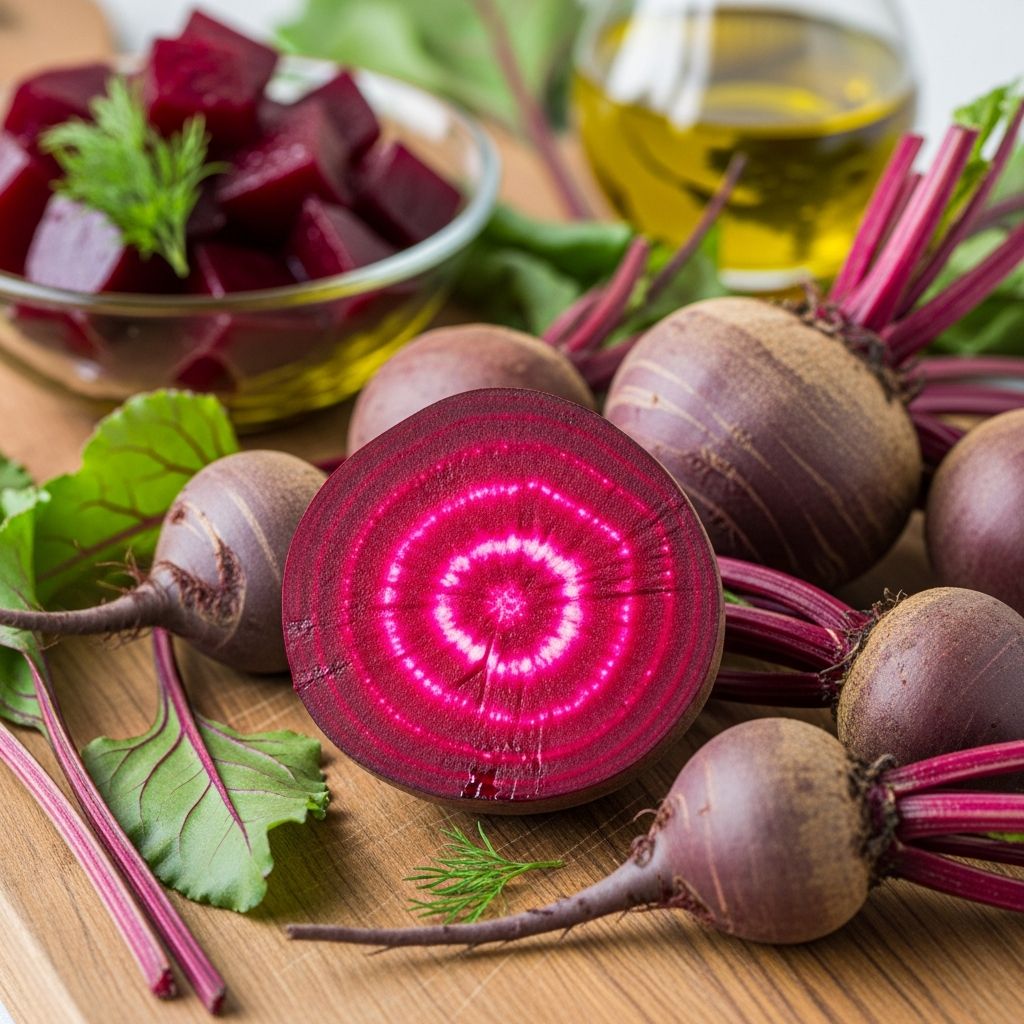
Beets, also known as beetroots, are a vibrant root vegetable celebrated for their earthy flavor and striking red color. Often overlooked, these
nutrient-dense powerhouses
pack a punch of health benefits backed by science, from lowering blood pressure to enhancing athletic performance. Rich in nitrates, betalains, fiber, and essential vitamins like folate, beets support heart health, digestion, brain function, and more. This article dives into their nutritional profile and proven advantages, plus practical ways to incorporate them into your diet.What Are the Nutrients in Beets?
Beets are low in calories yet loaded with vital nutrients. One cup (136g) of cooked beets provides approximately 59 calories, 13g carbohydrates, 3.8g fiber, and 2.2g protein, with negligible fat. They shine in
folate
(a B-vitamin crucial for DNA synthesis, growth, and heart health), delivering about 37% of the daily value per cup. Manganese supports bone formation, metabolism, and brain function, while copper aids energy production and neurotransmitter synthesis.Beet greens are equally nutritious, boasting high levels of B vitamins like folate for red blood cell production, vitamin C, beta-carotene, iron, and magnesium to protect arteries and bones. Their betalains—pigments responsible for the red hue—act as potent antioxidants. Raw beets preserve more nitrates than cooked ones, maximizing benefits like blood pressure reduction.
- Folate: Supports heart health and development.
- Manganese: Aids bone health and nutrient metabolism.
- Copper: Essential for energy and brain signaling.
- Fiber: 3.4g per cup for digestion.
- Nitrates: Convert to nitric oxide for vascular health.
1. Beets May Lower Blood Pressure
High blood pressure affects millions and raises risks for heart disease and stroke. Beets’ high nitrate content converts to nitric oxide in the body, dilating blood vessels and reducing pressure, especially systolic (heart contraction phase). Studies show raw or juiced beets lower blood pressure more effectively than boiled ones.
A review confirmed nitrate-rich beetroot juice decreases systolic blood pressure by 6.2 mmHg and diastolic by 5.2 mmHg in healthy subjects. In hypertensives, it improves microvascular function. Folate in beets may further contribute. Effects are temporary, so regular consumption is key for sustained heart benefits.
Beets’ nitrates promote vasodilation, potentially cutting heart disease risk.
2. Beets Contain Powerful Antioxidants
Betalains in beets, including betanin, scavenge free radicals, reducing oxidative and nitrative stress. These antioxidants combat DNA damage and oxidized LDL cholesterol, linked to cancer, heart disease, and stroke. Raw beets maximize these compounds.
Beet greens add vitamin C and beta-carotene for anti-aging and disease prevention. Research highlights betalains’ role in protecting against liver, kidney damage, and chronic conditions.
3. They May Improve Athletic Performance
Athletes turn to beets for stamina boosts. Nitrates enhance oxygen use, delaying fatigue and improving endurance. Studies show beet juice supplementation increases time to exhaustion during exercise.
In resistance training, beetroot aids neuromuscular efficiency and reduces muscle soreness. It elevates metabolic genes like PGC-1α for better oxidative metabolism. Consume 2-3 hours pre-workout for peak effects.
Related Stories



4. May Help Fight Inflammation
Chronic inflammation fuels obesity, heart disease, cancer, and liver issues. Betalains possess anti-inflammatory properties, inhibiting pro-inflammatory pathways. Regular intake may mitigate these risks.
5. May Improve Digestive Health
With 3.4g fiber per cup, beets feed gut bacteria, add stool bulk, and prevent constipation, IBS, and diverticulitis. Fiber links to lower risks of colon cancer, heart disease, and type 2 diabetes.
6. May Support Brain Health
Aging impairs cognition, raising dementia risk. Beets’ nitrates boost frontal lobe blood flow, enhancing decision-making and memory. This supports higher-level thinking.
7. May Help Balance Energy Intake
Low-calorie, high-water beets (with protein and fiber) promote satiety and weight management. They curb appetite and support moderate calorie intake without sacrificing nutrition.
8. Other Potential Benefits
Beets show promise in antitumor activity via betalains, reducing cancer cell growth. They lower cholesterol, regulate metabolism with potassium, and bolster immunity in older adults by modulating immune cells. Note: Red urine (beeturia) is harmless.
Potential Downsides of Beets
Beets are safe for most, but high oxalates may contribute to kidney stones in susceptible individuals. Those with low blood pressure should monitor intake. Overconsumption can cause beeturia or digestive upset from fiber. Consult a doctor if on blood pressure meds, as nitrates may amplify effects.
| Nutrient | Amount per Cup Cooked | % Daily Value |
|---|---|---|
| Fiber | 3.4g | 12% |
| Folate | 148mcg | 37% |
| Manganese | 0.33mg | 16% |
| Potassium | 305mg | 6% |
How to Eat Beets
Versatile beets shine raw, roasted, juiced, or in salads. Raw or juiced preserves nitrates best. Try roasting with olive oil, blending into smoothies, or pickling. Beet greens make nutrient-packed sautés or salads.
- Raw: Grate into salads for max nitrates.
- Juiced: 1 cup daily for blood pressure benefits.
- Roasted: 400°F for 45 mins.
- Smoothies: With berries and yogurt.
Healthy Beet Recipes
Beet Hummus
Blend 1 roasted beet, 1 can chickpeas, tahini, garlic, lemon, olive oil. Serve with veggies.
Beet Salad
Toss roasted beets, goat cheese, walnuts, greens, balsamic vinaigrette.
Beet Smoothie
1 small beet, banana, spinach, almond milk, protein powder.
Frequently Asked Questions (FAQs)
Are beets good for blood pressure?
Yes, nitrates in beets lower blood pressure, especially when raw or juiced.
Can beets boost exercise performance?
Absolutely, by improving oxygen efficiency and stamina.
Do beets cause red urine?
Yes, harmless beeturia affects 10-14% of people.
Are beet greens edible?
Yes, packed with vitamins and minerals.
How much beet juice for benefits?
250ml daily shows effects on blood pressure and performance.
Conclusion
Incorporate beets regularly for heart, brain, digestive, and performance gains. Their nutrient density makes them a superfood staple.
References
- 9 Impressive Health Benefits of Beets — Healthline. 2023-05-04. https://www.healthline.com/nutrition/benefits-of-beets
- Healthy Bytes Article December 2017 Beets — Advanced Health. 2017-12-01. https://advancedhealth.com/wp-content/uploads/2018/03/Dec-Article-Beets.pdf
- Beetroot as a functional food with huge health benefits — PMC (National Library of Medicine). 2021-10-14. https://pmc.ncbi.nlm.nih.gov/articles/PMC8565237/
Similar Articles








Read full bio of Sneha Tete