Surprising High-Sodium Foods You Should Avoid
Discover hidden sodium sources in everyday foods and learn how to reduce your salt intake.
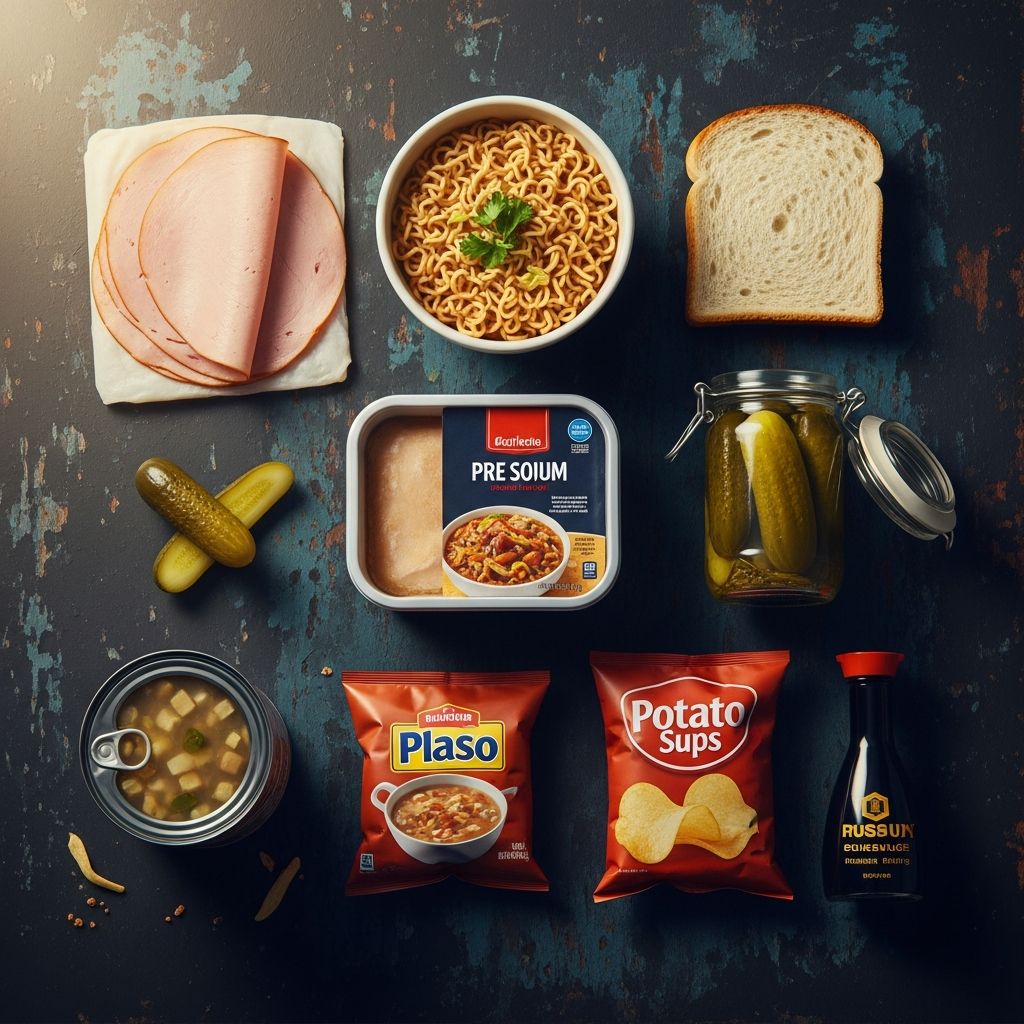
Sodium is a mineral that your body needs in small amounts to maintain proper nerve and muscle function, but most Americans consume far too much of it. The average American diet is loaded with sodium, much of it coming from unexpected sources that don’t even taste particularly salty. According to recent research, many everyday foods contain staggering amounts of sodium that accumulate throughout the day, putting your health at risk. Understanding which foods are surprisingly high in sodium is the first step toward reducing your intake and protecting your cardiovascular health.
Why Are So Many Foods High in Sodium?
The rise in sodium-laden meals is primarily due to the increase in processed and convenience foods in the modern diet. Various forms of salt are used as preservatives to maintain freshness and extend shelf life, while also enhancing flavor in foods that might otherwise taste bland. While pre-packaged and processed meals add convenience to busy lifestyles, they also introduce a tremendous amount of salt into the average American diet. Food manufacturers continue to rely heavily on salt as an inexpensive way to mask off-flavors, improve texture, and preserve products, making it increasingly difficult for consumers to avoid excessive sodium consumption.
Breads and Grains: A Hidden Sodium Source
One of the most surprising findings about sodium in the American diet is that breads, rolls, and tortillas rank among the top sources, even though they don’t taste particularly salty. According to the Centers for Disease Control and Prevention (CDC), this is largely because these foods are consumed multiple times throughout the day. A single slice of bread can contain between 100 and 200 mg of sodium, and when you consider that many people eat bread at breakfast (toast), lunch (sandwiches), and dinner (rolls), the sodium accumulation becomes significant. Even whole grain varieties, which are often perceived as healthier options, contain substantial amounts of sodium. The issue is compounded by the frequency of consumption—foods eaten multiple times daily add up quickly, even when individual portions seem modest.
Processed and Cured Meats
Processed meats are among the most problematic sources of sodium in the diet. Cold cuts, deli meats, ham, bacon, sausage, hot dogs, and jerky all rely on salt as a curing agent and preservative. A single slice of deli-style chicken can contain 289 mg of sodium, while a 3-ounce serving of roasted ham contains approximately 1,117 mg of sodium—nearly half of the recommended daily intake. Research has shown that sodium content in ham has increased by 14% in recent years, indicating that food companies continue to heavily salt these popular meats without reducing their sodium levels. Hot dogs and bratwurst average about 578 mg of sodium per serving, though this can range from 230 to 1,330 mg depending on the brand. Similarly, sausage averages 415 mg of sodium per 2-ounce serving, while bacon contains 233 mg per 1-ounce serving. The World Health Organization cautions that consuming processed meats increases the risk for certain cancers, making them an unhealthy choice beyond their sodium content.
Multi-Ingredient Dishes: Pizza and Sandwiches
Multi-ingredient dishes like pizza and sandwiches are responsible for nearly half of the sodium Americans consume. These foods are problematic because multiple sodium-containing ingredients combine to create exceptionally high sodium totals. A large 140-gram slice of store-bought frozen pizza averages 765 mg of sodium, while a restaurant-prepared slice of the same size contains even more—approximately 957 mg of sodium, or 41% of the recommended daily intake. The sodium comes from multiple sources: the dough (which often contains salt), cheese (which is naturally high in sodium), processed meat toppings, and sauces. Sandwiches present a similar problem, with a 6-inch submarine sandwich made with cold cuts containing approximately 1,127 mg of sodium. The bread, processed meat, cheese, and condiments each contribute significant amounts of sodium that accumulate rapidly. To reduce sodium in these dishes, choose unprocessed sandwich toppings like grilled chicken breast with avocado and tomato, or prepare homemade pizza with fresh ingredients and low-sodium cheese alternatives.
Related Stories



Soups and Broths
Canned and packaged soups are deceptively high in sodium despite their comforting, wholesome reputation. A single serving of canned soup can contain 800 to 1,000 mg of sodium or more, and many cans are labeled as containing more than one serving, which means the total sodium per can can effectively double or triple. That chicken noodle soup you might turn to when feeling under the weather can deliver an enormous sodium load in just one bowl. The sodium in soups comes from both the broth base, which is heavily salted for flavor, and various ingredients like vegetables, seasonings, and sometimes meat. Homemade soups using low-sodium or no-salt-added broths and fresh ingredients are a much healthier alternative.
Cheese and Dairy Products
Many people are surprised to learn that cheese is quite high in sodium. One ounce of cheddar cheese contains approximately the same amount of sodium as one ounce of regular potato chips. Certain varieties are particularly high in sodium: blue cheese can contain over 325 mg per 1-ounce serving, halloumi contains about 300 mg per slice, and some American cheese options pack 269 mg per slice. Cottage cheese, often selected for its protein and calcium content, is also surprisingly high in sodium. A ½-cup serving of cottage cheese averages 350 to 380 mg of sodium, depending on the brand. Low-fat Greek yogurt is a healthier alternative, providing only 68 mg of sodium per 7-ounce serving while delivering 20 grams of protein and 230 mg of calcium. When choosing cheese, check nutrition labels carefully and select lower-sodium varieties, or consume cheese in smaller amounts as an occasional condiment rather than a regular addition to meals.
Savory Snack Foods
Savory snacks like chips, pretzels, crackers, and popcorn are obvious sources of sodium, but their sodium content is often underestimated. Pretzels are particularly problematic, with large salt crystals visible on their surface. A 1-ounce serving of pretzels contains approximately 322 mg of sodium, and a small single-serving bag can contain 347 mg, while 10 salted pretzel twists can contain nearly 750 mg of sodium. Pork rinds, which have become popular as a keto-friendly snack, contain 515 mg of sodium per 1-ounce serving, or 747 mg if they’re flavored with barbecue seasoning. Even so-called “baked” or “light” versions of chips and crackers often contain surprising amounts of sodium. If you’re craving something crunchy, roasted chickpeas (rinsed well if using canned) or unsalted nuts are much better alternatives that won’t spike your sodium intake.
Other Surprising Sodium Sources
Beyond the obvious culprits, numerous other foods contain unexpectedly high sodium levels. Salad dressings can contain 200 to 300 mg of sodium per serving (one or two tablespoons), which is why they last so long in the refrigerator without spoiling. Breakfast cereals, even the healthier bran varieties rich in fiber, can contain over 200 mg of sodium per serving. Nuts, particularly the salted varieties, add significant sodium along with their protein and healthy fats. Canned and frozen vegetables are often processed with salt, and even frozen shrimp, though a lean protein source, are frequently treated with sodium-rich additives to retain moisture and extend shelf life. Vegetable juices marketed as healthy beverages often contain high levels of sodium—sometimes as much as or more than certain soups. Ketchup and other condiments contribute sodium with every use, and margarine and butter, particularly certain brands, can contain notable amounts of sodium despite being considered simple condiments.
Comparing Sodium Content: A Quick Reference
| Food Item | Serving Size | Sodium Content | % Daily Value |
|---|---|---|---|
| Ham (roasted) | 3 oz (85g) | 1,117 mg | 48% |
| 6-inch submarine sandwich with cold cuts | 1 sandwich | 1,127 mg | 49% |
| Store-bought frozen pizza slice | 140g slice | 765 mg | 33% |
| Restaurant pizza slice | 140g slice | 957 mg | 41% |
| Canned soup (single serving) | 1 serving | 800-1,000 mg | 35-43% |
| Cottage cheese | ½ cup (113g) | 350-380 mg | 15-16% |
| Hot dog or bratwurst | 1 link | 578 mg | 25% |
| Pretzels | 1 oz (28g) | 322 mg | 14% |
| Pork rinds | 1 oz (28g) | 515 mg | 22% |
| Bacon | 1 oz (28g) | 233 mg | 10% |
Practical Tips for Reducing Sodium Intake
Reducing sodium in your diet doesn’t require eliminating all your favorite foods; instead, it involves making strategic choices and reading nutrition labels carefully. Here are evidence-based strategies:
- Choose whole foods: Fresh fruits, vegetables, uncooked meats, and legumes are naturally low in sodium. Preparing meals at home gives you complete control over salt content.
- Read nutrition labels: Comparing sodium content across brands allows you to select lower-sodium options. Look for products labeled “low-sodium” or “no salt added.”
- Use flavor alternatives: Instead of relying on salt, season foods with herbs, spices, lemon juice, vinegar, and garlic for flavor without sodium.
- Rinse canned foods: Draining and rinsing canned vegetables and beans can reduce sodium content by up to 40%.
- Make your own broths and dressings: Homemade versions allow you to control sodium levels completely.
- Reduce processed food consumption: The more you rely on whole, unprocessed foods, the less sodium you’ll consume.
- Request modifications at restaurants: Ask for sauces and dressings on the side, and request that meals be prepared without added salt.
Frequently Asked Questions
Q: How much sodium should I consume daily?
A: The recommended daily sodium intake is less than 2,300 mg per day, according to most health guidelines. However, many health organizations suggest aiming for even lower levels, around 1,500 mg per day, for optimal cardiovascular health.
Q: Why is excess sodium harmful to health?
A: High sodium intake is linked to elevated blood pressure, increased risk of heart disease and stroke, kidney disease, and other health complications. Reducing sodium intake can help lower blood pressure and reduce cardiovascular disease risk.
Q: Are all breads high in sodium?
A: Most commercially produced breads contain 100-200 mg of sodium per slice. You may find lower-sodium options by checking labels, or make your own bread at home without added salt.
Q: Can I still eat cheese if I’m watching sodium intake?
A: Yes, but in moderation and with careful selection. Choose lower-sodium cheese varieties, consume smaller portions, and use cheese as an occasional flavoring rather than the main component of meals.
Q: Are frozen vegetables as high in sodium as canned vegetables?
A: Frozen vegetables without added salt are generally lower in sodium than canned vegetables. When buying canned vegetables, choose “no salt added” varieties or rinse thoroughly before consuming.
Q: What are the best low-sodium snack alternatives?
A: Fresh fruits, vegetables, unsalted nuts, air-popped popcorn without salt, and homemade snacks are excellent low-sodium alternatives to packaged snack foods.
References
- 10 Common Foods That Are Surprisingly High in Sodium — Scripps Health. 2024. https://www.scripps.org/news_items/4199-top-ten-surprising-sources-of-sodium
- 30 Foods High in Sodium and What to Eat Instead — Healthline. 2024. https://www.healthline.com/nutrition/foods-high-in-sodium
- 8 Surprising Sources of Sodium — Gundersen Health System. 2024. https://www.gundersenhealth.org/health-wellness/eat-move/8-surprising-sources-of-sodium
- What Foods Are High in Sodium? 8 Surprising Offenders — AARP. 2024. https://www.aarp.org/health/healthy-living/sneaky-sources-of-sodium/
- 22 Sneaky High-Sodium Foods — Weight Watchers. 2024. https://www.weightwatchers.com/us/blog/nutrition/high-sodium-foods
Similar Articles








Read full bio of medha deb