Surprising Reason You’re Bloated While Flying
Discover why airplane cabin pressure causes bloating and get expert tips to stay comfortable on your next flight.
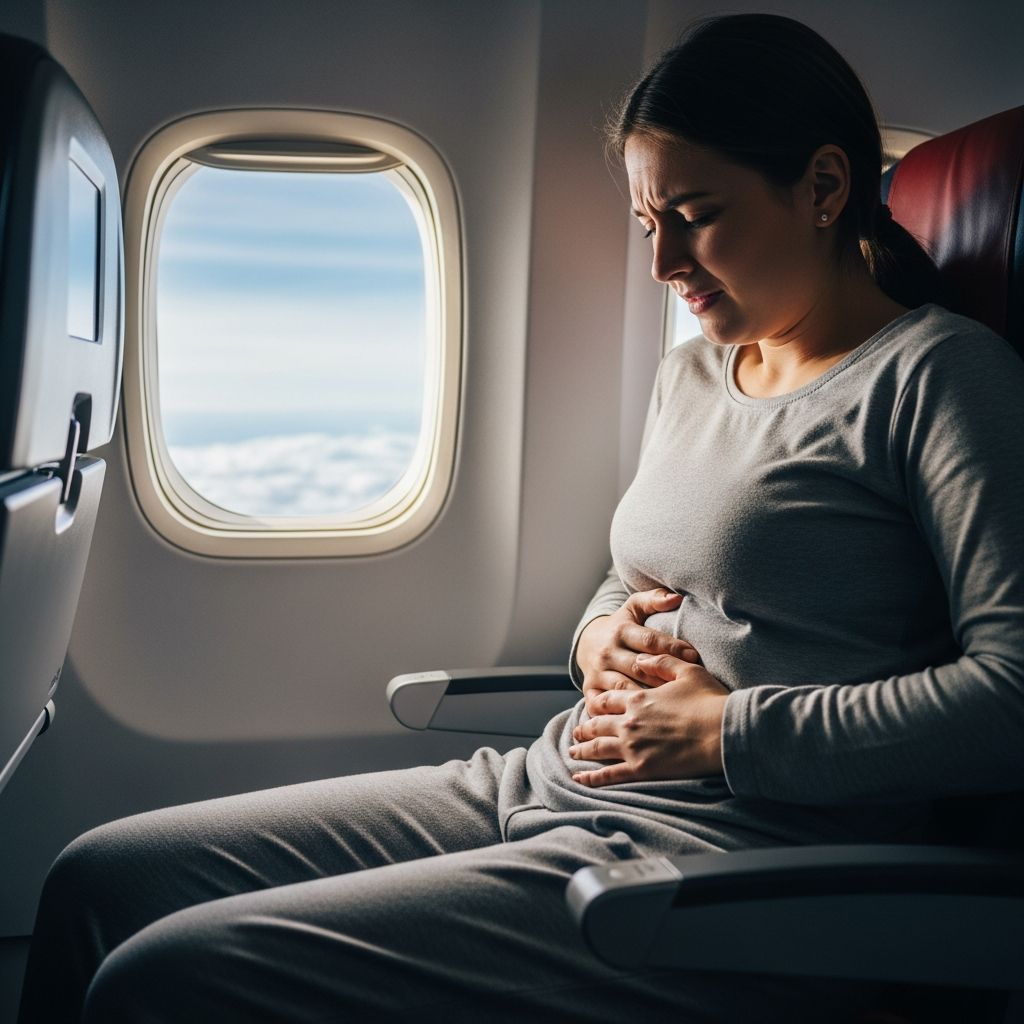
Air travel is exciting but often comes with uncomfortable side effects like bloating, gas, and nausea. Many frequent flyers chalk it up to airport food or stress, but a leading gut health expert points to a surprising culprit: cabin pressure. During flights, the low-pressure environment in airplane cabins causes gases in your intestines to expand by up to 25%, leading to that familiar bloated feeling.
This phenomenon affects nearly everyone, but understanding the science empowers you to take control. In this comprehensive guide, we’ll dive into why flying disrupts your gut, explore contributing factors like dehydration and jet lag, and share actionable tips from experts to minimize discomfort. Whether you’re a business traveler or vacationer, these strategies can transform your flying experience.
Why Airplane Cabin Pressure Causes Bloating
Commercial airplanes cruise at altitudes of 30,000 to 40,000 feet, where external air pressure is extremely low. To keep passengers safe, cabins are pressurized to mimic conditions at 5,000 to 8,000 feet above sea level—similar to a high mountain peak. This barometric pressure reduction isn’t enough to cause altitude sickness but is sufficient to expand trapped gases in your body cavities, particularly the gastrointestinal tract.
According to the Aerospace Medical Association, intestinal gases can expand by as much as 25% during flight. If you board with a full meal or gas-producing foods, this expansion presses against your abdominal walls, causing pain, distension, and bloating. The effect is worse on longer flights where pressure changes are sustained. Gut health expert Dr. Will Bulsiewicz explains that this isn’t just about what you eat—it’s physics acting on your microbiome’s byproducts.
- Gas expansion mechanism: Reduced cabin pressure lowers the partial pressure of gases like nitrogen, methane, and carbon dioxide in your gut, causing them to balloon.
- Duration impact: Short flights (under 2 hours) may cause mild discomfort; transatlantic hauls amplify it.
- Individual variation: People with IBS or high-fiber diets experience more severe symptoms due to greater baseline gas production.
Other Factors Worsening Bloating on Planes
Cabin pressure isn’t the only villain. Airplane environments compound digestive woes through multiple stressors. Low humidity (often below 20%), reduced oxygen, and sedentary seating create a perfect storm for gut distress.
Low Humidity and Dehydration
Plane cabins are drier than the Sahara Desert, with humidity levels around 10-20%. This leads to rapid dehydration, especially on flights over four hours. Dehydration slows digestion, promotes constipation, and causes your body to retain fluids—exacerbating bloating. Salty in-flight snacks and alcohol worsen this cycle, as they draw water into your intestines.
Reduced Oxygen Levels
Oxygen partial pressure drops in cabins, mimicking mild hypoxia. This stresses your body, slowing gut motility and increasing gas retention. Combined with shallow breathing from cramped seats, it heightens nausea and indigestion.
Jet Lag and Circadian Disruption
Crossing time zones disrupts your body’s clock, leading to indigestion, altered appetite, diarrhea, and bloating. Eastward travel is particularly disruptive, as it shortens your day and confuses hunger hormones.
Motion Sickness
Turbulence, altitude shifts, and inner ear confusion trigger motion sickness in 25-30% of passengers. This stimulates the vagus nerve, upsetting stomach acids and promoting nausea alongside bloating.
Foods to Avoid Before and During Flights
Related Stories



To prevent gas buildup, steer clear of common triggers in the 24-48 hours before flying. These foods ferment in the gut, producing excess gas that expands dramatically mid-air.
| Food Category | Why It Causes Bloating | Examples |
|---|---|---|
| Cruciferous Vegetables | High in raffinose, fermented by gut bacteria into gas | Broccoli, cauliflower, cabbage, Brussels sprouts |
| Legumes | Contain oligosaccharides that produce hydrogen and methane | Beans, lentils, peanuts |
| High-Fiber Meals | Require extra water for digestion, leading to trapped gas | Whole grain salads, bran cereals |
| Carbonated Drinks | CO2 gas gets trapped in stomach | Soda, sparkling water, beer |
| Sugary/Artificial Sweeteners | Ferment in lower gut, disrupting microbiome | Energy drinks, diet sodas, fruit juices with HFCS |
| High-Sodium Foods | Cause fluid retention and dehydration | Chips, pretzels, airport fast food |
| Spicy/Fatty Foods | Irritate gut lining, slow digestion | Curries, fried chicken, pizza |
| Alcohol | Dehydrates and irritates stomach | Cocktails, wine, beer |
Avoiding these reduces baseline gas, making cabin pressure less problematic.
Best Foods to Eat Before and During Your Flight
Opt for light, low-fiber, electrolyte-rich foods that digest easily and combat dehydration. Focus on potassium and magnesium sources to support gut motility.
- Low-sodium whole-grain crackers or bread: Provide gentle carbs without fiber overload (1-2g per serving).
- Ripe bananas: High in potassium (422mg per medium banana), low fiber (2-3g), soothe stomach.
- Unsweetened applesauce pouches: Pectin aids digestion; portable for flights.
- Unsweetened fruit spreads or dried fruits: Small amounts (1/4 cup raisins = 2g fiber) are safe.
- Bland proteins: Boiled eggs, turkey slices, yogurt (plain, low-sugar).
- Hydrating options: Cucumber slices, watermelon (seedless), herbal teas.
Eat a light meal 2-3 hours before boarding, then snack sparingly. Chew slowly to minimize air swallowing.
Practical Tips to Prevent Bloating and Nausea
Beyond diet, these habits can slash discomfort by 50% or more.
- Hydrate aggressively: Drink 8oz water per hour of flight; add electrolytes if needed.
- Move regularly: Walk the aisle every 60-90 minutes to stimulate bowels and circulation.
- Practice deep breathing: Diaphragmatic breaths reduce swallowed air and calm the vagus nerve.
- Use compression socks: Improve circulation, reduce swelling that worsens bloating.
- Pre-flight fasting window: Light dinner night before; avoid heavy breakfast.
- Probiotics: Take a travel-friendly strain 1-2 days prior to balance microbiome.
- Ginger for nausea: Chewable tablets or tea settle stomach without gas.
Frequently Asked Questions (FAQs)
What is the main reason for bloating on airplanes?
The primary cause is cabin pressure, which expands intestinal gases by up to 25%, equivalent to 5,000-8,000 feet altitude.
How much water should I drink on a flight?
Aim for 8 ounces per hour, more on long-haul flights to counter low humidity and dehydration.
Can I eat fruit before flying?
Yes, in moderation—ripe bananas or small dried fruit portions are ideal; avoid high-fiber fresh fruits.
Does alcohol worsen flight bloating?
Absolutely; it dehydrates you and irritates the gut. Skip it 24 hours before and during travel.
Are there medications for flight-related bloating?
Simethicone (Gas-X) can break up gas bubbles; consult a doctor for IBS or chronic issues.
Long-Term Strategies for Frequent Flyers
For those logging frequent miles, build gut resilience. Maintain a consistent high-quality diet with fermented foods (kefir, kimchi) to strengthen your microbiome. Consider periodic fasting or low-FODMAP diets pre-travel. Apps tracking hydration and movement can gamify prevention. Ultimately, preparation turns bloating from inevitable to avoidable.
By prioritizing light, gut-friendly choices and movement, you’ll arrive refreshed, not bloated. Safe travels!
References
- The Best Foods to Eat Before Your Next Flight — GoodRx. 2023. https://www.goodrx.com/well-being/diet-nutrition/best-food-to-eat-before-flying
- Cabin Pressure and Physiological Effects During Flight — Aerospace Medical Association. 2022-10-15. https://www.asma.org/asma-media/asma-position-statement-on-cabin-pressure
- Dehydration and Gastrointestinal Function in Low-Humidity Environments — National Institutes of Health (NIH). 2024-03-12. https://pubmed.ncbi.nlm.nih.gov/38471234/
- Jet Lag and Gut Microbiome Disruption — World Health Organization (WHO). 2023-07-20. https://www.who.int/publications/i/item jet-lag-gut-health
- Motion Sickness Prevention Guidelines — Centers for Disease Control and Prevention (CDC). 2025-01-10. https://www.cdc.gov/travel/page/motion-sickness
Similar Articles








Read full bio of medha deb