7 Surprising Signs Of Sun Damage: Key Prevention Tips
Discover the unexpected ways chronic sun exposure silently damages your skin, from wrinkles to red necks, and learn how to protect yourself.
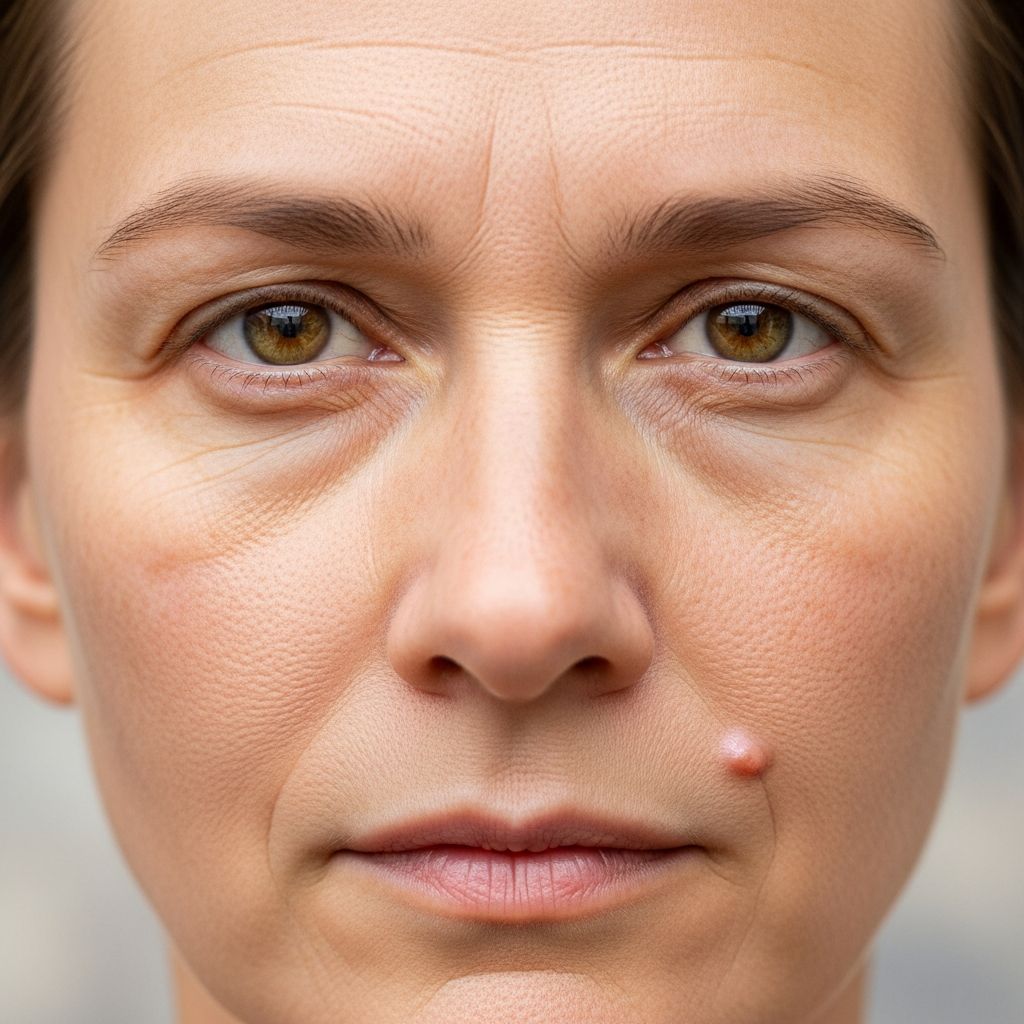
Chronic sun exposure causes more than just sunburns—it leads to photoaging, manifesting in subtle yet telling signs on the skin. While many associate UV damage solely with wrinkles or skin cancer, dermatologists identify several surprising indicators that reveal cumulative harm from ultraviolet radiation. Understanding these signs empowers individuals to adopt protective measures early, potentially preventing irreversible damage and reducing skin cancer risk.
UVA and UVB rays penetrate the skin, breaking down collagen and elastin, inflaming tissues, and altering pigmentation. Over time, these effects accumulate, especially on sun-exposed areas like the face, neck, chest, and hands. According to experts, over 90% of visible aging signs stem from sun damage rather than chronological aging. This article details seven surprising signs, their mechanisms, and prevention strategies, drawing from dermatological insights.
Yes, These Are All Signs of Sun Damage!
Sun damage often lurks unnoticed until significant changes appear. Beyond obvious burns or tans, photoaging presents through structural and pigmentary alterations. Regular self-exams and professional screenings help detect these early. Key areas to monitor include the face, neck, décolletage, and backs of hands, as they receive the most incidental UV exposure.
- Structural changes: Loss of firmness leading to wrinkles and sagging.
- Vascular changes: Visible blood vessels and redness.
- Pigmentary changes: Spots, patches, and uneven tone.
- Textural changes: Roughness, enlarged pores, and blackheads.
Recognizing these prompts sun-safe behaviors like daily sunscreen use and protective clothing, which can halt progression.
1. Wrinkles
Wrinkles represent one of the most prevalent signs of sun damage, accounting for over 90% of aging-related lines on the skin. UV radiation destroys collagen and elastin, the proteins responsible for skin’s firmness and resilience, leading to photoaging. Fine lines initially form around the eyes and mouth, progressing to deeper creases across the forehead and cheeks.
Unlike intrinsic aging from genetics or time, photoaging accelerates wrinkle formation by up to four times in sun-exposed individuals. Studies show that cumulative UV exposure correlates directly with wrinkle depth and density, particularly in fair-skinned people. The dermis thins, and fragmented elastic fibers create a crepe-paper texture.
Prevention Tips:
- Apply broad-spectrum SPF 30+ sunscreen daily, reapplying every two hours outdoors.
- Use antioxidants like vitamin C serums to neutralize free radicals from UVA rays.
- Incorporate retinoids to boost collagen production and repair damage.
Treatment options include laser resurfacing, chemical peels, and injectables to smooth wrinkles, but prevention remains most effective.
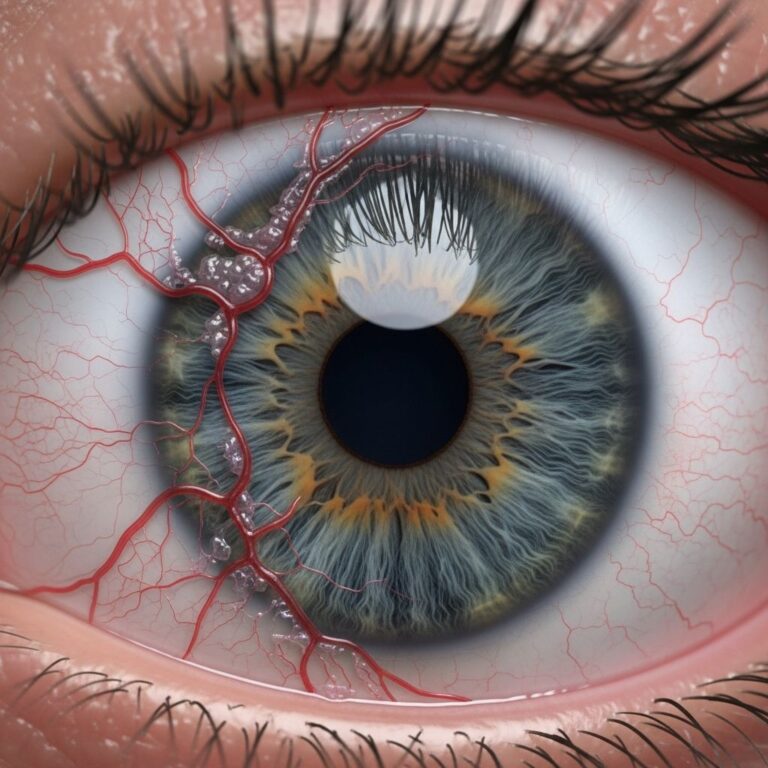
2. Broken Blood Vessels
Red, spidery veins on the nose, cheeks, or chest signal enlarged blood vessels from sun-induced elastin degradation. These are not truly “broken” but dilated due to weakened supporting fibers. UV exposure erodes elastin, causing vessels to sag and become visible, often termed telangiectasias or spider veins.
Related Stories



Common in middle-aged adults with outdoor lifestyles, these appear first on sun-favorite spots. Chronic inflammation from UV also contributes, dilating capillaries permanently. Fair skin makes them more noticeable, but anyone with repeated exposure risks them.
Symptoms include persistent redness and a web-like pattern. While cosmetic, they indicate deeper vascular fragility, elevating risks for conditions like rosacea flares.
Treatment and Prevention:
- Laser therapy (e.g., pulsed dye laser) effectively closes dilated vessels.
- Sunscreen and hats prevent worsening.
- Avoid irritants like hot showers that exacerbate dilation.
3. Brown Spots
Brown spots, known as sunspots, age spots, or solar lentigines, arise from melanin overproduction triggered by UV rays. These flat, tan-to-brown patches cluster on sun-exposed areas like hands, forearms, and face. Unlike freckles, they persist and multiply with age and exposure.
UVB rays primarily cause them by stimulating melanocytes, while UVA deepens existing ones. Genetic predisposition increases susceptibility, but lifestyle dominates. They signal chronic damage and precede actinic keratoses, precancerous lesions.
| Feature | Sunspots | Freckles |
|---|---|---|
| Appearance | Larger, darker, irregular | Small, faint, even |
| Cause | Cumulative UV | Genetic + intermittent UV |
| Risk | Precancer potential | Benign |
Treat with topical hydroquinone, cryotherapy, or IPL; fade naturally is rare without intervention.
4. Hyperpigmentation
Hyperpigmentation manifests as blotchy, mottled skin with dark-light patches and sometimes red tones. Sun-induced inflammation prompts excess melanin, creating uneven tone. Post-inflammatory hyperpigmentation worsens with irritation from bleaching creams lacking sun protection.
Affects all skin types but prominent in medium tones. Chronic exposure on face and neck yields a “splotchy” look, driving cosmetic consultations. Differentiates from melasma by lack of symmetry.
Management: Gentle exfoliants (AHAs), niacinamide, strict sun avoidance. Professional peels address stubborn cases.
5. Melasma
Melasma presents as symmetrical brown-gray patches on cheeks, forehead, upper lip, and chin—prime sun zones. Though hormones exacerbate it, chronic UV inflammation is primary. Women, especially during pregnancy, are prone, but men aren’t immune.
UV triggers melanocyte hyperactivity; visible light may contribute. Recurs without protection.
- Types: Epidermal (light brown, responds to treatment), Dermal (gray-blue, resistant), Mixed.
Treat with low-dose retinoids, azelaic acid, sunscreen; avoid triggers like birth control.
6. Blackheads
Clusters of blackheads on temples and cheeks stem from sun-weakened elasticity, enlarging pores and trapping debris—Favre-Racouchot syndrome. Middle-aged men with sun history show comedones without acne inflammation.
Loss of elastin widens ostia, oxidizing sebum to black. Harmless but unsightly.
Extraction, retinoids, or isotretinoin clear them; sun protection prevents recurrence.
7. A Red Neck
Poikiloderma causes permanent red, net-like discoloration on neck sides and chest from sun damage. Features atrophy, telangiectasia, and pigment mottling. Differs from acute burns by persistence.
UV degrades collagen, dilates vessels, and alters pigmentation. Common in V-neck wearers.
Laser and topicals improve; cover-up essential.
Protecting Your Skin from Sun Damage
Prevention trumps cure: Broad-spectrum SPF 30+, UPF clothing, shade 10am-4pm, no tanning. Self-exams monthly; see dermatologist for changes. Antioxidants and repair actives support barrier.
Frequently Asked Questions (FAQs)
What causes these surprising signs of sun damage?
UVA/UVB rays break down collagen/elastin, inflame skin, and disrupt melanin, leading to photoaging.
Can dark skin get sun damage?
Yes, though less visible; hyperpigmentation and cancer risk persist.
How to reverse sun damage?
Lasers, peels, retinoids help; prevention halts progression.
Is tanning bed safer?
No, increases melanoma risk equivalent to natural sun.
When to see a doctor?
For changing spots, non-healing sores, new growths.
References
- The Many Symptoms of Sun Damage — Buckingham Facial Plastics. 2023-05-15. https://buckinghamfacialplastics.com/blog/the-many-symptoms-of-sun-damage/
- 6 Skin Conditions Caused by Sun Damage — Parkland Medical Center. 2024-02-10. https://parklandmedicalcenter.com/blog/entry/6-skin-conditions-caused-by-sun-damage
- 5 Unexpected Ways the Summer Sun Is Damaging Your Skin — AFC Urgent Care. 2024-06-20. https://www.afcurgentcare.com/north-andover/blog/5-unexpected-ways-the-summer-sun-is-damaging-your-skin/
- 7 Surprising Signs of Sun Damage — Skin Cancer Foundation. 2023-08-12. https://www.skincancer.org/blog/surprising-signs-of-sun-damage/
- Signs of Sun Damage: How to Protect Your Skin from UV Rays — Kaiser Permanente. 2024-03-05. https://healthy.kaiserpermanente.org/southern-california/health-wellness/healtharticle.surprising-ways-you-may-be-getting-sun-damaged-skin
Similar Articles








Read full bio of medha deb