Sustainable Eating: 4 Practical Tips For Eco-Friendly Diets
Choose foods that nourish your body while protecting the planet for future generations through mindful, plant-forward choices.
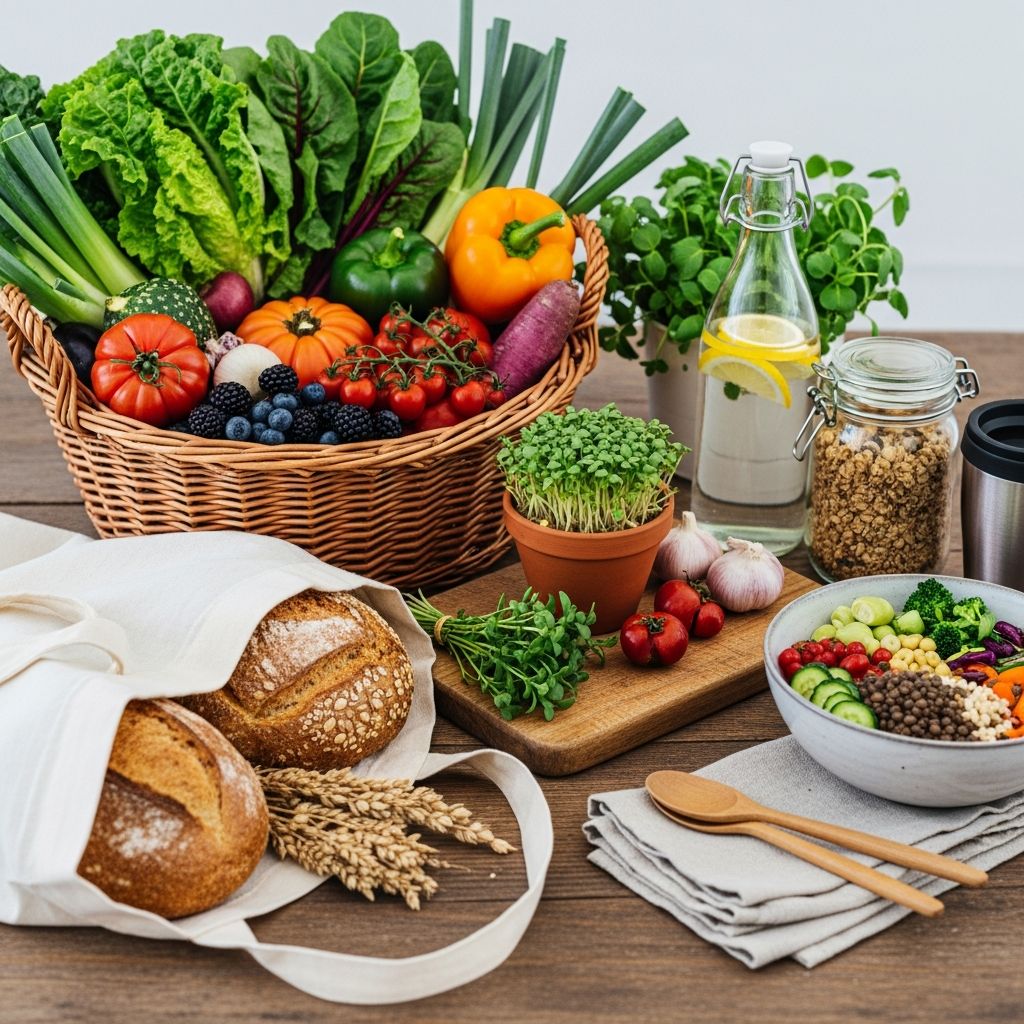
Sustainable eating involves selecting foods that support both personal health and environmental well-being. This approach aligns with recommendations from the EAT-Lancet Commission, which advocates for a global shift toward plant-based diets to feed a growing population while minimizing ecological harm.
What Is Sustainable Eating?
Sustainable eating means choosing foods produced with minimal environmental impact, such as reduced greenhouse gas emissions, water usage, and biodiversity loss, while ensuring nutritional adequacy. A sustainable diet is defined as one with low environmental impacts that contributes to food and nutrition security, respects biodiversity, and is culturally acceptable, economically fair, and healthy. The EAT-Lancet report emphasizes more legumes, whole grains, vegetables, fruits, and nuts, with fewer animal-based foods, particularly red and processed meats, and limited refined grains and sugars.
Research shows that transitioning to predominantly plant-based diets can reduce premature mortality by up to 12% in high-income countries and cut greenhouse gas emissions by up to 84%. These diets are context-specific: in high- and middle-income countries, they lower environmental footprints; in low-income areas, they may increase resource use if not managed with efficient production.
Why Sustainable Eating Matters
Global food systems face pressure from population growth, climate change, and resource depletion. Current dietary patterns are unsustainable, contributing to environmental degradation and health issues. Consumer choices influence food production; by “voting with your wallet,” individuals can drive demand for sustainable practices.
Studies indicate consumers often equate sustainable diets with healthy, balanced eating featuring natural, organic, local, seasonal, and plant-based foods, plus moderate meat consumption. Health remains the primary motivator, but concerns like animal welfare, fair labor, and pesticide use also resonate, linking personal values to planetary health.
Rethink Your Grocery List
Transform your shopping habits to prioritize sustainability:
- Opt for bulk and minimally processed foods: These require less packaging, energy, and water.
- Increase plant-based items: Stock up on legumes (beans, peas, lentils), whole grains, vegetables, fruits, and nuts.
- Reduce animal products: Limit red and processed meats; choose poultry, fish, eggs, or dairy in moderation.
- Avoid excess refined grains and sugars: Select whole food alternatives.
Local and seasonal produce cuts transport emissions and supports fresher, nutrient-rich foods. For example, eating regionally grown fruits and vegetables reduces fossil fuel use.
Vote with Your Wallet and Fork
Your purchasing power shapes the food system. Support local farmers, producers, and sustainable agriculture by:
- Asking grocers and restaurants for locally sourced, eco-friendly options.
- Choosing products from companies with transparent sustainability practices.
- Reducing food waste, as production, manufacturing, and transport all impact the environment.
Restaurants are increasingly adopting sustainable measures like waste reduction to meet consumer demand.
Practical Tips for Sustainable Eating
Incorporate these evidence-based strategies:
| Strategy | Benefits | Examples |
|---|---|---|
| Plant-forward meals | Lowers GHG emissions (up to 84%), improves nutrient levels | Legume stews, grain bowls, veggie stir-fries |
| Local/seasonal buying | Reduces transport emissions, fresher taste/nutrients | Farmers’ markets, CSAs |
| Waste reduction | Conserves resources for growing population | Meal planning, composting |
| Moderate animal foods | Balances nutrition, cuts environmental impact | Meatless Mondays, smaller portions |
Related Stories



Energy-balanced, plant-based patterns align with healthy eating guidelines, reducing mortality and impacts in most regions.
Challenges and Consumer Perceptions
Consumers view sustainable diets through health, ethics, and environment lenses, but knowledge gaps persist. Many prioritize health; education linking it to ecology can boost adoption. Strategies include clear messaging, policy support, and improved food environments.
Frequently Asked Questions (FAQs)
What does a sustainable diet look like?
A sustainable diet features mostly plants—legumes, grains, veggies, fruits, nuts—with limited animal products, refined grains, and sugars. It’s healthy, low-impact, and equitable.
Is sustainable eating healthy?
Yes, plant-based shifts improve nutrients and reduce mortality, especially when energy-balanced.
How can I reduce my food’s environmental impact?
Buy local/seasonal, minimize waste, choose bulk/minimally processed plants, and support sustainable producers.
Do I have to go fully vegan?
No, moderate high-quality animal foods complement plants in balanced sustainable diets.
What’s the role of policy in sustainable eating?
Policies updating guidelines, improving production, and shaping environments support shifts.
Building a Sustainable Food System
Sustainable systems integrate plant- and animal-source foods efficiently. Plant foods offer fiber and nutrients; animals provide bioavailable protein, iron, B12. Complementary use optimizes health and sustainability.
To feed 10 billion by 2050, focus on resource conservation, waste cuts, and tech advances. Consumers drive change via demand for ethical, low-impact foods.
Ecological public health frames sustainability holistically, urging multidisciplinary efforts. National guidelines reflecting evidence can catalyze health and environmental gains.
References
- Sustainable Eating — Academy of Nutrition and Dietetics. 2023. https://www.eatright.org/food/planning/food-security-and-sustainability/sustainable-eating-1
- Consumer attitudes and behaviors toward more sustainable diets — Nutrition Reviews (Oxford Academic). 2023-09-12. https://academic.oup.com/nutritionreviews/article/81/12/1665/7103450
- Health and nutritional aspects of sustainable diet strategies — PMC (NCBI). 2018-10-20. https://pmc.ncbi.nlm.nih.gov/articles/PMC6182055/
- Food Security and Sustainability — Academy of Nutrition and Dietetics (eatrightPRO). 2024. https://www.eatrightpro.org/practice/dietetics-resources/food-security-and-sustainability
- Sustainable Eating — Academy of Nutrition and Dietetics. 2023. https://www.eatright.org/food/planning/food-security-and-sustainability/sustainable-eating
- Understanding the Power of Plant and Animal-Source Foods — Academy of Nutrition and Dietetics (Indiana). 2024-04. https://www.eatrightin.org/wp-content/uploads/2024/04/Understanding-the-Power-of-Plant-and-Animal-Slide-Handouts.pdf
Similar Articles








Read full bio of medha deb