Sutures A to Z: Complete Guide to Stitches
Everything you need to know about surgical sutures, wound closure, and post-operative care.
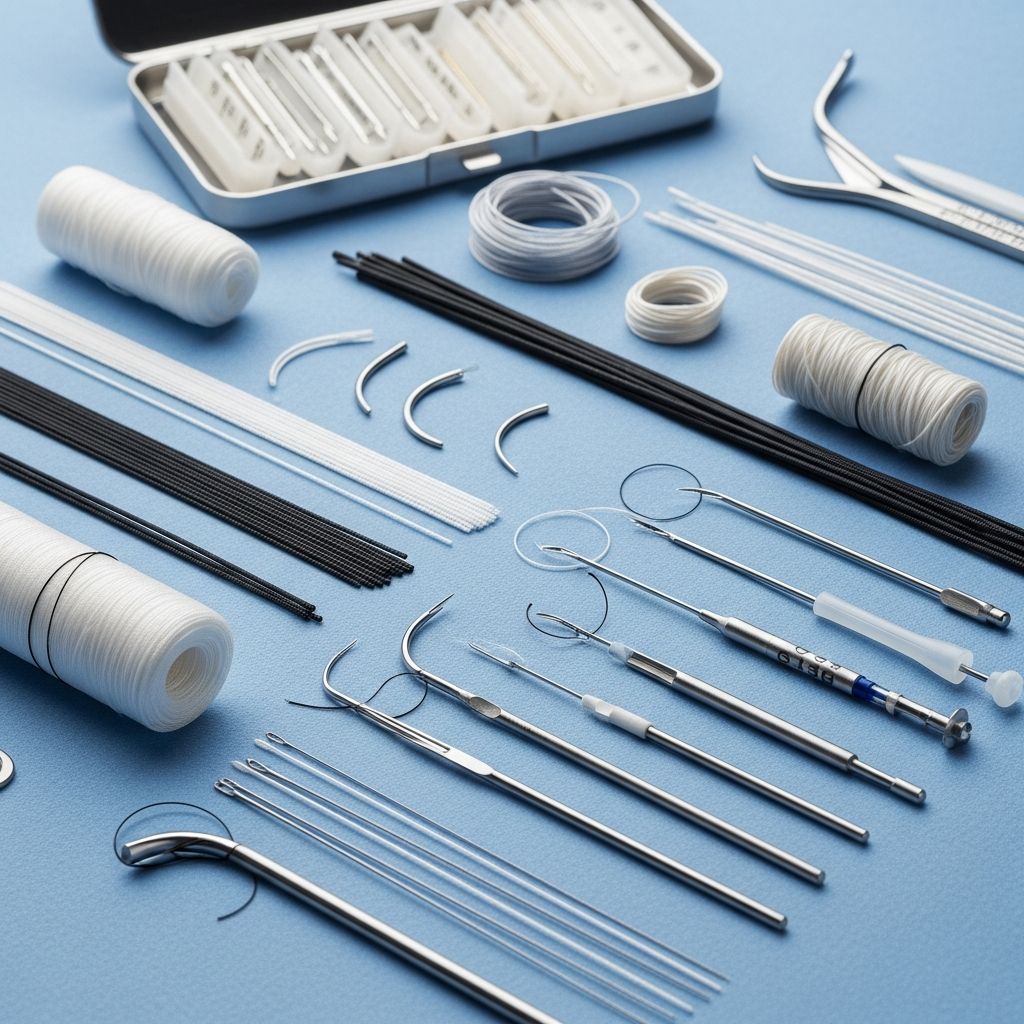
Sutures A to Z: Everything You Need to Know About Surgical Stitches
Sutures, commonly known as stitches, are fundamental medical devices used to hold tissue together after surgery, injury, or trauma. Whether you are preparing for an upcoming surgical procedure or recovering from one, understanding the basics of sutures can help you make informed decisions about your care and ensure proper wound healing. This comprehensive guide covers everything you need to know about surgical sutures, from the different types available to proper post-operative care.
What Are Sutures?
Sutures are medical-grade threads used by healthcare professionals to close wounds, hold tissues in place after surgical procedures, and promote proper healing. These essential medical devices come in various materials, sizes, and configurations, each designed for specific applications and wound types. Modern sutures are engineered to be strong, flexible, and biocompatible with the human body, minimizing the risk of adverse reactions while maximizing healing outcomes.
The primary purpose of sutures is to approximate wound edges, reduce infection risk, minimize scarring, and facilitate faster healing. Healthcare providers carefully select suture materials based on factors such as wound location, tissue type, depth of the wound, and the expected healing timeline.
Types of Sutures
Sutures are broadly classified into two main categories: absorbable and non-absorbable. Understanding the differences between these types is essential for proper wound care and management.
Absorbable Sutures
Absorbable sutures, also called dissolvable stitches, are designed to naturally break down and be absorbed by the body as the wound heals. These sutures are ideal for internal tissues and surgical sites that are difficult to access after the procedure, eliminating the need for removal.
Benefits of absorbable sutures include:
– No need for removal, reducing additional medical visits- Greater flexibility compared to non-absorbable types- Better adaptation to wound contours for improved healing of jagged or irregular wounds- Reduced risk of permanent suture marks- Lower infection rates when properly maintained
The timeframe for absorbable suture dissolution varies depending on the specific material used. Doctors select suture materials based on how long the wound typically requires support during healing. For example, post-cesarean section wounds may use sutures that dissolve within weeks, while orthopedic procedures like hip replacements may require sutures that persist for several months.
Non-Absorbable Sutures
Non-absorbable sutures are permanent threads that remain in the body or must be manually removed by a healthcare professional. These sutures are typically used for surface wounds, skin closure, and situations requiring extended wound support. Common non-absorbable materials include nylon, polypropylene, and silk. These sutures maintain their strength over extended periods and are often preferred for facial wounds where cosmetic outcomes are important.
Suture Materials
Healthcare providers choose from numerous suture materials, each with distinct properties suited to different applications:
Natural Fiber Sutures
Silk is a natural protein fiber known for its handling characteristics and knot security. Although less commonly used today, silk remains suitable for certain applications, particularly in areas with good blood supply.
Related Stories



Catgut, derived from animal intestines, is an absorbable suture that has been used historically. Modern surgical practice has largely replaced traditional catgut with synthetic absorbable alternatives.
Synthetic Absorbable Sutures
Polyglactin (Vicryl) sutures are synthetic absorbable materials that maintain strength for approximately two weeks and are completely absorbed within 56 to 90 days. These sutures are ideal for internal tissue approximation and subcutaneous closure.
Polydioxanone (PDS) sutures provide extended strength retention, maintaining 50% of their original strength after four weeks. They are completely absorbed around 180 days, making them suitable for wounds requiring prolonged support.
Poliglecaprone (Monocryl) sutures offer moderate strength retention and are absorbed within 90 to 120 days. These sutures combine the benefits of extended support with relatively quick absorption.
Synthetic Non-Absorbable Sutures
Polypropylene sutures are non-absorbable and retain their strength indefinitely. They are commonly used for skin closure and situations requiring permanent wound support.
Nylon sutures are another popular non-absorbable option, offering excellent tensile strength and minimal tissue reaction. They are frequently used for facial wounds due to their cosmetic advantages.
Polyethylene terephthalate (Dacron) sutures provide excellent strength retention and are used in cardiovascular and vascular surgeries where durability is critical.
Suture Sizes and Gauges
Sutures come in various sizes designated by a standardized numbering system. Sizes range from the thickest (0 or 1-0) to the finest (10-0 or thinner). The selection of suture size depends on the tissue being closed and the strength requirements of the specific wound. Facial and delicate tissue closures typically use finer sutures (6-0 to 7-0), while deeper tissue layers may require thicker gauges (0 to 2-0).
Suturing Techniques
Healthcare professionals employ various suturing techniques depending on wound characteristics, location, and healing requirements:
Simple Interrupted Sutures
This is the most common technique, where individual sutures are placed independently to close a wound. Each suture crosses the wound edges perpendicularly, providing reliable closure with minimal wound distortion.
Running Sutures
A continuous thread runs along the entire wound length without individual knots between stitches. This technique is faster and provides consistent closure, though it can compromise the entire closure if the thread breaks.
Mattress Sutures
These sutures are placed perpendicular to the wound edge and provide excellent strength and wound eversion, making them ideal for areas under tension or requiring maximal strength.
Subcuticular Sutures
Placed beneath the skin surface, these sutures provide cosmetically superior results with minimal scarring, making them ideal for visible areas like the face and neck.
Post-Operative Suture Care
Proper post-operative care is critical for optimal healing and minimizing complications such as infection or excessive scarring.
General Care Guidelines
Keep the wound dry. Absorbable sutures are less likely to break down prematurely or become infected when kept dry. Avoid soaking in tubs, though showering is typically acceptable after 24 hours. Always pat the area dry after cleaning.
Avoid straining the wound. Since absorbable sutures have limited durability compared to permanent stitches, refrain from strenuous activities that could stress the surgical site until healing is complete.
Monitor for signs of infection. Keep checking your wound regularly for soreness, itchiness, numbness, redness, warmth, or drainage around the stitches, which may indicate infection.
Change dressings as directed. If your doctor has placed a surgical dressing over your sutures, follow their instructions about how often to change it. During hot, sweaty conditions, you may need to change dressings more frequently.
Managing Itching
Incision sites commonly become itchy during healing. Rather than removing stitches prematurely, manage itching through these methods:
– Apply ice packs to the area for short periods- Use over-the-counter antihistamines like Benadryl- Apply over-the-counter anti-itch creams- Keep the wound covered to prevent irritation
Suture Removal
Non-absorbable sutures must be removed by a healthcare professional at an appropriate time during healing. Timing varies based on location and wound type, typically ranging from 5 to 14 days post-operatively. Never attempt to remove your stitches yourself unless explicitly instructed by your doctor.
Removing sutures too early can result in serious complications, including:
– Reopening of the wound- Infection- Increased scarring- Poor healing outcomes- Need for additional follow-up care
Absorbable sutures generally do not require removal since they dissolve naturally on their own. However, occasional suture abscess or foreign body reactions may necessitate professional removal if complications arise.
Common Suture-Related Complications
While sutures are generally safe, certain complications can occur if proper care instructions are not followed:
Infection
Infected sutures may cause increased pain, redness, warmth, pus drainage, or fever. Maintain cleanliness and dryness to minimize infection risk.
Allergic Reactions
Some patients may have reactions to suture materials. Inform your healthcare provider of any known allergies before surgery.
Suture Granulomas
Foreign body reactions can occur when the body rejects suture material. These typically resolve after suture removal.
Delayed Healing
Certain factors such as infection, poor nutrition, or medical conditions may slow healing. Report concerns to your healthcare provider.
Wound Dressing and Supplies
Proper wound management supplies support optimal healing. Common dressing materials used with sutures include:
| Supply Type | Description | Primary Use |
|---|---|---|
| Gauze (various sizes) | Standard medical sponges, typically 4×4 inches | General wound care and dressings |
| Sterile Q-tips | Small applicators for precise wound cleaning | Dressing wounds |
| Tegaderm | Clear adhesive barrier dressing | Sealing gauze and line insertions |
| Xeroform | Lubricated yellow gauze dressing | Occlusive wound protection |
| ACE Bandage | Elastic wrap support | Wound dressing and compression |
| Suture removal kit | Specialized scissors and forceps | Professional suture removal |
When to Contact Your Healthcare Provider
Seek immediate medical attention if you experience:
– Increasing pain, swelling, or redness around the wound- Pus or foul-smelling drainage- Fever or chills- Opening or separation of the wound- Sutures that break or become loose- Excessive bleeding or bruising- Numbness or tingling that persists- Signs of allergic reaction such as rash or difficulty breathing
Innovations in Suture Technology
Modern medical research continues to advance suture design and functionality. Recent innovations include 3D-printed anchoring sutures that eliminate the need for traditional knotting, reducing inflammation risk and improving mechanical strength. These advanced sutures can be precisely engineered with microstructures that maximize resistance to external forces while minimizing tissue trauma, representing the future of surgical closure techniques.
Frequently Asked Questions
Q: How long do absorbable sutures take to dissolve?
A: Dissolution time depends on the specific suture material used. Some absorbable sutures dissolve within weeks, while others may take several months. Your surgeon will select materials appropriate for your specific wound healing timeline.
Q: Can I shower with sutures?
A: In most cases, showering is acceptable after 24 hours post-operatively with non-absorbable sutures. However, avoid soaking in bathtubs, and always pat the area dry afterward. Follow your surgeon’s specific instructions for your situation.
Q: What should I do if my stitches itch?
A: Apply ice packs, use over-the-counter antihistamines, apply anti-itch creams, or keep the wound covered. Do not remove the stitches yourself, as this can cause serious complications.
Q: Is it normal for sutures to hurt?
A: Some mild discomfort is normal initially, but severe pain may indicate infection or other complications. Contact your healthcare provider if pain persists or worsens.
Q: When will my sutures be removed?
A: Removal timing varies by location and wound type, typically 5 to 14 days post-operatively. Your surgeon will advise you on the appropriate removal date.
Q: Can absorbable sutures stay in too long?
A: Absorbable sutures are designed to dissolve at appropriate times during healing. If complications arise, your healthcare provider can remove them, but premature removal can compromise wound integrity.
References
- Student-Informed Guidelines on Preparing for the Core Surgery Clerkship — American College of Surgeons (FACS). 2024. https://www.facs.org/for-medical-professionals/news-publications/journals/rise/articles/student-informed-guidelines-on-preparing-for-the-core-surgery-clerkship/
- 3D Printed Anchoring Sutures for Permanent Shaping of Tissues — National Center for Biotechnology Information (NIH). 2018. https://pmc.ncbi.nlm.nih.gov/articles/PMC5932114/
- What to Know About Absorbable Sutures — WebMD Health Services. 2024. https://www.webmd.com/a-to-z-guides/what-to-know-absorbable-sutures
Similar Articles








Read full bio of medha deb