Swallowing Disorders: Causes, Symptoms & Treatment
Understand swallowing disorders, their causes, symptoms, and effective treatment options for better health.
Understanding Swallowing Disorders
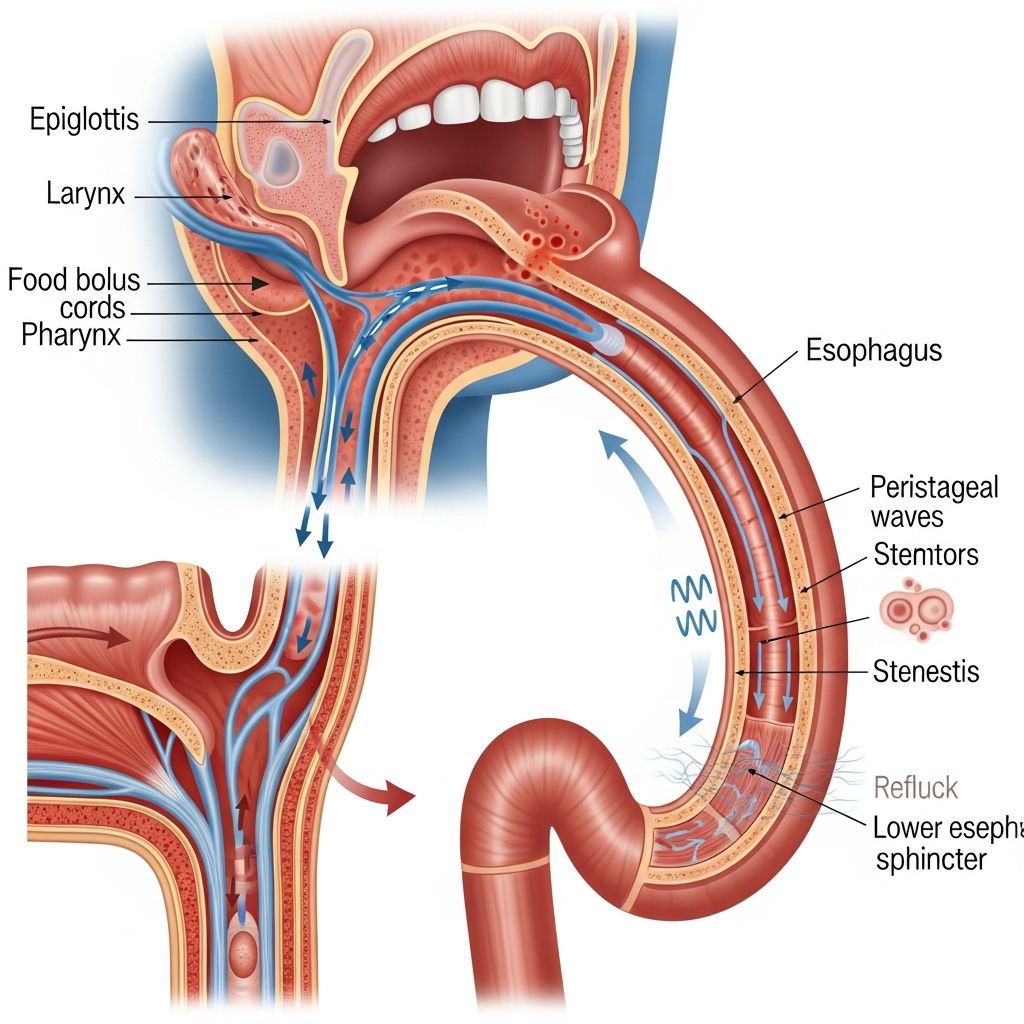
Swallowing is a complex physiological process that involves multiple muscles and nerves working in coordination to move food and liquids from the mouth through the esophagus to the stomach. When this process is disrupted, it results in a condition known as dysphagia, or swallowing disorder. Swallowing disorders can affect people of all ages and can range from mild difficulties to severe complications that impact nutritional intake and overall quality of life. Understanding the nature of these disorders, their causes, and available treatment options is essential for managing the condition effectively and preventing serious health complications.
What Are Swallowing Disorders?
Swallowing disorders, medically termed dysphagia, represent difficulty or discomfort when swallowing food, liquids, or saliva. These disorders can be acute, developing suddenly as a result of an injury or illness, or chronic, persisting over an extended period. Dysphagia can occur at different stages of the swallowing process: during the oral phase when food is prepared in the mouth, the pharyngeal phase when food moves through the throat, or the esophageal phase when food travels down the esophagus to the stomach. The severity and impact of swallowing disorders depend on which phase is affected and the underlying cause of the problem.
Common Symptoms of Swallowing Disorders
Recognizing the symptoms of swallowing disorders is crucial for early diagnosis and treatment. People experiencing dysphagia may exhibit various warning signs that should not be ignored:
- Coughing or choking while eating or drinking
- Sensation of food getting stuck in the throat or chest
- Difficulty chewing or requiring extra effort to swallow
- Wet or gurgly voice during or after eating
- Drooling or inability to control saliva
- Recurrent throat clearing or persistent coughing
- Unexplained weight loss or poor nutrition
- Painful swallowing or discomfort in the throat
- Hesitation before swallowing food or liquids
- Sensation of food or liquid coming back up into the nose or mouth
These symptoms can significantly impact daily life, leading some individuals to feel embarrassed or self-conscious about their condition. Many people with swallowing disorders may avoid eating in public or with others due to fear of experiencing symptoms. However, it is important to recognize that swallowing disorders are treatable conditions, and early intervention can prevent serious health complications such as malnutrition, dehydration, and aspiration pneumonia.
Causes of Swallowing Disorders
Swallowing disorders arise from a wide variety of causes, ranging from neurological conditions to structural abnormalities and temporary illnesses. Understanding the underlying cause is essential for determining the appropriate treatment approach.
Neurological Causes
Many swallowing disorders result from conditions affecting the nervous system or brain. Stroke is a leading cause of dysphagia, particularly in older adults, as it can damage the nerves and muscles controlling swallowing. Parkinson’s disease, a progressive neurological condition, commonly causes swallowing difficulties as the disease advances. Other neurological conditions that may lead to dysphagia include cerebral palsy, multiple sclerosis, muscular dystrophy, dementia, Alzheimer’s disease, and amyotrophic lateral sclerosis (ALS). Head or spinal cord injuries can also result in swallowing problems by disrupting the neural pathways involved in the swallowing reflex.
Structural and Mechanical Causes
Physical abnormalities in the throat or esophagus can obstruct normal swallowing. Esophageal strictures, which are narrowings of the esophagus, can trap large pieces of food and prevent normal passage. Tumors in the head, neck, or esophagus can progressively narrow the swallowing passage, making dysphagia worse over time. Zenker’s diverticulum, a small pouch that forms in the throat just above the esophagus, can collect food particles and cause swallowing difficulties, gurgling sounds, bad breath, and repeated throat clearing. Other structural issues include achalasia, a condition where damaged nerves prevent the esophagus from squeezing food into the stomach, and esophageal spasm, which causes uncoordinated muscle contractions.
Related Stories



Medical Conditions
Gastroesophageal reflux disease (GERD) and acid reflux are common causes of swallowing disorders, particularly in children and adults with chronic reflux. Chronic obstructive pulmonary disease (COPD) and other breathing problems can interfere with the coordination needed for safe swallowing. Infections, including infectious esophagitis, can cause temporary or persistent swallowing difficulties. Cleft lip and palate in infants present structural challenges to swallowing that require specialized management.
Medication-Related Causes
Certain medications can contribute to swallowing difficulties through various mechanisms. Antipsychotic medications may cause dry mouth (xerostomia) or affect esophageal muscle contractions. Some drugs can induce esophagitis or cause gastroesophageal reflux as a side effect. Medications with immunosuppressant effects may predispose individuals to infectious esophagitis. It is important to review all medications with a healthcare provider if swallowing difficulties develop, as adjustments or alternative medications may help resolve the issue.
Post-Surgical and Post-Treatment Complications
Swallowing problems can develop following various surgical procedures, including head and neck surgery, intracranial surgery, cervical spine surgery, and thoracic surgery. Patients undergoing cancer treatments such as chemoradiation therapy may experience temporary or long-term swallowing difficulties as a side effect of therapy.
Diagnostic Evaluation of Swallowing Disorders
Accurate diagnosis of swallowing disorders requires a comprehensive evaluation performed by healthcare professionals. The diagnostic process typically includes several components:
Medical History Assessment
A thorough review of your medical history forms the foundation of dysphagia evaluation. This includes information about past illnesses, previous surgeries, current medications, and any prior episodes of swallowing difficulties. Understanding the timeline of symptom onset and any triggering events helps clinicians identify potential causes.
Physical Examination
Healthcare providers examine the structures involved in swallowing, including the mouth, throat, and neck. Assessment of mouth muscles evaluates their strength, range of motion, and coordination. Observation of your posture, feeding techniques, and swallowing patterns during eating provides valuable insights into how the disorder manifests during actual food intake.
Specialized Diagnostic Tests
Several specialized tests may be performed to further evaluate swallowing function:
- Modified Barium Swallow (MBS): This fluoroscopic study involves swallowing barium-coated foods and liquids of various consistencies while X-ray images record the movement through the mouth, throat, and esophagus. This test clearly visualizes the swallowing process and identifies specific problems.
- Endoscopic Evaluation: Using a small camera inserted through the nose or mouth, clinicians can directly visualize the throat and esophagus to identify structural abnormalities, inflammation, or other issues.
- Esophageal Manometry: This test measures the pressure and coordination of esophageal muscle contractions during swallowing.
- pH Monitoring: When acid reflux is suspected, monitoring acid exposure in the esophagus can help confirm GERD as a contributing factor.
Treatment Options for Swallowing Disorders
Treatment for swallowing disorders is individualized based on the underlying cause, severity of the condition, and patient characteristics. A multidisciplinary approach involving primary care physicians, specialists, speech-language pathologists, dietitians, and caregivers yields the best outcomes.
Behavioral and Therapeutic Approaches
Speech and language therapy is a cornerstone of dysphagia management. Swallowing rehabilitation may include biofeedback techniques, compensatory maneuvers to improve swallowing safety, and exercise-based therapies designed to strengthen weakened muscles. Surface electromyography provides real-time feedback to help patients improve muscle coordination. Physical therapy can strengthen the muscles involved in swallowing, and a recent study in the Journal of Geriatric Physical Therapy demonstrated that older adults with dysphagia who participated in a 12-week physical therapy program experienced significant improvement in swallowing ability and overall quality of life.
Dietary Modifications
Dietary adjustments form an essential component of dysphagia management. Speech-language pathologists and dietitians recommend modifications such as consuming softer foods that are easier to swallow, using thickeners in drinks to slow food bolus movement and reduce aspiration risk, and consuming smaller, more frequent meals. Special eating utensils, plates, and cups designed for individuals with swallowing difficulties can facilitate safer eating.
Pharmaceutical Interventions
Medications address specific underlying causes of swallowing disorders. Antacids and proton pump inhibitors treat acid reflux, potentially improving swallowing if GERD is the primary issue. For esophageal motility disorders, medications such as nitrates, calcium channel blockers, and tricyclic antidepressants may reduce symptoms. Prokinetic agents that stimulate gut movement, including metoclopramide and erythromycin, can help some patients. Botulinum toxin injections effectively relax muscles in conditions such as achalasia and esophageal spasm, with more than 80% of patients experiencing clinical improvement, though symptom recurrence is common.
Endoscopic Procedures
Several minimally invasive endoscopic procedures address specific structural problems causing dysphagia. Esophageal dilation using specialized instruments can widen narrowed sections of the esophagus caused by strictures or achalasia. Endoscopic injection of botulinum toxin into the lower esophageal sphincter reduces pressure and allows food passage. Steroid injection, incision techniques, and stent placement may be used for refractory strictures.
Surgical Interventions
When conservative treatments fail, surgical options may be considered. Surgery can correct structural abnormalities, widen narrowed sections of the esophagus, and remove obstructive lesions such as diverticula or tumors. Surgical approaches are tailored to the specific underlying cause and patient condition.
Feeding Tubes
In cases where safe oral intake cannot be maintained, feeding tubes provide necessary nutrition and hydration. Nasogastric tubes pass through the nose into the stomach, while gastrostomy tubes create a direct opening into the stomach through the abdominal wall. These temporary or long-term solutions ensure adequate nutritional intake while other treatments address the underlying swallowing disorder.
Non-Pharmacological Approaches
Complementary techniques such as acupuncture stimulation and transcutaneous electrical nerve stimulation (TENS) may be considered in managing advanced cases of dysphagia, often as adjuncts to primary treatments.
Complications of Untreated Swallowing Disorders
Untreated or poorly managed swallowing disorders can lead to serious health complications. Aspiration pneumonia develops when food, liquids, or saliva enter the lungs instead of the stomach, causing infection and potentially life-threatening pneumonia. Malnutrition and dehydration result from inadequate food and fluid intake, weakening the immune system and delaying recovery from other conditions. Weight loss may occur progressively as individuals consume less due to difficulty and discomfort with eating. Psychological impacts including embarrassment, social isolation, and depression can significantly affect quality of life.
Frequently Asked Questions About Swallowing Disorders
Q: Can swallowing disorders be cured?
A: Many swallowing disorders can be significantly improved or resolved with appropriate treatment. The potential for improvement depends on the underlying cause. Temporary conditions like those following stroke may improve with rehabilitation, while chronic neurological diseases may require ongoing management to maintain swallowing safety and quality of life.
Q: When should I see a doctor about swallowing difficulties?
A: You should consult a healthcare provider if you experience persistent coughing or choking while eating, sensation of food getting stuck, unexplained weight loss, or any of the symptoms listed above lasting more than a few weeks. Seek immediate medical attention if you cannot swallow saliva or experience severe difficulty swallowing, as these may indicate urgent conditions.
Q: Are swallowing disorders more common in older adults?
A: Yes, swallowing disorders become increasingly common with age, particularly following stroke, Parkinson’s disease, and other age-related neurological conditions. However, dysphagia can affect people of any age and requires proper evaluation and management regardless of age.
Q: What role does a speech-language pathologist play in treating swallowing disorders?
A: Speech-language pathologists are specialists trained in swallowing assessment and therapy. They conduct comprehensive swallowing evaluations, design personalized rehabilitation programs, teach compensatory techniques, recommend dietary modifications, and monitor progress throughout treatment.
Q: Can medications cause swallowing problems?
A: Yes, certain medications can contribute to swallowing difficulties through various mechanisms including dry mouth, affecting muscle contractions, or causing reflux. If swallowing problems develop after starting a new medication, inform your healthcare provider, as alternatives may be available.
References
- Dysphagia (swallowing problems) – NHS — National Health Service. 2024. https://www.nhs.uk/symptoms/swallowing-problems-dysphagia/
- Dysphagia – StatPearls — National Center for Biotechnology Information, U.S. National Library of Medicine. 2024. https://www.ncbi.nlm.nih.gov/books/NBK559174/
- Dysphagia – Symptoms and causes — Mayo Clinic. 2023. https://www.mayoclinic.org/diseases-conditions/dysphagia/symptoms-causes/syc-20372028
- Dysphagia | Swallowing Disorders — MedlinePlus, U.S. National Library of Medicine. 2024. https://medlineplus.gov/swallowingdisorders.html
- Swallowing Disorders – Otolaryngology — UC Davis Health, University of California. 2024. https://health.ucdavis.edu/otolaryngology/specialty/center-for-voice-and-swallowing/swallowing-disorders.html
- Swallowing Disorders & Symptoms, Causes & Treatments — Otolaryngology Specialists. 2024. https://www.otolaryn.com/blog/swallowing-disorders-symptoms-causes-treatments/
Similar Articles








Read full bio of Sneha Tete