Sweating: 7 Causes, Symptoms, Treatments, And Tips
Discover why you sweat, its health benefits, potential problems, and when to seek medical advice for sweating issues.
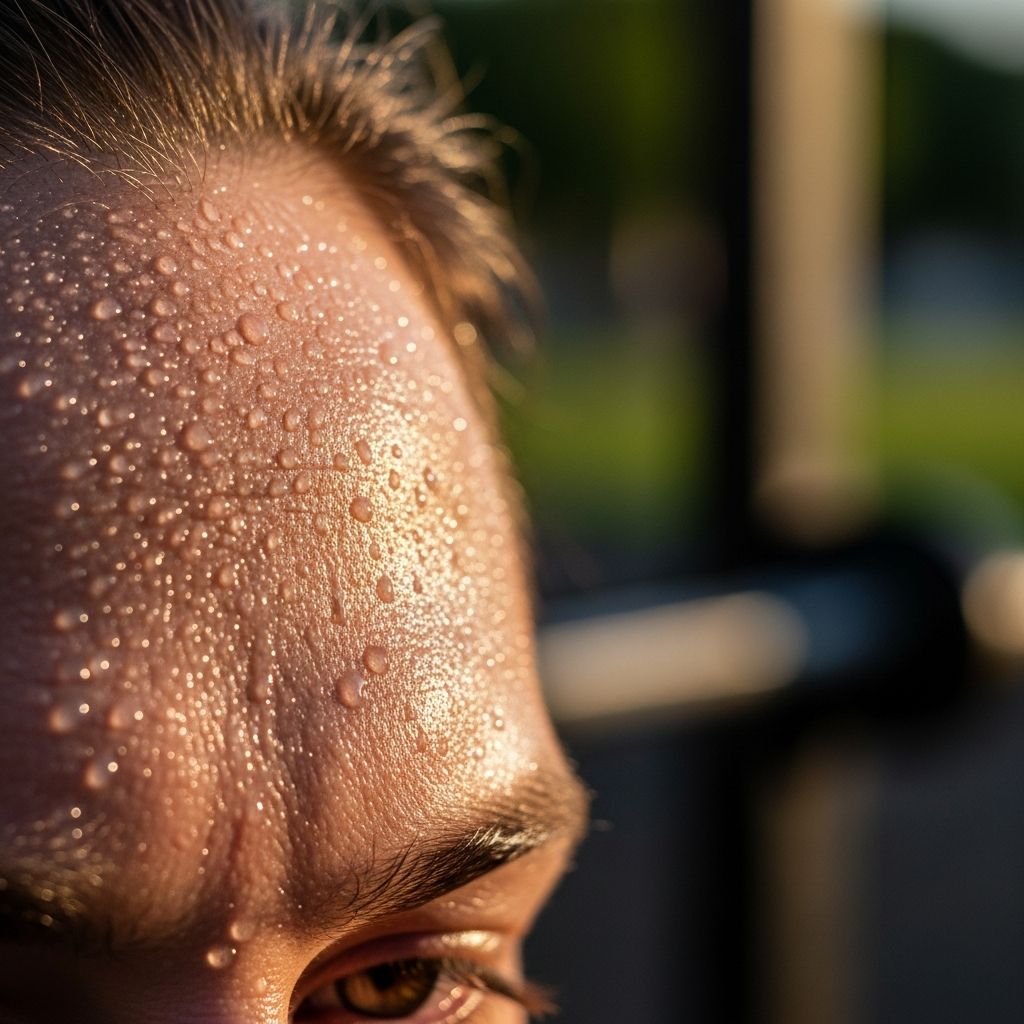
Sweating is your body’s natural mechanism for regulating temperature, but it also plays roles in detoxification and overall homeostasis. While normal perspiration is essential for health, abnormal sweating—either too much or too little—can signal underlying issues.
What Is Sweat and Why Do We Sweat?
Sweat is primarily water with small amounts of electrolytes like sodium and chloride, produced by two main types of glands: eccrine and apocrine. Eccrine glands, found across most of the body, secrete a watery sweat that’s about 99% water, aiding quick evaporation for cooling during heat or exercise. Apocrine glands, located in areas like armpits and groin, produce thicker sweat rich in lipids, proteins, and ammonia, which can contribute to body odor when bacteria break it down.
The body sweats to maintain a core temperature around 98.6°F (37°C). When skin sensors detect rising heat, the hypothalamus signals sweat glands to activate. As sweat evaporates, it dissipates heat effectively. Even in cool conditions, subtle sweating occurs to fine-tune temperature.
Beyond cooling, sweating supports detoxification. Studies show sweat can excrete heavy metals like arsenic, cadmium, lead, and mercury at higher concentrations than urine, suggesting it’s a viable elimination pathway. A 2016 study found regular exercisers had lower heavy metal levels, with sweat containing elevated amounts compared to urine.
Sweat also helps remove environmental toxins such as bisphenol A (BPA) and polychlorinated biphenyls (PCBs). Research indicates sweating facilitates PCB elimination, though less effectively for common perfluorinated compounds. Additionally, sweat’s antimicrobial peptides cleanse skin bacteria, reducing infection risk.
Normal vs. Abnormal Sweating
Normal sweating occurs symmetrically in response to triggers like heat, exercise, or stress. It’s typically unnoticed unless profuse. Abnormal sweating disrupts this balance, manifesting as excessive (hyperhidrosis) or insufficient (anhidrosis) perspiration.
- Normal sweating: Localized or generalized, evaporates quickly, no lifestyle interference.
- Abnormal sweating: Persistent, disrupts daily activities, or absent when needed.
Hyperhidrosis (Excessive Sweating)
Hyperhidrosis affects about 3-5% of people, causing sweat beyond what’s needed for cooling. It impacts quality of life, leading to embarrassment, skin issues, and social withdrawal.
Types of Hyperhidrosis
Primary focal hyperhidrosis is genetic, starting in childhood or adolescence, without underlying disease. It targets specific areas like palms, soles, underarms, or face due to overactive sympathetic nerves.
Secondary generalized hyperhidrosis arises from medical conditions or medications, affecting the whole body, often at night. Causes include:
- Menopause/hot flashes
- Thyroid disorders (hyperthyroidism)
- Diabetes (low blood sugar)
- Infections (tuberculosis, endocarditis)
- Cancers (lymphoma)
- Medications (antidepressants, opioids)
- Neurologic issues (Parkinson’s)
Sweat chloride levels can diagnose conditions like cystic fibrosis, where mutations impair salt reabsorption, making sweat saltier.
Symptoms and Impact
Primary symptoms: Dripping sweat, wet clothing, skin maceration, odor. It can cause anxiety, depression, and avoidance of social/professional situations.
Anhidrosis (Inability to Sweat)
Anhidrosis, or hypohidrosis, means reduced or absent sweating, risking heat-related illnesses like heat exhaustion or stroke. It’s rarer but dangerous, as the body can’t cool effectively.
Causes of Anhidrosis
| Cause Category | Examples |
|---|---|
| Skin Damage | Burns, severe sunburn, psoriasis |
| Nerve Disorders | Diabetic neuropathy, multiple sclerosis |
| Genetic Conditions | Cystic fibrosis, Sjögren’s syndrome |
| Medications | Anticholinergics, opioids |
| Other | Dehydration, heat exhaustion |
Symptoms include dry skin, dizziness, muscle cramps, nausea, and confusion in heat. Severe cases lead to hyperthermia.
Related Stories



Health Benefits of Proper Sweating
Traditional Persian Medicine (PM) views regular sweating as preventive care, clearing waste, toxins, and excess moisture to avert diseases like joint pain, strokes, and diabetes. Modern evidence supports this: Induced sweating via saunas or thermotherapy benefits cardiovascular health, reduces chronic pain, improves respiratory function, and lowers dementia risk.
Sweating doesn’t burn significant calories—weight loss is temporary water loss, not fat. However, exercise-induced sweating promotes fitness indirectly.
Diagnosis of Sweating Disorders
For hyperhidrosis, doctors use starch-iodine tests (turns purple with sweat) or gravimetric measurement (weighs sweat over time). Medical history rules out secondary causes via blood tests, imaging.
Anhidrosis diagnosis involves thermoregulatory sweat tests: Powder changes color where sweat is absent, revealing patterns (e.g., focal vs. generalized).
Treatment Options
For Hyperhidrosis
- Topicals: Aluminum chloride antiperspirants (20-30% strength) block ducts.
- Oral meds: Anticholinergics like glycopyrrolate reduce signals.
- Injections: Botox paralyzes nerves for 4-12 months.
- Microwave/Iontophoresis: Destroy glands or use electric current.
- Surgery: Endoscopic thoracic sympathectomy (ETS) for severe cases, risks compensatory sweating.
For Anhidrosis
Treat underlying cause (e.g., hydration, diabetes management). Prevention: Avoid heat, wear breathable clothes, use cooling vests.
Lifestyle Tips for Healthy Sweating
- Exercise regularly to promote detox.
- Stay hydrated; saltier sweat in dehydration.
- Use saunas cautiously for benefits.
- Monitor for changes; see doctor if sudden.
Frequently Asked Questions (FAQs)
Does sweating mean you’re burning fat?
No, sweating is for cooling, not calorie burn. Temporary weight loss is water; rehydrate to regain it.
Is sweaty = healthy?
Normal sweating is healthy for thermoregulation and detox, but excessive or absent sweat warrants medical check.
Can sweat detox heavy metals?
Yes, studies show sweat excretes heavy metals like lead and mercury more than urine in some cases.
When is hyperhidrosis serious?
If new-onset, generalized, or with symptoms like weight loss/fever, it may indicate underlying disease.
How to test for anhidrosis?
Sweat tests with indicators show sweat absence; consult a dermatologist.
This comprehensive guide emphasizes consulting healthcare providers for personalized advice. Sweating balances health when normal, but deviations need attention.
References
- Sweating as a Preventive Care and Treatment Strategy in Traditional Persian Medicine — Shirbeigi E, et al. 2021-07-01. https://pmc.ncbi.nlm.nih.gov/articles/PMC8343902/
- Why Do We Sweat? — Cleveland Clinic. 2023-05-15. https://my.clevelandclinic.org/health/body/sweat
- Sweating Benefits: Beyond Body Temperature Regulation — Healthline. 2019-04-25. https://www.healthline.com/health/sweating-benefits
- Causes of Excessive Sweating & What to Do About It — Health Central. 2022-11-10. https://www.healthcentral.com/article/reasons-for-excessive-sweating
- Does sweating help burn calories? — Medical News Today. 2023-08-20. https://www.medicalnewstoday.com/articles/does-sweating-burn-calories
Similar Articles








Read full bio of medha deb