Sweaty Vagina: 7 Causes, Prevention, And Treatments
Understand why your vagina sweats, when it's normal, and expert tips to manage excessive moisture and discomfort effectively.
Sweaty Vagina: Causes, Prevention, and Treatment
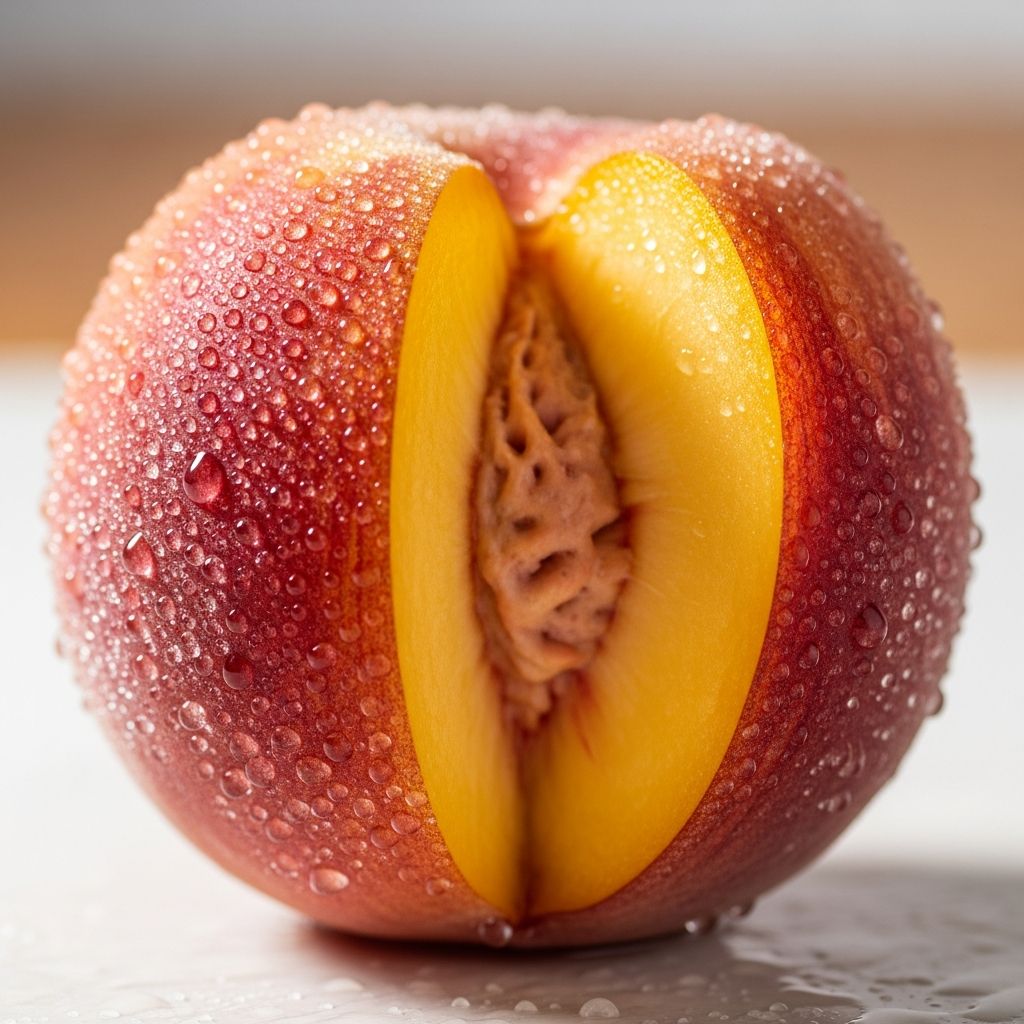
Sweating in the vaginal area, often called a sweaty vagina, is a normal physiological response but can lead to discomfort, odor, and irritation if excessive. The vulva contains apocrine and eccrine sweat glands that activate in response to heat, activity, or hormones, making the groin prone to moisture.
What Causes a Sweaty Vagina?
The vaginal area sweats due to its unique anatomy and environmental factors. Apocrine glands in the labia majora and groin produce thicker sweat that mixes with bacteria, potentially causing odor, while eccrine glands release watery sweat for cooling. Understanding these triggers helps in management.
It’s Normal—But Here’s Why It Happens More
Sweating around the vagina is completely normal, especially in warm conditions or during exercise, as the groin is a warm, enclosed area with hair that traps heat. However, excessive sweat can signal underlying issues like hyperhidrosis, affecting about 3% of people.
1. Heat and Humidity
Warm temperatures and high humidity increase sweating everywhere, but the crotch area suffers most due to poor ventilation. Hot weather prompts sweat glands to overproduce moisture to cool the body.
2. Physical Activity
Exercise raises core body temperature, activating sweat glands, particularly during lower-body workouts like cycling or running that increase groin blood flow. Post-workout sweat lingers if not addressed.
3. Clothing Choices
Tight pants, synthetic fabrics like nylon or polyester, and non-breathable underwear trap heat and moisture, exacerbating sweat. Panty liners and pads further block airflow.
4. Pubic Hair
Pubic hair wicks sweat but also traps it, heat, and bacteria, leading to dampness and odor. Trimming reduces this without full removal, as hair protects against friction.
5. Hormonal Changes
Fluctuations during puberty, menstrual cycles, pregnancy, menopause, or birth control alter temperature regulation via estrogen and progesterone shifts, increasing sweat. Menopause often brings hot flashes targeting the groin.
6. Body Weight
Excess weight creates skin folds in the groin, promoting heat retention and sweat accumulation.
7. Medical Conditions
Hyperhidrosis causes profuse sweating beyond normal needs. Diabetes, hyperthyroidism, or infections like bacterial vaginosis (BV) or yeast infections can contribute via odor or excess moisture.
Symptoms of Excessive Vaginal Sweating
Beyond wetness, watch for itching, rashes, burning, unusual discharge, foul odors (fishy for BV), redness, bumps, or pain during sex or urination. These may indicate infections or irritation.
- Persistent dampness soaking underwear
- Strong odor from bacterial mixing with apocrine sweat
- Skin irritation or rashes in folds
- Thick white/gray discharge
- Frequent itching or burning
How to Prevent and Treat Sweaty Vagina
Lifestyle adjustments effectively manage most cases. Focus on breathability, hygiene, and moisture control without disrupting vaginal pH.
Daily Prevention Tips
- Choose breathable underwear: 100% cotton panties wick moisture and allow airflow; avoid synthetics.
- Wear loose clothing: Opt for flowing skirts or pants in natural fabrics like cotton or bamboo.
- Shower daily: Use unscented, pH-balanced soap; pat dry thoroughly, consider cool blow-drying the area.
- Trim pubic hair: Reduce density to minimize sweat trapping; use safety scissors.
- Avoid panty liners/pads: Change them frequently or skip unless needed for flow.
- Use moisture absorbers: Cornstarch-based powders like Vagisil draw out wetness without talc.
- Stay hydrated and cool: Drink water, use fans, or cool showers to lower body temp.
Treatment Options for Excessive Sweat
For persistent issues:
- Topical treatments: Antifungal creams for yeast; prescription anticholinergics reduce gland activity.
- Botox injections: Block sweat gland nerves for 4-6 months relief in groin.
- Lifestyle for hyperhidrosis: Weight management, diet low in spicy foods/caffeine.
| Quick Prevention Comparison | Best For | Pros | Cons |
|---|---|---|---|
| Cotton Underwear | Daily wear | Breathable, affordable | Needs frequent changes |
| Moisture Powder | Exercise days | Absorbs fast | Avoid scented versions |
| Pubic Trimming | Heavy sweaters | Reduces odor/heat | Regrows quickly |
| Botox | Severe cases | Long-lasting | Expensive, injections |
When to See a Doctor
Consult a gynecologist or dermatologist if home remedies fail or symptoms persist beyond a few days. Seek immediate care for:
- Sweat with fishy/strong odor (possible BV)
- Thick, clumpy white discharge (yeast infection)
- Gray discharge, frequent urination (infection)
- Severe itching, burning, redness, sores
- Interference with daily life or hyperhidrosis suspicion
- Pain during sex or urination
Doctors may test for infections, prescribe meds, or refer for Botox.
Frequently Asked Questions (FAQs)
Is it normal to have a sweaty vagina?
Yes, sweating in the vulva is normal due to apocrine glands, especially in heat or activity. Excessive amounts warrant checks.
Does crotch sweat always cause odor?
Not always, but apocrine sweat mixes with bacteria on hair, producing smell. Persistent foul odor signals infection like BV.
Can hyperhidrosis affect the vagina?
Yes, it causes excessive groin sweating in 3% of cases; treatments include meds or Botox.
Is shaving pubic hair helpful?
Trimming helps more than full shave by reducing trapped sweat without increasing friction or infection risk.
What underwear is best for sweaty vagina?
Cotton or moisture-wicking bamboo; change after workouts.
Bottom Line
A sweaty vagina is typically harmless and manageable with cotton undies, hygiene, and trimming. Persistent issues or symptoms like odor/discharge need professional evaluation to rule out infections or hyperhidrosis. Prioritize breathability for comfort.
References
- Why Does My Vagina Sweat So Much? — Lewisville Women’s Care. 2023. https://lewisvillewomenscare.com/why-does-my-vagina-sweat-so-much
- Vaginal Sweat: Why it Happens and How To Stop It — LOLA. 2023. https://mylola.com/blogs/vaginal-health/how-to-deal-with-sweat-around-your-vagina
- Sweaty Vagina – Causes and Tips to Prevent Excessive Crotch Sweat — Prevention. 2018-10-01. https://www.prevention.com/health/a21097060/sweaty-vagina/
- Sweaty Vagina: 8 Tips for Treatment and Prevention — Healthline. 2023. https://www.healthline.com/health/womens-health/sweaty-vagina
- Vaginitis: Causes, Symptoms, Treatment & Prevention — Cleveland Clinic. 2023-06-22. https://my.clevelandclinic.org/health/diseases/9131-vaginitis
- Vaginal odor Causes — Mayo Clinic. 2023. https://www.mayoclinic.org/symptoms/vaginal-odor/basics/causes/sym-20050664
Similar Articles








Read full bio of Sneha Tete