Sweaty Vagina: 5 Effective Prevention And Treatment Tips
Understand why your vulva sweats, how it leads to odor, and expert tips to stay fresh and comfortable every day.

Sweating around the vaginal area, often called a “sweaty vagina,” is a common issue affecting many women, especially in hot weather, during exercise, or due to stress. While the vagina itself doesn’t sweat, the surrounding vulva and groin have sweat glands that produce moisture, leading to discomfort, odor, and potential infections. This guide covers why it happens, associated risks, and effective strategies to manage it.
What Is a Sweaty Vagina?
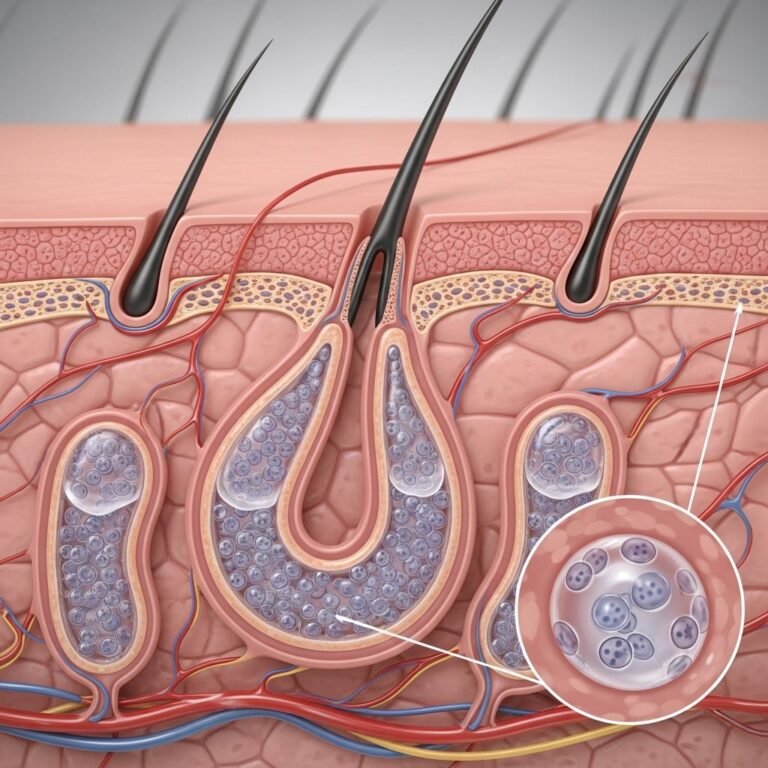
The term “sweaty vagina” refers to excessive moisture in the groin area, specifically around the vulva—the external genitalia including the labia and pubic mound. The vagina, the internal canal, lacks sweat glands and remains self-regulating. Instead, sweat comes from the vulva’s high concentration of apocrine and eccrine glands, similar to armpits.
This sweating is normal and helps regulate body temperature. However, factors like heat, friction from tight clothes, and hormones can intensify it, making the area feel damp and prone to irritation. Approximately 3% of people experience hyperhidrosis, or excessive sweating unrelated to temperature or activity.
Why Does the Vulva Sweat?
Several triggers cause vulvar sweating:
- Heat and Exercise: High temperatures or workouts increase body heat, prompting sweat glands to activate. The groin traps heat due to its enclosed nature.
- Stress and Hormones: Emotional stress triggers apocrine glands, producing protein-rich sweat that bacteria break down into odor. Hormonal shifts during menstruation, pregnancy, or menopause exacerbate it.
- Clothing and Fabrics: Synthetic, tight underwear like nylon traps moisture, while pubic hair retains heat and bacteria.
- Pubic Hair: Dense hair wicks sweat but can harbor bacteria if not maintained, leading to excess moisture.
- Medical Conditions: Hyperhidrosis causes unpredictable sweating; obesity or diabetes may contribute by impairing temperature regulation.
Apocrine glands in the groin secrete a thicker sweat containing proteins and lipids, unlike watery eccrine sweat elsewhere. Bacteria on the skin metabolize this, creating a musky odor.
Does Vulvar Sweat Always Cause Odor?
Not always, but moisture fosters bacterial growth, amplifying smells. Eccrine sweat is odorless, but apocrine sweat’s proteins feed skin bacteria, producing a distinct crotch scent—often described as musty or onion-like.
Normal odor varies by diet, hygiene, and cycle phase but shouldn’t be fishy, foul, or overly strong. Persistent changes signal issues:
- Bacterial Vaginosis (BV): Fishy odor with gray discharge; pH imbalance from douching or antibiotics.
- Yeast Infections: Thick, white discharge with itching; thrives in moist environments.
- STIs: Unusual smells with sores or pain, like trichomoniasis.
Excess sweat also causes chafing, itching, or folliculitis (hair follicle inflammation).
Symptoms of Excessive Vulvar Sweating
Monitor for:
- Constant dampness in underwear, even at rest.
- Irritation, redness, or burning on labia.
- Stronger-than-usual odor persisting after washing.
- Itching lasting days, suggesting yeast or BV.
- Painful urination, intercourse, or thick/gray discharge.
| Symptom | Possible Cause | Action |
|---|---|---|
| Dampness + mild odor | Normal sweat | Hygiene tweaks |
| Fishy smell + discharge | BV | See doctor |
| Itching + white clumps | Yeast infection | OTC antifungal or doctor |
| Sweat without triggers | Hyperhidrosis | Dermatologist consult |
How to Prevent and Treat Sweaty Vulva
Lifestyle changes and hygiene reduce moisture effectively.
Choose Breathable Clothing
Opt for cotton underwear that wicks moisture; avoid synthetics like polyester. Loose pants or skirts promote airflow. Change post-workout or swim immediately. Skip panty liners or use unscented, changing every 4 hours.
Related Stories



Gentle Hygiene Practices
Wash vulva daily with fragrance-free cleansers like Cetaphil or Vanicream. Pat dry thoroughly; avoid douching, which disrupts pH (normal 3.8-4.5). Use body-safe wipes midday, skipping antibacterials.
Pubic Hair Management
Trim (not shave fully) to reduce trapped sweat. Pubic hair protects but excess fosters bacteria.
Absorb Moisture
Dust with cornstarch-based powders (avoid talc near vagina due to ovarian cancer links). Antifungal powders like Vagisil work for odor.
Lifestyle Adjustments
- Shower 1-2x daily with lukewarm water.
- Stay hydrated; eat yogurt for probiotics.
- Manage weight and stress via yoga.
When to See a Doctor
Consult if home remedies fail or symptoms include persistent odor, discharge, pain, or sweating disrupting life. Hyperhidrosis treatments: antiperspirants (glycopyrrolate), Botox, or meds. Rule out infections or endocrine issues.
Frequently Asked Questions (FAQs)
Is sweating around the vagina normal?
Yes, due to apocrine glands; it’s like armpit sweat but moisture-prone.
Can sweat cause yeast infections?
Yes, dampness promotes Candida overgrowth; keep dry to prevent.
Is talcum powder safe for vulva?
No; particles may reach ovaries, raising cancer risk per American Cancer Society.
How often should I change underwear?
Daily, or sooner if damp; cotton preferred.
Does shaving stop sweat?
No, but trimming reduces bacterial buildup.
Key Takeaways
- Vulvar sweat is normal; manage with cotton undies, gentle washes.
- Odor from apocrine sweat + bacteria; watch for infection signs.
- Hyperhidrosis affects 3%; seek pro help if severe.
Implementing these tips keeps you comfortable year-round. Prioritize breathability and hygiene for optimal vulvar health.
References
- Sweaty Vagina – Causes and Tips to Prevent Excessive Crotch Sweat — Prevention.com. 2018-06-01. https://www.prevention.com/health/a21097060/sweaty-vagina/
- Sweaty vagina: Causes and prevention — Medical News Today. 2023-10-15. https://www.medicalnewstoday.com/articles/323719
- Sweaty Vagina: 8 Tips for Treatment and Prevention — Healthline. 2023-05-20. https://www.healthline.com/health/womens-health/sweaty-vagina
Similar Articles








Read full bio of medha deb