Swedish Massage: 5 Essential Techniques For Ultimate Relaxation
Discover the history, techniques, benefits, and everything you need to know about Swedish massage for relaxation and wellness.
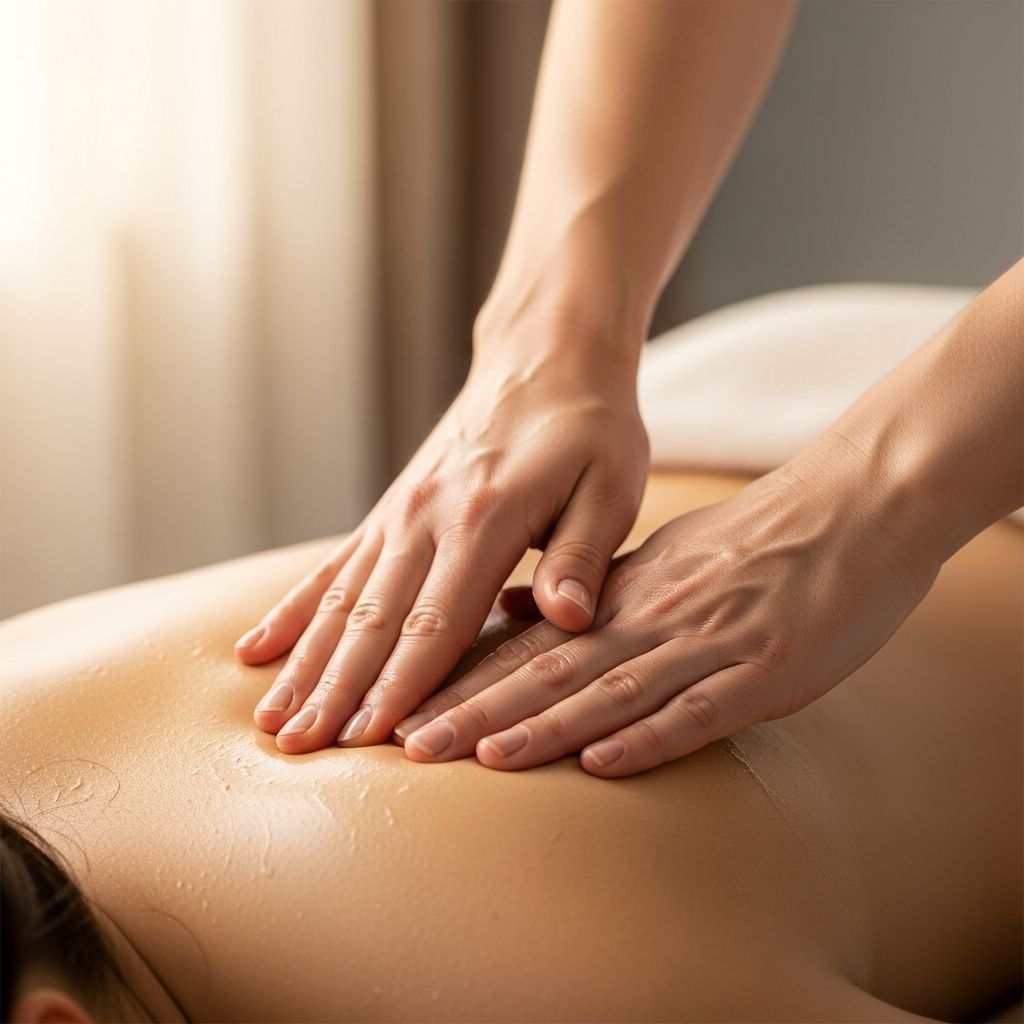
Swedish massage is the most common and well-known type of therapeutic massage, using long gliding strokes, kneading, and circular movements on the topmost layers of muscles to promote relaxation and improve circulation. Often called classic massage, it combines gentle pressure with smooth movements to ease tension, making it ideal for stress relief and overall wellness.
What Is Swedish Massage?
Swedish massage is a gentle, full-body treatment performed on a padded table with the client undressed under a sheet or towel for privacy and warmth. Therapists use massage oil or lotion to reduce friction, allowing hands, forearms, or elbows to glide smoothly over the skin. Sessions typically last 60 to 90 minutes, starting supine (face-up) and transitioning to prone (face-down), focusing on the back, neck, shoulders, arms, legs, and sometimes face and scalp.
Unlike deeper tissue massages, Swedish massage targets superficial muscles without intense pressure, emphasizing rhythm and flow to relax the nervous system. It’s customizable, with therapists adjusting pressure based on client feedback, making it suitable for beginners or those seeking gentle therapy.
History of Swedish Massage
The origins of Swedish massage trace back to the early 19th century in Sweden, credited to Per Henrik Ling (1776–1839), a fencing master, gymnast, and physiologist known as the “father of Swedish massage”. Ling developed the “Swedish Movement System” or “Medical Gymnastics” after injuring his elbow and discovering relief through self-applied tapping and strokes on a wooden table. His system integrated gymnastics, exercises, and manual manipulation to improve circulation, flexibility, and health, treating athletes, dancers, and injuries.
Ling’s Royal Central Institute of Gymnastics in Stockholm formalized these techniques in the 1830s, expanding to include physiotherapy, hydrotherapy, and electrotherapy by the early 1900s. Dutch physician Johan Georg Mezger refined Ling’s methods in the mid-1800s, organizing them into structured strokes and introducing French terms like effleurage and petrissage, which popularized the practice in Europe and the U.S.. Doctors Charles and Taylor brought it to America in the 1850s, where it gained traction in medical rehabilitation by the early 20th century.
By the 1890s, Swedish massage was a staple in sanitariums for pain relief and circulation, evolving into modern spa and clinical settings while retaining core principles of gentle, therapeutic touch.
Swedish Massage Techniques
Swedish massage employs five primary techniques, each serving unique purposes to relax muscles, boost circulation, and release tension. Therapists blend them fluidly throughout a session:
- Effleurage: Long, gliding strokes with flat hands or palms, used at the start and end to warm tissues, spread oil, and assess muscle condition. Promotes lymphatic drainage and relaxation.
- Petrissage: Kneading, squeezing, and lifting motions like dough-working, targeting deeper muscle layers to break up knots and improve flexibility.
- Friction: Deep, circular rubbing with thumbs or fingertips to loosen adhesions and scar tissue, often on specific sore spots.
- Tapotement (Percussion): Rhythmic tapping, hacking, or cupping with sides of hands or fingertips, stimulating nerves and invigorating tissues without discomfort.
- Vibration: Rapid shaking or rocking to loosen tight areas and enhance circulation, typically brief.
Related Stories



These strokes follow the muscle fiber direction, from distal (away from heart) to proximal (toward heart), ensuring safe, effective flow.
Benefits of Swedish Massage
Swedish massage offers physical and mental benefits backed by research, promoting health without medication. Key advantages include:
- Improved Circulation: Gliding strokes enhance blood and lymphatic flow, delivering oxygen/nutrients and removing waste/toxins for faster healing.
- Stress and Anxiety Reduction: Rhythmic movements lower cortisol, calm the nervous system, and foster relaxation; 29% seek it for stress relief per AMTA.
- Pain Management: 43% use it for pain and health per AMTA; eases muscle soreness, tension headaches, and chronic issues.
- Enhanced Flexibility and Range of Motion: Kneading reduces adhesions, improving mobility.
- Better Sleep and Mental Clarity: Promotes deeper rest and mindfulness.
- Immune Support and Detox: Boosts lymphatic drainage, aiding detoxification.
Barreto and Batista’s research highlights its disease prevention across physical/mental profiles.
Who Should Get a Swedish Massage?
Ideal for stress, mild muscle tension, poor circulation, or introductory massage seekers. Beginners appreciate its gentleness; athletes use it for recovery; office workers benefit from tension relief.
Not recommended if: You have acute injuries, deep vein thrombosis, fractures, severe osteoporosis, fever, inflammation, open wounds, contagious skin conditions, recent surgery, or pregnancy (consult doctor). Always disclose medical history.
How to Prepare for a Swedish Massage
Before: Hydrate, avoid heavy meals/alcohol/caffeine; wear loose clothing; arrive early to discuss needs/preferences.
During: Breathe deeply, relax; communicate discomfort; undress to comfort level.
After: Rest, hydrate (2-3 glasses water), avoid strenuous activity; note effects for future sessions. Mild soreness may occur; contact therapist if persistent.
Frequently Asked Questions (FAQs)
What is the difference between Swedish massage and deep tissue massage?
Swedish uses light-to-medium pressure on superficial muscles for relaxation; deep tissue applies firm pressure to deeper layers for chronic issues.
How often should you get a Swedish massage?
Weekly for stress; bi-weekly/monthly for maintenance, based on needs.
Does Swedish massage help with cellulite?
It improves circulation/skin tone but doesn’t eliminate cellulite; combine with exercise/diet.
Can Swedish massage help with digestion?
Abdominal strokes may stimulate digestion, reducing bloating.
Is Swedish massage safe during pregnancy?
With prenatal adjustments and doctor approval, yes; avoid first trimester.
Swedish Massage vs. Other Massages
| Massage Type | Pressure | Focus | Best For |
|---|---|---|---|
| Swedish | Gentle-Medium | Relaxation, Circulation | Stress, Beginners |
| Deep Tissue | Firm-Deep | Muscle Knots, Chronic Pain | Injuries |
| Hot Stone | Medium w/Heat | Muscle Melt, Circulation | Tension |
| Shiatsu | Acupressure | Energy Balance | Fatigue |
This table highlights Swedish’s gentle profile.
References
- History, Benefits & Techniques of Swedish / Holistic Massage — Origins Therapy. Accessed 2026. https://originstherapy.co.uk/history-benefits-techniques-swedish-holistic-massage/
- The Evolution of Swedish Massage: From Per Henrik Ling to Modern Practices — World Championship Massage. Accessed 2026. https://worldchampionship-massage.com/the-evolution-of-swedish-massage-from-per-henrik-ling-to-modern-day-practices/
- History of Swedish Massage — NeuRelease Massage. Accessed 2026. https://neureleasemassage.com/massage/history-of-swedish-massage/
- What’s a Swedish Massage and Why Should Every Therapist Offer It? — Massage Magazine. 2002. https://www.massagemag.com/magazine-2002-issue100-history100-24026/
- Swedish Massage History and Practice — North Carolina Massage School. 2019-02. https://www.ncmassageschool.com/2019/02/history-swedish-massage/
- Swedish Massage: Exploring Its Origins and Timeless Benefits — Neoni. Accessed 2026. https://www.neoni.co.nz/blog/swedish-massage-exploring-its-origins-and-timeless-benefits
- The Soothing Art of Swedish Massage: History, Benefits — Decompress Massage Therapy. Accessed 2026. https://decompressmassagetherapy.com/blog/benefits-of-swedish-massage
Similar Articles








Read full bio of medha deb