Sweet Potato Recipes to Help Reduce Inflammation
Discover anti-inflammatory sweet potato recipes that support wellness and promote healing naturally.
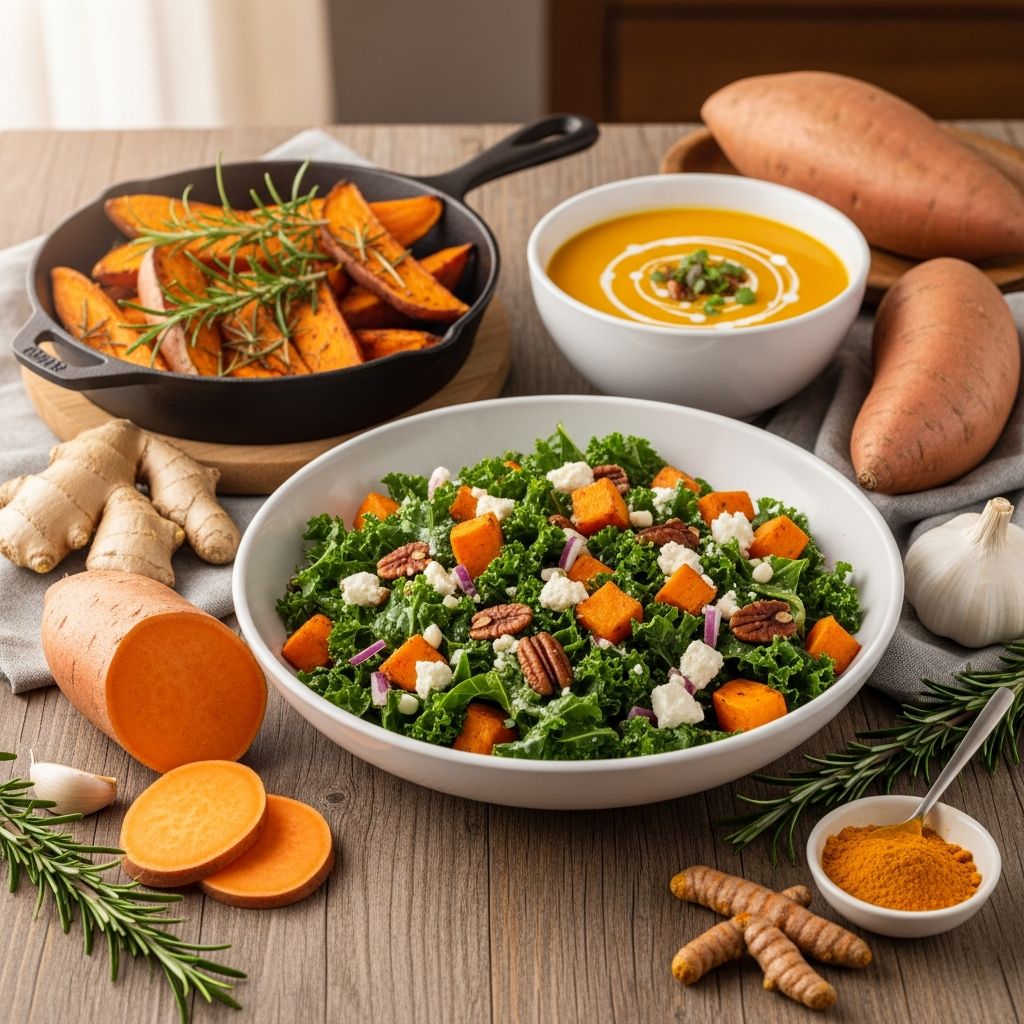
Chronic inflammation has become a significant health concern for many individuals, contributing to various diseases and health conditions. While inflammation is a natural immune response that helps protect the body from injury and infection, persistent inflammation can lead to serious health complications. One of the most effective ways to combat chronic inflammation is through dietary choices, and sweet potatoes emerge as a nutritional powerhouse in this regard. These versatile root vegetables contain an impressive array of compounds that actively work to reduce inflammation in the body, making them an excellent addition to any anti-inflammatory diet plan.
The Anti-Inflammatory Power of Sweet Potatoes
Sweet potatoes are far more than just a delicious comfort food. They represent a significant source of bioactive compounds that scientific research has linked to reduced inflammation markers in the body. Rich in beta-carotene, vitamins, minerals, and polyphenols, sweet potatoes provide multiple mechanisms through which they combat inflammatory processes. The vibrant orange color that characterizes many sweet potato varieties indicates the presence of carotenoids, particularly beta-carotene, which converts to vitamin A in the body and plays a crucial role in immune function and inflammation regulation.
Additionally, sweet potatoes contain choline, an essential nutrient that supports anti-inflammatory responses in the body. These vegetables also provide manganese, potassium, and B vitamins, all of which contribute to overall metabolic health and the body’s ability to manage inflammatory responses effectively. The polyphenol content in sweet potatoes, particularly when the skin is consumed, adds another layer of anti-inflammatory benefits through powerful antioxidant activity.
Key Nutrients in Sweet Potatoes
Understanding the nutritional composition of sweet potatoes helps explain why they are so effective at reducing inflammation:
- Beta-carotene: A precursor to vitamin A, this compound supports immune function and helps regulate inflammatory responses throughout the body.
- Vitamin C: An antioxidant that protects cells from oxidative stress and supports immune system function.
- Potassium: Essential for heart health and helps regulate blood pressure, which is often elevated during inflammatory states.
- Manganese: Supports bone health and plays a role in managing inflammatory markers.
- Polyphenols: Plant compounds with powerful antioxidant and anti-inflammatory properties.
- Choline: An essential nutrient that supports brain health and helps reduce inflammation throughout the body.
- Fiber: Promotes digestive health and supports beneficial gut bacteria that help regulate immune responses.
Easy Roasted Sweet Potato with Turmeric and Ginger
This simple yet powerful recipe combines sweet potatoes with two well-known anti-inflammatory spices: turmeric and ginger. Roasting enhances the natural sweetness of the potatoes while the spices amplify the anti-inflammatory benefits. To prepare this dish, begin by preheating your oven to 400 degrees Fahrenheit. Cube one pound of sweet potatoes into bite-sized pieces, and toss them with two tablespoons of olive oil, one teaspoon of ground turmeric, one-half teaspoon of ground ginger, one-half teaspoon of salt, and one-quarter teaspoon of black pepper. Spread the mixture on a baking sheet and roast for 25 to 30 minutes, stirring halfway through, until the potatoes are tender and caramelized. This dish serves four people and makes an excellent side dish or standalone meal.
Related Stories



The combination of olive oil with turmeric and ginger creates a synergistic effect that enhances the absorption of curcumin, the active compound in turmeric responsible for much of its anti-inflammatory activity. This recipe is naturally vegan, gluten-free, and can be prepared in less than 45 minutes from start to finish.
Creamy Sweet Potato and Black Bean Soup
This hearty soup combines the anti-inflammatory benefits of sweet potatoes with the protein and fiber content of black beans, creating a complete meal that supports both satiety and wellness goals. Start by heating two tablespoons of olive oil in a large pot over medium heat. Add one diced onion, three minced garlic cloves, and sauté for five minutes until fragrant. Add four medium sweet potatoes that have been peeled and diced, along with one can of black beans (drained and rinsed), four cups of vegetable broth, one teaspoon of cumin, and one-half teaspoon of chili powder. Bring the mixture to a boil, then reduce heat and simmer for 20 minutes until the sweet potatoes are very tender. Use an immersion blender to puree the soup until it reaches your desired consistency, then stir in one cup of coconut milk or plain Greek yogurt for creaminess.
This recipe serves six people and provides approximately 250 calories per serving, along with substantial amounts of fiber and plant-based protein. The combination of beans and sweet potatoes creates a complete amino acid profile, making this soup particularly beneficial for vegetarians and vegans seeking anti-inflammatory meal options.
Sweet Potato and Quinoa Buddha Bowl
Buddha bowls represent a modern approach to nutritional eating, combining multiple anti-inflammatory ingredients in one visually appealing and delicious dish. Begin by roasting one pound of cubed sweet potatoes with olive oil, salt, and pepper at 400 degrees Fahrenheit for 25 minutes. While the potatoes roast, prepare one cup of cooked quinoa according to package directions. Arrange the cooked quinoa as the base of your bowl, then add the roasted sweet potatoes, one cup of steamed broccoli, one-quarter cup of shredded purple cabbage, one-quarter cup of raw almonds, and one-quarter cup of pomegranate seeds. Drizzle the entire bowl with a tahini dressing made by whisking together three tablespoons of tahini, two tablespoons of lemon juice, one minced garlic clove, and water to reach desired consistency.
This bowl serves four people and combines multiple anti-inflammatory ingredients: sweet potatoes provide beta-carotene and choline, quinoa offers complete proteins and magnesium, broccoli supplies sulforaphane and vitamin K, and pomegranate seeds add polyphenols. The tahini dressing provides sesame’s anti-inflammatory benefits and healthy fats that enhance the absorption of fat-soluble vitamins.
Spiced Sweet Potato Smoothie
For those seeking anti-inflammatory benefits in a beverage format, this smoothie provides convenience without sacrificing nutrition. Blend one medium roasted sweet potato, one cup of unsweetened almond milk, one-half frozen banana, one-half teaspoon of cinnamon, one-quarter teaspoon of turmeric, one tablespoon of almond butter, and a handful of ice until smooth. For added protein, consider incorporating one-half cup of plain Greek yogurt or a plant-based protein powder. This single-serving smoothie can be prepared in just five minutes and serves as an excellent breakfast or post-workout recovery drink.
The combination of sweet potato with warming spices like cinnamon and turmeric creates a beverage that tastes like an indulgence while delivering substantial anti-inflammatory benefits. The natural sweetness of the sweet potato and banana eliminates the need for added sugars.
Sweet Potato and Vegetable Stir-Fry
This quick weeknight dinner combines sweet potatoes with additional vegetables and a ginger-garlic sauce to create a complete meal that serves four people. Begin by cutting one pound of sweet potatoes into thin, uniform slices. Heat two tablespoons of sesame oil in a large wok or skillet over high heat, then add three minced garlic cloves and one tablespoon of minced fresh ginger. After 30 seconds, add the sweet potato slices and stir-fry for five minutes. Add one cup of broccoli florets, one bell pepper (sliced), and one cup of snap peas, continuing to stir-fry for an additional five minutes. Create a sauce by mixing three tablespoons of low-sodium soy sauce, one tablespoon of rice vinegar, one teaspoon of sesame oil, and one-half teaspoon of red pepper flakes. Pour this sauce over the vegetables and toss to coat, cooking for an additional two minutes until the sauce reduces slightly.
Serve this stir-fry over brown rice or quinoa for a complete meal. The quick cooking method preserves nutrients while the combination of fresh ginger, garlic, and sesame oil provides multiple anti-inflammatory compounds in each bite.
Baked Sweet Potato Fries with Herbs
These homemade sweet potato fries provide a healthier alternative to traditional fried potatoes while delivering anti-inflammatory benefits. Slice two large sweet potatoes into uniform fries approximately one-quarter inch thick. Toss with two tablespoons of olive oil, one teaspoon of dried rosemary, one-half teaspoon of garlic powder, one-half teaspoon of paprika, and salt and pepper to taste. Spread on a baking sheet in a single layer and bake at 425 degrees Fahrenheit for 25 to 30 minutes, stirring halfway through, until golden and crispy on the outside while remaining tender inside. These fries serve four people as a side dish and contain significantly fewer calories and less fat than their deep-fried counterparts.
Sweet Potato and Lentil Curry
This warming curry combines two protein-rich ingredients with aromatic spices for a meal that satisfies both hunger and health goals. Heat two tablespoons of coconut oil in a large pot and sauté one diced onion until softened. Add three minced garlic cloves, one tablespoon of fresh ginger, and two teaspoons of curry powder, cooking for one minute until fragrant. Add two cups of diced sweet potatoes, one cup of dried lentils (rinsed), one can of coconut milk, and two cups of vegetable broth. Bring to a boil, then reduce heat and simmer for 25 to 30 minutes until both the sweet potatoes and lentils are tender. Season to taste with salt and pepper, and serve over quinoa or brown rice.
This dish serves six people and provides substantial amounts of plant-based protein, fiber, and anti-inflammatory compounds from both the sweet potatoes and the warming spices used throughout the recipe.
Nutritional Benefits Summary
The consistent inclusion of sweet potatoes in your diet provides cumulative anti-inflammatory benefits that may help reduce chronic disease risk. Regular consumption of sweet potatoes has been associated with improved blood sugar control, enhanced immune function, and reduced markers of systemic inflammation. The fiber content supports beneficial gut bacteria that play crucial roles in immune regulation, while the nutrient density ensures that your body has the resources it needs to mount appropriate inflammatory responses and resolve inflammation effectively.
Frequently Asked Questions
Q: Are sweet potatoes suitable for people with diabetes?
A: Yes, sweet potatoes can be part of a diabetes-friendly diet when consumed in appropriate portions and paired with protein and healthy fats. Their relatively low glycemic index and high fiber content help moderate blood sugar impact. However, portion control remains important, and individuals should monitor their individual responses.
Q: How should sweet potatoes be stored to maintain their nutritional value?
A: Store sweet potatoes in a cool, dark place with good ventilation. They should not be refrigerated unless already cooked, as cold temperatures can negatively affect their texture and flavor. Properly stored sweet potatoes can last several weeks.
Q: Can the skin of sweet potatoes be eaten?
A: Yes, the skin is edible and contains significant amounts of fiber and polyphenols. Thoroughly wash sweet potatoes before consuming the skin, and consider purchasing organic varieties when possible to minimize pesticide exposure.
Q: What is the best cooking method to preserve nutrients?
A: Steaming and baking preserve more nutrients than boiling, which can leach water-soluble vitamins into cooking water. Roasting at moderate temperatures also preserves nutritional content while enhancing flavor through caramelization.
Q: How often should sweet potatoes be consumed for anti-inflammatory benefits?
A: Including sweet potatoes in your diet two to three times per week provides consistent anti-inflammatory benefits. However, daily consumption is also beneficial as part of a diverse, plant-forward diet.
References
- Polyphenol-Rich Extracts from Sweet Potato Ameliorate Intestinal Inflammation in a Mouse Model of DSS-Induced Colitis — Journal of Nutritional Biochemistry. 2019. https://doi.org/10.1016/j.jnutbio.2018.11.009
- Nutritional Composition and Antioxidant Properties of Sweet Potato (Ipomoea batatas L.) — International Journal of Food Sciences and Nutrition. 2018. https://doi.org/10.1080/09637486.2017.1321033
- Beta-Carotene: Absorption, Metabolism, and Protective Role in Chronic Disease Prevention — Nutrients. 2021. https://doi.org/10.3390/nu10040379
- Curcumin and Inflammation: From In Vitro to In Vivo — Journal of Clinical Immunology. 2020. https://doi.org/10.1007/s10875-019-00695-4
- Dietary Polyphenols and Their Role in the Prevention of Chronic Inflammation — Advances in Nutrition. 2022. https://doi.org/10.1093/advances/nmab016
- Choline: Essential for Brain Development and Function — U.S. National Institutes of Health, Office of Dietary Supplements. 2023. https://ods.od.nih.gov/factsheets/Choline-HealthProfessional/
Similar Articles








Read full bio of medha deb