Swimming with Contacts: Dangers and Safe Alternatives
Discover why wearing contact lenses in water is risky and learn expert-recommended ways to protect your vision during swims.
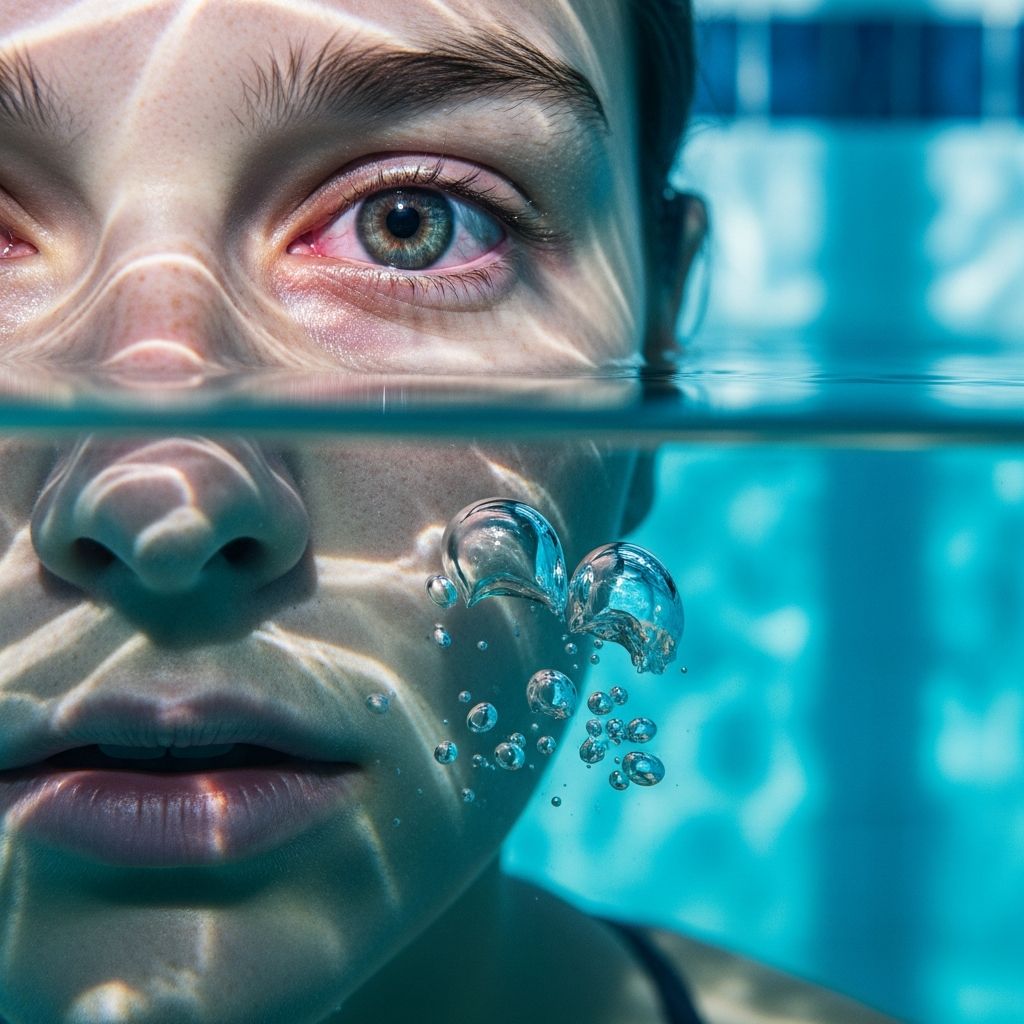
Exposing contact lenses to water during swimming dramatically heightens the chance of severe eye complications, making it a practice eye care professionals universally advise against. Instead, opt for prescription swim goggles or glasses to maintain sharp vision without compromising ocular health.
The Hidden Perils of Water Exposure for Contact Lens Wearers
Water from pools, oceans, lakes, or hot tubs harbors microscopic threats that contact lenses can trap directly against the cornea, the eye’s clear front surface. Soft lenses, being highly absorbent, soak up water along with contaminants, creating an ideal environment for pathogens to proliferate.
Primary dangers include bacterial adhesion, chemical irritation from disinfectants, and lens displacement. Even treated pool water fails to neutralize all microbes, as chlorine levels fluctuate and cannot eradicate resilient organisms like parasites.
Common Eye Conditions Linked to Swimming in Contacts
Several vision-threatening issues arise from this risky habit. Here’s a breakdown:
- Acanthamoeba Keratitis: A rare but devastating parasitic infection causing intense pain, blurred vision, light sensitivity, and potential permanent scarring. Contact lens users account for about 90% of cases due to pathogen attachment to lenses.
- Corneal Ulcers: Open sores on the cornea from bacterial or fungal invasion, leading to pain, discharge, and vision impairment if untreated.
- Uveitis and Inflammation: Swelling inside the eye triggered by irritants, resulting in redness, discomfort, and temporary sight loss.
- Corneal Abrasions: Scratches from dislodged or stuck lenses, increasing infection vulnerability.
- Dry Eye Syndrome and Irritation: Chlorine or saltwater dries lenses, disrupting tear films and causing grittiness, redness, and prolonged discomfort.
| Risk Factor | Source of Water | Primary Pathogen/Cause | Potential Outcome |
|---|---|---|---|
| Acanthamoeba Keratitis | Lakes/Oceans/Pools | Acanthamoeba parasite | Vision loss, months of treatment |
| Corneal Ulcers | All water types | Bacteria/Fungi | Painful sores, scarring |
| Dryness/Irritation | Chlorinated Pools/Saltwater | Chemicals/Salts | Redness, discomfort |
| Lens Loss/Abrasion | Any turbulent water | Physical dislodgement | Scratches, lost lenses |
Why Pools Aren’t Safer Than Natural Waters
Many assume chlorinated pools offer protection, but this is misleading. Chlorine kills some bacteria yet spares parasites like Acanthamoeba and certain viruses. Pool chemistry varies with bather load and maintenance, allowing contaminants to persist. Natural waters pose even greater threats due to untreated bacteria, algae, and animal waste.
Hot tubs amplify risks with warmer temperatures fostering rapid microbe growth, even with sanitizers.
Expert Guidelines: What Authorities Recommend
Leading organizations like the FDA and British Contact Lens Association (BCLA) issue clear directives:
- Remove contacts before any water exposure, including showers, baths, sprinklers, or hot tubs.
- Use tight-fitting goggles if swimming with daily disposables, but discard lenses post-swim.
- Consult an eye care provider for prescription swim aids.
The FDA advises against wearing contacts during swimming, showering, or hot tub use to prevent infection from waterborne germs.
Practical Solutions for Clear Vision in the Water
Forget risking your sight—embrace these vetted alternatives:
- Prescription Swimming Goggles: Custom-fitted with your lens power for underwater clarity without direct water contact.
- Daily Disposable Lenses with Goggles: Wear under sealed goggles; throw away afterward to eliminate contamination.
- Backup Glasses: Keep prescription eyewear handy for poolside or post-swim use.
- Rigid Gas Permeable (RGP) Lenses: Less water-absorbent; still, pair with goggles and remove promptly.
Related Stories



Always carry a lens case and solution for emergencies. If water contacts lenses accidentally, remove, clean overnight in fresh solution, or discard.
Post-Swim Care to Minimize Damage
Even without contacts, water irritates eyes. Rinse with preservative-free saline, avoid rubbing, and use lubricating drops. Schedule regular eye exams to monitor for subtle damage.
Frequently Asked Questions (FAQs)
Can I wear contacts in a well-maintained pool?
No. Even sanitized water carries risks; chemicals irritate, and pathogens persist.
What if water splashes into my eyes with contacts?
Remove lenses immediately, clean thoroughly, or discard. Seek professional care if symptoms appear.
Are there contacts safe for swimming?
No type is fully safe. Goggles over daily disposables are the closest compromise.
How common is Acanthamoeba from swimming?
Rare overall, but contact wearers face 90% of cases due to lens-mediated exposure.
Should I swim with contacts in the ocean?
Absolutely not—untreated seawater teems with harmful organisms.
Long-Term Strategies for Aquatic Enthusiasts
Regular swimmers should discuss options with optometrists, such as extended-wear lenses for goggle use or transitioning to glasses for water sports. Prioritize hygiene: never top off solution, replace cases monthly, and wash hands before handling lenses.
For triathletes or divers, invest in sport-specific prescription masks. These innovations ensure performance without peril.
References
- Swimming in Contact Lenses — Optometrists.org. 2023. https://www.optometrists.org/general-practice-optometry/optical/guide-to-contact-lenses/swimming-in-contact-lenses/
- Can You Swim with Contacts In? — Warby Parker. 2024. https://www.warbyparker.com/learn/can-you-swim-with-contacts
- Guide for Contact Lens Wearers: Swimming Safely — FDA (referenced via multiple eye care sites). 2022. https://www.fda.gov/medical-devices/contact-lenses/contact-lenses-water-parasites-and-risk-serious-eye-infections
- BCLA Advice on Contact Lenses and Water Sports — British Contact Lens Association (via Prescription Swimming Goggles). 2023. https://www.prescription-swimming-goggles.co.uk/blogs/news/is-it-safe-to-swim-in-contact-lenses
- Eye Infections from Water Exposure — Centers for Disease Control (CDC, referenced in eye care resources). 2024. https://www.cdc.gov/parasites/acanthamoeba/index.html
Similar Articles








Read full bio of Sneha Tete