Swimming With Eczema: Safe Strategies For Sensitive Skin
Discover practical ways to enjoy swimming without triggering eczema flares through preparation, protection, and recovery techniques.
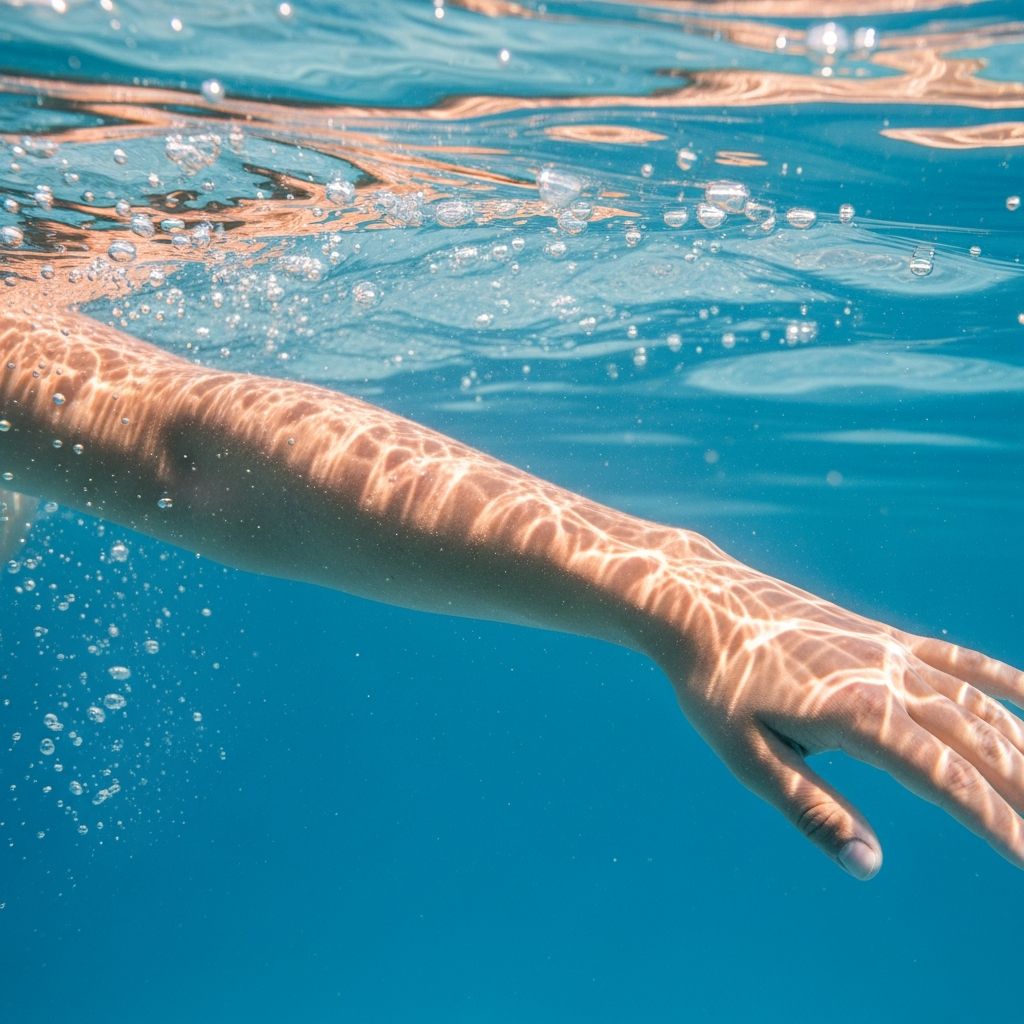
Swimming offers excellent exercise benefits, but for those with eczema, pool chemicals like chlorine pose challenges to sensitive skin. Proper planning allows enjoyment without worsening symptoms.
Understanding Eczema and Water Exposure Risks
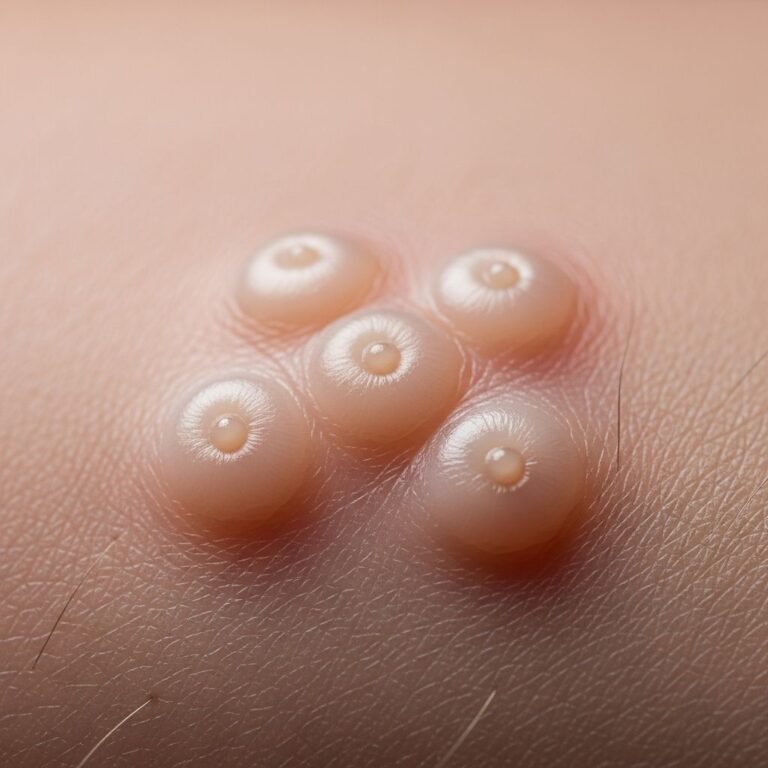
Eczema, or atopic dermatitis, involves chronic skin inflammation and a compromised barrier function, making it vulnerable to irritants. Chlorinated pool water can strip natural oils, leading to dryness, itching, and flares. A 2021 study notes higher eczema prevalence among frequent swimmers and lifeguards due to prolonged exposure altering skin barrier integrity. Hard water additives like calcium chloride may further damage the skin by increasing dryness.
Despite risks, swimming provides cardiorespiratory fitness and weight management advantages for eczema patients, with limited impact on bone density. Balancing these requires targeted prevention.
Pre-Swim Preparation Essentials
Protecting skin starts before entering the water. Apply thick emollients or ointments like petrolatum-based products 15-30 minutes prior to form a barrier against chlorine penetration. Organizations such as the National Eczema Society recommend liberal application of ointments indoors and combining with mineral-based sunscreens outdoors.
- Barrier Creams: Opt for formulations with dimethicone or zinc oxide to shield skin.
- Pre-Rinse: Shower with fresh water to saturate skin, reducing chlorine absorption.
- Hydration: Drink water before swimming to counteract moisture loss from sweat and high pH water.
For outdoor sessions, layer ointment first, then titanium dioxide or zinc oxide sunscreen 30 minutes before exposure, as UV rays exacerbate flares.
Choosing Protective Swim Gear
Specialized clothing minimizes direct contact with irritants. UV-protective rash guards, swim shirts, and full-coverage suits cover vulnerable areas like elbows and knees. These also aid those self-conscious about visible patches.
| Gear Type | Benefits | Material Tips |
|---|---|---|
| Rash Guards | UV block, full arm coverage | Lycra or polyester blends |
| Swim Leggings | Leg protection from friction | Seamless, tagless designs |
| Goggles & Caps | Face and scalp shield | Silicone over latex/rubber |
Post-swim, change immediately as chlorine lingers in fabrics, prompting irritation. Rinse gear thoroughly to remove residues.
During-Swim Best Practices
Limit sessions to 30-60 minutes, taking rinse breaks to reapply protection. Avoid freshly shocked pools with high chlorine spikes. Head-above-water strokes reduce facial exposure, and nose clips safeguard mucous membranes. Opt for gentler alternatives like saltwater or ozone-purified pools when available, as they require less chlorine.
Immediate Post-Swim Recovery Routine
Rinse with lukewarm fresh water for at least 30 seconds to dilute chemicals, avoiding soap which worsens dryness. Pat dry gently—no rubbing—then apply fragrance-free moisturizer within three minutes to lock in hydration. For severe cases, follow with prescribed topical corticosteroids.
- Exit pool promptly.
- Rinse thoroughly.
- Pat dry with clean towel.
- Moisturize liberally.
- Rehydrate orally.
Wash swimsuits at home with mild detergent to eliminate chlorine and calcium buildup.
Pool Types and Their Impact on Eczema
Different sanitization methods affect skin differently:
- Chlorinated Pools: Common but drying; dilute bleach effect may soothe some by reducing bacteria.
- Saltwater Pools: Gentler, though salt stings open skin.
- Ozone/UV Pools: Minimal chemicals, ideal for sensitive skin.
Related Stories



Consult dermatologists for personalized advice on chlorine tolerance. Delay swimming during active flares or infections.
Lifestyle Adjustments for Frequent Swimmers
Regular swimmers benefit from daily routines: antioxidant serums mornings, anti-inflammatory diets, and stress reduction to bolster barrier function. Quality sleep aids repair. Track flares via journals to identify triggers.
For beach outings, select breathable swimwear and reapply mineral sunscreen post each dip, as UV penetrates water.
Managing Emotional Aspects
Eczema visibility in swimsuits can cause anxiety. Protective clothing helps, and therapy for chronic skin conditions addresses body image.
Frequently Asked Questions (FAQs)
Can swimming improve eczema symptoms?
Some experience relief from chlorine’s antibacterial properties, akin to bleach baths, but evidence is mixed—monitor personally.
Is ocean swimming better than pools for eczema?
Saltwater may irritate cracks but hydrates overall; pre-apply emollients and rinse after.
What if I flare after swimming?
Cool compresses, thick ointments, and doctor-prescribed steroids speed recovery.
Are there kid-friendly tips?
Fun rash guards, short dips, and immediate play-showers keep it enjoyable.
How often should I moisturize?
Multiple times daily, especially post-swim, for barrier maintenance.
Long-Term Skin Health for Aquatic Enthusiasts
Consistent protocols enable sustained participation. Research gaps persist on optimal emollients and flare biomarkers, but current guidelines from bodies like the Eczema Foundation emphasize pre/post care. Collaborate with healthcare providers for tailored plans, ensuring swimming enhances wellness without compromise.
References
- Chlorine and Eczema: What to Know About Flares — Healthline. 2023. https://www.healthline.com/health/eczema/swimming-and-eczema-preventing-flares
- Pooling the evidence: A review of swimming and atopic dermatitis — PMC (NCBI). 2024-03-15. https://pmc.ncbi.nlm.nih.gov/articles/PMC10946598/
- Chlorine Damage to Skin: Prevention & Treatment — Advanced Dermatology. 2024. https://advanceddermchi.com/blogs/chlorine-damage-to-skin
- Swimming and atopic eczema — Pierre Fabre Eczema Foundation. 2023. https://www.pierrefabreeczemafoundation.org/en/support/useful-advice/swimming-and-atopic-dermatitis
Similar Articles








Read full bio of Sneha Tete