Swimsuit Reactions: Allergies and Irritations
Discover why your swimsuit might trigger skin woes and master prevention for worry-free water fun.
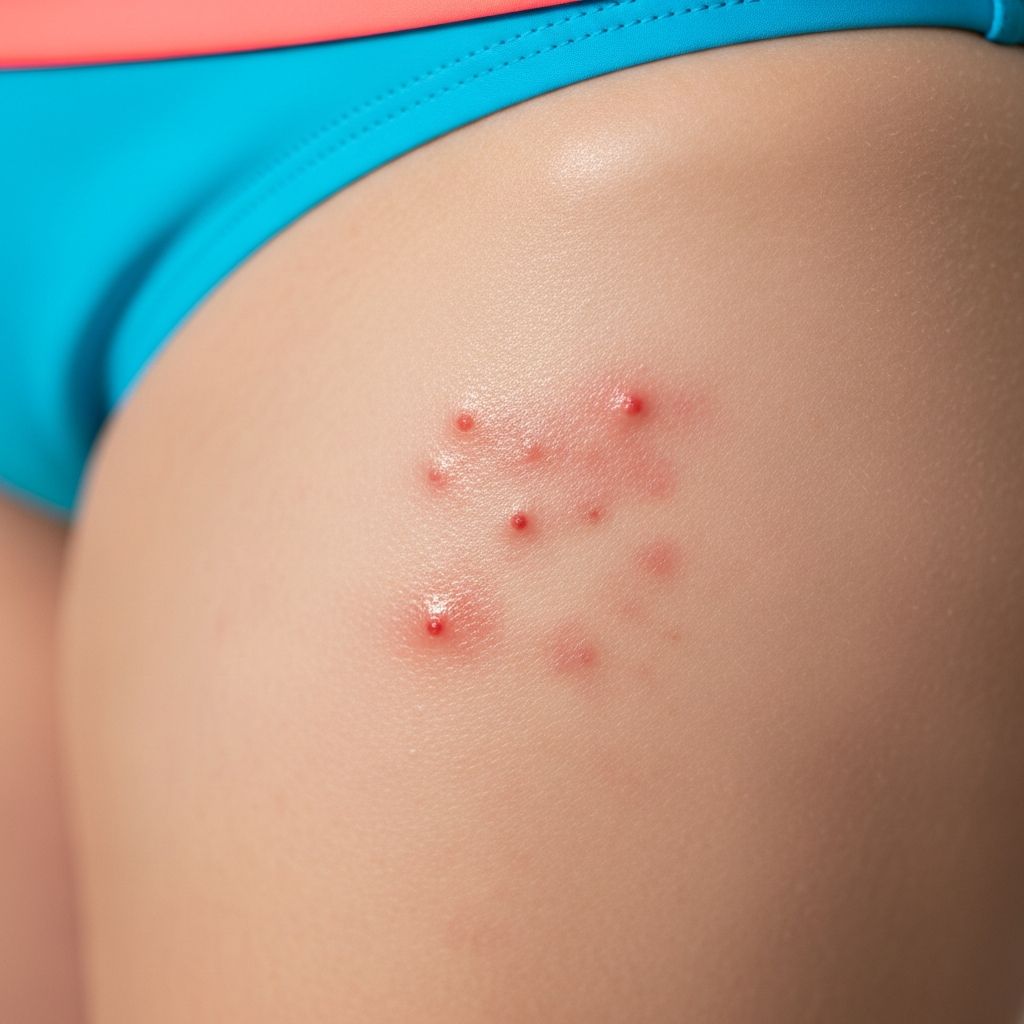
Many people experience uncomfortable skin issues after wearing swimsuits, often mistaking them for simple sunburns or water-related rashes. These reactions stem from direct contact with swimsuit materials, dyes, or chemicals, leading to redness, itching, and blisters that disrupt summer enjoyment. Understanding these triggers empowers better choices for skin-safe swimwear.
Common Culprits Behind Swimsuit Skin Problems
Skin reactions to swimsuits arise from multiple sources, primarily the composition of modern swimwear. Synthetic fabrics dominate the market due to their durability in water, but they harbor irritants that sensitive skin cannot tolerate.
- Synthetic Fibers: Materials like nylon, polyester, spandex, and elastane form the backbone of most swimsuits. These plastics-derived textiles can trap moisture against the skin, fostering irritation, especially for those with eczema or atopic dermatitis.
- Chemical Dyes and Finishes: Vibrant colors come from azo dyes and disperse dyes, which release allergens upon sweating or water exposure. Formaldehyde resins added for wrinkle resistance provoke contact dermatitis in susceptible individuals.
- Rubber Components: Elastic bands often contain rubber accelerators such as mercaptobenzothiazole or thiurams, notorious for triggering allergic responses in the genital area or waistlines.
- UV Protectants and Flame Retardants: Additives for sun protection or safety standards introduce further allergens, exacerbating reactions during prolonged wear.
These elements combine with chlorine from pools or saltwater, amplifying sensitivity. Unlike swimmer’s itch from parasites, swimsuit reactions are contact-based and preventable through material selection.
Recognizing Symptoms of Swimsuit-Induced Reactions
Symptoms typically emerge within hours of donning a swimsuit, peaking after several wears as allergens accumulate. Early detection prevents escalation.
| Symptom | Description | Common Locations |
|---|---|---|
| Redness and Itching | Mild to intense pruritus with erythematous patches | Waistband, seams, crotch |
| Hives or Welts | Raised urticarial lesions that blanch under pressure | Under elastic areas, full coverage zones |
| Blisters and Weeping | Vesicles that burst, leading to crusting | Folds of skin, prolonged contact spots |
| Swelling | Edema around reaction sites | Eyelids if goggles involved, groin |
Severe cases mimic eczema flares, with dry, scaly patches persisting post-exposure. Differentiate from pool chlorine rash, which affects all exposed skin evenly, or swimmer’s itch, characterized by clustered pimples post-lake swims.
Diagnosing the Source of Your Reaction
Self-diagnosis risks missing underlying issues. Consult a dermatologist for patch testing, where small allergen amounts are applied to the back for 48 hours, revealing sensitivities via reactions graded from 0 to 3+.
- Patch Testing Essentials: Identifies specific triggers like rubber chemicals or dyes, guiding future purchases.
- Elimination Trials: Switch to one-piece plain cotton swimwear for two weeks to isolate causes.
- Medical History Review: Notes prior reactions to clothing, jewelry, or cosmetics flag cross-reactivities.
Rule out concurrent issues like cercarial dermatitis, an allergic response to water parasites causing tingling then pimples, self-resolving in 1-2 weeks.
Immediate Relief Strategies for Itchy Skin
While awaiting professional advice, soothe symptoms with evidence-based home care. Avoid hot showers, which worsen inflammation.
- Cool Compresses: Apply damp cloths for 15 minutes several times daily to constrict vessels and numb itch.
- Oatmeal Baths: Colloidal oatmeal soothes via anti-inflammatory avenanthramides; soak 15-20 minutes.
- Hydrocortisone Cream: 1% OTC topical steroid reduces inflammation; limit to 7 days to prevent thinning.
- Antihistamines: Oral diphenhydramine eases systemic itch but causes drowsiness; non-sedating options like loratadine suit daytime.
- Moisturizers: Fragrance-free emollients like ceramide-based creams restore barrier post-reaction.
Related Stories



For secondary infections from scratching—marked by pus, warmth, or fever—seek antibiotics.
Selecting Skin-Friendly Swimwear Options
Opt for alternatives minimizing allergen exposure. Prioritize natural fibers over synthetics.
- Natural Fabrics: Cotton, hemp, bamboo, or merino wool blends wick moisture without trapping irritants. Look for GOTS-certified organic versions free of chemical finishes.
- Hypoallergenic Lines: Brands using UPF-rated nylon-free weaves or silver-infused threads for antimicrobial benefits.
- Minimalist Designs: Avoid elastics; choose drawstring waists or seamless styles reducing contact points.
- Color Choices: Stick to undyed, neutral tones evading disperse dye allergies.
Test new suits in fresh water first, rinsing thoroughly post-swim to remove residues.
Preventive Measures for Lasting Protection
Proactive steps extend beyond shopping.
- Pre-soak swimsuits in vinegar-water (1:4) to neutralize dyes.
- Apply barrier creams like zinc oxide pre-wear.
- Rinse body and suit immediately after swimming; wash suits inside-out with hypoallergenic detergent.
- Air-dry in shade to preserve fibers.
- Rotate multiple suits, allowing full drying between uses.
For pool-goers, neutralize chlorine with a post-swim rinse and moisturize promptly.
Special Considerations for Eczema and Sensitive Skin
Those with atopic dermatitis face heightened risks, as compromised barriers amplify penetration of irritants. Integrate swimsuit care into eczema management plans, emphasizing gentle fabrics and consistent hydration. Children, with thinner skin, require extra vigilance; opt for rash guards over two-pieces.
FAQs on Swimsuit Reactions
Can swimsuits cause lifelong allergies?
No, but repeated exposure sensitizes skin, worsening reactions over time. Avoidance halts progression.
How long do symptoms last?
Mild cases resolve in days; severe ones up to two weeks with treatment.
Are natural fiber swimsuits truly safer?
Yes, they lack synthetic allergens, though check for natural rubber laces.
What if reactions persist despite changes?
See a specialist for advanced testing; consider systemic therapies.
Do chlorine pools worsen swimsuit allergies?
Yes, chlorine strips oils, heightening fabric irritancy.
By addressing swimsuit reactions head-on, individuals reclaim aquatic activities without discomfort. Informed choices in materials and care routines ensure skin health aligns with leisure pursuits.
References
- Swimmer’s Itch (Cercarial Dermatitis) — Cleveland Clinic. 2023. https://my.clevelandclinic.org/health/diseases/21783-swimmers-itch-cercarial-dermatitis
- Swimmer’s Itch — Hawaii Department of Health. 2024. https://health.hawaii.gov/docd/disease_listing/swimmers-itch/
- Beach Allergies: Causes, Symptoms, Treatment, Prevention — Healthline. 2023. https://www.healthline.com/health/beach-allergies
- Swimmer’s Itch: Causes, Symptoms, and Treatment — GoodRx. 2024. https://www.goodrx.com/conditions/allergies/swimmers-itch
- About Swimmer’s Itch — Centers for Disease Control and Prevention (CDC). 2024. https://www.cdc.gov/swimmers-itch/about/index.html
- Chlorine Allergy — American College of Allergy, Asthma & Immunology (ACAAI). 2023. https://acaai.org/allergies/allergic-conditions/chlorine-allergy/
- Swimmer’s itch – Symptoms and causes — Mayo Clinic. 2024. https://www.mayoclinic.org/diseases-conditions/swimmers-itch/symptoms-causes/syc-20355043
Similar Articles








Read full bio of Sneha Tete