Swine Flu (H1N1): Symptoms, Treatment & Prevention
Complete guide to H1N1 swine flu: understand symptoms, transmission, treatment options, and prevention strategies.
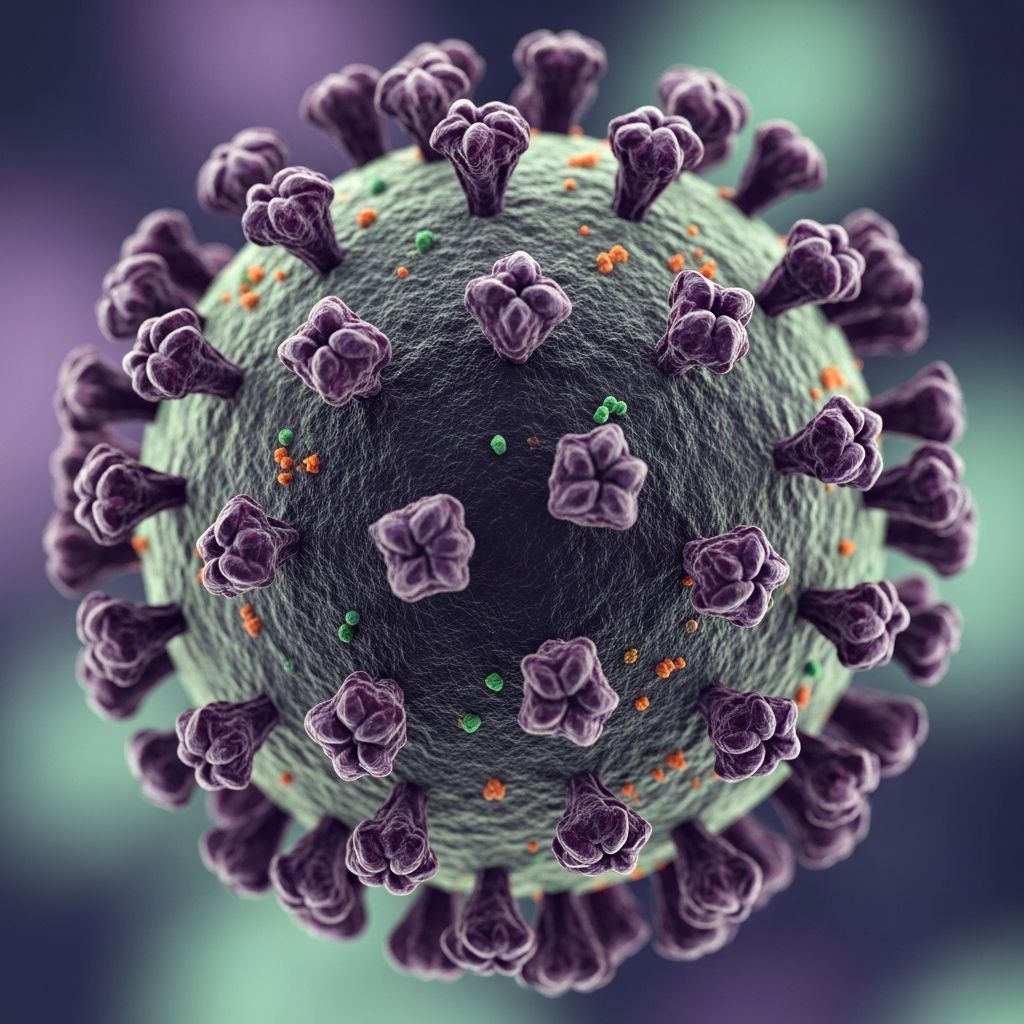
Understanding Swine Flu (H1N1)
Swine flu, medically known as H1N1, is a type of influenza A virus that emerged as a significant health concern during the 2009-2010 flu season. The virus represents a novel combination of influenza viruses that naturally infect pigs, birds, and humans. In 2009, the World Health Organization declared H1N1 to be a pandemic, with the virus causing an estimated 284,400 deaths worldwide that year. Although the WHO declared the pandemic over in August 2010, the H1N1 flu strain continues to circulate as part of seasonal flu patterns. Today, H1N1 remains one of the strains included in annual seasonal flu vaccines, making it an important consideration for public health initiatives.
What Is H1N1 Flu?
H1N1 is classified as an influenza A virus, which belongs to a larger family of respiratory pathogens that affect millions of people annually. Influenza A viruses are among the most common flu viruses and are responsible for regular seasonal outbreaks as well as global pandemics. The H1N1 strain emerged as a swine-origin virus, meaning it originally circulated in pig populations before adapting to infect humans. This adaptation made it particularly dangerous because it represented an entirely new virus to the human population, against which no one had built up immunity.
Symptoms of H1N1 Infection
H1N1 flu symptoms typically develop rapidly and closely resemble those caused by other influenza viruses. Most people experience the onset of symptoms within one to four days of exposure to the virus. Understanding these symptoms is crucial for early identification and appropriate medical intervention.
Common Symptoms in Adults and Older Children
The primary symptoms of H1N1 infection include:
- Fever (though not always present in all cases)
- Dry cough
- Sore throat
- Runny or stuffy nose
- Body aches and muscle soreness
- Headache
- Chills and sweats
- Tiredness and general weakness
- Watery or red eyes with accompanying eye pain
- Nausea, vomiting, or diarrhea (more common in children)
Most individuals experience these symptoms for several days to a week, with fever typically subsiding within three to four days. However, cough and fatigue may persist for a longer period.
Emergency Symptoms in Children
Parents and caregivers should seek immediate medical attention if children display any of these warning signs:
- Difficulty breathing or shortness of breath
- Pale, gray, or blue-colored skin, lips, or nail beds
- Chest pain or pressure
- Severe dehydration
- Severe muscle pain
- Seizures
- Worsening of existing medical conditions
How H1N1 Spreads
Understanding transmission is essential for preventing the spread of H1N1 flu. The influenza virus infects cells that line the nose, throat, and lungs. The infection spreads through airborne droplets released when someone with the virus coughs, sneezes, breathes, or talks. When you breathe in contaminated droplets, the virus enters your respiratory tract and begins to replicate. Additionally, the virus can enter your body if you touch a contaminated surface and then touch your eyes, nose, or mouth. For every person infected with H1N1, they typically spread the flu to one to two additional people, demonstrating the contagious nature of this virus.
Risk Factors and Vulnerable Populations
Certain groups face higher risks of developing severe H1N1 complications. Identifying these risk factors helps healthcare providers implement appropriate preventive measures and early interventions.
High-Risk Groups Include:
- Infants and young children: Children younger than age 2 have immature immune systems
- Older adults: Adults age 50 and older experience age-related immune decline
- Pregnant individuals: Pregnancy, particularly in the second and third trimesters, increases complication risk for up to two weeks postpartum
- People with weakened immune systems: Those undergoing cancer treatments, taking anti-rejection medications, using long-term steroids, organ transplant recipients, and those with HIV/AIDS
- Chronic illness sufferers: Individuals with asthma, other lung diseases, diabetes, heart disease, and nervous system diseases
- American Indians and Alaska Natives: These populations have documented higher risk of influenza complications
- Individuals with obesity: People with a BMI of 40 or higher face increased complication risk
- Children on long-term aspirin therapy: Those under age 19 risk developing Reye syndrome
Related Stories



Complications of H1N1
While most people recover from H1N1 without complications, some individuals experience serious secondary health problems. Potential complications include:
- Pneumonia (bacterial or viral)
- Bronchitis
- Worsening of chronic conditions such as heart disease and asthma
- Respiratory failure requiring mechanical ventilation
- Neurological symptoms ranging from confusion to seizures
- Bacterial infections secondary to the viral infection
- Muscle inflammation and tenderness
Severe complications can result in hospitalization or death, particularly in high-risk populations.
Diagnosis of H1N1
Healthcare providers diagnose H1N1 through a combination of clinical evaluation and laboratory testing. During an examination, your provider will listen to your symptoms and perform a diagnostic test. The standard diagnostic method involves inserting a long stick with a soft tip (nasopharyngeal swab) into your nose to collect a mucus sample. This sample is then tested for the presence of influenza virus. Some providers can provide rapid results within minutes, while others send samples to laboratories for more definitive testing, with results typically available within one to two days. Early diagnosis enables timely treatment initiation and appropriate preventive measures for close contacts.
Treatment Options
Most people with H1N1 recover on their own within a week without specific medical intervention. However, treatment focuses on managing symptoms and preventing complications. Supportive care measures include staying hydrated, getting adequate rest, and using over-the-counter pain relievers and fever reducers. Antiviral medications may be prescribed for severe cases or high-risk individuals, particularly when started early in the infection course. These antivirals can reduce symptom duration and decrease the risk of complications. Individuals should avoid aspirin in children due to the risk of Reye syndrome and consult healthcare providers before using any medications.
Prevention Strategies
Vaccination
The most effective way to prevent H1N1 infection is annual flu vaccination. The Centers for Disease Control and Prevention (CDC) recommends annual flu vaccination for everyone age 6 months or older, with H1N1 included in the seasonal flu vaccine formulation. The flu vaccine significantly lowers your risk of getting the flu and reduces the risk of serious illness requiring hospitalization. Vaccination is particularly important for high-risk groups and healthcare workers who may transmit the virus to vulnerable patients.
Non-Pharmaceutical Prevention Measures
Beyond vaccination, several practical measures help prevent H1N1 transmission:
- Wash your hands frequently with soap and water for at least 20 seconds, especially after coughing or sneezing
- Use alcohol-based hand sanitizers when soap and water are unavailable
- Cover your mouth and nose with a tissue when coughing or sneezing
- Avoid touching your face, particularly your eyes, nose, and mouth
- Clean and disinfect frequently touched surfaces, especially during flu season
- Maintain distance from sick individuals
- Stay home when sick to avoid transmitting the virus to others
- Maintain good overall health through proper nutrition, regular exercise, and adequate sleep
Vaccine Eligibility and Special Considerations
While annual flu vaccination is recommended for most people, specific groups should receive priority consideration. These include children younger than age 2, adults age 50 and older, pregnant individuals, children between 2 and 17 years taking aspirin or salicylate-containing medications, people with weakened immune systems, close contacts of people with severely compromised immunity, and children 2 to 4 years old with a history of asthma or wheezing in the past 12 months.
Individuals with egg allergies can still receive flu vaccines, as modern formulations have accommodated this common allergy. Healthcare providers can recommend appropriate vaccine options for those with specific allergies or medical conditions.
When to Seek Medical Attention
Contact your healthcare provider if you develop flu symptoms, particularly if you belong to a high-risk group. Seek emergency medical care immediately if you or someone in your care experiences emergency symptoms such as difficulty breathing, chest pain, severe muscle pain, confusion, or persistent high fever. Early medical intervention can prevent serious complications and improve outcomes.
Frequently Asked Questions
Q: Is swine flu the same as regular seasonal flu?
A: H1N1 is one strain of influenza A virus that now circulates as part of seasonal flu. While it shares similar symptoms with other flu strains, H1N1 emerged as a novel virus in 2009 with pandemic potential.
Q: How long does H1N1 last?
A: Most people recover from H1N1 within one to two weeks. Fever typically subsides within three to four days, though cough and fatigue may persist longer.
Q: Can I get H1N1 twice?
A: Yes, due to antigenic drift (small genetic changes in the virus), you can get H1N1 again. This is why annual flu vaccination is recommended.
Q: Is the flu vaccine safe?
A: Yes, the annual flu vaccine is safe and has been administered to millions of people worldwide. Common side effects are mild, such as arm soreness or low-grade fever.
Q: Can pregnant women get the flu vaccine?
A: Yes, pregnant individuals are strongly encouraged to receive the annual flu vaccine. Pregnancy increases the risk of flu complications, making vaccination particularly important.
Q: How effective is the flu vaccine?
A: Flu vaccine effectiveness varies by year and strain, typically ranging from 40% to 60%. Even when effectiveness is lower, vaccination reduces severity of illness and hospitalizations.
Q: What should I do if I think I have H1N1?
A: Stay home to avoid spreading the virus, rest, stay hydrated, and contact your healthcare provider for evaluation and testing. Seek emergency care for severe symptoms.
References
- H1N1 flu (swine flu) – Symptoms and causes — Mayo Clinic. 2024. https://www.mayoclinic.org/diseases-conditions/swine-flu/symptoms-causes/syc-20378103
- Update on 2009 pandemic influenza A (H1N1) virus — Cleveland Clinic Journal of Medicine. 2010. https://www.ccjm.org/content/76/10/577
- Flu (Influenza): Causes, Symptoms, Types & Treatment — Cleveland Clinic. 2024. https://my.clevelandclinic.org/health/diseases/4335-influenza-flu
- What You Need To Know About Flu Strains — Cleveland Clinic Health. 2024. https://health.clevelandclinic.org/flu-strains
- The resurgence of swine-origin influenza A (H1N1) — Cleveland Clinic Journal of Medicine. 2009. https://www.ccjm.org/content/76/6/337
- Centers for Disease Control and Prevention – Influenza (Flu) — CDC. 2024. https://www.cdc.gov/flu/index.htm
- World Health Organization – Pandemic (H1N1) 2009 — WHO. 2010. https://www.who.int/news/item/10-08-2010-who-declares-end-of-global-health-emergency-over-pandemic-influenza
Similar Articles








Read full bio of medha deb