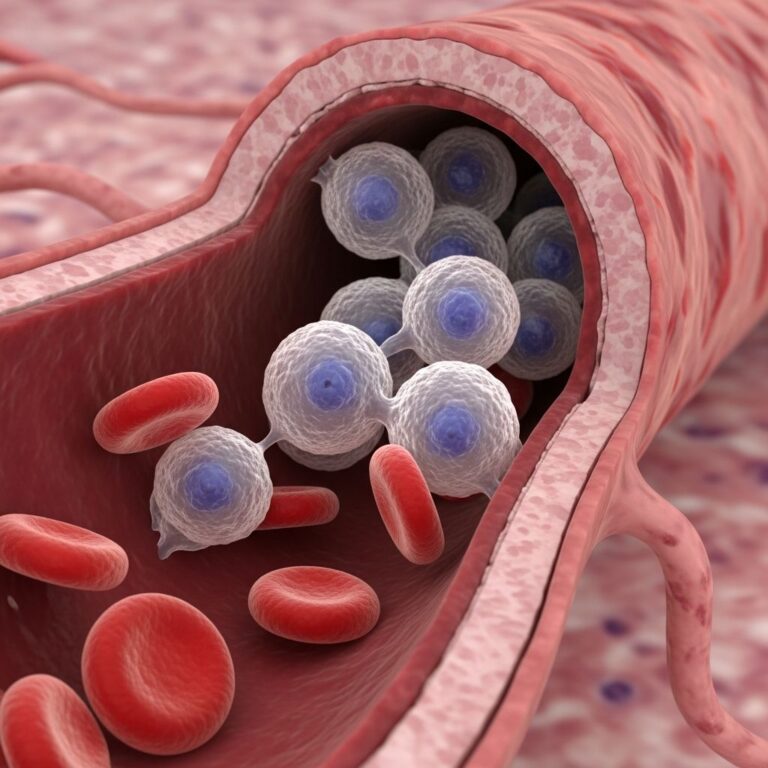
Swollen Ankles: Causes, Symptoms, Treatments, Complete Guide
Discover the common causes of swollen ankles, from injuries to serious conditions, and learn effective treatments and prevention strategies.
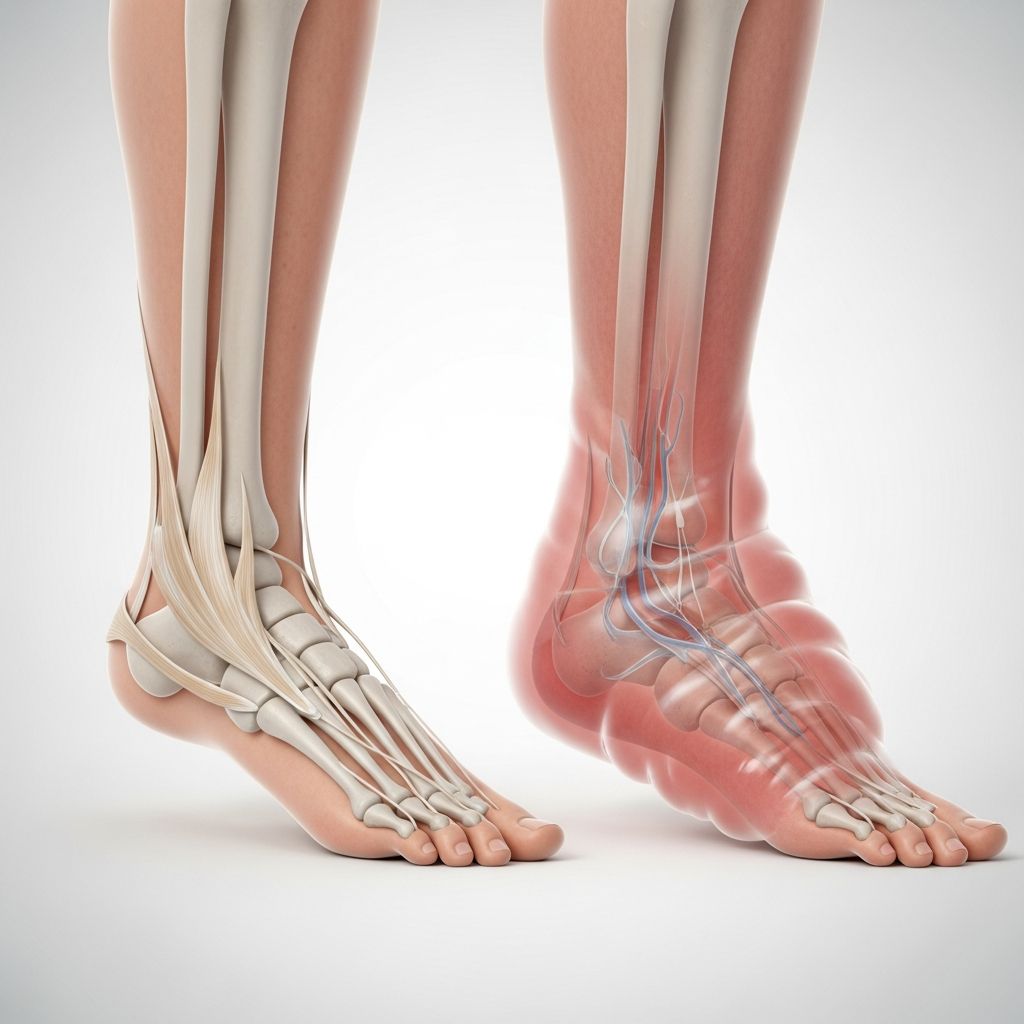
Swollen ankles, medically known as edema, occur when excess fluid accumulates in the tissues of the lower legs and feet due to gravity’s pull on body fluids. This common issue can stem from benign factors like prolonged standing or serious underlying health conditions requiring prompt medical attention.
What Causes Swollen Ankles?
Ankle swelling arises from fluid retention (edema) or inflammation triggered by injury, infection, or disease. Gravity exacerbates the buildup in the lower extremities, but identifying the root cause is essential for effective management.
Injury-Related Swelling
Acute injuries cause inflammation as blood rushes to the affected area, leading to rapid swelling. Common culprits include ankle sprains, broken bones, Achilles tendon ruptures, knee sprains, and ACL tears. These injuries disrupt normal tissue function, prompting fluid accumulation.
- Ankle sprain: Ligaments stretch or tear from missteps during walking, sports, or exercise, causing pain and limited mobility.
- Broken bones or tendon ruptures: Severe trauma leads to significant inflammation and swelling.
Chronic Venous Insufficiency
This condition results from damaged vein valves, impairing blood return from the legs to the heart. Blood pools in the lower extremities, causing persistent swelling, aching legs, varicose veins, itchy skin, and venous ulcers.
Symptoms worsen with prolonged standing or sitting. Early diagnosis improves outcomes through lifestyle changes and interventions.
Heart, Kidney, and Liver Conditions
Heart failure prevents efficient blood pumping, leading to fluid backup and edema in the ankles. Kidney disease impairs fluid balance, while liver issues disrupt protein production needed to retain fluids in blood vessels.
These systemic conditions often present with bilateral swelling and additional symptoms like fatigue or shortness of breath.
Infections and Cellulitis
Bacterial infections cause localized inflammation, especially in those with diabetes or neuropathy. Entry points include blisters, cuts, burns, or insect bites. Symptoms include redness, warmth, pain, and fever. Prompt antibiotic treatment is crucial to prevent spread.
Lymphedema
Damage or removal of lymph nodes, often from cancer treatment, hinders lymphatic fluid drainage. This leads to swelling, tightness, reduced motion, aches, recurrent infections, and tissue thickening (fibrosis).
Rheumatoid Arthritis and Other Autoimmune Issues
Rheumatoid arthritis (RA) inflames joint linings, causing synovial fluid buildup, pain, stiffness, fatigue, fever, anemia, and nodules. Other arthritic conditions contribute similarly.
Pregnancy and Hormonal Changes
Pregnant individuals experience swelling due to increased fluid volume, pressure on veins from the uterus, and hormonal shifts. It typically affects both ankles and improves post-delivery.
Medications and Lifestyle Factors
Certain drugs like calcium channel blockers, steroids, NSAIDs, and hormones cause fluid retention. Alcohol dehydrates initially but leads to rebound water retention. Hot weather and high salt intake dilate vessels and promote edema.
Deep Vein Thrombosis (DVT)
A blood clot in deep leg veins blocks flow, causing unilateral swelling, pain, warmth, and redness. This is a medical emergency risking pulmonary embolism.
Related Stories



Symptoms Accompanying Swollen Ankles
Beyond puffiness, watch for:
- Pain or tenderness
- Redness or warmth
- Skin changes (shiny, tight, discolored)
- Reduced mobility
- Ulcers or non-healing sores
- Systemic signs like shortness of breath or fatigue
When to See a Doctor for Swollen Ankles
Seek immediate care if swelling is sudden, unilateral, painful, or accompanied by chest pain, breathing issues, or fever. Persistent or worsening swelling despite home remedies warrants evaluation to rule out serious conditions like DVT or heart failure.
Diagnostic tools may include ultrasound, blood tests, or imaging.
How to Treat Swollen Ankles
Treatment targets the underlying cause while reducing symptoms.
Home Remedies and Lifestyle Changes
RICE Method for Injuries:
- Rest: Avoid weight-bearing to prevent further damage.
- Ice: Apply wrapped ice packs for 20 minutes, 3+ times daily.
- Compression: Use bandages or stockings to limit fluid buildup.
- Elevation: Raise legs above heart level when resting.
Additional strategies:
- Low-salt diet
- Regular exercise like walking
- Weight management
- Hydration
- Compression garments
- Avoid prolonged sitting/standing
Medical Treatments
| Condition | Treatments |
|---|---|
| Injury | Pain relievers (OTC/prescription), brace/splint, surgery if severe |
| Venous Insufficiency | Compression stockings, exercise, elevation, antibiotics for infections |
| Infection | Antibiotics (oral/topical) |
| RA | Corticosteroids, NSAIDs, DMARDs, splints, PT |
| Heart Failure | Diuretics, lifestyle mods |
| DVT | Anticoagulants, thrombolytics |
Prevention Tips for Swollen Ankles
Minimize risk by:
- Maintaining healthy weight
- Exercising regularly (e.g., swimming, walking)
- Elevating feet daily
- Wearing supportive shoes
- Limiting salt/alcohol
- Moving during long sits/stands
- Monitoring medications
Seasonal factors like summer heat increase swelling incidence, as shown by elevated public searches peaking in midsummer.
Frequently Asked Questions (FAQs)
Are swollen ankles always serious?
No, they can result from minor issues like heat or standing, but persistent or sudden swelling needs medical review.
How long does ankle swelling from injury last?
Typically 1-2 weeks with RICE; longer may indicate complications.
Can diet help reduce swollen ankles?
Yes, reducing salt and staying hydrated prevents fluid retention.
Is swelling normal in pregnancy?
Mild bilateral swelling is common in later stages but monitor for preeclampsia signs.
When is compression stocking use appropriate?
For venous issues or post-injury; consult a doctor for proper fit.
Key Takeaways
Swollen ankles signal diverse issues from injuries to chronic diseases. Early intervention with RICE, lifestyle tweaks, and professional care prevents complications. Always prioritize medical advice for personalized treatment.
References
- What Causes Swollen Feet, Ankles, and Legs? — Healthline. 2023. https://www.healthline.com/health/swollen-ankle-and-leg
- Swollen legs, ankles, and feet: Causes and treatments — Medical News Today. 2023. https://www.medicalnewstoday.com/articles/327473
- Seasonality of Ankle Swelling: Population Symptom Reporting — NIH (PMC). 2016-07-19. https://pmc.ncbi.nlm.nih.gov/articles/PMC4940466/
Similar Articles








Read full bio of Sneha Tete