Swollen Eyelid: Causes, Treatments, And When To See A Doctor
Discover the common causes of swollen eyelids, from allergies and infections to injuries, and learn effective home treatments and when to seek medical help.
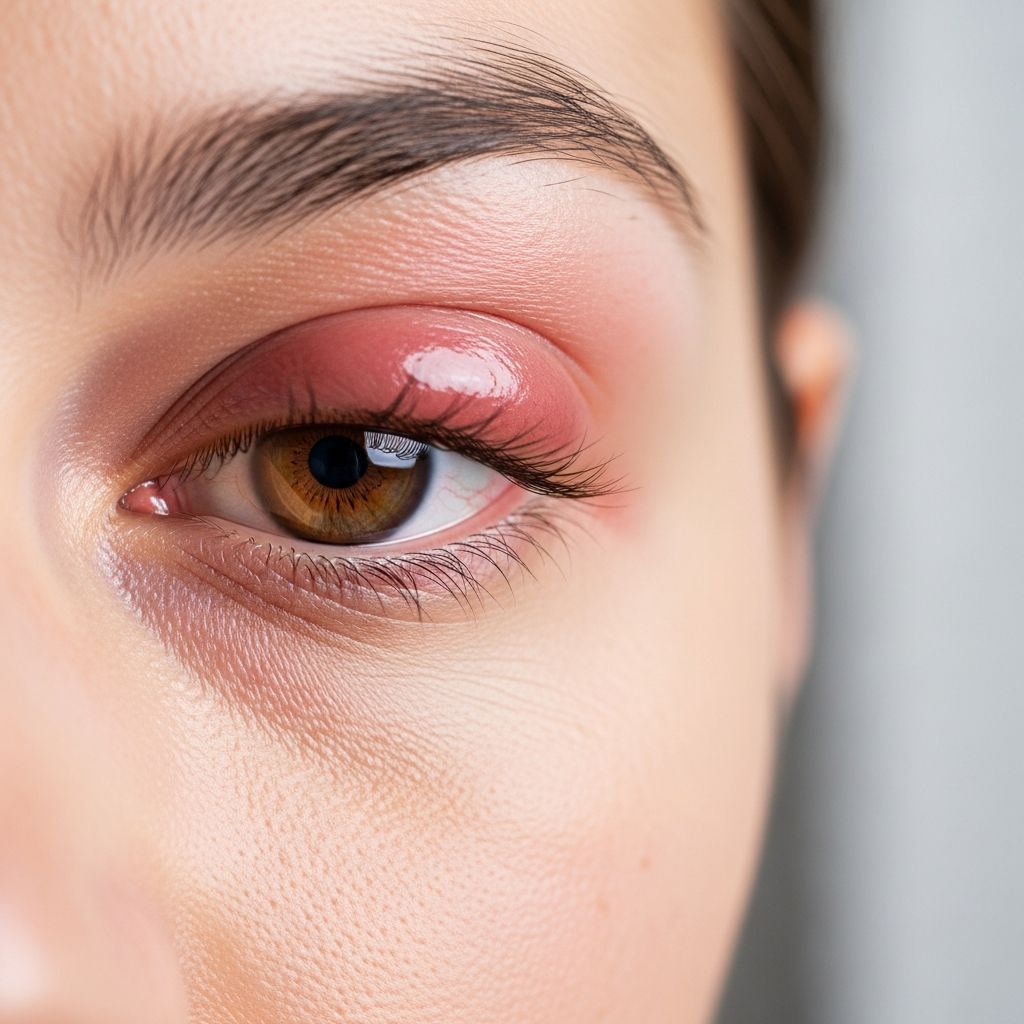
A
swollen eyelid
is a frequent issue typically resulting from allergies, inflammation, infections, or injuries, where fluid accumulates in the surrounding eye tissues, leading to puffiness and discomfort.This condition can affect one or both eyelids, often accompanied by redness, itching, pain, or a noticeable lump, but most cases resolve with simple home remedies or over-the-counter treatments.
Key Points
- **Swollen eyelids** commonly stem from infections, inflammation, allergies, or trauma.
- Symptoms may include puffiness, redness, tenderness, itching, grittiness, or visible lumps.
- Treatments often involve warm compresses, eyelid hygiene, antihistamines, or eye drops.
- Seek medical attention if swelling worsens, affects vision, or is accompanied by fever.
Swollen Eyelid Causes
Eyelid swelling arises when inflammation from allergies, infections, or injuries causes fluid buildup in the delicate eyelid tissues. It may present alone or with additional symptoms like redness, itching, soreness, or grittiness.
Common culprits include localized issues like blocked glands or widespread conditions such as systemic allergies. Understanding the cause guides effective treatment.
Chalazion
A
chalazion
forms a small, firm lump (2-8 mm) in the eyelid due to a blocked Meibomian gland, creating a cyst filled with fluid or granulomatous material. It predominantly affects the upper eyelid and is usually painless unless inflamed or infected.Symptoms include a visible, sometimes reddish swelling that may cause mild irritation. If infected, it becomes tender, larger, and more swollen. Vision is rarely impacted unless the chalazion is exceptionally large.
Unlike a stye, a chalazion is not primarily infectious but results from gland blockage, often resolving spontaneously within weeks, though persistent cases may require steroid injections or minor surgery.
Stye
A
stye
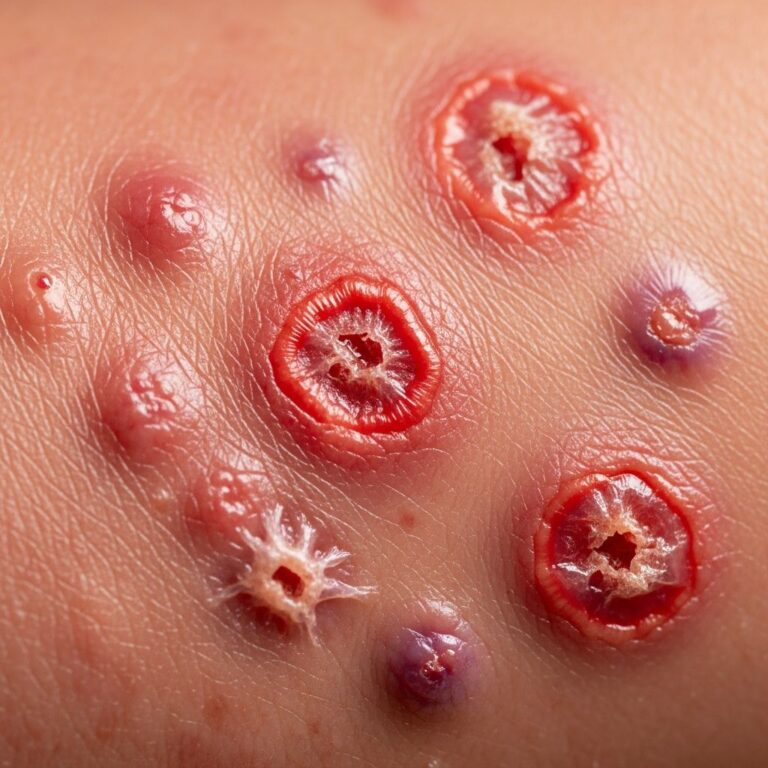
(hordeolum) is a painful, red bump at the eyelash base from bacterial infection, resembling a pimple filled with pus. It causes localized swelling that can extend across the entire eyelid.External styes affect eyelash follicles, while internal ones involve Meibomian glands on the inner eyelid surface, leading to diffuse aching or a tender lump. Symptoms include redness, swelling, watery eyes, and crusting.
Most styes heal in 7-10 days with warm compresses, but infections can spread, causing cellulitis or conjunctivitis, necessitating antibiotics.
Blepharitis
**Blepharitis** is chronic inflammation of the eyelid margins, often from bacterial overgrowth, skin conditions like rosacea, or Demodex mites, resulting in greasy scales, redness, and puffiness.
Symptoms feature itchy, burning eyes, crusty eyelids, and foreign body sensation, exacerbated by contact lens wear. It predisposes to styes and chalazia due to poor gland function.
Treatment emphasizes daily lid hygiene with warm compresses and diluted shampoo scrubs to manage flares.
Conjunctivitis
In
conjunctivitis
(pink eye), infection or allergy inflames the conjunctiva, leading to eyelid puffiness from secondary swelling or pus discharge. Viral, bacterial, or allergic types cause redness, grittiness, and watering.Related Stories



Bacterial cases may produce sticky discharge, while allergic ones itch intensely. Eyelid involvement worsens with rubbing or spread of infection.
Eyelid Skin Infection
Skin infections like
cellulitis
,impetigo
, orerysipelas
cause significant eyelid swelling, redness, warmth, and pain, often entering through breaks from eczema, shingles, or scratches.These require prompt antibiotics, as orbital cellulitis—a severe complication—can threaten vision and demands hospitalization.
Fluid Retention
Systemic
fluid retention
from allergies, heart failure, kidney disease, medications, or pre-eclampsia leads to generalized eyelid edema, often bilateral and worse in the morning.Treatment targets the underlying condition, such as diuretics or allergy management.
Other Causes
- Allergies: Hay fever or contact dermatitis causes itchy, watery swelling responsive to antihistamines.
- Injury/Trauma: Insect bites, burns, or blunt force leads to bruising and hematoma.
- Ectropion/Entropion: Eyelid malpositions cause irritation and secondary swelling; surgery may be needed.
How to Treat Swollen Eyelids
Most swollen eyelids improve with conservative measures. Tailor treatment to the cause while maintaining hygiene to prevent recurrence.
| Cause | Treatments |
|---|---|
| General/Inflamed | Warm compresses (10-15 min, 4x/day), gentle cleaning with baby shampoo. |
| Allergy | Antihistamine drops/tablets, steroid nasal sprays, avoid triggers. |
| Stye/Chalazion | Warm compresses, massage; antibiotics if infected; incision if persistent. |
| Blepharitis | Lid scrubs, artificial tears, omega-3 supplements. |
| Infection | Antibiotic ointment/drops/oral; IV for cellulitis. |
Home Remedies:
- Apply a clean, warm, damp cloth to open and drain blockages.
- Clean lids with cooled boiled water or diluted shampoo on cotton wool.
- Use preservative-free artificial tears for dryness.
- Avoid squeezing lumps or wearing contact lenses/makeup.
For chronic issues, consult an ophthalmologist for advanced therapies like intense pulsed light or gland expression.
When to See a Doctor About a Swollen Eyelid
While many cases self-resolve, seek prompt care for:
- Severe pain, vision changes, or light sensitivity.
- Swelling spreading to face/cheek or preventing eye opening.
- Fever, headache, or pus discharge.
- No improvement after 48 hours of home treatment.
- Recurrent or bilateral swelling suggesting systemic issues.
- Trauma or post-surgical swelling.
Orbital cellulitis is a medical emergency requiring IV antibiotics.
Frequently Asked Questions (FAQs)
Q: How long does a swollen eyelid last?
A: Most resolve in 1-2 weeks with treatment; styes/chalazia may take longer but rarely persist beyond a month.
Q: Can I pop a stye?
A: No, as it risks spreading infection; use warm compresses instead.
Q: Is a chalazion dangerous?
A: Rarely, if uninfected; monitor for increasing pain/redness indicating orbital spread.
Q: Does blepharitis cause permanent damage?
A: Proper management prevents complications like corneal issues.
Q: When is eyelid swelling an emergency?
A: If accompanied by fever, vision loss, or proptosis (bulging eye).
References
- Swollen Eyelid: What Causes It and How to Treat It — Patient.info. 2023. https://patient.info/eye-care/swollen-eyelid
- Chalazion (Eyelid Cyst): Causes, Symptoms, and Treatment — Patient.info. 2023. https://patient.info/eye-care/swollen-eyelid/chalazion
- Blepharitis: Symptoms, Causes, and Treatment — Patient.info. 2023. https://patient.info/eye-care/swollen-eyelid/blepharitis
- Ectropion: Causes, Symptoms, and Treatment — Patient.info. 2023. https://patient.info/eye-care/swollen-eyelid/ectropion
- Stye (Sty): Eyelid Infection Symptoms, Causes — Patient.info. 2023. https://patient.info/eye-care/swollen-eyelid/stye
- Eyelid Edema – PMC — National Institutes of Health (NIH). 2007-06-01. https://pmc.ncbi.nlm.nih.gov/articles/PMC2884828/
Similar Articles








Read full bio of medha deb