Swollen Eyes From Allergies: Expert Relief & Prevention Tips
Learn causes, symptoms, treatments, and prevention for allergy-induced swollen eyes to find quick relief.
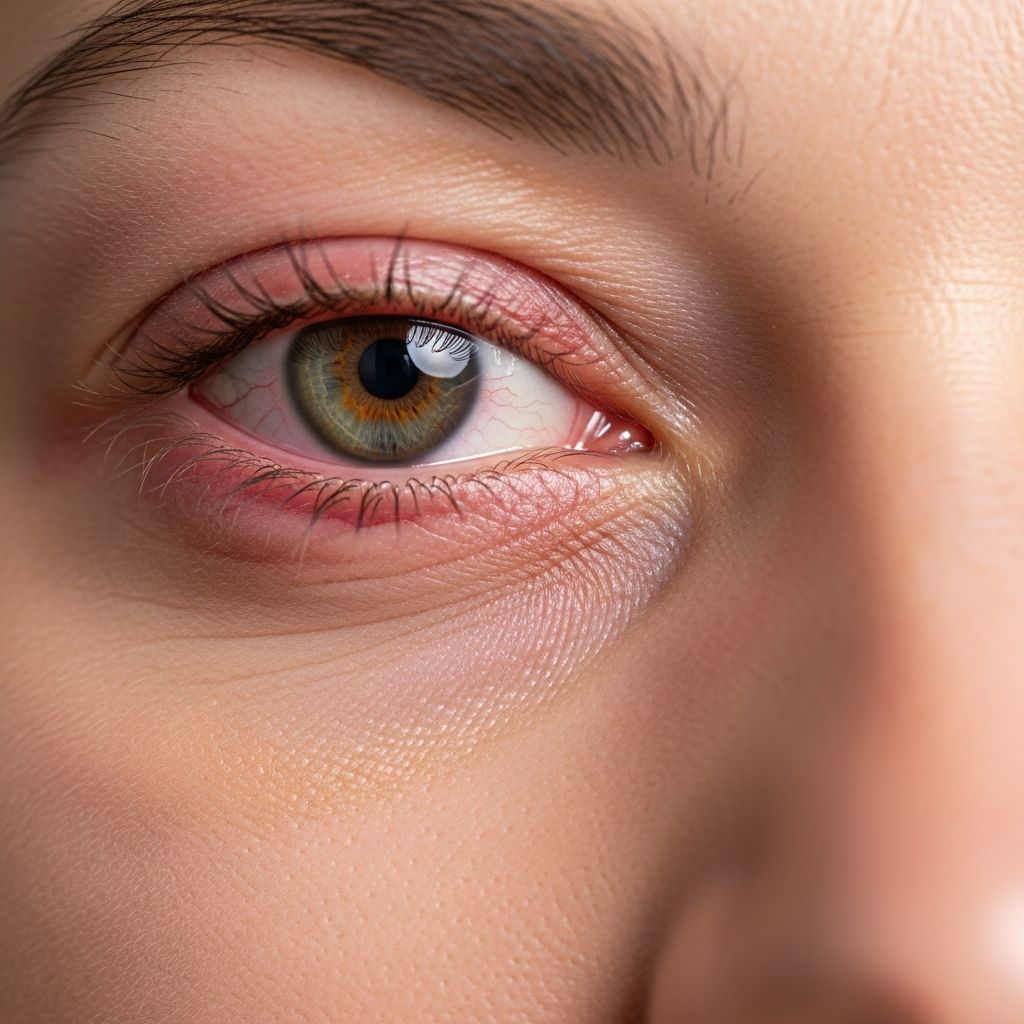
Swollen eyes are a common and uncomfortable symptom of allergies, affecting the delicate tissues around the eyelids and under the eyes. Also known as allergic conjunctivitis or eye allergies, this condition occurs when allergens trigger an immune response, leading to inflammation, itching, redness, and puffiness. According to the American College of Allergy, Asthma & Immunology (ACAAI), allergic conjunctivitis impacts up to 40% of the U.S. population, particularly during allergy seasons.1
While not typically dangerous, swollen eyes can disrupt daily life, impair vision temporarily, and lead to secondary infections if rubbed excessively. Understanding the triggers, recognizing symptoms early, and knowing effective treatments can provide rapid relief and prevent recurrence. This comprehensive guide explores everything you need to know about swollen eyes from allergies.
What Causes Swollen Eyes from Allergies?
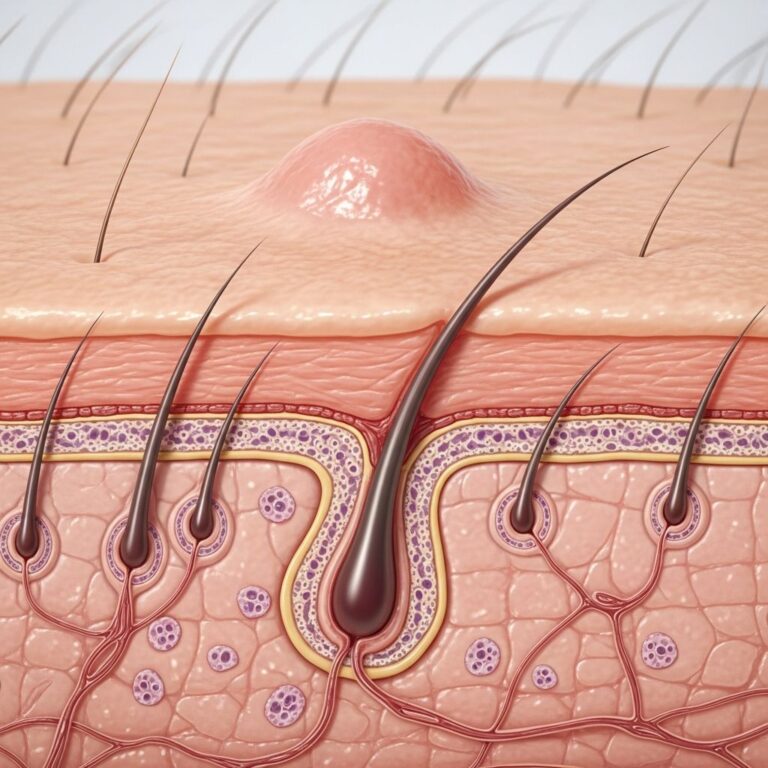
Allergic reactions begin when your immune system overreacts to harmless substances called allergens. These trigger the release of histamine and other chemicals, causing blood vessels in the eyes and eyelids to dilate and leak fluid, resulting in swelling (edema). Common culprits include airborne allergens, contact irritants, and even food triggers in sensitive individuals.
Environmental Allergens
- Pollen: Tree, grass, and weed pollen are primary causes during spring, summer, and fall. Ragweed pollen peaks in late summer, affecting eyes significantly.
- Dust Mites: Microscopic creatures in bedding, carpets, and upholstery. Their feces and body parts provoke year-round symptoms.
- Mold Spores: Thrive in damp areas like bathrooms, basements, and outdoors after rain.
- Pet Dander: Proteins in pet saliva, urine, and skin flakes. Cats and dogs are frequent triggers.
Other Common Triggers
- Irritants: Smoke, pollution, perfumes, chlorine from pools, and cosmetics.
- Contact Allergens: Eye makeup, contact lens solutions, or pollen transferred from hands to eyes.
- Food Allergies: Rarely, shellfish, nuts, or dairy can cause eyelid swelling (angioedema).
The Centers for Disease Control and Prevention (CDC) notes that environmental allergens contribute to over 50 million allergy-related doctor visits annually in the U.S.2
Symptoms of Allergic Eye Swelling
Allergic eye swelling typically affects both eyes symmetrically and develops gradually. Key symptoms include:
| Symptom | Description |
|---|---|
| Itching | Intense urge to rub eyes, worsening swelling. |
| Redness | Bloodshot appearance from dilated vessels. |
| Swelling/Puffiness | Eyelids, under-eye area, or entire orbital region. |
| Tearing/Watering | Excessive reflex tears to flush irritants. |
| Burning Sensation | Stinging or gritty feeling, like sand in eyes. |
| Light Sensitivity | Photophobia, discomfort in bright light. |
| Blurred Vision | Temporary from tear film disruption or swelling. |
Symptoms often accompany nasal allergies (“allergic shiners”—dark circles from congestion) and peak in mornings or after exposure.
How to Treat Swollen Eyes from Allergies
Treatment focuses on reducing inflammation, blocking histamine, and avoiding triggers. Start with non-medical remedies, then escalate to medications.
Home Remedies and First-Line Relief
- Cold Compresses: Apply a clean, cool washcloth or gel pack wrapped in cloth for 10-15 minutes, 3-4 times daily. Constricts blood vessels and numbs itching.
- Saltwater Rinse: Mix 1/4 tsp non-iodized salt in 1 cup boiled, cooled water. Use as an eyewash or compress.
- Cucumber Slices: Chill and place over closed eyes for 10 minutes; natural astringents reduce puffiness.
- Avoid Rubbing: Use artificial tears instead to soothe.
- Elevate Head: Sleep with extra pillows to minimize fluid pooling.
Related Stories



Over-the-Counter (OTC) Treatments
- Antihistamine Eye Drops: E.g., ketotifen (Zaditor), olopatadine (Pataday). Relieve itching within minutes; use 1 drop per eye twice daily.
- Mast Cell Stabilizers: Cromolyn sodium (Opticrom) prevents histamine release; safe for long-term use.
- Artificial Tears: Lubricate and flush allergens; preservative-free preferred.
- Oral Antihistamines: Loratadine (Claritin), cetirizine (Zyrtec) for systemic relief, though may cause drowsiness.
- Decongestant Drops (Short-Term): Naphazoline; avoid >3 days to prevent rebound redness.
The American Academy of Ophthalmology recommends antihistamine drops as first-line therapy for mild-moderate cases.3
Prescription Treatments
For severe or persistent swelling:
- Steroid Eye Drops: Short courses (e.g., loteprednol) for intense inflammation; monitored due to risks like glaucoma.
- Stronger Antihistamines/Mast Cell Stabilizers: E.g., alcaftadine (Lastacaft).
- Immunotherapy: Allergy shots or sublingual tablets for long-term desensitization.
Prevention Tips for Allergy-Related Eye Swelling
Proactive measures reduce exposure and strengthen resilience:
- Stay Indoors During High Pollen: Check pollen.com; keep windows closed, use HEPA air purifiers.
- Protective Eyewear: Wraparound sunglasses outdoors; swim goggles in pools.
- Daily Hygiene: Wash face/hands upon entering home; remove shoes. Shower before bed to rinse pollen.
- Control Indoor Allergens: Wash bedding weekly in hot water, use allergen-proof covers, vacuum with HEPA filter, low-humidity (<50%).
- Contact Lens Care: Daily disposables or switch to glasses during flares; clean rigorously.
- Nasal Sprays: Fluticasone (Flonase) reduces post-nasal drip affecting eyes.
When to See a Doctor for Swollen Eyes
Seek immediate care if:
- Swelling is sudden/severe, affects one eye only, or with breathing difficulty (anaphylaxis).
- Vision changes persist >24 hours, severe pain, or light flashes.
- Discharge is thick/pus-like (infection possible).
- Symptoms don’t improve after 3-5 days of OTC treatment.
- Frequent recurrences suggest need for allergy testing.
An allergist or ophthalmologist can perform skin prick tests or blood tests to identify specific triggers.
Frequently Asked Questions (FAQs)
Can allergies cause only one eye to swell?
Typically bilateral, but rubbing one eye more or uneven exposure can cause asymmetry. Persistent unilateral swelling warrants medical evaluation to rule out infection or foreign body.
Are swollen eyes from allergies contagious?
No, allergies are immune responses, not infections. However, rubbing spreads allergens, worsening symptoms.
How long do allergy-swollen eyes last?
24-72 hours with treatment; longer without. Seasonal allergies may persist weeks.
Can I use hydrocortisone cream on eyelids?
No—skin around eyes is thin; risks absorption and side effects. Use eye-specific products only.
Do allergy eye drops expire?
Yes; check date. Discard open bottles after 28 days or if discolored.
Key Takeaways
- Swollen eyes from allergies stem from histamine release triggered by pollen, dust, pets, etc.
- Treat with cold compresses, antihistamine drops, and avoidance.
- Prevent by minimizing exposure and maintaining clean environments.
- See a doctor for severe/persistent cases or vision issues.
By combining these strategies, most people achieve significant relief. Track symptoms in a journal to identify personal triggers and consult professionals for tailored plans.
References
- Allergic Conjunctivitis — American College of Allergy, Asthma & Immunology. 2024-06-15. https://acaai.org/allergies/allergic-conditions/eye-allergy/
- Allergies and Allergens — Centers for Disease Control and Prevention. 2025-03-10. https://www.cdc.gov/nceh/features/allergies/index.html
- Allergic Conjunctivitis Preferred Practice Pattern — American Academy of Ophthalmology. 2023-09-01. https://www.aao.org/education/preferred-practice-pattern/allergic-conjunctivitis-ppp-2023
- Seasonal Allergies (Allergic Rhinitis) — National Institute of Allergy and Infectious Diseases. 2024-11-20. https://www.niaid.nih.gov/diseases-conditions/seasonal-allergies
- Conjunctivitis (Pink Eye) — Mayo Clinic. 2025-01-08. https://www.mayoclinic.org/diseases-conditions/pink-eye/symptoms-causes/syc-20376355
Similar Articles








Read full bio of Sneha Tete