Swollen Feet And Heart Failure: Causes, Symptoms & Treatment
Understand why heart failure causes swollen feet, recognize symptoms, and learn effective treatments and prevention strategies.
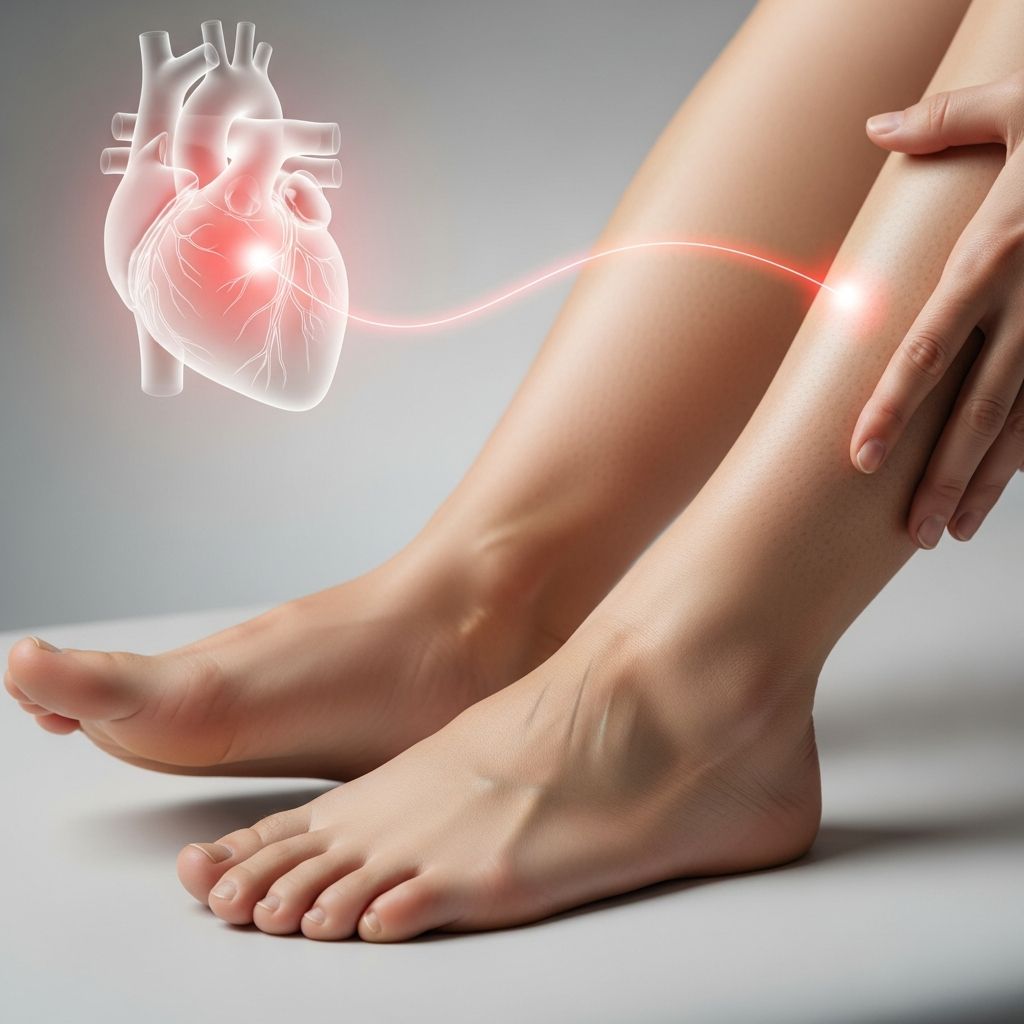
Swollen feet and ankles, medically known as
peripheral edema
, can be a common issue, but when persistent or severe, they often signal underlying heart problems likeheart failure
. Heart failure occurs when the heart muscle weakens or stiffens, impairing its ability to pump blood effectively throughout the body. This leads to fluid buildup in the lower extremities, causing noticeable swelling. Affecting about 6.2 million adults in the U.S., heart failure is a leading cause of hospitalization for those over 65, making early recognition crucial.This comprehensive guide covers why heart failure causes swollen feet, associated symptoms, other potential causes, diagnostic steps, treatment options, prevention strategies, and FAQs to help you navigate this condition.
What Is Heart Failure?
**Heart failure**, also called
congestive heart failure
, is a chronic condition where the heart cannot pump blood efficiently to meet the body’s needs. It can affect the left side, right side, or both sides of the heart. Right-sided heart failure is particularly linked to edema in the legs, ankles, and feet because blood backs up in the veins, increasing pressure and forcing fluid into tissues.The condition develops gradually, often due to high blood pressure, coronary artery disease, or previous heart attacks. As the heart struggles, it compensates by beating faster or enlarging, but eventually, fluid retention becomes prominent. Swelling is not just cosmetic—it’s a sign the body is retaining salt and water, worsening the cycle.
Why Does Heart Failure Cause Swollen Feet?
In heart failure, the heart’s reduced pumping efficiency causes blood to back up in the veins of the legs and feet. This elevates pressure in the blood vessels, pushing fluid out into surrounding tissues, resulting in
edema
. The kidneys, strained by poor circulation, fail to excrete excess sodium and water properly, further increasing blood volume and fluid leakage.Key mechanisms include:
- Venous congestion: Blood pools in lower body veins due to gravity and weak pumping, common in right-sided heart failure.
- Sodium retention: The body holds onto salt, drawing more fluid into tissues.
- Reduced cardiac output: Less blood flow impairs kidney function, exacerbating fluid imbalance.
This swelling typically worsens later in the day, after prolonged standing or sitting, and improves with elevation. In advanced cases, it can spread to the legs, abdomen (ascites), or even lungs, causing shortness of breath.
Symptoms of Heart Failure Beyond Swollen Feet
While swollen feet are a hallmark, heart failure presents a cluster of symptoms. Persistent
edema
in feet, ankles, and legs is most common in right-sided failure, often accompanied by sudden weight gain from fluid. Other signs include:- Shortness of breath, especially when lying down or during activity.
- Fatigue and weakness due to inadequate oxygen delivery.
- Persistent cough or wheezing from lung fluid.
- Heart palpitations: faster, louder, or irregular beats as the heart compensates.
- Reduced exercise tolerance and abdominal swelling or pain.
Monitoring daily weight is vital; a rapid gain of 2-3 pounds in a day may indicate worsening fluid retention.
Other Causes of Swollen Feet
Not all foot swelling stems from heart failure.
Peripheral edema
has multiple triggers, so accurate diagnosis is essential. Common non-heart-related causes include:| Cause | Description |
|---|---|
| Prolonged sitting/standing or travel | Gravity causes fluid pooling during long flights or inactivity. |
| Pregnancy or obesity | Increased body weight pressures veins. |
| Medications | Calcium channel blockers, steroids, antidepressants, or hormones like estrogen. |
| Other conditions | Liver cirrhosis, blood clots (DVT), lymphedema, kidney disease. |
Related Stories



High-salt diets and inactivity also contribute by promoting fluid retention.
When to See a Doctor for Swollen Feet
Mild, temporary swelling from heat or travel is usually benign. Seek medical attention if:
- Swelling persists for weeks or worsens gradually.
- It’s sudden and severe, or affects one leg (possible clot).
- Accompanied by heart failure symptoms like breathlessness or fatigue.
- You have risk factors: age over 65, hypertension, diabetes.
For diagnosed heart failure patients, new or increasing swelling signals potential medication adjustments or decompensation—contact your team immediately. Urgent care is needed for chest pain, severe shortness of breath, or rapid weight gain.
How Is Heart Failure with Swollen Feet Diagnosed?
Diagnosis starts with a physical exam, checking for pitting edema (indentation from pressing the skin). Doctors assess medical history and symptoms, then order:
- Echocardiogram: Measures heart pumping function (ejection fraction).
- Blood tests: BNP levels indicate heart strain; kidney function checks.
- Chest X-ray or ECG: Detects fluid or rhythm issues.
- Weight and edema monitoring: Tracks fluid status.
Distinguishing heart failure from other edema causes requires ruling out venous issues or medications.
Treatment Options for Swollen Feet in Heart Failure
Treatment targets the heart failure and fluid overload.
Diuretics
(water pills) like furosemide promote urine output to reduce edema, often first-line. Other medications include:- ACE inhibitors or ARBs: Lower blood pressure, ease heart workload.
- Beta-blockers: Slow heart rate, improve pumping.
- SGLT2 inhibitors: Reduce fluid and protect the heart (originally for diabetes).
Surgical options for underlying issues: bypass grafts or valve repairs. Lifestyle is pivotal:
- Low-sodium diet: Limit to 2,000 mg/day to curb retention.
- Fluid restriction: 1.5-2 liters daily if advised.
- Elevation and exercise: Raise legs above heart level; walk regularly.
- Compression stockings: Improve circulation.
Prevention and Lifestyle Tips
Prevent worsening with daily habits:
- Monitor weight daily; report gains.
- Stay active: 30 minutes moderate exercise most days, per guidelines.
- Avoid alcohol, tobacco; manage weight and blood pressure.
- Elevate legs when resting; avoid long immobility.
Regular check-ups ensure optimal medication dosing.
Frequently Asked Questions (FAQs)
Can swollen feet be the first sign of heart failure?
Yes, persistent swelling in ankles and feet can be an early indicator, especially with other symptoms like fatigue.
How quickly does swelling improve with treatment?
Diuretics can reduce edema within days, but full management requires ongoing therapy and lifestyle changes.
Is leg elevation enough to fix heart failure swelling?
Elevation helps temporarily, but addressing the heart condition with meds and diet is essential.
Does diet alone prevent swollen feet in heart failure?
A low-salt diet significantly helps, but combine with exercise and medications for best results.
Should I worry about swollen feet if I’m not short of breath?
Yes, if persistent; it may indicate progressing heart issues needing evaluation.
References
- What causes swollen ankles and feet? — British Heart Foundation. 2023. https://www.bhf.org.uk/informationsupport/heart-matters-magazine/medical/ask-the-experts/swollen-ankles
- Are Swollen Feet a Sign of Congestive Heart Failure? — Health Central. 2024. https://www.healthcentral.com/condition/congestive-heart-failure/congestive-heart-failure-swollen-feet
- Heart Failure And Swollen Feet: Understanding The Link And Treatment Options — Asian Heart Institute. 2024. https://asianheartinstitute.org/blog/heart-failure-and-swollen-feet-link-treatment-options/
- Warning signs and symptoms of congestive heart failure — Medical News Today. 2024. https://www.medicalnewstoday.com/articles/signs-of-congestive-heart-failure
- Heart failure symptoms — HonorHealth. 2024. https://www.honorhealth.com/medical-services/cardiac-care/heart-conditions/heart-failure/symptoms
Similar Articles








Read full bio of medha deb