Swollen Gums: Causes, Symptoms, and Effective Treatments
Comprehensive guide to understanding swollen gums, their causes, symptoms, and treatment options for lasting oral health.
Understanding Swollen Gums
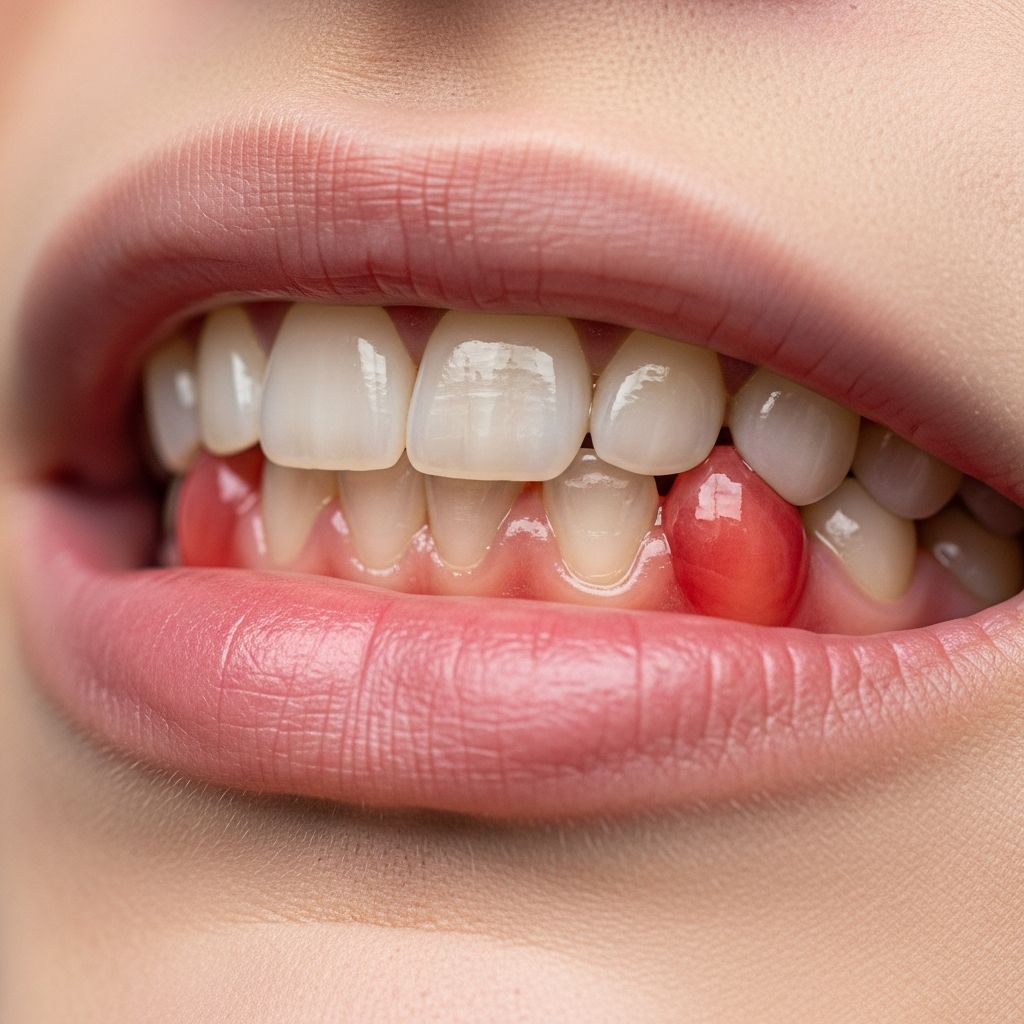
Swollen gums are a common dental symptom that usually indicates inflammation of the gum tissue. This swelling often results from gum disease, but can also be triggered by a variety of other dental or systemic health issues. Swollen gums usually appear red or purplish due to increased blood flow, and the affected gums can look shiny or smooth. They often bleed easily, especially when brushing or flossing.
While some gum swelling may be temporary, persistent or severe swelling generally warrants professional evaluation to rule out or treat serious underlying causes.
Common Causes of Swollen Gums
The causes of swollen gums can be broadly categorized into dental and non-dental factors:
Dental Causes
- Gingivitis: The most frequent cause of swollen gums, gingivitis, is an early stage of gum disease caused by plaque buildup along the gumline which leads to infection and inflammation.
- Periodontitis: If gingivitis is untreated, it can progress to periodontitis, a more severe form of gum disease that damages the supporting structures of the teeth including bone.
- Dental Abscess: Localized infection around a tooth root or gum can cause significant swelling, often accompanied by pain, and may require root canal treatment or extraction.
- Food Particles: Irritation caused by food debris lodged between teeth and gums can provoke localized gum inflammation.
- Medication Side Effects: Certain medicines such as anticonvulsants, immunosuppressants, and calcium channel blockers can cause gum overgrowth and swelling.
Other Causes
- Hormonal Changes: Hormone fluctuations during pregnancy, menstruation, or menopause can increase gum sensitivity and swelling.
- Vitamin Deficiencies: Deficiency in vitamins such as vitamin C and B-complex can impair gum health, leading to swelling and bleeding.
- Infections: Fungal infections like oral thrush or viral infections such as herpes simplex can involve inflamed, swollen gums.
- Underlying Systemic Conditions: Illnesses like diabetes can affect gum health and increase susceptibility to gum inflammation.
Symptoms Associated with Swollen Gums
Swollen gums can develop a variety of symptoms that often accompany the inflammation including:
- Redness and a purple or deep pink hue of the gum tissue
- Shiny, smooth appearance due to tissue swelling
- Bleeding on brushing or flossing
- Tenderness or soreness when eating or touching the gums
- Bad breath or unpleasant taste in the mouth
- Possible pus discharge if infection is severe
If swelling persists beyond two weeks or worsens, or if accompanied by severe pain, fever, or difficulty eating, immediate dental care is recommended.
Diagnosis of Swollen Gums
A dental professional or healthcare provider will perform an examination to assess the condition. This includes:
- Visual inspection of the gums and teeth
- Measuring gum pocket depths with a periodontal probe to detect periodontal disease
- X-rays to assess bone loss if periodontitis is suspected
- Reviewing medical history and possible blood tests if systemic causes are considered
Identifying whether the swelling arises from dental causes or systemic health conditions is critical for effective treatment planning.
Treatment Options for Swollen Gums
The approach to managing swollen gums depends on the underlying cause and severity:
Dental Treatments
- Professional Dental Cleaning: Removal of plaque and tartar buildup via scaling and root planing is key in treating gingivitis and mild periodontitis.
- Antibiotic Therapy: In some cases, topical or oral antibiotics may be prescribed to control bacterial infections causing gum inflammation.
- Flap Surgery: For advanced gum disease, surgical interventions may be required to clean deep pockets and repair damaged tissues.
- Root Canal Treatment or Extraction: If there is an abscess or severe tooth infection, addressing the affected tooth is vital to reduce gum swelling.
Related Stories



Treatment for Non-Dental Causes
- Hormonal Swelling: Often improves after hormonal levels stabilize post-pregnancy or menstruation; maintaining good oral care during these phases is essential.
- Vitamin Deficiency: Nutritional supplementation of vitamins C and B complex helps restore gum health.
- Infections: Antifungal or antiviral medicines can control oral infections causing gum swelling.
- Medication Adjustments: Consult with physicians to potentially adjust drugs that induce gum overgrowth.
Home Care and Preventive Measures
Alongside professional care, good oral hygiene is vital to both prevent and reduce swollen gums:
- Brush teeth at least twice daily using a soft-bristled toothbrush and fluoride toothpaste
- Floss daily to remove plaque and food debris from between teeth
- Use antimicrobial mouth rinses as recommended by your dentist
- Maintain a balanced diet rich in vitamins, particularly vitamin C
- Avoid tobacco products which exacerbate gum disease
- Regular dental check-ups every six months for early detection and management
For temporary relief from gum discomfort, rinsing with warm salt water can reduce inflammation and promote healing.
When to See a Dentist
Seek dental evaluation if you experience any of the following:
- Gum swelling lasting more than two weeks
- Gums that bleed easily or excessively
- Severe pain or pus discharge from gums
- Loose teeth or changes in tooth alignment
- Persistent bad breath despite oral hygiene efforts
Prompt diagnosis and treatment improve outcomes and help prevent progression to more serious gum disease or tooth loss.
Frequently Asked Questions (FAQs)
Q: Can swollen gums go away on their own?
A: In some cases, mild gum swelling from irritation, like stuck food particles, can resolve once the irritant is removed. However, if swelling is caused by gum disease or infection, professional treatment is usually necessary for resolution.
Q: What is the difference between gingivitis and periodontitis?
A: Gingivitis is the early, reversible stage of gum disease characterized by gum inflammation but no bone loss. Periodontitis is a more advanced stage where inflammation causes damage to the supporting bone and tissues, potentially leading to tooth loss.
Q: Are swollen gums a sign of serious illness?
A: While mostly related to dental issues, swollen gums can sometimes indicate underlying systemic conditions such as diabetes or vitamin deficiencies, making medical evaluation important if symptoms persist.
Q: How can hormonal changes cause swollen gums?
A: Hormonal fluctuations increase blood flow to gums and alter immune response, making gums more sensitive and prone to swelling during pregnancy, menstruation, or menopause.
Q: How often should I visit the dentist to prevent swollen gums?
A: Regular dental check-ups every six months facilitate early detection and treatment of gum problems, helping prevent swelling and more serious gum disease.
References
- Swollen Gums: Symptoms, Causes & Treatment — Cleveland Clinic. 2023-04-17. https://my.clevelandclinic.org/health/diseases/24907-swollen-gums
- Gum Disease Treatment — Cleveland Clinic. 2023-04-10. https://my.clevelandclinic.org/health/treatments/10907-gum-disease-treatment
- Gingivitis: Symptoms & How To Treat It — Cleveland Clinic. 2023-03-08. https://my.clevelandclinic.org/health/diseases/10950-gingivitis-and-periodontal-disease-gum-disease
- Common Causes Swollen Gums Around Tooth — Schwimmer Dental. 2025-01-15. https://www.schwimmerdental.com/blog/swollen-gums-around-tooth
- Gingivitis Disease — Cleveland Clinic Abu Dhabi. 2023. https://www.clevelandclinicabudhabi.ae/en/health-hub/health-resource/diseases-and-conditions/gingivitis
Similar Articles








Read full bio of Sneha Tete