Swollen Lymph Nodes: Causes, Symptoms & Treatment
Learn about swollen lymph nodes, their causes, symptoms, and when to seek medical help.
What Are Lymph Nodes?
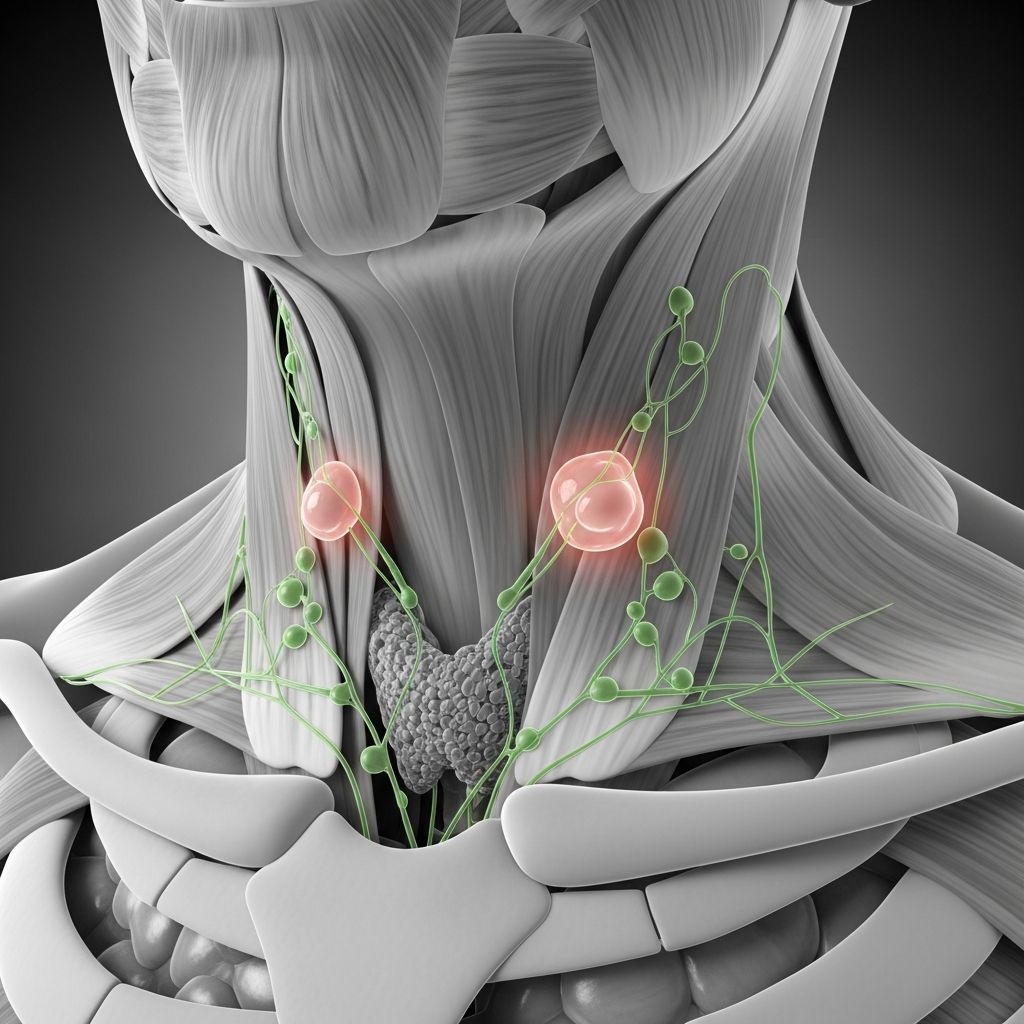
Lymph nodes are small, bean-shaped glands found throughout your body. They are part of your lymphatic system, which plays a crucial role in your immune system. Lymph nodes filter lymph fluid, trapping viruses, bacteria, and other harmful substances before they can spread to other parts of your body. When your body is fighting an infection or dealing with another health issue, lymph nodes may swell and become tender.
Common Locations of Lymph Nodes
Lymph nodes are found in several areas of your body, including:
- Neck
- Under the chin
- Axilla (armpits)
- Groin
- Behind the ears
- Behind the knees
Swelling in these areas is often the first sign that something is going on with your lymphatic system.
Causes of Swollen Lymph Nodes
Swollen lymph nodes can be caused by a variety of conditions, ranging from minor infections to more serious diseases. The most common causes include:
- Infections: Viral infections (such as the common cold, flu, or mononucleosis) and bacterial infections (such as strep throat or skin infections) are the most frequent causes.
- Autoimmune Diseases: Conditions like lupus and rheumatoid arthritis can cause lymph nodes to swell.
- Cancer: Lymphoma, leukemia, and other cancers can lead to enlarged lymph nodes.
- Medications: Certain drugs, including some antibiotics and antiseizure medications, can cause lymph node swelling.
- Other Causes: Less common causes include sarcoidosis, tuberculosis, and HIV.
Symptoms of Swollen Lymph Nodes
The symptoms of swollen lymph nodes can vary depending on the underlying cause. Common symptoms include:
- Tenderness or pain in the lymph nodes
- Swelling that may be the size of a pea or kidney bean, or even larger
- Redness or warmth around the lymph nodes
- Fever
- Night sweats
- Unexplained weight loss
- General feeling of being unwell
In some cases, swollen lymph nodes may be accompanied by other symptoms, such as a runny nose, sore throat, or cough, which can indicate an upper respiratory infection.
When to See a Doctor
While swollen lymph nodes are often harmless and resolve on their own, there are certain situations when you should seek medical attention:
- The lymph nodes have appeared for no apparent reason
- The swelling continues to enlarge or has been present for two to four weeks
- The lymph nodes feel hard or rubbery, or don’t move when you push on them
- You have persistent fever, night sweats, or unexplained weight loss
- The swelling is accompanied by other concerning symptoms, such as difficulty swallowing or breathing
If you experience any of these symptoms, it’s important to see a healthcare provider for a proper diagnosis and treatment.
Diagnosis of Swollen Lymph Nodes
To diagnose the cause of swollen lymph nodes, a healthcare provider will typically perform a physical exam and may order additional tests. These tests can include:
Related Stories



- Blood tests to check for signs of infection or other conditions
- Imaging studies, such as an ultrasound or CT scan, to get a better look at the lymph nodes
- A biopsy, where a small sample of tissue is taken from the lymph node for further analysis
The specific tests ordered will depend on your symptoms and medical history.
Treatment of Swollen Lymph Nodes
The treatment for swollen lymph nodes depends on the underlying cause. Common treatments include:
- Antibiotics: For bacterial infections, antibiotics may be prescribed.
- Antivirals: For viral infections, antiviral medications may be used.
- Antiparasitics: For parasitic infections, antiparasitic drugs may be necessary.
- Chemotherapy, Radiation Therapy, or Immunotherapy: For cancer, these treatments may be recommended.
- Surgery: In some cases, surgery may be needed to remove a lymph node or to treat an underlying condition.
- Warm Compresses: Applying a warm compress can help reduce pain and swelling.
- Over-the-Counter Medications: Pain relievers and anti-inflammatory drugs can help manage symptoms.
It’s important to follow your healthcare provider’s recommendations for treatment and to complete any prescribed medications as directed.
Prevention of Swollen Lymph Nodes
While it’s not always possible to prevent swollen lymph nodes, there are steps you can take to reduce your risk:
- Practice good hygiene, such as washing your hands regularly and avoiding close contact with sick individuals.
- Stay up to date with vaccinations to protect against common infections.
- Maintain a healthy lifestyle, including a balanced diet, regular exercise, and adequate sleep.
- Seek prompt medical attention for any signs of infection or illness.
FAQs About Swollen Lymph Nodes
Q: Are swollen lymph nodes always a sign of a serious condition?
A: No, swollen lymph nodes are often a sign that your body is fighting a minor infection and are usually harmless. However, if the swelling persists or is accompanied by other concerning symptoms, it’s important to see a healthcare provider.
Q: Can swollen lymph nodes be a sign of cancer?
A: Yes, in some cases, swollen lymph nodes can be a sign of cancer, such as lymphoma or leukemia. However, this is less common, and most cases are due to infections or other non-cancerous conditions.
Q: How long do swollen lymph nodes last?
A: Swollen lymph nodes usually resolve within a few days to a few weeks, depending on the underlying cause. If the swelling persists or worsens, it’s important to seek medical attention.
Q: Can I treat swollen lymph nodes at home?
A: For minor infections, you can try home remedies such as applying a warm compress and taking over-the-counter pain relievers. However, if the swelling is severe or accompanied by other symptoms, it’s important to see a healthcare provider.
Q: What should I do if I notice swollen lymph nodes?
A: If you notice swollen lymph nodes, monitor your symptoms and seek medical attention if the swelling persists, worsens, or is accompanied by other concerning symptoms.
References
- Swollen Lymph Nodes – Symptoms and Causes — Mayo Clinic. 2023-09-15. https://www.mayoclinic.org/diseases-conditions/swollen-lymph-nodes/symptoms-causes/syc-20353902
- Swollen Lymph Nodes: Causes, Symptoms & Treatment — Cleveland Clinic. 2023-09-15. https://my.clevelandclinic.org/health/symptoms/15219-swollen-lymph-nodes
- Lymph Node Locations & Function — Cleveland Clinic. 2023-09-15. https://my.clevelandclinic.org/health/body/23131-lymph-nodes
Similar Articles








Read full bio of medha deb