Symmetrical Drug-Related Intertriginous and Flexural Exanthema
Understanding SDRIFE: A benign drug eruption with symmetrical rashes in skin folds, triggered by common medications.
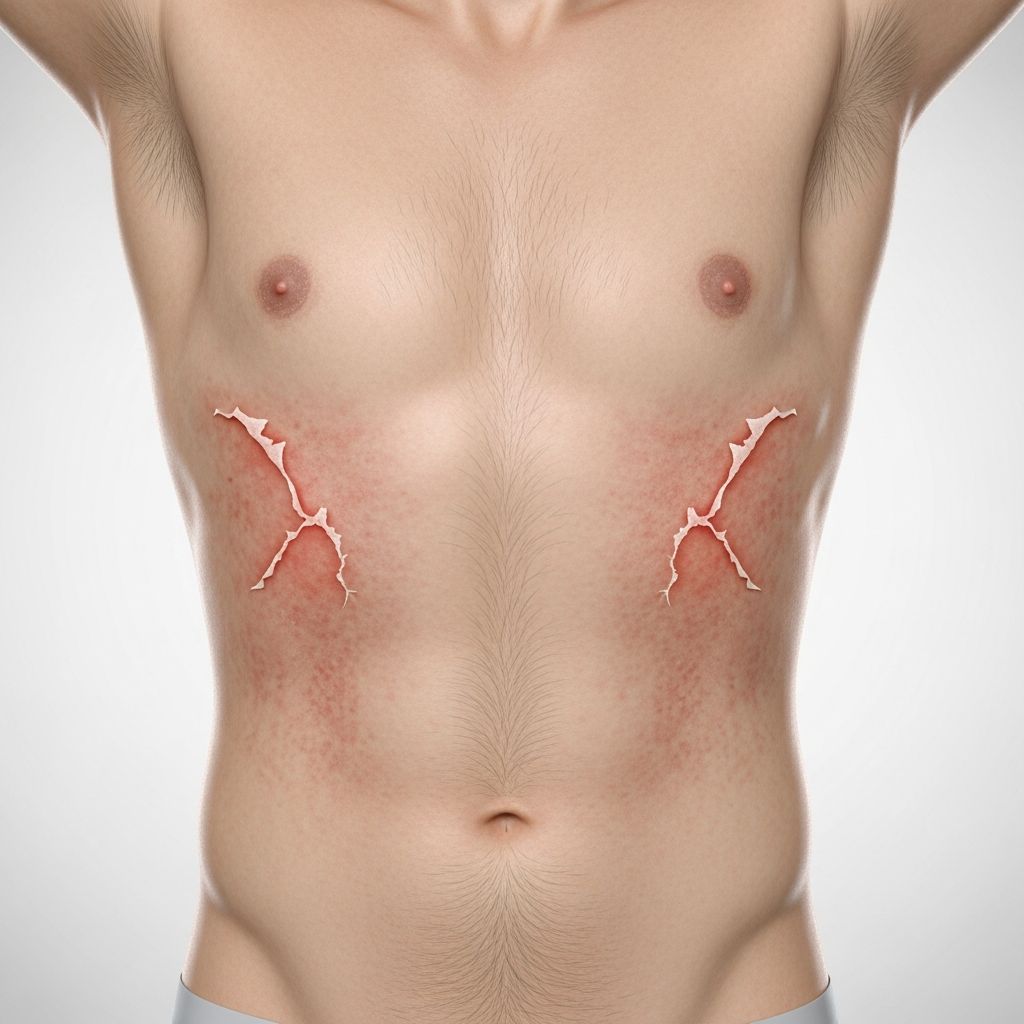
Symmetrical drug-related intertriginous and flexural exanthema (SDRIFE) is a distinctive type IV hypersensitivity reaction manifesting as symmetrical erythematous rashes confined to intertriginous and flexural areas without systemic involvement. Previously termed baboon syndrome, SDRIFE specifically denotes drug-induced cases sparing generalized exanthems, typically appearing hours to days after systemic drug exposure.
What is SDRIFE?
SDRIFE represents a delayed cutaneous adverse drug reaction characterized by well-demarcated erythema in skin folds such as gluteal/perianal region, inguinal creases, axillae, and occasionally neck or popliteal fossae. Unlike classic baboon syndrome linked to prior topical sensitization (e.g., mercury), SDRIFE arises de novo from systemic drugs without such history. The name derives from the vivid red, symmetrical involvement resembling a baboon’s hindquarters, though modern criteria exclude buttocks-dominant cases without flexural spread if generalized rash accompanies.
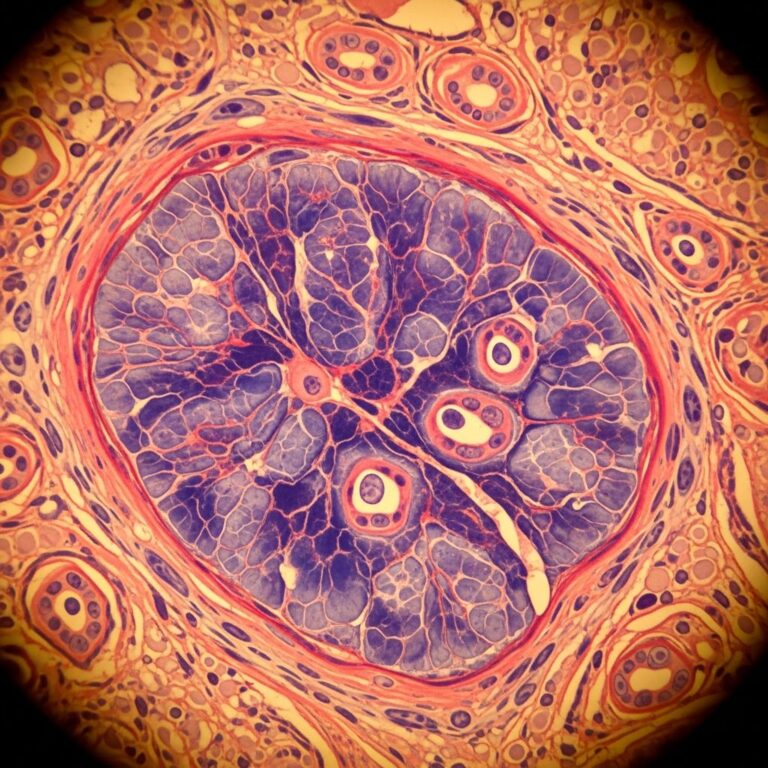
Clinically, lesions emerge 1-2 days in sensitized individuals or up to 10 days in first exposures, persisting until drug withdrawal. Histopathology reveals nonspecific superficial perivascular lymphocytic infiltrates with variable spongiosis, eosinophils, and occasional interstitial histiocytes or apoptotic keratinocytes. No visceral symptoms occur, distinguishing SDRIFE from severe drug reactions like DRESS or SJS/TEN.
Who gets SDRIFE (Epidemiology)?
SDRIFE affects all ages but reports skew toward adults, possibly due to higher medication exposure. No strong gender or ethnic predisposition exists, though case series note incidental male predominance. Incidence remains underreported as a benign entity often overlooked amid common flexural dermatoses. Pediatric cases link to antibiotics, while adults report diverse triggers including biologics like infliximab.
- Rare overall; exact prevalence unknown due to diagnostic challenges.
- Reported across continents, with beta-lactams predominant in Europe/Asia.
- Increased recognition post-2007 diagnostic criteria standardization.
What causes SDRIFE?
SDRIFE stems from type IVc T-cell mediated hypersensitivity to systemically administered drugs, eliciting chemokine-driven migration to flexural sites. Common culprits include:
- Beta-lactam antibiotics: Amoxicillin (most frequent), cephalosporins (33-50% cases).
- Analgesics/NSAIDs: Paracetamol, ibuprofen.
- Others: Antifungals (terbinafine), contrast media, chemotherapeutics, TNF-inhibitors (infliximab).
Novel associations include ciprofloxacin, metoprolol, dapsone. Pathogenesis involves drug-specific T-cells homing to adnexa-rich intertriginous zones via IL-5/CXCL9 upregulation. Re-exposure predictably recurs.
Clinical features
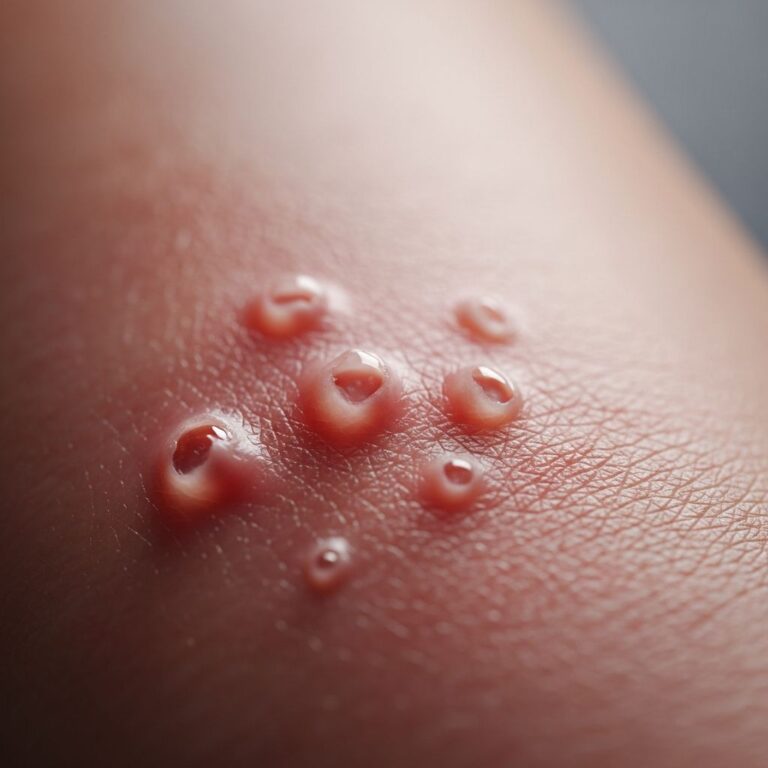
SDRIFE presents with sharply demarcated, symmetrical erythema in intertriginous zones: gluteal cleft (V-shaped), inguinal folds, axillae (89% cases), antecubital fossae. Colors range erythematous (89%), dusky/violaceous (21-26%), rarely hyperpigmented. Morphology: maculopapular or eczematous plaques; vesicles/bullae infrequent (<10%).
Onset: 6-24 hours (sensitized) to 1-2 weeks (naive). Intense pruritus common; burning in severe cases. Resolution spontaneous post-withdrawal (1-2 weeks), hastened by steroids. Figures depict classic bilateral axillary/inguinal involvement sparing trunk.
| Site | Frequency (%) |
|---|---|
| Inguinal creases | 90-95 |
| Axillae | 80-89 |
| Gluteal/natal cleft | 70-80 |
| Antecubital | 40-50 |
| Neck/popliteal | 10-20 |
Data synthesized from case series.
Diagnosis
Primarily clinical using Hausermann criteria (2006, refined 2013):
- Exposure to systemic drug.
- Sharply demarcated erythema (gluteal/anogenital ± other folds).
- Symmetry.
- Absence of systemic signs.
- Exclusion of other causes.
Supportive: Positive patch testing (50%) or oral rechallenge (diagnostic gold standard, ethically limited). Biopsy nonspecific: spongiotic dermatitis, perivascular CD4+ infiltrate ± eosinophils/histiocytes. Naranjo score often “probable”>6.
Differential diagnosis
- Inverse psoriasis: Scaly plaques, nail pitting, positive Auspitz.
- Candidiasis/tinea: Satellite pustules, KOH+, responds to antifungals.
- Contact dermatitis: Asymmetrical, history of topicals.
- TEC (chemotherapy): Diffuse flexural, resolves post-cycle.
- Baboon syndrome: Buttocks-centric post-topical sensitization.
Related Stories



Investigations
- Skin biopsy if atypical.
- Patch tests 4-6 weeks post-resolution.
- Drug provocation test (rarely).
- Exclude infection (swab/culture/KOH).
No routine bloods needed absent systemic features.
Management
Cornerstone: Immediate culprit drug cessation. Symptomatic relief with potent topical corticosteroids (e.g., clobetasol 0.05%) ± oral antihistamines. Systemic steroids rarely for refractory cases. Resolution typical within days-weeks; avoid re-exposure lifelong. Benign prognosis, no scarring.
Drugs reported to cause SDRIFE
Comprehensive list (non-exhaustive, alphabetical):
- Amoxicillin, ampicillin, cefalexin, cephalosporins.
- Carbamazepine, ciprofloxacin.
- Dapsone, erythromycin.
- Fluconazole, ibuprofen, infliximab.
- Metoprolol, nickel, NSAIDs.
- Paracetamol (acetaminophen).
- Terbinafine, vancomycin.
Beta-lactams predominate (>50%).
Prevention
Avoid known triggers; label allergies accurately. Clinician awareness prevents rechallenge. No cross-reactivity within classes except beta-lactams.
Patient education
Advise recognizing flexural rash post-new meds; seek prompt dermatology review. Self-resolves off-drug but steroids speed comfort. Document for medical records.
History of SDRIFE
Coined 1984 as baboon syndrome (mercury systemic contact dermatitis). Refined 2006-2013 to SDRIFE excluding topical sensitization/generalized rash. Growing reports with biologics/chemotherapeutics.
Frequently Asked Questions
Is SDRIFE dangerous?
No, it’s benign without systemic risk; resolves fully post-drug stop.
How long does SDRIFE last?
1-2 weeks untreated; faster with topicals.
Can SDRIFE recur?
Yes, on re-exposure to culprit.
What tests confirm SDRIFE?
Clinical criteria primary; patch/biopsy supportive.
Does paracetamol cause SDRIFE?
Rarely, as in reported cases without gluteal involvement.
References
- Symmetrical drug-related intertriginous and flexural exanthema (SDRIFE) associated with infliximab — PubMed/NCBI. 2023-01-04. https://pubmed.ncbi.nlm.nih.gov/36617314/
- Symmetrical drug-related intertriginous and flexural exanthema — DermNet NZ. Recent update. https://dermnetnz.org/topics/symmetrical-drug-related-intertriginous-and-flexural-exanthema
- Symmetrical drug-related intertriginous and flexural exanthema without baboon syndrome due to paracetamol — Skin Allergy Journal. 2023. https://skinallergyjournal.com/symmetrical-drug-related-intertriginous-and-flexural-exanthema-without-baboon-syndrome-due-to-paracetamol-an-uncommon-side-effect-of-a-common-drug-a-case-report-and-a-review-of-literature/
- Symmetric drug-related intertriginous and flexural exanthema — University of Michigan Deep Blue (peer-reviewed). 2022. https://deepblue.lib.umich.edu/bitstream/handle/2027.42/170947/cup14090.pdf?sequence=2
- Symmetrical Drug-related Intertriginous and Flexural Exanthema (SDRIFE) — EJCRIM. Recent. https://www.ejcrim.com/index.php/EJCRIM/article/view/3029/2914
Similar Articles








Read full bio of Sneha Tete