Sympathectomy: Nerve Surgery for Excessive Sweating
Understand sympathectomy surgery: A minimally invasive procedure to treat excessive sweating and related conditions.
What is Sympathectomy?
A sympathectomy is a minimally invasive surgical procedure designed to interrupt the sympathetic nerve pathway, which controls involuntary bodily functions. The sympathetic nervous system is responsible for the body’s “fight-or-flight” response and regulates automatic functions including sweating, blood vessel constriction, and skin flushing. During a sympathectomy, a surgeon cuts, clips, or destroys portions of the sympathetic nerve chain that runs along the spine in the chest cavity. This interruption prevents nerve signals from triggering excessive sweating, severe facial blushing, or abnormal blood vessel constriction in specific areas of the body.
The procedure represents a significant advance in surgical treatment, particularly for conditions that have not responded to conservative management. By directly addressing the nerve pathway responsible for problematic symptoms, sympathectomy offers a more permanent solution compared to topical treatments or medications.
Anatomy and Affected Systems
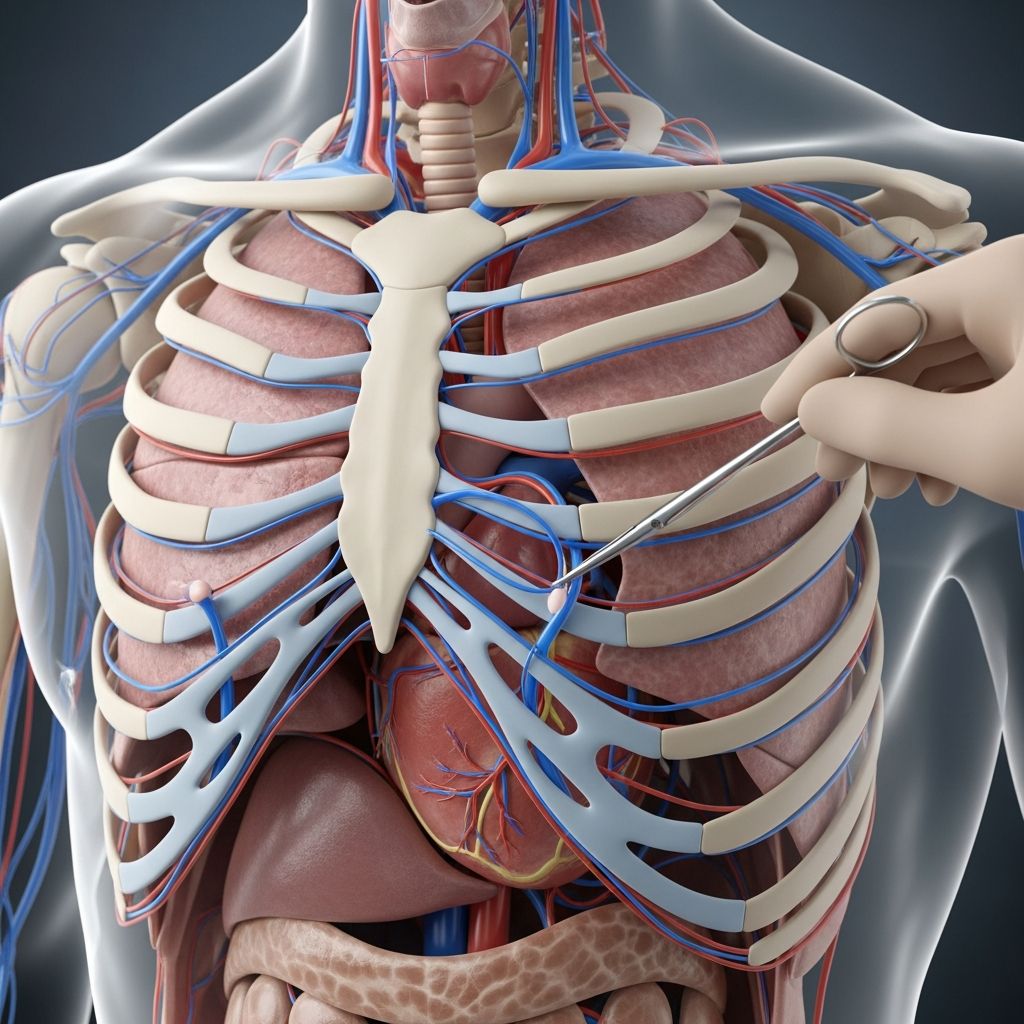
The sympathectomy procedure targets specific anatomical structures within the body’s nervous system. The surgery primarily affects:
– The sympathetic nerve chain running along the spine- The chest cavity and thoracic region- Nerve pathways controlling sweat glands- Blood vessel regulation in the extremities- The cervical and thoracic spinal segments
Understanding the relevant anatomy is crucial for patients and healthcare providers to appreciate how the procedure works and why it can be effective for various conditions.
Conditions Treated by Sympathectomy
Hyperhidrosis (Excessive Sweating)
The most common indication for sympathectomy is hyperhidrosis, a condition characterized by abnormally heavy sweating in the palms of the hands, underarms, face, and sometimes the feet. Unlike normal sweating triggered by heat or physical exertion, hyperhidrosis occurs excessively even in cool environments or at rest. This condition can significantly impact quality of life, affecting social interactions, professional activities, and emotional well-being. For patients with primary hyperhidrosis—where excessive sweating occurs without an underlying medical cause—sympathectomy offers one of the few permanent treatment options.
Raynaud’s Phenomenon
Raynaud’s phenomenon is a condition where blood vessels in the extremities become hypersensitive to cold temperatures or emotional stress, causing painful constriction of blood flow. Patients experience color changes in their fingers and toes, along with numbness and pain. Sympathectomy addresses this condition by interrupting the nerve signals that cause excessive vasoconstriction, allowing improved blood flow to affected areas even during cold exposure.
Facial Blushing and Flushing
Severe facial blushing and uncontrollable flushing can be socially debilitating for some patients. These conditions result from sympathetic nerve activity causing blood vessel dilation in the face. Sympathectomy interrupts these signals, providing relief for patients with severe facial flushing that has not responded to other treatments.
Other Conditions
Additional indications for sympathectomy may include certain chronic pain syndromes and specific cardiac arrhythmias such as congenital ventricular tachycardia or long QT syndrome. In these cases, interrupting sympathetic nerve activity can help regulate dangerous heart rhythms and reduce pain perception in affected areas.
Pre-operative Assessment and Evaluation
Before undergoing sympathectomy, patients undergo a comprehensive preliminary assessment to determine if they are suitable candidates for the procedure. A key diagnostic test involves injecting a steroid and anesthetic solution into the specific sympathetic nerve that will be targeted during surgery. This temporary nerve blockade allows surgeons and patients to assess whether the symptoms would be relieved by permanent surgical interruption. If symptoms significantly improve during this temporary blockade, the patient is typically considered a good candidate for sympathectomy.
Related Stories



Additionally, patients may undergo imaging studies and vascular assessments to evaluate current blood flow and ensure that improving sympathetic nerve function would benefit their condition. This careful pre-operative evaluation helps ensure successful outcomes and appropriate patient selection.
The Sympathectomy Procedure
Anesthesia and Positioning
The sympathectomy procedure is performed under general anesthesia, which renders the patient unconscious and pain-free throughout the surgery. Once anesthesia is administered, the patient is positioned appropriately to allow the surgeon access to the sympathetic nerve chain. The entire surgical process typically takes one to three hours, depending on the complexity of the case and whether the procedure is performed on one or both sides of the body.
Minimally Invasive Endoscopic Approach
Modern sympathectomy procedures utilize endoscopic thoracic sympathectomy (ETS), a minimally invasive technique. The surgeon makes two to three small incisions (typically 5-10mm) under the armpit on the side where the excessive sweating occurs or where symptoms are most problematic. These small incisions allow access to the chest cavity without requiring a large surgical opening.
The surgeon then temporarily collapses the lung on the operative side by allowing air into the chest cavity. This creates adequate space for visualization and surgical manipulation of the sympathetic nerve chain without damaging lung tissue.
Visualization and Nerve Identification
A small fiber-optic camera called an endoscope is inserted through one of the incisions. This camera projects detailed video images onto a monitor in the operating room, allowing the surgeon to visualize the sympathetic nerve chain and surrounding structures in real-time. This magnified visualization ensures precise identification of the correct nerve segments to be interrupted.
Nerve Interruption Techniques
Once the appropriate sympathetic nerve segments are identified, the surgeon uses specialized instruments to cut, clip, or destroy the targeted nerve tissue. Techniques may include:
– Surgical cutting of the nerve chain- Clipping the nerve to interrupt conduction- Laser ablation to destroy nerve tissue- Radiofrequency ablation in selected cases
The specific technique used depends on the surgeon’s preference, the patient’s anatomy, and the particular condition being treated. The goal is to completely interrupt nerve conduction without causing collateral damage to surrounding structures such as blood vessels, the esophagus, or other vital organs.
Completion and Closure
After the sympathetic nerves on one side have been successfully interrupted, the lung is re-expanded by removing the air that was introduced into the chest cavity. The surgeon removes the endoscope and surgical instruments, and the small incisions are closed with sutures. If excessive sweating occurs bilaterally (on both sides of the body), the same procedure is repeated on the opposite side.
A small drainage tube may be left in the chest cavity temporarily to prevent fluid accumulation and is typically removed within 24 hours. This minimally invasive approach results in less scarring and faster recovery compared to traditional open surgical techniques.
Effectiveness and Expected Outcomes
Sympathectomy demonstrates impressive effectiveness rates for treating hyperhidrosis, with success rates exceeding 98 percent for eliminating excessive sweating of the hands. Patients typically experience dramatic improvement in symptoms within days to weeks following the procedure. The results are generally permanent, as the surgically interrupted nerve pathway does not typically regenerate.
Beyond symptom relief, many patients report significant improvements in quality of life, including increased confidence in social and professional situations, ability to wear lighter clothing without worry of visible sweat stains, and elimination of the embarrassment associated with excessive sweating or facial blushing.
Post-operative assessment may include Doppler ultrasonography, a non-invasive imaging technique that uses sound waves to measure blood flow in the affected areas. This assessment helps confirm that the procedure successfully improved circulation by eliminating the excessive sympathetic nerve-mediated vasoconstriction.
Recovery and Post-operative Care
One of the advantages of the minimally invasive endoscopic approach is relatively quick recovery. Most patients can return to normal activities within one to two weeks following the procedure. Initial post-operative discomfort is typically mild, managed with oral pain medications as needed.
Patients should follow specific post-operative instructions provided by their surgical team, which may include restrictions on heavy lifting or strenuous activity for several weeks, precautions regarding incision care, and guidelines for recognizing signs of infection or complications.
Most patients are discharged the same day or after an overnight hospital stay, making this an outpatient or short-stay procedure for many candidates.
Complications and Side Effects
Compensatory Sweating
The most common side effect of sympathectomy is compensatory sweating, where sweating increases in other areas of the body, particularly the trunk and lower body. This occurs because the body attempts to regulate temperature through alternative sweat glands not affected by the nerve interruption. While generally less bothersome than the original hyperhidrosis, compensatory sweating can be significant in some patients and should be discussed during pre-operative consultation.
Cardiovascular Effects
Changes in blood pressure may occur following sympathectomy, as the sympathetic nervous system plays a role in vascular regulation. Most patients adjust well, but those with hypertension or cardiovascular disease should be carefully evaluated and monitored.
Other Potential Complications
Less common complications may include:
– Horner’s syndrome (rare; involves drooping eyelid and constricted pupil on one side)- Gustatory sweating (sweating while eating)- Decreased exercise tolerance- Recurrence of symptoms if nerve regeneration occurs- Infection at incision sites- Bleeding or fluid accumulation in the chest
Incomplete Nerve Interruption
In some cases, the initial nerve cut may be incomplete, or sweat signals may reroute through nearby nerve pathways. This can result in recurrence of hyperhidrosis on one or both sides of the body. A second surgical procedure may be necessary in approximately 5-15 percent of patients.
Comparison with Alternative Treatments
| Treatment Option | Duration of Effect | Invasiveness | Success Rate | Cost |
|---|---|---|---|---|
| Antiperspirants | 24-48 hours | Topical | Moderate | Low |
| Botulinum Toxin Injections | 4-6 months | Minimally invasive | High | Moderate-High |
| Iontophoresis | 3-7 days | Non-invasive | Moderate | Moderate |
| Oral Medications | Variable | Non-invasive | Moderate | Low-Moderate |
| Sympathectomy | Permanent | Minimally invasive surgical | Over 98% | Highest |
While less invasive treatments such as Botulinum toxin injections and antiperspirants have become increasingly popular, sympathectomy remains a relevant and highly effective option for patients with severe symptoms who have failed conservative management and seek a permanent solution.
Patient Selection and Candidacy
Ideal candidates for sympathectomy typically include patients who:
– Have failed trials of conservative treatments (antiperspirants, medications, Botulinum toxin)- Have severe, debilitating hyperhidrosis significantly impacting quality of life- Are in good general health and able to tolerate general anesthesia- Have realistic expectations about the procedure and potential complications- Have thoroughly discussed risks and benefits with their surgical team- Demonstrate positive response to pre-operative sympathetic nerve blockade testing
Patients with certain cardiovascular conditions, severe respiratory disease, or those taking specific medications may require additional evaluation or may not be suitable candidates. A thorough medical history and physical examination are essential components of the candidacy assessment.
Frequently Asked Questions
Q: Is sympathectomy permanent?
A: Yes, sympathectomy is generally permanent because the surgically interrupted nerve pathway does not typically regenerate. However, in rare cases (5-15%), compensatory pathways may develop, requiring a second procedure.
Q: How long does recovery take?
A: Most patients return to normal activities within one to two weeks. However, full recovery and complete resolution of symptoms may take several weeks.
Q: What is compensatory sweating?
A: Compensatory sweating is increased sweating in other body areas, particularly the trunk and legs, as the body attempts to regulate temperature through alternative sweat glands. It occurs in most patients but is usually less bothersome than the original condition.
Q: Can sympathectomy be reversed?
A: Sympathectomy is not easily reversible because the nerve tissue is permanently interrupted. This is why careful patient selection and pre-operative testing are crucial.
Q: Will insurance cover sympathectomy?
A: Coverage varies by insurance plan and medical necessity. Pre-authorization and documentation of failed conservative treatments are typically required.
Q: Can sympathectomy be performed on both sides during one surgery?
A: Yes, many surgeons can perform bilateral sympathectomy in a single operation, though this extends surgical time and recovery slightly.
References
- Sympathectomy — EBSCO Research Starters. 2024. https://www.ebsco.com/research-starters/health-and-medicine/sympathectomy
- Sympathectomy — University of Rochester Medical Center. 2024. https://www.urmc.rochester.edu/encyclopedia/Content?contentTypeID=135&ContentID=25
- Endoscopic Thoracic Sympathectomy — Florida Health Finder Quality. 2024. https://quality.healthfinder.fl.gov/health-encyclopedia/HIE/1/007291
- Sympathectomy: Procedure Details & Side Effects — Cleveland Clinic. 2024. https://my.clevelandclinic.org/health/procedures/sympathectomy
- Endoscopic Thoracic Sympathectomy — UCSF Cardiac Surgery. 2024. https://cardiacsurgery.ucsf.edu/procedure/endoscopic-thoracic-sympathectomy
- Surgery, ETS — International Hyperhidrosis Society. 2024. https://www.sweathelp.org/hyperhidrosis-treatments/ets-surgery.html
- Endoscopic Sympathectomy: Causes, Symptoms, and Treatments — UPMC Neurosurgery. 2024. https://www.upmc.com/services/neurosurgery/spine/treatment/surgery/endoscopic-sympathectomy
Similar Articles








Read full bio of medha deb