Symptoms and Diagnosis of Multiple Pregnancy
Understanding twin and multiple pregnancies: key symptoms, diagnostic methods, and what to expect.
Understanding Multiple Pregnancy: Symptoms and Diagnosis
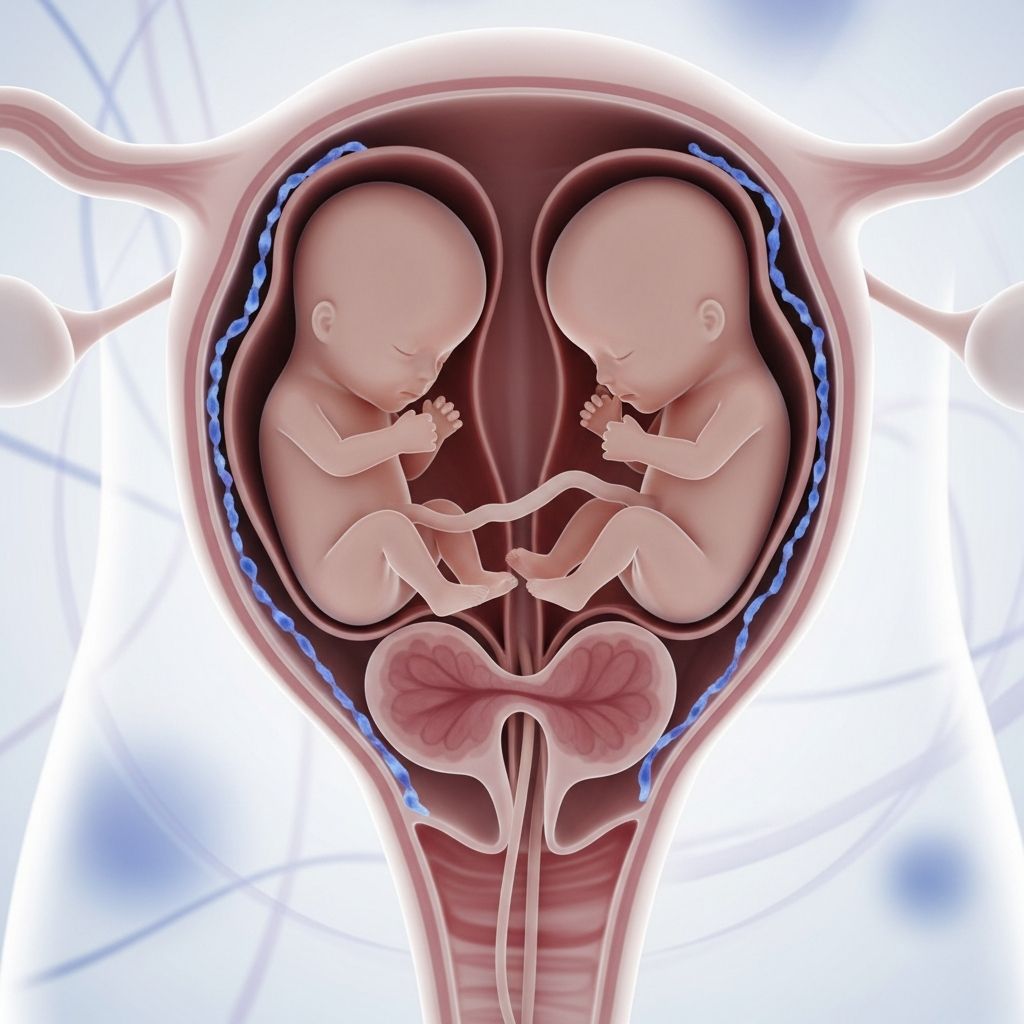
A multiple pregnancy occurs when a woman is expecting more than one baby—whether twins, triplets, or higher-order multiples. While many pregnancy symptoms experienced by women carrying multiples are similar to those of singleton pregnancies, they are often more intense and pronounced. Understanding the signs and symptoms of multiple pregnancy, along with the diagnostic methods used to confirm it, can help expectant mothers prepare for specialized care and anticipate the unique challenges that may arise during their pregnancy journey.
Common Symptoms of Multiple Pregnancy
Recognizing the symptoms of a multiple pregnancy is an important first step, though it’s essential to understand that these signs alone cannot confirm multiples. The symptoms of multiple pregnancy often mirror those of a single pregnancy but tend to be more pronounced and develop more rapidly.
Physical Signs and Symptoms
Women carrying multiples frequently experience heightened versions of standard pregnancy symptoms. The following are common indicators of a multiple pregnancy:
- Rapid weight gain: Women pregnant with multiples typically gain weight more quickly, especially in the first trimester, compared to those carrying a single baby.
- Larger-than-expected uterus: The uterus grows more quickly and to a larger size when accommodating multiple fetuses, which can be detected during physical examinations.
- Severe morning sickness: Nausea and vomiting tend to be more intense and may persist longer than in singleton pregnancies.
- Increased breast tenderness: Breasts may feel unusually sore and sensitive due to higher hormone levels.
- Heightened fatigue: Exhaustion is often more pronounced as the body works to support multiple developing babies.
- Increased back pain: The additional weight and stress on the spine and supporting muscles can cause more pronounced back discomfort.
- Increased appetite: The body requires additional calories to support multiple fetuses, leading to enhanced hunger.
- Feeling movement in different parts of the stomach simultaneously: One of the distinctive signs of multiples is experiencing fetal movement in different areas of the abdomen at the same time, which can help differentiate multiple pregnancy from singleton pregnancy.
How Multiple Pregnancy is Diagnosed
While the symptoms above may suggest a multiple pregnancy, only medical testing can definitively confirm it. Healthcare providers use several diagnostic methods to identify and confirm multiple pregnancies.
Initial Assessment and Health History
The diagnostic process often begins with a comprehensive review of the patient’s medical and reproductive history. Healthcare providers will consider factors such as age, family history of multiples, use of fertility treatments, and any medications taken. Women over 35 years old are naturally more likely to release multiple eggs during ovulation, increasing the probability of conceiving multiples naturally. Additionally, women who have used assisted reproductive technologies are at higher risk of multiple pregnancies.
Physical Examination
During a physical examination, healthcare providers assess whether the uterus is larger than expected for the stage of pregnancy. They may also listen for multiple fetal heartbeats, though this can be challenging and is not always conclusive, especially early in pregnancy when the fetuses are still small.
Blood Tests
Blood tests play a crucial role in identifying possible multiple pregnancies by measuring hormone and protein levels in the mother’s bloodstream.
Human Chorionic Gonadotropin (hCG): This hormone is produced during pregnancy, and levels are typically higher in women carrying multiples. An unusually elevated hCG level in early pregnancy blood tests can indicate the presence of more than one fetus.
Related Stories



Alpha-fetoprotein (AFP): This protein is produced by the developing fetus and is present in the mother’s blood. Higher-than-normal AFP levels may suggest multiple fetuses, as more than one baby produces more of this protein. However, elevated AFP levels can also indicate other conditions, so this test is typically used alongside other diagnostic methods.
It’s important to note that while elevated hormone and protein levels can suggest multiple pregnancy, they are not definitive proof. Healthcare providers use these results in combination with other diagnostic tests to make an accurate diagnosis.
Ultrasound Examination
Ultrasound is the gold standard for diagnosing multiple pregnancy and is the most reliable and definitive method available. This imaging technique uses high-frequency sound waves to create detailed images of the uterus and developing fetuses.
Types of Ultrasounds: Early in pregnancy, typically during the first 8-14 weeks (the dating ultrasound), transvaginal ultrasound may be performed, where a small probe is inserted into the vagina to obtain clear images of the early embryos. As pregnancy progresses into the second and third trimesters, transabdominal ultrasound is more commonly used, where a probe is moved across the abdomen to visualize the fetuses.
What Ultrasound Reveals: During an ultrasound examination, healthcare providers can clearly visualize the number of fetuses present, confirm fetal heartbeats, measure fetal development, and determine chorionicity and amnionicity—whether each fetus shares a placenta and amniotic sac or has separate ones. This information is critical for determining the type of multiple pregnancy and the level of monitoring required.
Types of Multiple Pregnancies
Understanding the type of multiple pregnancy is important because it affects the level of monitoring and potential complications.
| Type of Multiple Pregnancy | Description | Development | Risk Level |
|---|---|---|---|
| Dichorionic-Diamniotic | Each fetus has its own placenta and amniotic sac | Results from two separate fertilized eggs | Lower risk |
| Monochorionic-Diamniotic | Fetuses share one placenta but have separate amniotic sacs | Results from one fertilized egg that splits | Moderate risk |
| Monochorionic-Monoamniotic | Fetuses share both placenta and amniotic sac | Results from one fertilized egg that splits late | Higher risk |
Prenatal Care for Multiple Pregnancies
Women carrying multiples require specialized prenatal care and more frequent monitoring compared to those with singleton pregnancies. This increased level of care is essential to identify and manage potential complications early.
Increased Monitoring Schedule
Healthcare providers typically recommend more frequent prenatal visits for women with multiple pregnancies. Starting in the second trimester, ultrasound examinations are usually performed every 4 to 6 weeks to monitor fetal growth, check placental function, and assess amniotic fluid levels. This frequent monitoring helps ensure that both babies are developing appropriately and that any potential problems are identified promptly.
Specialized Testing
Women with multiple pregnancies may undergo additional screening and diagnostic tests, including:
- Genetic screening tests to assess risk for chromosomal abnormalities
- Growth ultrasounds to monitor fetal development and identify discordant growth patterns
- Doppler ultrasounds to assess blood flow to the fetuses
- Amniocentesis or chorionic villus sampling (CVS) if birth defects are suspected
Potential Complications of Multiple Pregnancy
While many multiple pregnancies result in healthy outcomes, they do carry increased risks for certain complications that require careful monitoring and management.
Preterm Birth
The most common complication of multiple pregnancy is preterm birth—delivery before 37 weeks of gestation. More than half of all twins are born preterm, and triplets and higher-order multiples are almost always born preterm. Babies born before 37 weeks may face developmental challenges and health complications requiring specialized neonatal care.
Growth Discordance
Discordant growth, where one fetus grows significantly slower than the other, is relatively common in multiple pregnancies. While this doesn’t always indicate a problem, it may result from placental issues, intrauterine infections, or twin-to-twin transfusion syndrome (TTTS). Regular monitoring through ultrasound helps identify and manage these situations.
Twin-to-Twin Transfusion Syndrome (TTTS)
This condition occurs in some monochorionic-diamniotic twin pregnancies when an imbalance in placental blood flow causes one twin to receive too much blood (recipient) while the other receives too little (donor). This can lead to serious complications for both fetuses and requires specialized care and potentially intrauterine interventions.
Gestational Diabetes and Preeclampsia
Women carrying multiples have an increased risk of developing gestational diabetes and preeclampsia—a serious condition characterized by high blood pressure and protein in the urine. Regular screening and monitoring are essential to identify and manage these conditions promptly.
Other Potential Complications
Additional complications associated with multiple pregnancy include polyhydramnios (excessive amniotic fluid), placental abruption, anemia, postpartum hemorrhage, and increased risk of postpartum depression.
When to Contact Your Healthcare Provider
If you’re pregnant with multiples, it’s important to contact your healthcare provider immediately if you experience:
- Vaginal bleeding or fluid leakage
- Severe abdominal pain or cramping
- Persistent headaches or vision changes
- Excessive swelling in the face, hands, or feet
- Severe or persistent vomiting
- Decreased fetal movement
- Signs of preterm labor, such as regular contractions or pelvic pressure
Preparing for Birth with Multiples
As pregnancy progresses, healthcare providers will discuss delivery options and prepare parents for the birth of multiples. Factors such as fetal positioning, chorionicity, and any complications will influence delivery planning. Many multiple pregnancies result in cesarean delivery, though vaginal birth is possible in some cases, particularly when both fetuses are in head-down positions.
Frequently Asked Questions About Multiple Pregnancy
Q: Can I confirm I’m pregnant with multiples at home?
A: No. While home pregnancy tests can confirm pregnancy, they cannot determine if you’re carrying multiples. Only medical tests, particularly ultrasound, can definitively confirm multiple pregnancy.
Q: Are there lifestyle changes I should make if I’m pregnant with multiples?
A: Yes. You may need to increase caloric intake, ensure adequate rest, attend more frequent prenatal appointments, and discuss any exercise routines with your healthcare provider. Your provider will give specific guidance based on your individual circumstances.
Q: How early can multiple pregnancy be detected?
A: Ultrasound can typically detect multiple pregnancies during the first trimester, usually around 8-14 weeks of gestation. However, blood tests may suggest multiples even earlier.
Q: Is pregnancy with multiples higher risk?
A: Multiple pregnancies do carry increased risks for certain complications compared to singleton pregnancies, but with proper prenatal care and monitoring, most result in healthy outcomes for both babies.
Q: Will I need special monitoring throughout my pregnancy?
A: Yes. Women carrying multiples require more frequent prenatal visits and ultrasounds, typically every 4 to 6 weeks in the second and third trimesters, to monitor fetal development and identify any potential complications early.
Q: Can ultrasound always determine the number of fetuses accurately?
A: In most cases, yes. However, ultrasound accuracy is highest in early pregnancy and may be more challenging later in pregnancy when fetuses are larger and may be positioned in ways that make visualization difficult.
References
- Multiple Pregnancy — American College of Obstetricians and Gynecologists (ACOG). 2024. https://www.acog.org/womens-health/faqs/multiple-pregnancy
- Twin Pregnancy: Signs, Types, Care and Complications — Cleveland Clinic. 2023. https://my.clevelandclinic.org/health/articles/23158-twin-pregnancy
- Being Pregnant with Twins, Triplets and Other Multiples — March of Dimes. 2024. https://www.marchofdimes.org/find-support/topics/pregnancy/being-pregnant-twins-triplets-and-other-multiples
- Signs of Multiples in Early Pregnancy — Mass General Brigham. 2024. https://www.massgeneralbrigham.org/en/about/newsroom/articles/signs-multiple-pregnancy
- Symptoms and Diagnosis of Multiple Pregnancy — Phoenix Children’s. 2024. https://phoenixchildrens.org/specialties-conditions/symptoms-and-diagnosis-multiple-pregnancy
- Multiple Pregnancy: Signs and Symptoms of Twins and Triplets — The Mother Baby Center. 2025. https://www.themotherbabycenter.org/blog/2025/03/multiple-pregnancy-signs-and-symptoms-of-twins-and-triplets/
Similar Articles








Read full bio of medha deb