Undefined Symptoms Of Skin Disease: Itch, Pain, And Management
Understanding cutaneous symptoms: A comprehensive guide to itch, pain, and neuropathic conditions affecting the skin.
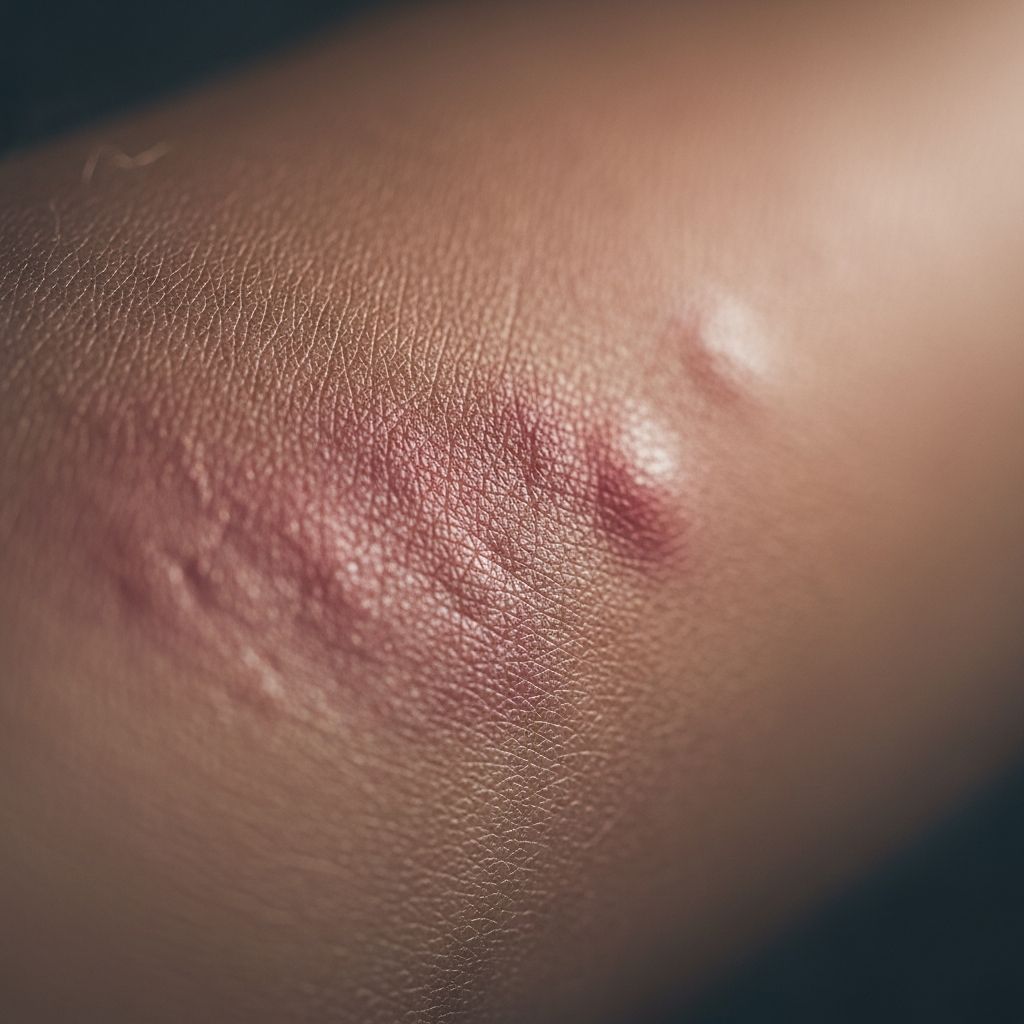
Symptoms of Skin Disease: Understanding Itch and Pain
The most common and predominant cutaneous symptom encountered in dermatological practice is itch, or pruritus. This subjective sensation can manifest in various patterns—localised or generalised, intermittent or continuous—and notably, it can occur even in the absence of visible skin changes. Pruritus represents one of the most bothersome symptoms for patients, often significantly impacting quality of life and sleep patterns. Understanding the mechanisms, presentation, and management of itch is essential for effective clinical practice.
Pain represents the second major cutaneous symptom and arises when the integrity of the skin is compromised. However, pain may also result from neuropathic stimuli, as seen in various forms of neuralgia. Patients describe pain using diverse terminology: stinging, burning, rawness, stabbing, boring, sharp or dull sensations. The distinction between inflammatory pain and neuropathic pain is clinically important for determining appropriate treatment strategies.
The Nature and Characteristics of Pruritus
Itch is a complex subjective and variable sensation that typically results in scratching behaviour. Although itch itself is predominantly unpleasant, paradoxically, the act of scratching produces pleasure—likely because the pain generated by scratching temporarily reduces the sensation of itch. This phenomenon creates a problematic cycle that perpetuates skin damage and inflammation.
The severity and pattern of pruritus vary considerably among individuals and can be influenced by numerous factors including:
- Environmental conditions such as temperature and humidity
- Emotional state and stress levels
- Time of day, with symptoms often worsening at night
- Specific triggers like contact with certain fabrics or products
- Underlying systemic conditions
Neurophysiology of Itch
The sensation of itch involves complex neurological mechanisms at the peripheral and central nervous system levels. At the peripheral level, specialised chemomediators operate on free nerve endings that are transmitted by C-fibres. Contemporary understanding suggests that specific itch fibres and nerve endings are responsible for pruritus, rather than itch being simply low-intensity pain at the dermoepidermal junction as previously theorised.
Various stimuli can trigger itch through these neural pathways:
- Mechanical stimuli from scratching or rubbing
- Electrical stimuli
- Chemical mediators including histamine, a major inflammatory mediator released by mast cells
- Substance P, a neuropeptide involved in pain and itch signalling
- Other inflammatory cytokines and chemokines
The central processing of itch involves transmission through the spinal cord and ascending pathways to higher brain centres, where conscious perception and modulation of the sensation occur. This understanding explains why psychological factors, stress, and distraction can significantly influence the perception and severity of pruritus.
Neuropathic Pain and Associated Sensory Changes
Neuropathic symptoms in skin disease may be accompanied by altered sensation known as dysaesthesia, often manifesting as hyperaesthesia (increased sensitivity to stimuli). These conditions arise from dysfunction of the peripheral or central nervous system rather than from primary inflammatory skin disease.
Related Stories



Key characteristics of neuropathic cutaneous symptoms include:
- Pain that is often burning or searing in quality
- Allodynia—severe pain provoked by normally innocuous stimuli such as light touch
- Dysaesthesia—abnormal sensations described as tingling, numbness, or electric shock-like sensations
- Symptoms that follow a dermatomal (nerve root) distribution
- Pain that may persist even after visible skin lesions have resolved
Clinical Examination and Assessment
Thorough clinical evaluation is essential for determining the cause of pruritus and pain. The examination should be systematic and comprehensive:
Physical Examination Approach
- Examine all skin surfaces: Complete inspection of the entire integument is necessary, including areas that patients may not spontaneously mention
- Document distribution pattern: Note whether symptoms are localised to specific areas or generalised across the body
- Identify primary lesions: Distinguish original pathological changes from secondary effects of scratching
- Assess secondary changes: Look for picked or linear excoriations, bruises, broken-off hair, and other signs of trauma from scratching or rubbing
- Examine fingernails: Nails used frequently for rubbing appear highly polished and may show other signs of chronic irritation
Importantly, a full medical examination is necessary if generalised itch is present without an obvious primary skin rash. This approach helps identify underlying systemic conditions such as hepatic disease, renal impairment, malignancy, thyroid dysfunction, or haematological disorders that may manifest primarily through pruritus.
Laboratory and Diagnostic Testing
The selection of laboratory tests depends on clinical presentation and suspected aetiology:
When Infection Is Suspected
- Swabs and scrapings for viral, bacterial, and fungal culture
- Consideration of scabies, with careful examination for burrows along the sides and between fingers, on the wrists, and in other predilection sites
- Microscopy of burrow contents to identify mites and confirm diagnosis
When Primary Lesions Are Identified
- Skin biopsy of a typical primary lesion can be highly informative for diagnosis
- Biopsy of secondary lesions (scratched areas) should be avoided as pathology shows non-specific inflammatory and healing changes that may be misleading
- Biopsy is particularly valuable when diagnosis remains uncertain despite clinical assessment
When Generalised Pruritus Without Primary Rash
When pruritus is generalised and no primary skin rash is evident, laboratory investigation is indicated to exclude systemic causes. Minimum testing should include:
- Full blood count and differential
- Comprehensive metabolic panel including liver and kidney function tests
- Thyroid function tests
- Blood glucose testing
- Iron studies and serum ferritin
- Chest X-ray if pulmonary symptoms, signs, or unexplained lymphadenopathy are present
The Itch-Scratch Cycle
A critical concept in understanding and managing pruritus is the itch-scratch cycle. In many cases, itch is indeed related to an inflammatory condition affecting the skin; however, the cyclical process of scratching can perpetuate and worsen the condition. When patients scratch, they cause mechanical injury to the skin, creating:
- Excoriations and erosions
- Secondary bacterial infection risk
- Inflammatory response to injury
- Further itch sensation, perpetuating the cycle
Breaking this cycle is essential for successful treatment and requires both management of the underlying condition and prevention of scratching through protective measures and symptom control.
Localised Itch Without Primary Rash
Localised pruritus in the absence of a primary skin rash may indicate neuropathic pruritus arising from nerve root impingement, typically presenting in a dermatomal distribution. Secondary complications may develop through repeated scratching and rubbing, including:
- Hyperpigmentation or hypopigmentation in affected areas
- Lichen simplex—localised lichenified eczema resulting from chronic rubbing
- Thickened, leathery skin (lichenification)
- Visible scratch marks and excoriations
Management requires identification of the underlying neuropathic cause and treatment of both the primary condition and any secondary dermatitis that develops from scratching.
Management of Pruritus
General Measures
Effective management begins with addressing the underlying cause and implementing general supportive measures:
- Identify and avoid triggers such as irritant substances, harsh soaps, or specific fabrics
- Maintain appropriate skin hydration through regular emollient use
- Avoid excessive bathing and use lukewarm rather than hot water
- Keep nails trimmed short to minimise damage from scratching
- Use soft, breathable clothing
- Maintain appropriate environmental humidity and temperature
- Manage stress through relaxation techniques when relevant
Topical Antipruritic Treatments
Specific topical agents provide direct relief:
- Emollients: Regular application of moisturisers reduces skin dryness and irritation
- Topical corticosteroids: Reduce inflammation and provide anti-itch effects; strength depends on location and severity
- Topical anaesthetics: Provide symptomatic relief in localised conditions
- Menthol and camphor: Produce cooling sensation and reduce itch perception
- Calcineurin inhibitors: Non-steroidal options for sensitive areas
Oral Agents
Systemic medications address pruritus through various mechanisms:
- Antihistamines: First-line agents, particularly effective for histamine-mediated itch
- Tricyclic antidepressants: Particularly useful for neuropathic itch
- Gabapentin and pregabalin: Effective for neuropathic pruritus
- Systemic corticosteroids: Reserved for severe cases due to side effects
The Neurophysiology of Pain
Cutaneous pain transmission involves a well-defined peripheral and central nervous system pathway. Pain information is conveyed by a dual fibre system:
- Slow unmyelinated C-fibres: Transmit slower, burning pain
- Faster myelinated A-delta fibres: Transmit faster, sharp pricking pain
The cell bodies of these sensory neurones reside in the posterior (dorsal) root ganglia of the spinal cord. These neurones send processes both to the skin periphery and into the spinal cord, where bundles form Lissauer’s tract. Pain fibres terminate in the dorsal horns of the spinal column, where secondary neurones relay pain information to higher centres in the brain-stem, thalamus, and cerebral cortex.
This anatomical arrangement explains different pain qualities: stimulation of myelinated A-delta fibres produces sharp, pricking pain, while stimulation of unmyelinated C-fibres produces stinging and burning pain sensations.
Deep Pain and Referred Pain
Pain originating from deep structures such as visceral organs, muscle, or bone differs from cutaneous pain in character. Deep pain is typically:
- Diffuse rather than well-localised
- Aching in quality
- Poorly defined in terms of exact location
Importantly, pain from deep structures may be referred to the skin surface through convergence of pain pathways in the spinal cord. This referred pain often follows dermatomal distributions and must be distinguished from primary cutaneous pain for appropriate management.
Specific Cutaneous Neuropathic Syndromes
Postherpetic Neuralgia
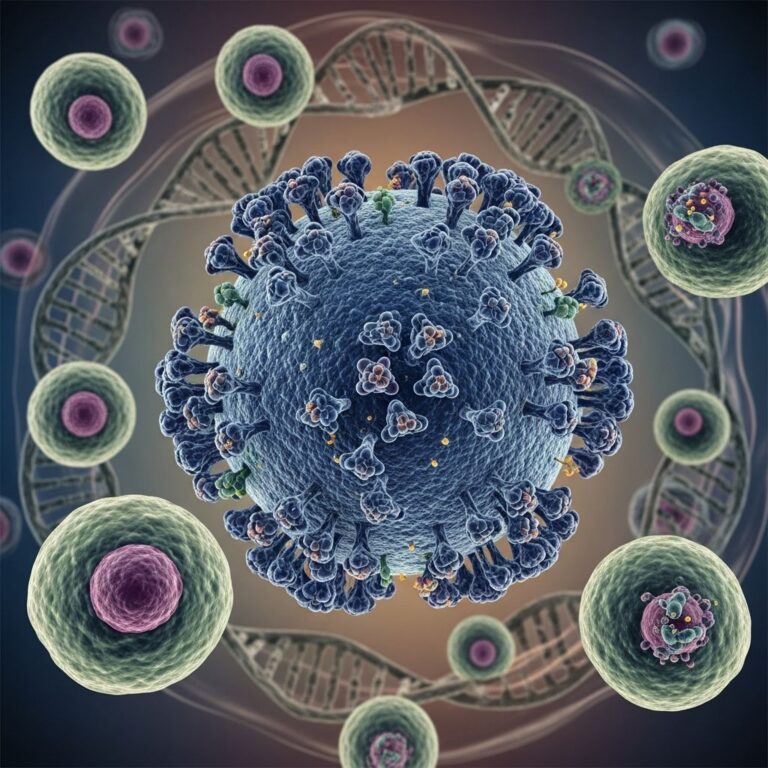
Postherpetic neuralgia (PHN) represents the most common neuropathic pain syndrome affecting the skin and is a serious complication of herpes zoster (shingles). The condition arises as a radiculopathy resulting from viral reactivation of Herpes zoster, a double-stranded DNA virus that establishes latent infection in dorsal root ganglia following primary chickenpox infection.
Epidemiology: Viral reactivation occurs in approximately 15% of adults, most commonly in those over 60 years of age. The incidence and severity of PHN increase significantly with advancing age.
Clinical presentation: Neuralgia may begin before, during, or after the typical dermatomal rash appears and can persist for months or even years after the rash resolves. The condition is characterised by:
- Aching and burning pain sensations
- Dysaesthesia and paraesthesia
- Allodynia—severe pain from light touch or contact
- Symptoms restricted to the same dermatome as the original rash
- Pain that is often severe and debilitating
Prognosis: Recovery may be partial or complete, with approximately 90% of patients experiencing resolution within six months. However, some individuals experience chronic pain lasting years.
Treatment approaches: Management is multimodal and may include:
- Topical anaesthetics and analgesics for localised relief
- Oral analgesics including acetaminophen and non-steroidal anti-inflammatory drugs
- Tricyclic antidepressants such as amitriptyline
- Gabapentin and pregabalin (anticonvulsants effective for neuropathic pain)
- Transcutaneous electrical nerve stimulation (TENS)
- Physiotherapy and rehabilitation
- Systemic corticosteroids in selected cases
Prevention: Prompt identification and early antiviral treatment of acute herpes zoster with oral antiviral agents (acyclovir, valacyclovir, or famciclovir) within 72 hours of rash onset significantly prevents the development of postherpetic neuralgia or substantially reduces its severity.
Frequently Asked Questions
Q: What is the difference between acute and chronic pruritus?
A: Acute pruritus develops suddenly and is usually associated with an identifiable skin condition or systemic trigger. Chronic pruritus persists for extended periods, often weeks to months, and may be more resistant to treatment. Chronic pruritus often requires investigation for underlying systemic causes.
Q: Why does scratching provide relief if it causes damage?
A: Scratching activates pain pathways that temporarily override the sensation of itch, providing short-term relief. However, this creates a harmful cycle as the mechanical damage and inflammation from scratching perpetuate and worsen the underlying itch sensation.
Q: Can pruritus occur without visible skin changes?
A: Yes, pruritus frequently occurs without visible primary skin lesions. This presentation suggests either a neuropathic cause or an underlying systemic condition, necessitating careful medical investigation including laboratory testing and systemic evaluation.
Q: How is neuropathic pain different from inflammatory pain?
A: Inflammatory pain results from tissue injury and inflammation with typical signs of erythema and swelling. Neuropathic pain arises from nerve dysfunction and often presents with burning, shooting, or electric-like sensations, hyperaesthesia, and allodynia without necessarily visible skin changes.
Q: What is the success rate for preventing postherpetic neuralgia?
A: Early antiviral treatment of acute herpes zoster within 72 hours of rash onset significantly reduces the risk of postherpetic neuralgia development. Early intervention prevents PHN development or substantially reduces its severity in the majority of cases.
References
- Symptoms of Skin Disease — DermNet. 2009. https://dermnetnz.org/cme/wound-healing/symptoms-of-skin-disease
- Normal Wound Healing — DermNet. 2009. https://dermnetnz.org/cme/wound-healing/normal-wound-healing
- Understanding Neuropathic Pain — American Academy of Neurology, published 2023. https://www.aan.org
- Postherpetic Neuralgia: Clinical Features and Management — Mayo Clinic. 2024. https://www.mayoclinic.org
- Pruritus: Diagnosis and Management — American Academy of Dermatology. 2024. https://www.aad.org
Similar Articles








Read full bio of Sneha Tete