Syncope and Fainting: Causes, Symptoms, and Treatment
Understanding syncope: Learn about fainting causes, risk factors, and effective medical treatments.
Understanding Syncope: A Comprehensive Overview
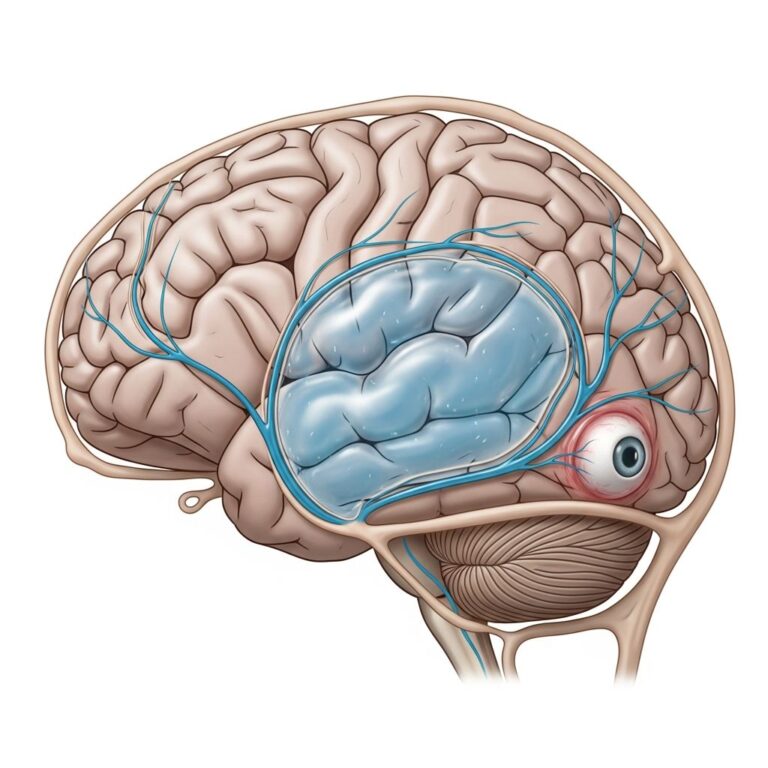
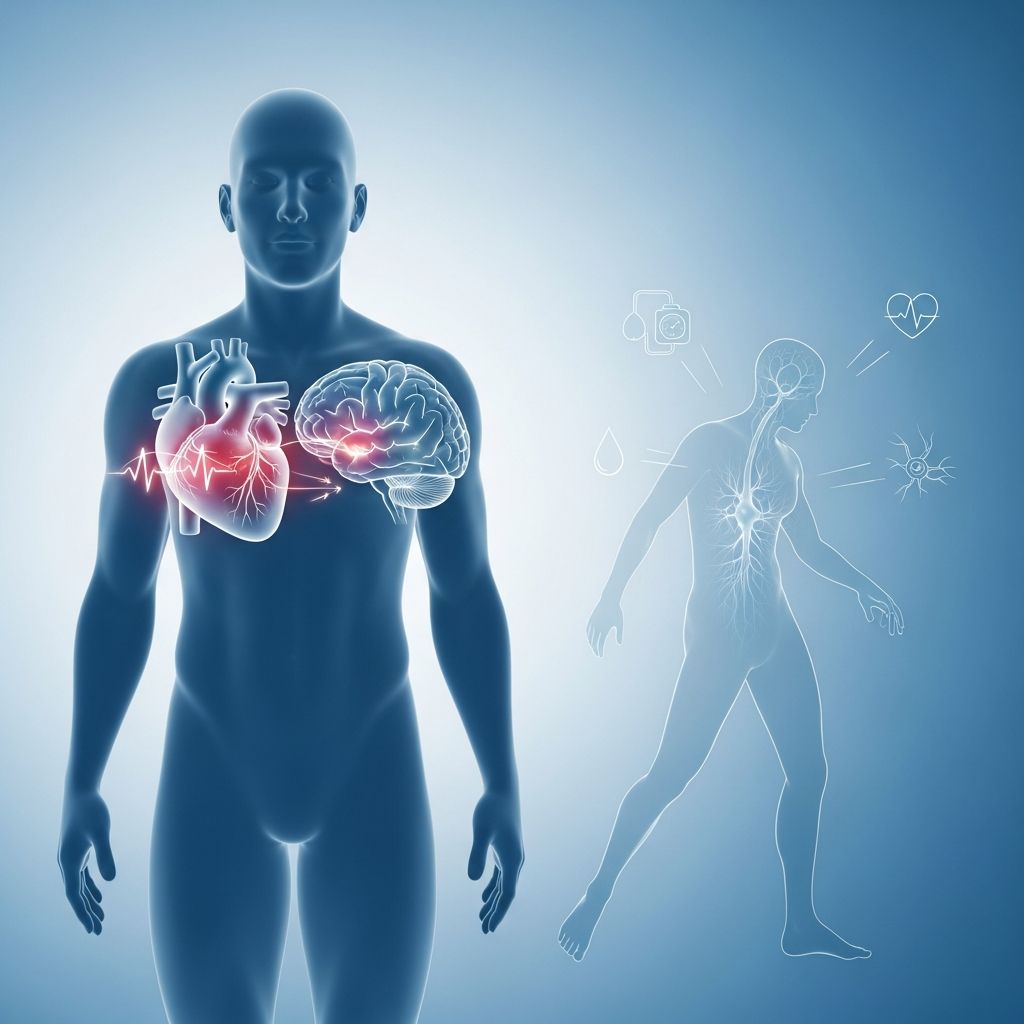
Syncope, commonly known as fainting, is a sudden and temporary loss of consciousness characterized by a complete lack of awareness and response to the surrounding environment. This medical condition results from a transient reduction in blood flow to the brain, leading to inadequate oxygen delivery to neural tissues. Unlike seizures or other neurological events, syncope typically presents with an abrupt onset, a brief duration lasting only seconds to minutes, and spontaneous recovery without requiring immediate medical intervention in most cases. Individuals who experience syncope generally regain consciousness and return to their normal baseline state quickly, though they may feel disoriented or fatigued immediately following the episode.
The prevalence of syncope in the general population is remarkably high, with studies indicating that more than one-third of people will experience at least one syncopal episode during their lifetime. This widespread occurrence makes syncope an important public health concern and a common reason for emergency department visits and medical consultations. Despite its frequency, syncope often remains undiagnosed or misunderstood, leading to unnecessary testing or missed opportunities for appropriate management.
Causes of Syncope
Syncope can be classified into three primary categories based on its underlying physiological mechanisms. Understanding these categories is essential for proper diagnosis and management.
Reflex-Mediated Syncope
Reflex-mediated syncope, also known as vasovagal syncope, represents the most common form of fainting and accounts for the majority of syncope cases in both adolescents and adults. This type occurs when the vagus nerve becomes overstimulated, triggering a sudden drop in heart rate and blood pressure. Vasovagal syncope is frequently triggered by emotional stress, anxiety, the sight of blood, pain, or prolonged standing in warm environments.
Situational syncope is a specific subtype of reflex-mediated syncope that occurs in specific circumstances, including urination, defecation, eating, coughing, or laughing. These activities stimulate the vagus nerve excessively, causing a sudden decrease in cardiac output and cerebral perfusion. Micturition syncope, particularly common in young men, frequently occurs at night when urinating after waking, a scenario that combines multiple risk factors including postural changes and increased vagal tone.
Carotid sinus hypersensitivity represents another form of reflex-mediated syncope, primarily occurring in elderly individuals. In this condition, external pressure on the carotid artery in the neck stimulates baroreceptors, triggering excessive vasodilation and a sudden reduction in blood pressure. This condition can be diagnosed through carotid sinus massage testing, a procedure in which gentle pressure applied to the carotid artery is monitored to assess whether it provokes a syncopal episode.
Orthostatic Hypotension
Orthostatic hypotension occurs when blood pressure drops significantly upon standing or assuming an upright posture. The body normally compensates for positional changes through autonomic nervous system responses that increase heart rate and maintain blood vessel tone. When these compensatory mechanisms fail, cerebral perfusion becomes inadequate, resulting in syncope. Common causes include dehydration, prolonged bed rest, medications affecting blood pressure regulation, and various medical conditions affecting autonomic nervous system function.
Cardiac Syncope
Cardiac syncope represents a more serious category, resulting from structural heart disease or dangerous cardiac arrhythmias. Unlike reflex-mediated syncope, cardiac causes warrant urgent evaluation and treatment due to their potential to cause sudden cardiac death. Cardiac syncope may result from ventricular arrhythmias, severe bradycardia, complete heart block, or structural abnormalities such as severe aortic stenosis or hypertrophic cardiomyopathy. The prognosis and treatment of cardiac syncope differ substantially from other syncope types and require specialized cardiac evaluation.
Related Stories



Risk Factors and Precipitating Events
Multiple factors can increase an individual’s susceptibility to syncope. Dehydration and inadequate fluid intake reduce circulating blood volume, increasing the risk of hypotension upon postural changes. Prolonged standing, particularly in warm environments, promotes vasodilation and blood pooling in the lower extremities, reducing venous return to the heart. Emotional triggers such as fear, anxiety, or psychological stress can activate the vagus nerve through central nervous system pathways.
Certain lifestyle factors significantly influence syncope risk. Sleep deprivation and disrupted circadian rhythms impair autonomic nervous system regulation, increasing vulnerability to vasovagal episodes. Substance use, including chronic cannabis consumption, may depress cardiac autonomic function and increase syncope susceptibility. Medications affecting blood pressure or cardiac function, including antihypertensives, diuretics, and certain psychiatric medications, can predispose individuals to orthostatic hypotension. Age-related physiological changes, including impaired baroreceptor sensitivity and decreased autonomic responsiveness, explain the higher incidence of orthostatic syncope in elderly populations.
Symptoms and Warning Signs
Many individuals experience prodromal symptoms—warning signs occurring seconds to minutes before complete loss of consciousness. Recognizing these symptoms allows time for preventive actions such as lying down to restore cerebral perfusion.
Common prodromal symptoms include:
- Dizziness or lightheadedness
- Blurred or tunnel vision
- Pallor or facial flushing
- Nausea or abdominal discomfort
- Sweating or feeling cold and clammy
- Palpitations or chest discomfort
- Weakness or difficulty hearing
- Sense of impending doom or anxiety
However, some syncopal episodes occur without warning, particularly those of cardiac origin. Witnesses may observe brief jerking movements that resemble seizures, though true convulsions are not present. Following recovery from syncope, individuals may experience fatigue, confusion, or brief post-event disorientation.
Diagnostic Evaluation
Establishing an accurate diagnosis of syncope requires a systematic approach combining clinical history, physical examination, and appropriate testing.
Clinical History and Physical Examination
The evaluation begins with a detailed history of the syncopal episode, including circumstances preceding the event, prodromal symptoms, witness accounts of the episode, and recovery characteristics. Information about medication use, recent illness, fluid intake, and sleep quality provides important context. Physical examination includes orthostatic vital signs—blood pressure and heart rate measurements in supine, sitting, and standing positions—to detect abnormal responses to postural changes. A thorough cardiovascular examination assesses for structural heart disease or arrhythmias.
Electrocardiography
A 12-lead electrocardiogram (EKG or ECG) represents a fundamental diagnostic test for syncope evaluation, providing information about cardiac rhythm, conduction abnormalities, and structural disease. Serial EKGs may reveal transient conduction abnormalities, bradycardia, or other abnormalities that only appear during or shortly after syncopal episodes. The EKG helps identify patients requiring specialized cardiac evaluation and distinguishes between reflex-mediated and cardiac syncope.
Tilt Table Testing
The tilt table test represents a valuable diagnostic tool for suspected vasovagal syncope. During this test, patients lie on a specially designed table that is gradually tilted to an upright position while heart rate and blood pressure are continuously monitored. A positive test, in which the patient develops hypotension and syncope or presyncope, supports the diagnosis of vasovagal syncope. This test helps confirm the reflex-mediated origin of symptoms and guides treatment planning.
Cardiac Testing
Patients with concerning features suggesting cardiac syncope require advanced cardiac testing. Echocardiography visualizes cardiac structure to identify structural abnormalities such as ventricular hypertrophy, valvular disease, or other anatomic abnormalities. Ambulatory cardiac monitoring, including Holter monitors or event monitors, records cardiac rhythm over extended periods to detect arrhythmias. Electrophysiological studies (EPS) may be performed in selected patients to assess conduction system function and identify arrhythmia mechanisms.
Other Diagnostic Studies
Laboratory studies assess electrolyte balance and identify metabolic abnormalities contributing to syncope risk. Carotid sinus massage testing helps diagnose carotid sinus hypersensitivity in elderly patients. Imaging studies such as cardiac MRI or CT may be indicated in specific clinical scenarios. The choice of diagnostic testing should be individualized based on clinical presentation and likelihood of different syncope causes.
Treatment Strategies
Treatment approaches vary significantly depending on the underlying cause of syncope. Reflex-mediated syncope and orthostatic hypotension typically respond to non-pharmacological interventions, while cardiac syncope often requires specialized treatment or device therapy.
Non-Pharmacological Management
For reflex-mediated syncope, patient education regarding prodromal symptoms and appropriate response is fundamental. Recognizing warning signs and immediately lying down restores cerebral perfusion and prevents complete loss of consciousness. Patients should avoid identified triggers and maintain adequate hydration and caloric intake. Compression garments may help prevent blood pooling in the lower extremities during prolonged standing. Regular physical conditioning and tilt training—gradual exposure to tilted positions—can reduce syncope recurrence in some patients.
Pharmacological Treatment
Medications may be prescribed for patients with recurrent syncope despite non-pharmacological measures. Midodrine, an alpha-adrenergic agonist, increases peripheral vascular resistance and has demonstrated effectiveness in reducing syncope recurrence in young patients. Beta-blockers reduce the initial surge in cardiac contractility that triggers the reflex cascade. Selective serotonin reuptake inhibitors (SSRIs) may benefit some patients, particularly those with anxiety-related syncope. Disopyramide, a medication with anticholinergic properties, helps some patients by preventing the cardioinhibitory reflex. Selection of specific medications depends on individual patient characteristics and syncope type.
Device Therapy
Cardiac pacemakers represent the definitive treatment for symptomatic bradycardia-induced syncope. These devices maintain adequate heart rate and cardiac output, preventing syncope recurrence. Implantable cardioverter-defibrillators (ICDs) protect patients prone to life-threatening ventricular arrhythmias. Device selection depends on the specific arrhythmia or conduction abnormality identified.
Treatment of Underlying Conditions
Addressing contributing medical conditions is essential. Correcting electrolyte abnormalities, optimizing blood pressure control, adjusting medications causing orthostatic hypotension, and treating sleep disorders all contribute to syncope prevention. Patients should work with their healthcare providers to identify and modify lifestyle factors including sleep quality, hydration, and substance use.
Emergency First Aid and Recovery
When syncope occurs, immediate management focuses on maintaining cerebral perfusion. Positioning the patient supine immediately restores blood flow to the brain and prevents injury from falling. Elevating the legs promotes venous return to the heart. Most patients recover consciousness within minutes without requiring intervention. Once conscious, patients should remain supine for several minutes to restore normal circulation before gradually returning to sitting or standing. Emergency medical services should be contacted if syncope does not resolve quickly, if there is concern for cardiac causes, or if significant trauma occurred during the episode.
When to Seek Medical Attention
While most syncope episodes are benign, certain features warrant urgent medical evaluation. These include:
- First syncopal episode in an individual older than 50 years
- Syncope occurring during exertion or while lying down
- Family history of sudden cardiac death or inherited arrhythmia syndromes
- Known structural heart disease or significant cardiac risk factors
- Recurrent syncope despite treatment
- Associated chest pain, severe shortness of breath, or palpitations
- Syncope resulting in significant injury
- Uncertainty regarding the diagnosis
Frequently Asked Questions
Q: Is syncope the same as a seizure?
A: No. While observers may see brief jerking movements during syncope, syncope differs from seizures. Syncope results from reduced brain blood flow, while seizures involve abnormal electrical brain activity. Recovery from syncope is typically immediate, whereas seizure recovery may be prolonged with post-event confusion.
Q: Can syncope be prevented?
A: Yes, many syncopal episodes can be prevented through recognizing prodromal symptoms, lying down when warning signs appear, maintaining adequate hydration, avoiding prolonged standing in warm environments, and managing underlying medical conditions. Medications may reduce recurrence in selected patients.
Q: Is syncope dangerous?
A: Most syncope episodes are not immediately life-threatening, though injuries from falling can occur. However, syncope of cardiac origin carries higher risk and requires urgent evaluation and treatment. Any recurrent syncope warrants medical evaluation to determine the underlying cause.
Q: Can I drive after experiencing syncope?
A: Driving restrictions depend on syncope cause and frequency. Patients with diagnosed cardiac syncope or recurrent unexplained syncope typically should not drive until the condition is controlled. Consult your healthcare provider and local regulations regarding driving eligibility.
Q: What lifestyle changes help prevent syncope?
A: Maintain adequate hydration, avoid prolonged standing especially in warm environments, ensure sufficient sleep, manage stress, avoid identified triggers, and maintain regular physical activity. Rise slowly from lying or sitting positions to allow cardiovascular adjustment.
References
- Lifestyle Effects on an Unusual Presentation of Syncope — National Center for Biotechnology Information (NCBI), National Institutes of Health. 2024. https://pmc.ncbi.nlm.nih.gov/articles/PMC11465705/
- Midodrine Reduces Fainting in Young Patients — MDEdge Cardiology News, Johns Hopkins University. 2024. https://mdedge.com/ecardiologynews/article/243882/cardiology/midodrine-reduces-fainting-young-patients
- Hypotension and Syncope — Johns Hopkins University Research. 2024. https://pure.johnshopkins.edu/en/publications/hypotension-and-syncope/
Similar Articles








Read full bio of Sneha Tete