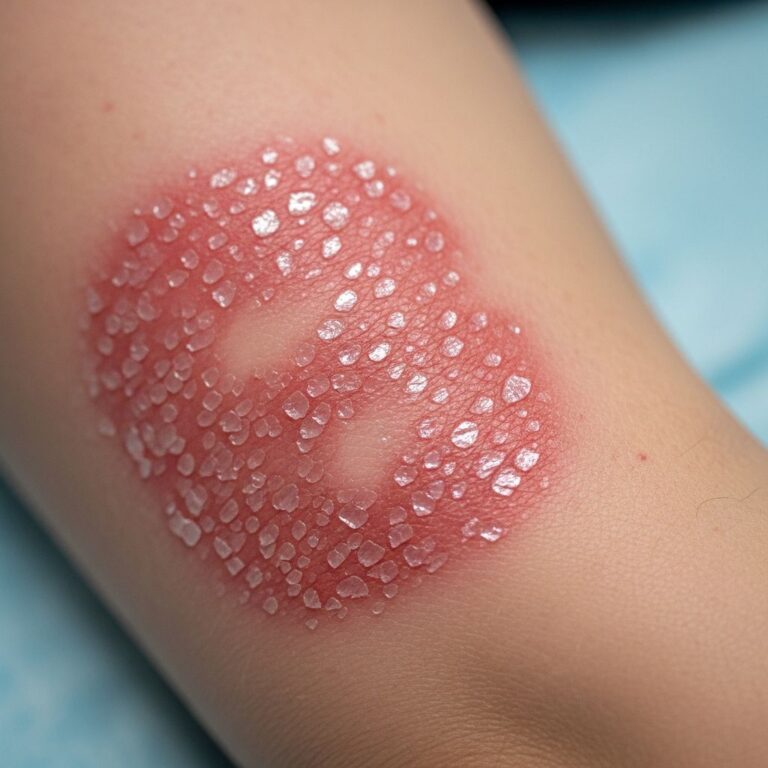
Synovitis: Causes, Symptoms, Diagnosis & Treatment
Complete guide to synovitis: understanding joint inflammation, its causes, symptoms, and effective treatment options.
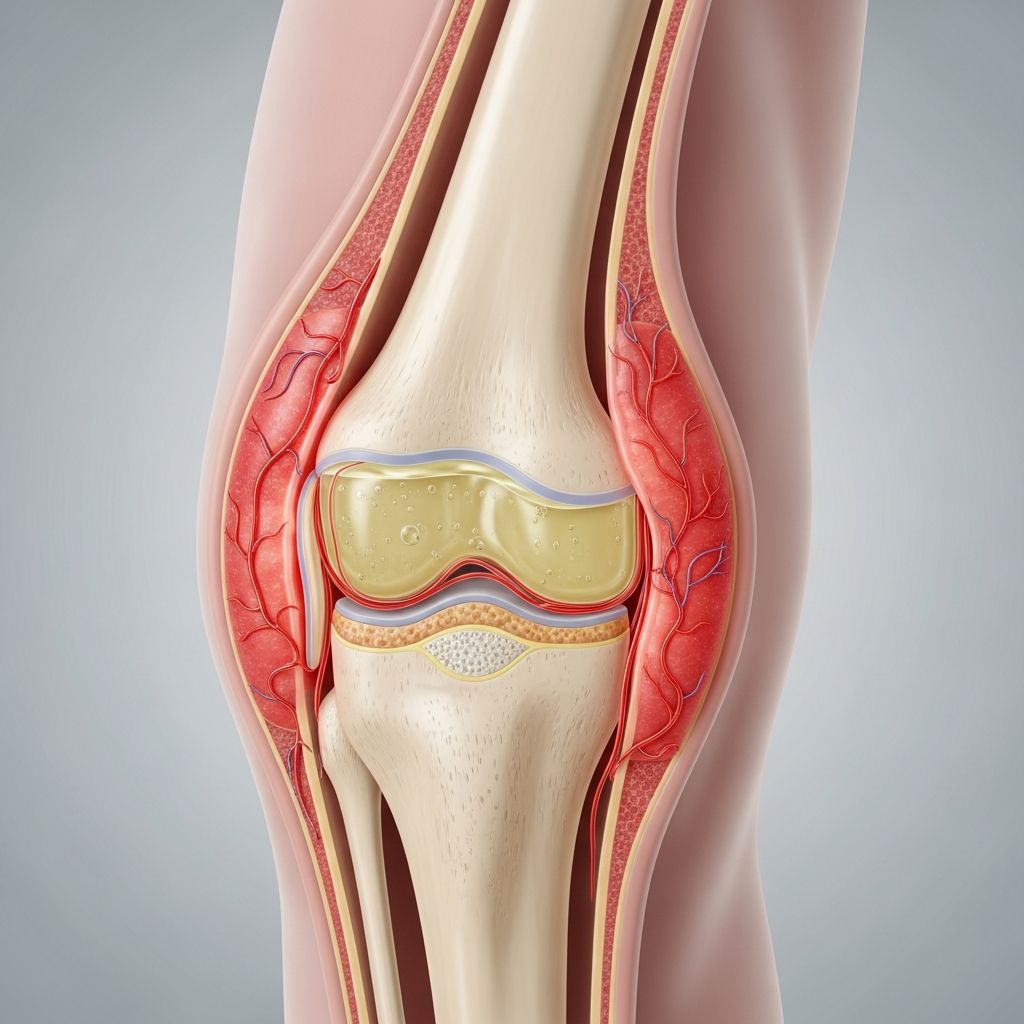
Understanding Synovitis: Joint Inflammation Explained
Synovitis is a medical condition characterized by inflammation of the synovial membrane, which is the thin tissue lining that surrounds your joints. The synovial membrane plays a crucial role in joint health and function, producing synovial fluid that lubricates joints and enables smooth movement. When this membrane becomes inflamed, it leads to pain, swelling, and reduced mobility. Understanding synovitis is essential for recognizing symptoms early and seeking appropriate treatment.
The term “synovitis” encompasses various inflammatory conditions affecting different joints throughout the body. While it can affect individuals of any age, certain types of synovitis are more common in specific age groups. The condition can develop suddenly or progress gradually, depending on the underlying cause and individual factors.
What Are Synovial Membranes?
Synovial membranes are thin, specialized barriers that line the interior of certain joints in your body. These membranes are responsible for several critical functions that maintain joint health and mobility. Understanding the structure and function of synovial membranes helps explain how synovitis develops and why it causes symptoms.
The primary function of synovial membranes is to produce synovial fluid, a viscous substance that acts as a natural lubricant for joints. This fluid reduces friction between bone surfaces, allowing smooth and painless movement. Additionally, synovial membranes provide nutrients to cartilage and help remove metabolic waste products from the joint space. The membrane also acts as a protective barrier, helping to maintain the joint’s stability and integrity.
Types of Synovitis
Synovitis manifests in different forms, and classification helps healthcare providers determine the most appropriate treatment approach. Understanding the different types is valuable for patients seeking to learn about their specific condition.
Acute Synovitis
Acute synovitis develops suddenly and is typically characterized by rapid onset of symptoms. This form often results from recent injury, infection, or viral illness. Acute synovitis usually responds well to conservative treatments like rest and anti-inflammatory medications.
Chronic Synovitis
Chronic synovitis develops gradually over time and persists for extended periods. This type is often associated with underlying conditions such as rheumatoid arthritis, osteoarthritis, or other inflammatory diseases. Chronic synovitis may require ongoing management and specialized treatment strategies.
Infectious Synovitis
When bacterial, viral, or fungal infections cause synovial membrane inflammation, it’s classified as infectious synovitis. This type requires prompt medical attention and appropriate antimicrobial treatment to prevent serious complications.
Non-Infectious Synovitis
Non-infectious synovitis results from causes other than infection, such as autoimmune disorders, trauma, or metabolic conditions. This category includes many common presentations of synovitis seen in clinical practice.
Symptoms of Synovitis
Recognizing the symptoms of synovitis is crucial for early diagnosis and treatment. Symptoms can vary depending on which joint is affected, the severity of inflammation, and the underlying cause.
Primary Symptoms
The most common symptom of synovitis is joint pain, which may range from mild discomfort to severe pain that limits daily activities. Pain associated with synovitis often worsens with movement and may improve with rest. The onset of pain can be gradual or sudden, depending on the cause.
Related Stories



Secondary Symptoms
Beyond pain, patients with synovitis frequently experience:
– Joint swelling due to accumulation of inflammatory fluid within the joint capsule- Warmth around the affected joint, indicating active inflammation- Stiffness, particularly noticeable in the morning or after periods of inactivity- Reduced range of motion and difficulty performing normal activities- Redness around the joint area in some cases- A feeling of instability or weakness in the affected joint
Causes and Risk Factors
Synovitis can develop from various causes, and identifying the underlying trigger is essential for effective treatment. The causes range from acute injuries to chronic systemic diseases.
Injury-Related Causes
Trauma to a joint can trigger synovitis as the body’s inflammatory response to tissue damage. Direct impact, sprains, or overuse injuries commonly lead to reactive synovitis. Athletes and individuals engaged in repetitive activities face increased risk.
Infectious Causes
Bacterial, viral, or fungal infections can cause infectious synovitis. Viral synovitis often occurs following upper respiratory infections, influenza, or other systemic infections. Bacterial infections require immediate treatment to prevent permanent joint damage.
Systemic and Autoimmune Conditions
Conditions such as rheumatoid arthritis, systemic lupus erythematosus, and other autoimmune disorders frequently cause synovitis. These conditions result in chronic inflammation affecting the synovial membranes of multiple joints.
Metabolic and Crystal-Related Causes
Gout and other crystal arthropathies can trigger synovitis when crystal deposits accumulate in joints. These conditions cause acute inflammatory responses that require specific management strategies.
Risk Factors
Certain factors increase susceptibility to developing synovitis:
– Age: Particularly young children with transient synovitis- Sex: Some types more common in specific genders- Previous joint injuries or surgery- Autoimmune disease presence- Occupational or recreational activities causing repetitive stress- Immune system compromise- Genetic predisposition to inflammatory conditions
Diagnosis of Synovitis
Accurate diagnosis requires a comprehensive evaluation combining clinical assessment and diagnostic testing. Healthcare providers use multiple approaches to confirm synovitis and identify its underlying cause.
Clinical Evaluation
Your healthcare provider begins with a detailed history regarding symptom onset, progression, and associated factors. They’ll ask about recent infections, injuries, or systemic symptoms. A thorough physical examination includes assessment of joint swelling, warmth, range of motion, and pain elicitation with specific movement patterns.
Laboratory Testing
Blood tests can help identify markers of inflammation such as erythrocyte sedimentation rate (ESR) and C-reactive protein (CRP). Complete blood counts may reveal signs of infection. If infection is suspected, blood cultures may be performed. Tests for autoimmune markers help identify conditions like rheumatoid arthritis.
Synovial Fluid Analysis
Arthrocentesis (joint aspiration) involves collecting fluid from the affected joint for analysis. Synovial fluid examination can determine cell counts, presence of crystals, and evidence of infection. This test is particularly valuable for distinguishing between infectious and non-infectious causes.
Imaging Studies
X-rays provide baseline structural information about the joint and can reveal complications or underlying joint disease. Ultrasound effectively visualizes joint effusions and soft tissue inflammation without radiation exposure. MRI offers detailed imaging of soft tissues and can detect early inflammatory changes not visible on other imaging modalities. CT scans may be used in specific clinical scenarios requiring detailed bone and soft tissue assessment.
Treatment Options for Synovitis
Treatment approaches vary based on the synovitis type, underlying cause, and symptom severity. Most cases respond well to conservative management, though some require more intensive intervention.
Conservative Management
Rest remains fundamental to synovitis treatment, allowing the inflamed synovial membrane to recover. Ice application reduces pain and swelling, particularly effective in acute presentations. Compression with elastic bandages and joint elevation help minimize fluid accumulation. Over-the-counter nonsteroidal anti-inflammatory drugs (NSAIDs) such as ibuprofen effectively reduce pain and inflammation.
Medical Interventions
Prescription-strength NSAIDs provide more potent anti-inflammatory effects for moderate to severe cases. Corticosteroid injections directly into the affected joint deliver targeted anti-inflammatory therapy. These injections often provide rapid symptom relief and may be repeated as needed. Disease-modifying antirheumatic drugs (DMARDs) are prescribed for autoimmune-related synovitis to suppress underlying inflammatory processes.
Physical Therapy
Gentle range-of-motion exercises prevent stiffness and maintain joint mobility during the acute phase. Gradual strengthening exercises restore muscle function and joint stability as symptoms improve. Physical therapists provide personalized strategies for activity modification and return to normal function.
Infectious Synovitis Treatment
Antibiotic therapy is essential when bacterial infection causes synovitis, chosen based on culture results and sensitivity testing. Antiviral medications may be indicated for specific viral infections. Prompt treatment prevents permanent joint damage from infectious causes.
Surgical Management
While most synovitis cases resolve with conservative treatment, surgical synovectomy (removal of inflamed synovial tissue) may be considered for chronic refractory cases or when recurrent inflammation impairs function. Arthroscopic procedures allow direct visualization and treatment of the affected joint.
Prognosis and Recovery
The outlook for synovitis depends significantly on the underlying cause and how quickly treatment is initiated. Most acute, non-infectious synovitis cases resolve completely within weeks to months with appropriate management. Recovery typically occurs gradually, with progressive improvement in pain and function.
Patients should expect gradual improvement rather than immediate relief. Initial symptom management focuses on pain reduction and inflammation control. As inflammation subsides, mobility gradually improves, allowing return to normal activities. Full recovery generally occurs within several weeks, though some cases may require extended management periods.
Compliance with treatment recommendations and activity modification significantly influences recovery outcomes. Returning to strenuous activities too quickly can prolong symptoms or trigger recurrence. Following healthcare provider guidance regarding activity progression ensures optimal healing.
Complications and When to Seek Care
While most synovitis cases resolve without complications, certain situations warrant prompt medical attention. Seek immediate care if you experience severe joint pain that prevents any movement, signs of infection such as fever with joint pain and swelling, or symptoms that worsen despite conservative treatment.
Long-term complications are relatively uncommon with appropriate treatment. However, recurrent synovitis episodes or chronic inflammation may eventually contribute to cartilage damage. Untreated infectious synovitis poses the greatest risk for permanent joint damage and systemic infection spread.
Prevention Strategies
While not all synovitis cases are preventable, certain strategies reduce risk. Maintain appropriate physical fitness and joint strength through regular, moderate exercise. Use proper techniques during sports and physical activities to minimize injury risk. Protect joints during high-risk activities using appropriate protective equipment. Manage underlying conditions like rheumatoid arthritis to reduce inflammatory synovitis risk. Treat infections promptly to prevent hematogenous joint seeding.
Frequently Asked Questions
Q: How long does synovitis typically last?
A: Acute non-infectious synovitis usually resolves within two to four weeks with appropriate treatment. Chronic synovitis may require ongoing management lasting months or longer. Recovery timelines vary based on underlying cause and individual factors.
Q: Can synovitis cause permanent damage?
A: Most synovitis cases resolve without permanent damage when treated appropriately. However, recurrent episodes or untreated infections may eventually lead to cartilage damage and chronic joint problems.
Q: Is synovitis the same as arthritis?
A: Synovitis is inflammation of the synovial membrane, which can occur as a standalone condition or as a component of various types of arthritis. While related, they are not synonymous conditions.
Q: Can I exercise with synovitis?
A: During acute inflammation phases, rest is recommended. As symptoms improve, gentle range-of-motion exercises can be gradually introduced. Consult your healthcare provider about appropriate activity levels for your specific situation.
Q: What’s the difference between synovitis and bursitis?
A: Synovitis involves inflammation of the synovial membrane lining joints, while bursitis affects small fluid-filled sacs (bursae) near joints. Although both cause joint-related pain, they are distinct conditions requiring different treatment approaches.
References
- Transient Synovitis (Toxic Synovitis): Symptoms, Causes & Treatment — Cleveland Clinic. 2025-08-14. https://my.clevelandclinic.org/health/diseases/transient-synovitis
- Synovial Membrane: What It Is, Function & Structure — Cleveland Clinic. 2025. https://my.clevelandclinic.org/health/body/25002-synovial-membrane
- Tenosynovitis: Symptoms, Causes, Types & Treatment — Cleveland Clinic. 2024-11-30. https://my.clevelandclinic.org/health/diseases/23448-tenosynovitis
- Pain in Multiple Joints – Musculoskeletal and Connective Tissue Disorders — Merck Manuals. https://www.merckmanuals.com/professional/musculoskeletal-and-connective-tissue-disorders/pain-in-and-around-joints/pain-in-multiple-joints
- Polymyalgia Rheumatica: An Updated Review — Cleveland Clinic Journal of Medicine. 2020. https://www.ccjm.org/content/87/9/549
- Joints in the Human Body: Anatomy, Types & Function — Cleveland Clinic. 2025. https://my.clevelandclinic.org/health/body/25137-joints
- A New Approach to Testing Treatments for Osteoarthritis: FastOA — National Institutes of Health. 2024. https://pmc.ncbi.nlm.nih.gov/articles/PMC10922495/
Similar Articles








Read full bio of medha deb