Synthetic Wound Dressings: 8 Key Types And Benefits
Advanced synthetic dressings for optimal wound healing, moisture control, and infection prevention in modern dermatology.
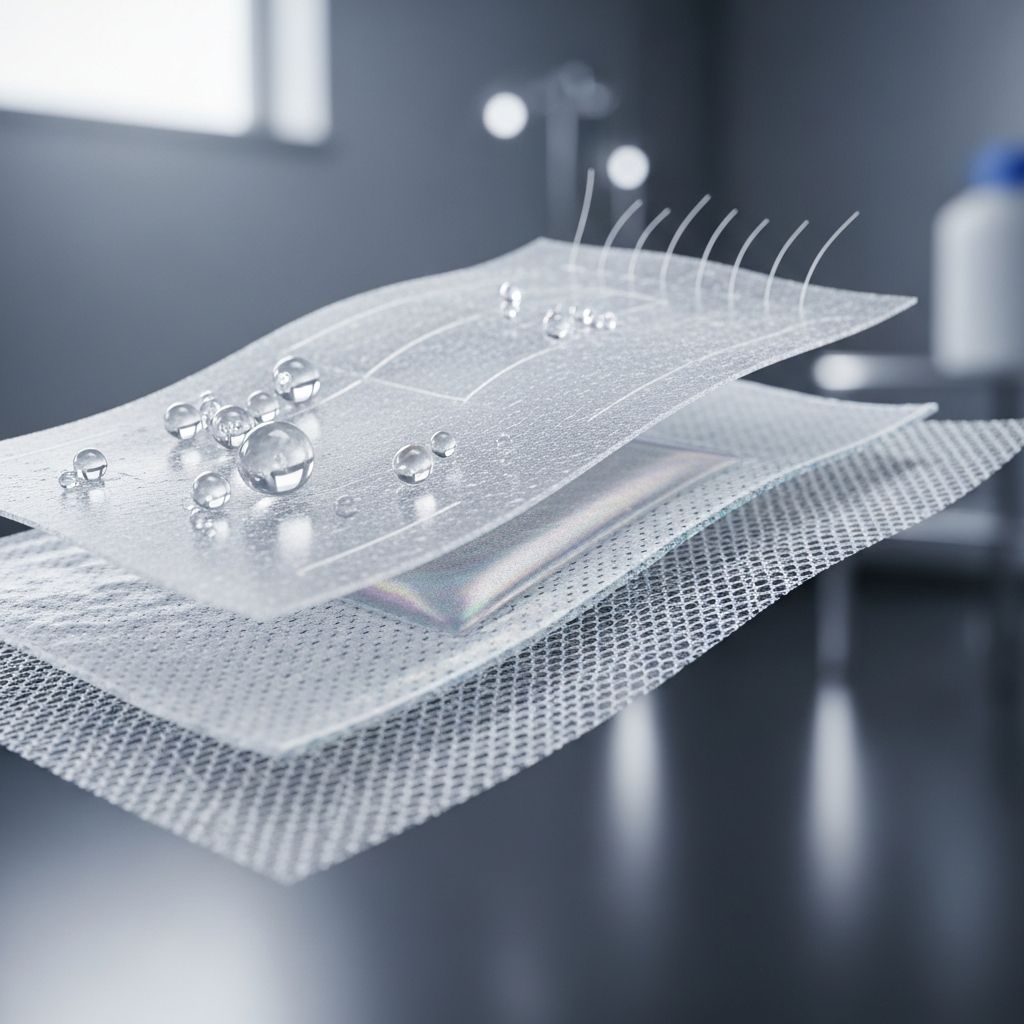
Synthetic wound dressings are advanced medical materials designed to cover wounds, absorb exudate, maintain moisture balance, and support tissue regeneration. Composed of biodegradable polymers and other synthetic compounds, they facilitate faster healing compared to traditional gauze by creating an optimal moist environment.
What are synthetic wound dressings?
Synthetic wound dressings are non-biological devices intended to temporarily cover skin defects, manage partial and full-thickness wounds, and act as scaffolds for cellular infiltration. The U.S. FDA classifies them under 21 CFR 878.4023 as absorbable devices made from materials like biodegradable polymers, which absorb exudate and maintain appropriate moisture. Unlike natural dressings such as collagen, synthetic options offer uniform composition, low cost, easy availability, and reduced safety risks like infection or rejection.
These dressings promote moist wound healing, a principle established in modern wound care that accelerates re-epithelialization by up to 40% in partial-thickness wounds, enhances collagen synthesis, and stimulates angiogenesis through a mildly hypoxic environment. They are particularly useful for superficial wounds, burns, diabetic ulcers, and surgical sites under sterile conditions.
Who is at risk of wounds requiring synthetic dressings?
- Patients with diabetes, prone to foot ulcers due to neuropathy and poor circulation.
- Individuals with venous or arterial insufficiency leading to leg ulcers.
- Post-surgical patients with donor sites or incisions.
- Burn victims with second-degree burns.
- Elderly or fragile-skinned individuals susceptible to skin tears.
- Trauma victims with abrasions or lacerations.
These populations benefit from synthetic dressings that minimize pain, trauma, and infection risk while optimizing healing.
Types of synthetic wound dressings
Synthetic dressings are categorized by their moisture management, exudate handling, and adhesion properties. Key types include films, foams, hydrocolloids, hydrogels, alginates, and silicone-based options.
Film dressings
Thin, transparent polyurethane films provide a bacterial barrier while allowing moisture vapor transmission. They are occlusive, maintaining a moist environment ideal for superficial wounds and IV sites. Benefits include visibility of the wound bed and waterproofing; drawbacks are poor exudate absorption for moderate-to-high drainage.
Foam dressings
Non-adherent polyurethane foams absorb moderate-to-high exudate, cushioning wounds and reducing pain. Silicone-adhesive variants minimize trauma on removal, conforming well to body contours for skin tears and exuding wounds. They promote autolysis and are suitable for pressure ulcers.
Hydrocolloid dressings
Gel-forming wafers from pectin and carboxymethylcellulose create an occlusive seal, absorbing light exudate while promoting autolytic debridement. They are flexible for irregular wounds but may cause odor or maceration if overused.
Hydrogel dressings
Water-based gels (80-90% water) hydrate dry wounds, facilitate debridement, and reduce pain. They are non-adherent, ideal for necrotic tissue or radiation ulcers, and serve as carriers for antimicrobials.
Alginate dressings
Seaweed-derived calcium alginates form gels upon exudate contact, highly absorbent for cavity wounds. They maintain moist healing and are hemostatic.
Silicone dressings
Soft silicone contact layers are atraumatic, reducing pain during changes by up to 50% compared to acrylic adhesives. They manage exudate via porous mesh, protect periwound skin, and reduce scarring in skin tears and burns.
Antimicrobial synthetic dressings
Silver-impregnated foams or alginates disrupt bacterial biofilms, preventing infection in colonized wounds. They offer broad-spectrum activity without staining risks in modern formulations.
Related Stories



Absorbable synthetic wound dressings
FDA-cleared for temporary coverage of non-infected defects, these biodegradable scaffolds integrate into the wound bed, preparing it for grafting. Clinical trials show 79% wound area reduction in diabetic ulcers vs. 37% for standard care.
Table: Comparison of Synthetic Wound Dressings
| Type | Exudate Level | Key Benefits | Indications | Drawbacks |
|---|---|---|---|---|
| Film | Low | Bacterial barrier, transparent | Superficial wounds | Poor absorption |
| Foam | Moderate-High | Absorbent, cushioning | Exuding ulcers | May macerate |
| Hydrocolloid | Low-Moderate | Occlusive, debridement | Pressure sores | Odor potential |
| Hydrogel | Low | Hydrating, pain relief | Necrotic wounds | Needs secondary dressing |
| Alginate | High | Gel-forming, hemostatic | Cavity wounds | Dries out low-exudate |
| Silicone | Low-Moderate | Atraumatic, flexible | Skin tears, burns | Costlier |
Benefits of synthetic wound dressings
- Moist healing environment: Accelerates epithelial migration and reduces healing time.
- Exudate management: Prevents maceration and leakage, reducing infection risk.
- Pain reduction: Non-adherent designs like silicone minimize trauma.
- Infection control: Antimicrobial variants lower ulcer infections.
- Scaffold function: Absorbable types promote integration and graft success.
- Cost-effectiveness: Fewer changes and uniform quality lower overall costs.
Clinical evidence and effectiveness
FDA-reviewed studies demonstrate absorbable synthetic dressings’ superiority: one RCT showed 79% vs. 37% wound reduction in diabetic foot ulcers at 12 weeks, with better neuropathic scores. In burns and donor sites, they match standard care for re-epithelialization while reducing graft failure. Silicone dressings cut dressing changes by allowing multi-day wear, saving time and analgesia needs. Modern dressings overall reduce healing time via autolysis and growth factor retention.
Management and selection
Select based on wound assessment: exudate level, depth, infection status, and location. Cleanse wounds gently, apply non-adherent layer, secure with secondary fixation. Change frequencies: daily for high exudate, 3-7 days for silicone/foams. Monitor for allergies or maceration.
Prevention of complications
- Use barriers for periwound protection.
- Avoid overuse in dry wounds to prevent maceration.
- Combine with NPWT or HBOT for chronic cases.
Future directions
Advancements include smart dressings with pH sensors and nanoparticle antimicrobials, enhancing real-time monitoring and targeted therapy.
Frequently Asked Questions (FAQs)
Q: When should synthetic wound dressings be used?
A: For non-infected partial/full-thickness wounds needing moisture balance, exudate control, or scaffolding, such as ulcers, burns, and surgical sites.
Q: Are synthetic dressings better than traditional gauze?
A: Yes, they promote faster moist healing, reduce pain/trauma, and lower infection vs. adherent gauze.
Q: Can silicone dressings be used on infected wounds?
A: Prefer antimicrobial variants; consult for signs of infection like increased exudate or odor.
Q: How often to change foam dressings?
A: Every 2-7 days or when saturated, based on exudate.
Q: Are absorbable dressings safe for diabetic ulcers?
A: FDA-cleared with evidence of superior healing rates over alginates.
References
- FDA Executive Summary: Classification of Absorbable Synthetic Wound Dressings — U.S. Food and Drug Administration. 2023-10-01. https://www.fda.gov/media/162545/download
- Wound Healing, Dressing Types & Choosing a Dressing — thePlasticsFella. 2024-05-15. https://www.theplasticsfella.com/wound-dressings/
- Why use silicone dressings for better skin tear healing? — Richardson Healthcare. 2023-11-20. https://richardsonhealthcare.com/silicone-dressings-for-skin-tears/
- Advances in the Management of Skin Wounds with Synthetic Dressings — ClinMed Journals. 2017-06-12. http://clinmedjournals.org/articles/cmrcr/clinical-medical-reviews-and-case-reports-cmrcr-3-131.php?jid=cmrcr
- Wound Dressings – StatPearls — NCBI Bookshelf. 2023-08-08. https://www.ncbi.nlm.nih.gov/books/NBK470199/
Similar Articles








Read full bio of Sneha Tete