Syphilis: Causes, Symptoms, Diagnosis & Treatment
Comprehensive guide to syphilis: understanding stages, symptoms, diagnosis, and antibiotic treatment options.
Understanding Syphilis: A Complete Guide to Stages, Symptoms, and Treatment
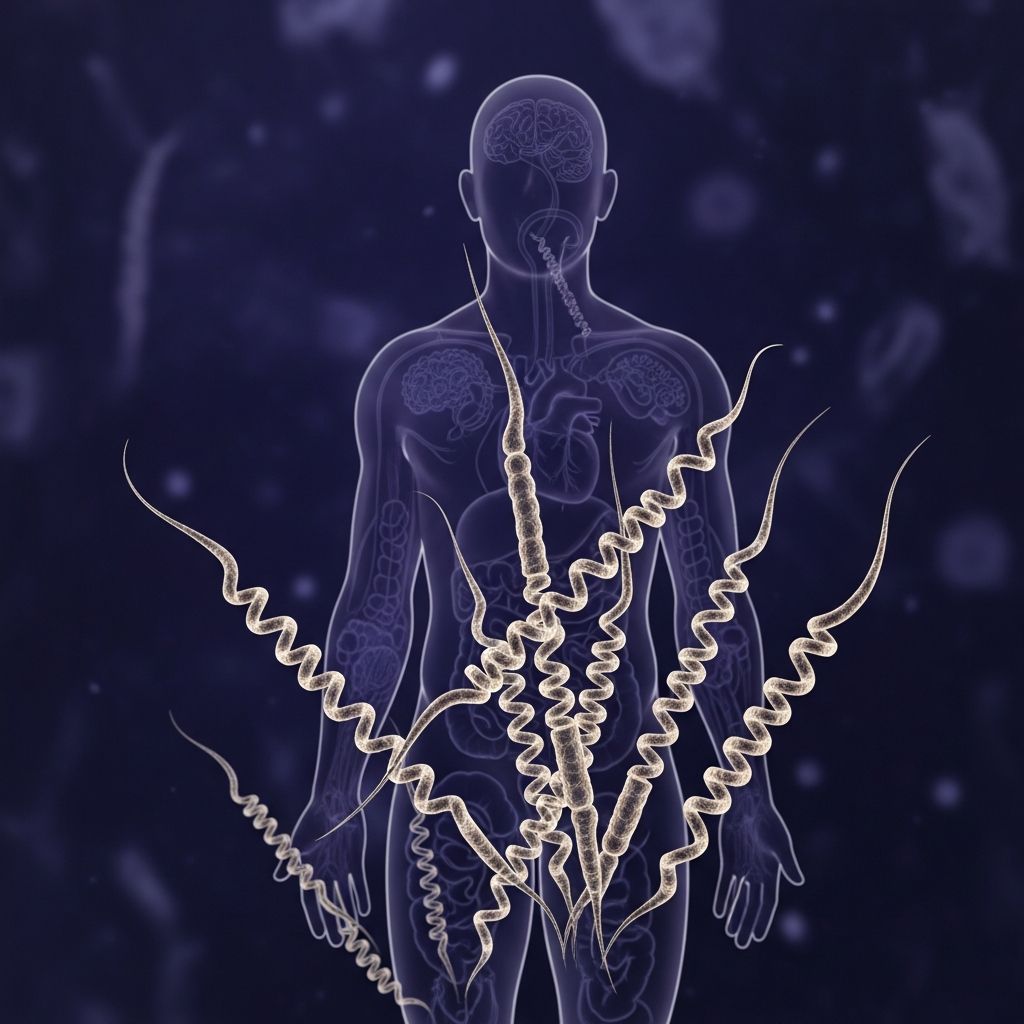
Syphilis is a sexually transmitted infection (STI) caused by a bacterial organism that can affect multiple body systems if left untreated. This infection is highly contagious and can progress through distinct stages, each with different symptoms and levels of contagiousness. The infection spreads primarily through vaginal, anal, or oral sex with an infected partner. Without proper treatment, syphilis can become life-threatening and cause permanent damage to vital organs including the heart and brain. However, when diagnosed early and treated appropriately with antibiotics, syphilis is entirely curable.
The Four Stages of Syphilis
Syphilis progresses through four distinct stages, each presenting different symptoms and transmission risks. Understanding these stages is crucial for early detection and treatment.
Primary Syphilis
The primary stage occurs between two to twelve weeks after exposure to someone with syphilis, though the typical onset is around three weeks. During this initial stage, the most characteristic sign is the appearance of a smooth, hard sore known as a chancre. This painless lesion typically develops at the site of exposure, which is usually the genital area but can also appear on the mouth or other sites depending on the mode of transmission. The chancre is typically small and may go unnoticed because it lacks pain or discomfort. Importantly, the sore will disappear on its own within a few weeks or months, but this natural healing does not indicate that the infection has been eliminated. Without medical intervention, the infection will progress to the secondary stage. During this stage, infected individuals remain highly contagious and can easily transmit the infection to their sexual partners.
Secondary Syphilis
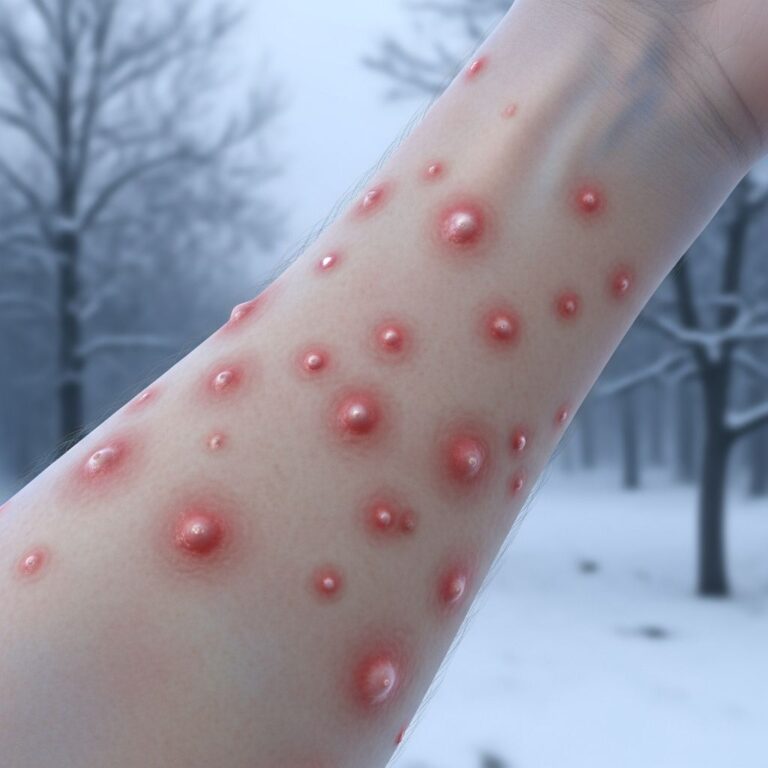
If primary syphilis remains untreated, the infection advances to the secondary stage. During this phase, more widespread symptoms develop, including skin rashes, fever, and swollen glands. The infected person remains highly contagious during this stage. Secondary syphilis can produce a variety of manifestations as the bacteria spread throughout the body, affecting multiple organ systems.
Latent Syphilis
In the latent stage, the infection persists without obvious symptoms. This stage can last for years, and the infected person may not realize they still have active syphilis. However, the disease can still cause internal damage and remain transmissible. The latent stage is divided into early latent (less than one year after infection) and late latent (more than one year after infection) phases.
Late (Tertiary) Syphilis
If syphilis remains untreated through the latent stage, it can progress to late-stage syphilis, which may begin years after the initial infection. This stage causes far more severe symptoms, including dementia, which is a mental disorder characterized by memory loss, and blindness. The damage caused by tertiary syphilis can be permanent and potentially life-threatening.
Recognizing Symptoms Across Different Stages
The symptoms of syphilis vary significantly depending on which stage of infection a person is experiencing. Early recognition of these symptoms is vital for successful treatment outcomes.
Primary Stage Symptoms
The hallmark symptom of primary syphilis is the chancre, which appears at the infection site. This lesion is typically:
– Firm and round in appearance- Small in size- Painless to the touch- Located in the genital area, but potentially in other locations depending on exposure
In some cases, the chancre may be atypical or subtle, making it easy to overlook.
Secondary Stage Symptoms
Secondary syphilis symptoms are more widespread and may include fever, fatigue, rashes, and lymph node swelling. These symptoms reflect the systemic nature of the infection.
Latent and Late Stage Symptoms
During the latent phase, symptoms may be absent entirely, yet the disease continues to progress internally. In the late stages, if neurological or ocular involvement occurs, symptoms can include vision problems, neurological complications, and cognitive decline.
Related Stories



Diagnosing Syphilis
Accurate diagnosis is essential for appropriate treatment. Healthcare providers use multiple diagnostic approaches to confirm syphilis infection.
The Diagnostic Process
Your healthcare provider will begin by taking a comprehensive sexual history and conducting a thorough physical examination. Be honest about your sexual practices and partners, as this information helps your provider assess your risk and recommend appropriate testing for other STIs as well.
Testing Methods
Several laboratory tests can confirm syphilis diagnosis:
Blood Tests
Blood tests are the primary method for diagnosing syphilis. These tests detect antibodies or other markers that indicate syphilis infection. Quick tests can be performed at a doctor’s office or public health clinic. If initial screening results are positive, indicating you have antibodies that may be from a syphilis infection, your provider will likely order a second confirmatory test to determine whether you actually have syphilis.
Darkfield Microscopy
In this test, your healthcare provider removes fluid or a small piece of skin from a syphilis sore and examines it under a microscope. The syphilis-causing bacteria are visible through this specialized microscopy technique.
Cerebrospinal Fluid Tests
If your doctor suspects neurosyphilis, they may perform a lumbar puncture to collect cerebrospinal fluid for testing. This test is particularly important if you present with neurologic or ocular symptoms, as it helps determine appropriate treatment protocols.
Why Professional Testing Matters
The only way to definitively know if you have syphilis is through professional testing at a healthcare facility. Over-the-counter tests are not reliable for syphilis diagnosis. Your healthcare provider can interpret results accurately and recommend the appropriate course of action.
Treatment Options and Protocols
Syphilis is curable when diagnosed and treated promptly with antibiotics. The specific treatment regimen depends on the stage of infection and your individual health circumstances.
Primary Treatment Approach
Your healthcare provider treats syphilis with antibiotics, which are medications designed to eliminate bacterial infections. Penicillin is the most commonly used and most effective antibiotic for syphilis treatment.
Treatment Duration Based on Stage
The amount of medication you need and the duration of treatment depends on your syphilis stage and symptoms:
Early-Stage Treatment
If you’ve had syphilis for less than a year (primary, secondary, or early latent syphilis), one dose of penicillin is usually sufficient to eliminate the infection. This medication is administered as an injection into your muscle.
Later-Stage Treatment
If you’re in a later stage of the disease or have had syphilis for more than a year, you’ll need multiple doses of antibiotics over an extended period.
Alternative Antibiotics
If you’re allergic to penicillin, alternative antibiotics may be prescribed, such as doxycycline or ceftriaxone. Your healthcare provider will determine the most appropriate alternative based on your medical history and allergies.
Important Treatment Considerations
Completing the full course of antibiotics is absolutely critical, even if your symptoms disappear. Stopping antibiotics early can allow the infection to persist and progress to later stages. Some patients experience a Jarisch-Herxheimer reaction several hours after their first antibiotic treatment. This immune system reaction may include fever, chills, headache, upset stomach, rash, or joint and muscle pain. These symptoms typically resolve within 24 hours and do not indicate treatment failure.
Post-Treatment Monitoring
After completing your antibiotic course, your doctor may want to perform additional tests, such as blood work, to confirm that the infection has been completely eliminated.
Prevention and Risk Reduction
Understanding risk factors and practicing preventive measures significantly reduces your chance of contracting or transmitting syphilis.
Transmission Methods
Syphilis spreads through direct contact with syphilis sores during vaginal, anal, or oral sex. The infection can also be transmitted from a pregnant person to their fetus.
Preventive Strategies
To reduce your risk of syphilis infection:
– Practice safe sex consistently with condoms or dental dams- Maintain monogamous relationships with partners who have tested negative for syphilis- Get tested regularly if you have multiple sexual partners- Avoid sexual contact if you or your partner has symptoms of syphilis- Communicate openly with healthcare providers about sexual history and risk factors
Partner Notification and Testing
If you’ve been diagnosed with syphilis, it’s critical to inform anyone you’ve had sex with in the last two years. Your sexual partners should get tested for syphilis even if they have no symptoms, as they may have been infected. If a partner is infected and not treated, they could reinfect you after your treatment is complete.
Post-Treatment Sexual Activity
Don’t resume sexual contact until your infection is completely gone. This means waiting until you’ve completed your full course of antibiotics and follow-up tests confirm the infection has been eliminated. Additionally, wait until your partner has finished treatment before resuming sexual relations to prevent reinfection.
Why Early Detection Matters
The importance of early syphilis detection cannot be overstated. When caught early, syphilis is 100% curable with appropriate antibiotic treatment. However, if left untreated or if treatment is delayed, syphilis can cause permanent damage even after the infection is successfully eliminated with antibiotics. Late-stage syphilis has been associated with blindness, dementia, cardiovascular complications, and other severe health consequences. This is why prompt diagnosis and treatment initiation are essential components of managing this infection.
Frequently Asked Questions About Syphilis
Q: How long after exposure will syphilis symptoms appear?
A: Primary syphilis symptoms typically appear between two to twelve weeks after exposure, with an average onset around three weeks. However, some infected individuals may not notice symptoms immediately if the chancre appears in a less visible location.
Q: Can syphilis be cured?
A: Yes, syphilis is completely curable when diagnosed early and treated appropriately with antibiotics. Early-stage infections typically require only one injection of penicillin. However, if left untreated, syphilis cannot be cured and will cause permanent damage to organs and body systems.
Q: Is penicillin the only treatment for syphilis?
A: Penicillin is the most effective and commonly used antibiotic for syphilis. However, for patients with penicillin allergies, alternative antibiotics such as doxycycline or ceftriaxone may be prescribed based on individual circumstances.
Q: Can I have syphilis without knowing it?
A: Yes, during the latent stage, syphilis causes no noticeable symptoms. Many people unknowingly have syphilis and can transmit it to partners. This is why regular testing is important, especially for those with multiple sexual partners or in long-term relationships where partners’ testing status is unknown.
Q: What should I do if I’ve been exposed to syphilis?
A: If you believe you’ve been exposed to syphilis, contact your healthcare provider or visit a sexual health clinic for testing. Testing can typically be done even during the window period after exposure. It’s also important to notify any sexual partners who may have been exposed.
Q: Can syphilis come back after treatment?
A: Syphilis can recur if you’re reinfected by a partner who has the infection and hasn’t been treated. However, successful antibiotic treatment eliminates the initial infection. This is why partner notification and testing are critical components of syphilis management.
References
- Syphilis Pocket Guide — Centers for Disease Control and Prevention (CDC). 2023. https://www.cdc.gov/std/syphilis/
- Syphilis: Cause, Symptoms, Diagnosis, Treatment & Prevention — Cleveland Clinic. 2024. https://my.clevelandclinic.org/health/diseases/4622-syphilis
- Syphilis Guide: Risk Factors and Clinical Manifestations — Public Health Agency of Canada. 2024. https://www.canada.ca/en/public-health/services/infectious-diseases/sexual-health-sexually-transmitted-infections/canadian-guidelines/syphilis/
- Syphilis: Symptoms, Causes, Diagnosis, Treatment — WebMD. 2024. https://www.webmd.com/sexual-conditions/treatment-syphilis
- Syphilis Tests: MedlinePlus Medical Test — U.S. National Library of Medicine. 2024. https://medlineplus.gov/lab-tests/syphilis-tests/
- Syphilis Serological Testing — Cleveland Clinic Laboratories. 2023. https://clevelandcliniclabs.com/
Similar Articles








Read full bio of medha deb