Syphilis: Symptoms, Diagnosis, Treatment, And Prevention Guide
Comprehensive guide to syphilis: causes, stages, symptoms, diagnosis, treatment, and prevention of this STI.

Syphilis is a
sexually transmitted infection (STI)
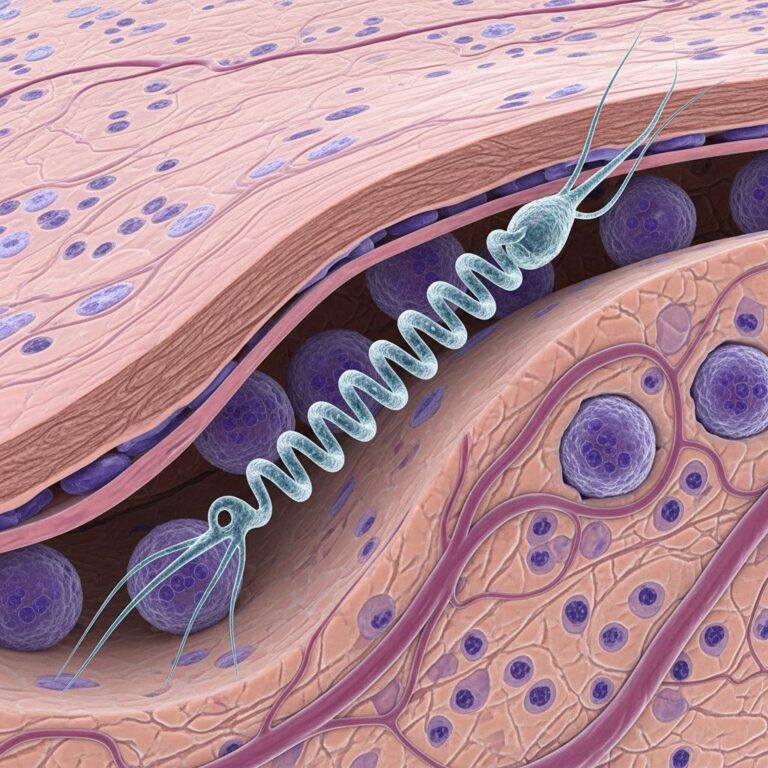
caused by the spirochete bacterium Treponema pallidum. Known as the “great imitator,” it mimics many other diseases due to its varied symptoms across stages. If untreated, it progresses from primary to secondary, latent, and potentially life-threatening tertiary stages. Early detection and treatment with penicillin are highly effective.What is syphilis?
Syphilis results from infection with Treponema pallidum, a spiral-shaped bacterium that invades through mucous membranes or skin breaks. Transmission occurs primarily via sexual contact—vaginal, anal, or oral—with infectious ulcers (chancres). Vertical transmission from mother to fetus during pregnancy causes congenital syphilis. Less commonly, it spreads through shared needles in intravenous drug use. The incubation period averages 21 days (range 10–90 days), after which symptoms emerge.
Globally, syphilis remains underreported despite being a notifiable disease. High-risk groups include men who have sex with men (MSM), people with HIV, and those with multiple partners. The bacterium’s motility allows it to penetrate intact mucosa, making it highly infectious during primary and secondary stages.
Who gets syphilis?
Anyone engaging in unprotected sex can contract syphilis, but incidence is rising in certain populations. In recent years, cases have surged among MSM and young adults. Pregnant individuals risk transmitting it to the fetus, leading to stillbirth or neonatal complications. Intravenous drug users sharing needles are also vulnerable. Early syphilis is more common in urban areas with high STI rates.
- High-risk factors: Unprotected sex, multiple partners, HIV co-infection, MSM, sex workers.
- Vulnerable groups: Pregnant women, neonates (congenital syphilis).
Transmission of syphilis
Syphilis spreads through direct contact with infectious lesions during sex. Chancres on genitals, anus, lips, or mouth harbor spirochetes. The bacterium enters via microtrauma. Non-sexual transmission includes blood transfusion (rare with screening) or needlestick injuries. Mothers pass it transplacentally after 16 weeks gestation, or via birth canal exposure. Infectivity peaks in primary and secondary stages, declining thereafter.
| Route | Description | Risk Level |
|---|---|---|
| Sexual contact | Vaginal, anal, oral with chancre | High |
| Vertical (mother-fetus) | Pregnancy or birth | High if untreated |
| Blood exposure | Needle sharing, transfusion | Low (screened) |
| Casual contact | Toilet seats, hugging | None |
Syphilis stages
Untreated syphilis evolves through distinct stages: primary, secondary, latent (early and late), and tertiary. Each has unique clinical features.
Primary syphilis
Characterized by a painless
chancre
—a firm, round ulcer—at the infection site (genitals, anus, mouth). It appears 10–90 days post-exposure, often with regional lymphadenopathy. The chancre heals in 3–6 weeks without scarring but doesn’t imply cure; spirochetes disseminate systemically.- Single or multiple lesions possible.
- Often unnoticed in hidden areas (e.g., cervix, rectum).
Secondary syphilis
Develops 4–10 weeks after primary if untreated. Features a generalized
rash
(maculopapular, symmetric, involving palms/soles), mucous patches, condyloma lata (moist warts), fever, malaise, lymphadenopathy, sore throat, alopecia. Highly infectious; symptoms resolve spontaneously but recur.Related Stories



Latent syphilis
Asymptomatic phase post-secondary. Divided into:
- Early latent: <1–2 years; infectious, especially in pregnancy.
- Late latent: >1–2 years; noninfectious except vertically.
Diagnosis relies on serology.
Tertiary syphilis
Occurs 10–30 years later in 15–30% untreated cases. Involves gummas (destructive lesions in skin, bones, viscera), cardiovascular syphilis (aortitis), neurosyphilis (tabes dorsalis, general paresis). Life-threatening if untreated.
Congenital syphilis
Transmitted in utero or perinatally. Early congenital (≤2 years): snuffles, rash, osteochondritis, hepatosplenomegaly. Late congenital (>2 years): Hutchinson teeth, interstitial keratitis, eighth-nerve deafness, saddle nose. All pregnant women should be screened; penicillin treats both mother and fetus.
Syphilis pathology
Histology varies by stage. Primary: Acanthosis, spongiosis, dermal plasma cell infiltrate, endothelial swelling; spirochetes visible via IHC or silver stains. Secondary: Psoriasiform hyperplasia, lichenoid infiltrate, exocytosis. Tertiary: Granulomatous inflammation with necrosis. Plasma cells and vascular changes are hallmarks.
Clinical features of syphilis
- Primary: Chancre, lymphadenopathy.
- Secondary: Rash (palms/soles), mucous patches, fever, weight loss.
- Tertiary: Gummas, aortic aneurysm, neurosyphilis (dementia, ataxia).
- Neurosyphilis: Anytime; headache, meningitis, stroke.
Diagnosis of syphilis
Combines history, exam, and labs. Dark-field microscopy or PCR detects spirochetes from lesions. Serology: Nontreponemal (RPR/VDRL) for activity/staging; treponemal (FTA-ABS, TPPA) for confirmation. Prozone effect may cause false negatives in secondary stage. Screen high-risk at 6/12 weeks post-exposure; always test for HIV.
| Test | Use | Availability |
|---|---|---|
| Dark-field microscopy | Primary chancre | Specialized labs |
| PCR | Lesions/lymph nodes | Specialized |
| RPR/VDRL | Screening, monitoring | Routine |
| Treponemal EIA/TPPA | Confirmation | Routine |
Management of syphilis
Penicillin G benzathine IM is first-line for all stages (doses vary: 2.4 MU single for primary/secondary; 3 weekly for late). Alternatives (tetracycline, doxycycline, ceftriaxone) for penicillin-allergic non-pregnant. Desensitize pregnant patients. Follow-up: RPR titers q3–6 months; 4-fold decline indicates success. Jarisch-Herxheimer reaction possible post-treatment.
Abstain from sex until lesions heal and 1–2 negative titers. Notify partners (lookback: 3 months for primary, 6 months for secondary, 1 year for latent).
Prevention of syphilis
- Condom use (doesn’t cover all areas).
- Regular STI screening, especially high-risk.
- Partner notification/tracing.
- Prenatal screening/treatment.
- Avoid needle sharing.
Images of syphilis
Primary: Solitary genital chancre. Secondary: Coppery rash on palms/soles, condyloma lata. Tertiary: Gummatous ulcers.
Frequently Asked Questions
Q: Is syphilis curable?
A: Yes, penicillin cures all stages if treated early; late stages may leave damage.
Q: Can syphilis be spread by kissing?
A: Yes, if oral chancres or mucous patches present.
Q: How soon after exposure can syphilis be detected?
A: Serology may be negative in early primary; retest at 6/12 weeks.
Q: Does syphilis rash itch?
A: Usually non-pruritic, unlike many rashes.
Q: What if I’m allergic to penicillin?
A: Use doxycycline (non-pregnant); desensitize if pregnant.
References
- Syphilis – DermNet — DermNet New Zealand. 2023. https://dermnetnz.org/topics/syphilis
- Syphilis: testing for the great imitator — bpac.org.nz. 2012-06-01. https://bpac.org.nz/BT/2012/June/06_syphilis.aspx
- Syphilis – StatPearls — NCBI Bookshelf. 2023-08-07. https://www.ncbi.nlm.nih.gov/books/NBK534780/
- Skin rash and lesions – general | STI Guidelines Australia — STI Guidelines Australia. 2023. https://sti.guidelines.org.au/syndromes/skin-rash-and-lesions-general/
- Syphilis pathology – DermNet — DermNet New Zealand. 2023. https://dermnetnz.org/topics/syphilis-pathology
- Syphilis images – DermNet — DermNet New Zealand. 2023. https://dermnetnz.org/topics/syphilis-images
Similar Articles








Read full bio of medha deb