Syringoma: 4 Types, Causes, Diagnosis, And Treatment
Benign adnexal tumours from eccrine sweat ducts, often appearing as small papules around the eyes and other body areas.
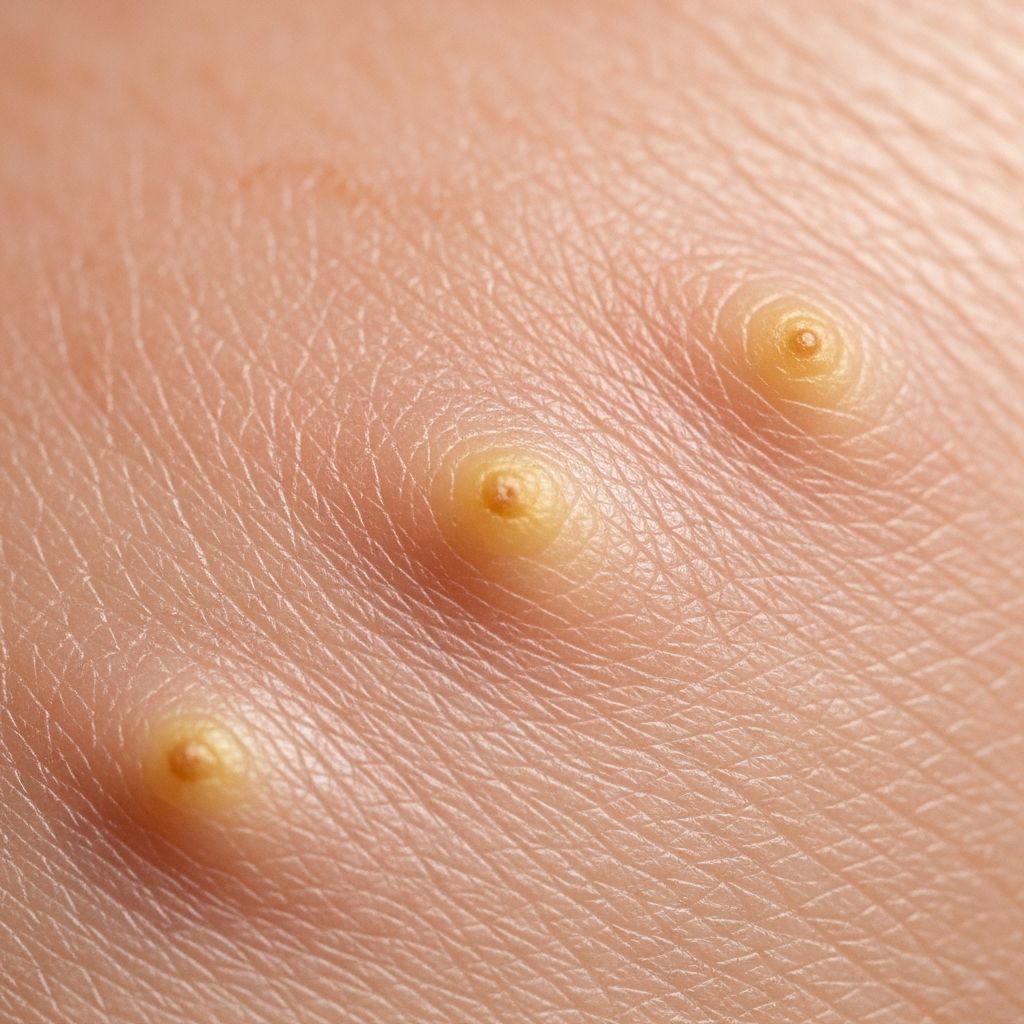
A syringoma is a benign adnexal tumour derived from the acrosyringium, the intraepidermal portion of an eccrine sweat duct. These tumours manifest as small, firm papules, most frequently in clusters around the eyes, but can appear on various body sites.
What is syringoma?
Syringomas represent non-cancerous proliferations of eccrine ductal epithelium within the dermis. They are among the most common adnexal tumours encountered in dermatological practice. Typically measuring 1–3 mm in diameter, they present as firm, rounded, dermal papules that are skin-coloured, yellowish, or match the surrounding skin tone.
In individuals with skin of colour, syringomas may exhibit hypopigmented or hyperpigmented hues, influencing their cosmetic impact. Their primary clinical relevance stems from aesthetic concerns rather than medical necessity, as they remain asymptomatic in most cases.
Who gets syringoma?
Syringomas predominantly affect post-pubertal women, though they can occur in both sexes and across all ages. Eruptive variants may present in prepubertal or postpubertal individuals.
Associations include:
- Down syndrome: Syringomas appear earlier and in greater numbers, often calcifying (calcinosis cutis).
- Diabetes mellitus: Linked particularly with clear cell syringomas, warranting glucose tolerance screening.
- Ehlers–Danlos syndrome and Marfan syndrome: Rare associations reported.
Familial predisposition suggests genetic factors, with autosomal dominant patterns in some lineages. Hot, humid climates may exacerbate eruptive forms due to sweat gland hyperactivity.
What causes syringoma?
The precise aetiology remains unclear, but pathogenesis involves:
- Proliferation of eccrine ductal cells, potentially triggered by ductal obstruction or overactivity.
- Histological evidence of ductal differentiation with tadpole-shaped structures.
- Immunohistochemical positivity for S-100, CEA, EMA, and eccrine enzymes supports eccrine origin.
No definitive environmental triggers are established, though sweat gland stimulation in humid conditions may contribute to eruptive presentations.
What are the clinical features of syringoma?
Syringomas classically appear as multiple, symmetrical, firm papules (1–3 mm) clustered periorbitally—on upper cheeks, lower and upper eyelids, and beneath the eyes.
Alternative sites include:
- Scalp, axillae (armpits), umbilicus, chest, abdomen, and genital regions (vulva, labia majora, rarely penile shaft).
- Eruptive syringomas: Crops of hyperpigmented papules on trunk, neck, extremities, and pubic area.
Symptoms are typically absent, but:
- Pruritus may occur with sweating or in vulvar locations.
- Eruptive forms can itch, especially post-exercise.
Images depict typical periocular clustering and eruptive distributions on neck/chest.
Types of syringoma
Variants include:
- Common syringoma: Periocular predominance.
- Eruptive syringoma: Sudden crops on trunk/extremities, pruritic.
- Clear cell syringoma: Glycogen-rich cells, diabetes association.
- Syringomatous hyperplasia: Reactive, not neoplastic.
Complications of syringoma
As benign lesions, complications are minimal:
- Calcinosis cutis in Down syndrome cases.
- Cosmetic distress from visible clustering.
- Post-treatment risks: Scarring, recurrence, hyperpigmentation.
Diagnosis of syringoma
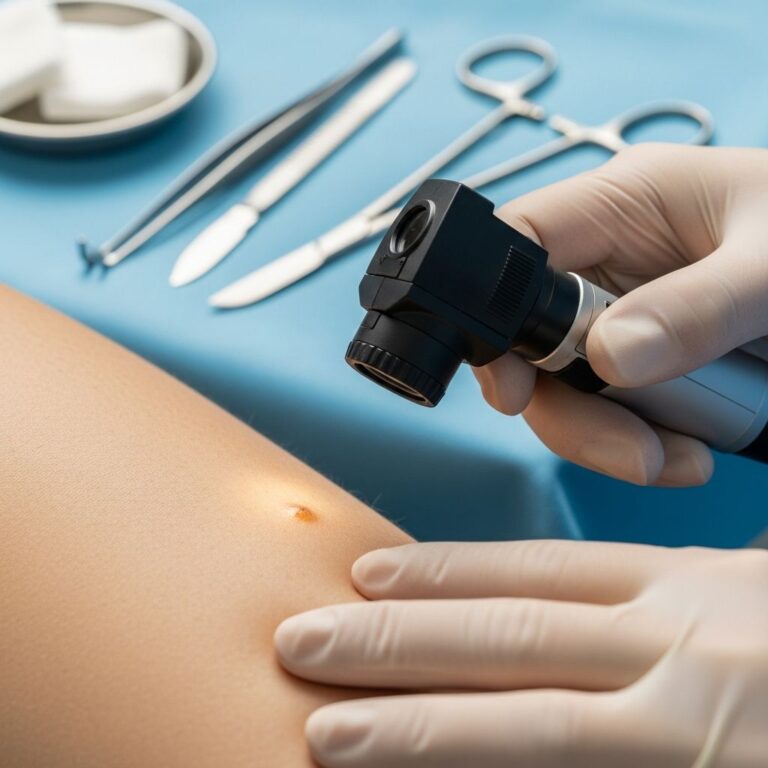
Diagnosis is primarily clinical based on characteristic periorbital papules. Confirmation via skin biopsy reveals:
- Normal epidermis.
- Dermal ducts lined by two epithelial cell layers with comma/tadpole tails.
- Sclerotic stroma; PAS-positive luminal material.
Full-thickness biopsy differentiates from microcystic adnexal carcinoma, which infiltrates deeply. Average periorbital depth: 0.70–1.06 mm, necessitating targeted therapies.
Related Stories



Differential diagnoses of syringoma
| Differential | Key Distinguishing Features |
|---|---|
| Xanthelasma | Soft, yellowish plaques on eyelids; lipid-associated. |
| Milia | Small, superficial keratin cysts. |
| Trichoepithelioma | Larger, facial; basaloid islands on biopsy. |
| Basal cell carcinoma | Pearly, telangiectatic; rolled borders. |
| Plane warts | Generalized; viral aetiology. |
| Hidrocystoma | Cystic, translucent; sweat-filled. |
Treatment of syringoma
No treatment is medically required; interventions target cosmesis with risks of scarring/recurrence due to deep dermal location.
Topical therapies (limited efficacy):
- Retinoids (tretinoin): Promote turnover but shallow penetration.
- Atropine creams: Minimal effect.
Systemic options:
- Oral isotretinoin: Reduced lesion size/number in case reports (cumulative 9–11g over 5–6 months).
Physical destruction (most common):
- Electrodessication/curettage: Needle insertion to reticular dermis; good results in periocular cases.
- Radiofrequency ablation: Insulated needles prevent epidermal damage; excellent cosmesis in 64-patient study.
- CO2 laser: Precise ablation; variable success.
- Dermabrasion/chemical peels: Superficial; high recurrence.
- Surgical excision: For isolated lesions; scarring risk.
Spontaneous regression is rare; recurrence common post-superficial treatments.
Outcome of syringoma treatment
Treatment yields suboptimal, inconsistent results with frequent recurrence. Patient selection and realistic expectations are crucial. Deep dermal penetration requires selective modalities to minimize adjacent tissue damage.
Frequently Asked Questions
Are syringomas cancerous?
No, syringomas are benign and pose no malignant risk.
Do syringomas go away on their own?
Spontaneous regression is rare; they persist lifelong without intervention.
Can syringomas be prevented?
No known preventive measures; genetic predisposition plays a role.
Is treatment for syringoma painful?
Local anaesthesia mitigates discomfort; post-procedure erythema common.
Who is at higher risk for syringomas?
Post-pubertal females, Down syndrome patients, diabetics (clear cell type).
Related topics
- Adnexal neoplasms
- Benign tumours
- Calcinosis cutis
- Clear cell syringoma
- Down syndrome skin conditions
- Eccrine gland tumours
- Microcystic adnexal carcinoma
References
- Syringoma – DermNet — DermNet NZ. 2023. https://dermnetnz.org/topics/syringoma
- Brief Overview About Syringoma — Journal of Pharmaceutical Negative Results. 2023-02-01. https://www.pnrjournal.com/index.php/home/article/download/7146/9347/8691
- Syringoma – Wikipedia — Wikipedia. 2024. https://en.wikipedia.org/wiki/Syringoma
- Syringoma: What it is, vs Milia, Causes & Treatment — Cleveland Clinic. 2023. https://my.clevelandclinic.org/health/diseases/23321-syringoma
- Syringoma Symptoms, Doctors, Treatments — MediFind. 2024. https://www.medifind.com/conditions/syringoma/5102
Similar Articles








Read full bio of medha deb