Systemic Contact Dermatitis: Symptoms, Causes & Treatment
Understanding systemic contact dermatitis: causes, symptoms, diagnosis, and effective management strategies for this hypersensitivity reaction.
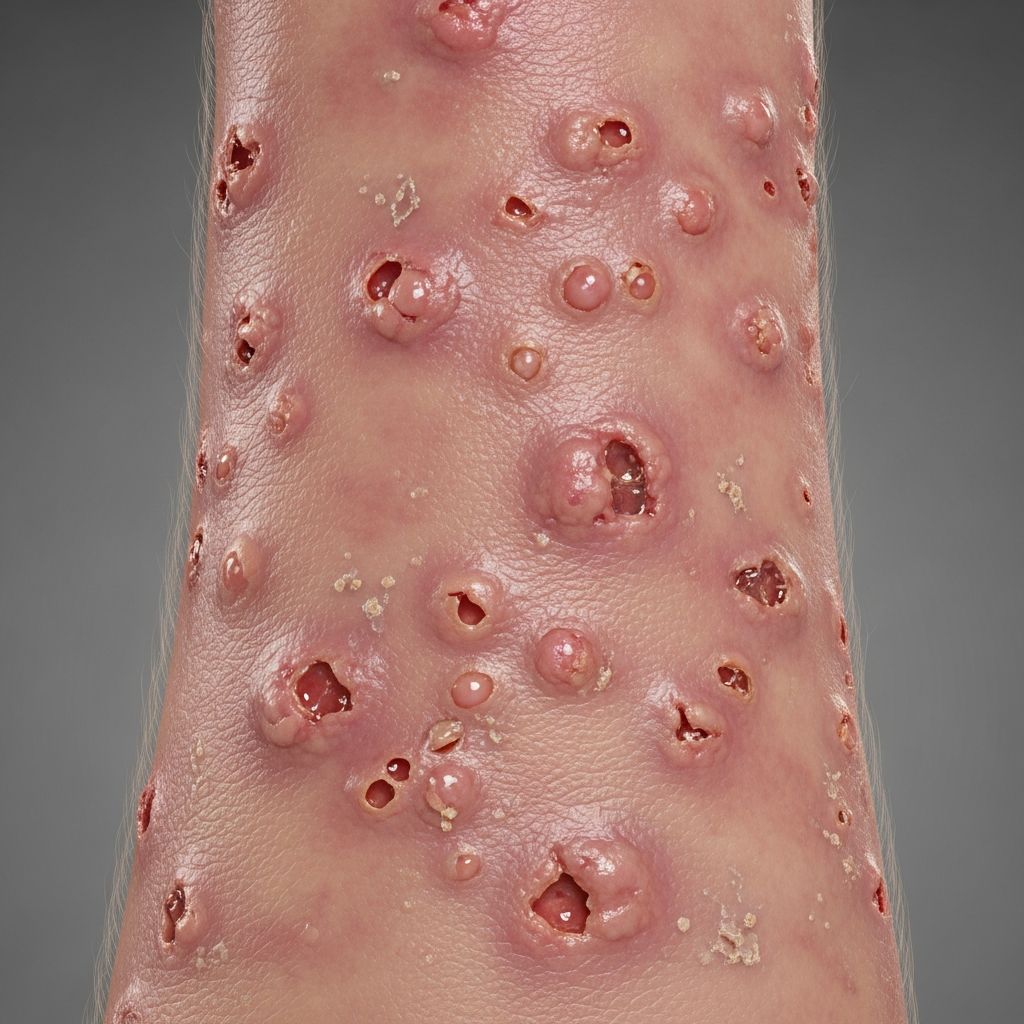
Systemic contact dermatitis (SCD) is a cutaneous hypersensitivity reaction that develops in individuals previously sensitized to an allergen through skin contact, who then experience widespread skin eruptions upon systemic exposure to the same or cross-reacting allergen via ingestion, inhalation, or injection.
What is systemic contact dermatitis?
Systemic contact dermatitis represents an extension of allergic contact dermatitis (ACD), where initial cutaneous sensitization to a hapten leads to T-cell mediated responses upon subsequent systemic challenge. This condition is mediated primarily by type IV hypersensitivity, with possible contributions from type III immune complex reactions. Unlike classic ACD confined to contact sites, SCD manifests symmetrically across non-exposed areas, distinguishing it from irritant contact dermatitis, which affects 80% of cases and arises from direct barrier damage without prior sensitization.
SCD nomenclature includes overlapping syndromes such as allergic contact dermatitis syndrome (ACDS) with four clinical stages, baboon syndrome (characterized by gluteal and flexural erythema), and symmetrical drug-related intertriginous and flexural exanthema (SDRIFE). These terms describe similar presentations triggered by metals, medications, or foods.
Who gets systemic contact dermatitis?
SCD affects individuals with prior cutaneous sensitization, often those with occupational or frequent exposure to common haptens like nickel or cobalt. Genetically predisposed persons develop ACD to low allergen concentrations after initial exposure. Food-induced SCD may persist in patients unresponsive to topical avoidance, while systemic drug administration exacerbates symptoms in topically sensitized individuals.
Risk factors include atopy, though ACD is distinct from immediate-type allergies, and repeated exposure to irritants like soaps or metals that compromise the skin barrier.
What causes systemic contact dermatitis?
Common culprits include:
- Metals: Nickel, cobalt, chromate—ingested via diet or dental amalgams.
- Foods: Balsam of Peru components in spices, fruits, citrus; thiurams in pineapple; sesquiterpene lactones in plants like ragweed or artichokes.
- Medications: Antibiotics (neomycin, bacitracin), corticosteroids, NSAIDs (ibuprofen), anesthetics, antihistamines.
- Other: Surfactants, preservatives triggering cross-reactions.
Pathophysiology involves hapten-protein complex formation, Langerhans cell antigen presentation to T-cells, and cytokine-driven inflammation upon re-exposure.
What are the clinical features of systemic contact dermatitis?
SCD presents 12-48 hours post-exposure with:
- Erythematous, pruritic maculopapular rash, often symmetric on trunk, extremities.
- Baboon syndrome: Bright red gluteal/f flexural eruption sparing flexures.
- SDRIFE: V-shaped flexural erythema without systemic symptoms.
- Generalized exanthems or vesicular patterns mimicking rhus dermatitis.
Symptoms include intense itching, burning; severe cases show edema, bullae if >20% body surface involved.
Diagnosis of systemic contact dermatitis
Diagnosis relies on history of prior ACD, timing of systemic exposure, and positive patch testing (PT) to relevant haptens. PT identifies sensitization to metals, drugs like corticosteroids, antimicrobials (ampicillin, erythromycin), NSAIDs. Exclude mimics: tinea, viral exanthems via KOH prep or biopsy.
Patch testing protocol:
- Standard series plus suspect allergens.
- Read at 48-96 hours for delayed reactions.
- Positive if vesicles, erythema at test site.
Differential diagnosis
| Condition | Key Features | Differentiator |
|---|---|---|
| Irritant Contact Dermatitis | Stinging, localized to exposure; no prior sensitization | Negative patch test; resolves with avoidance |
| Drug Eruption | Morbilliform; systemic symptoms | Patch test to drug if applicable |
| Atopic Dermatitis | Chronic, flexural; early onset | Personal/family atopy history |
| Tinea Corporis | Annular, scaly | Positive KOH |
Treatment of systemic contact dermatitis
Primary treatment: Allergen avoidance—dietary elimination of metals/foods, discontinuation of offending drugs. Symptomatic relief includes:
- Topical corticosteroids: Mid/high-potency (e.g., triamcinolone 0.1%, clobetasol 0.05%) for localized acute lesions; low-potency (desonide) for thin skin.
- Systemic corticosteroids: Prednisone for extensive rash (>20% BSA), rapid relief in 12-24 hours; short courses to avoid side effects.
- Oral antihistamines: For pruritus; sedating types cautiously in elderly.
- Adjuncts: Emollients, cool soaks; avoid rupturing vesicles to prevent infection.
Related Stories



For delicate areas (eyelids, folds), calcineurin inhibitors or PDE4 inhibitors. Ointment bases preferred over creams to minimize irritants.
What is the outcome for systemic contact dermatitis?
With strict avoidance, resolution occurs in 2-4 weeks; recurrence prevented by ongoing elimination diets or metal chelation if needed. Persistent cases may require allergist input for comprehensive testing. Prognosis excellent if trigger identified early.
Prevention of systemic contact dermatitis
- Avoid known allergens via patch-tested lists.
- Low-nickel diet: Avoid chocolate, nuts, legumes; use plastic utensils.
- Protect skin barrier with emollients.
- Educate on cross-reactors (e.g., Balsam of Peru in perfumes, citrus).
Frequently Asked Questions
Can food cause systemic contact dermatitis?
Yes, foods containing haptens like Balsam of Peru (spices, fruits) or metal residues trigger flares in sensitized individuals unresponsive to topical avoidance.
Is patch testing safe for diagnosing SCD?
Patch testing is standard, safe, and identifies culprits like metals and drugs; performed by dermatologists with proper allergens.
How long does SCD rash last?
Typically 2-4 weeks with treatment and avoidance; severe cases may take longer but improve rapidly with systemic steroids.
Can SCD be cured?
No cure, but managed indefinitely via avoidance; desensitization not reliably effective for type IV reactions.
Does SCD only affect skin?
Primarily cutaneous, but extensive cases mimic systemic drug reactions; monitor for secondary infection.
References
- Systemic Contact Dermatitis — PubMed/NCBI. 2018-05-21. https://pubmed.ncbi.nlm.nih.gov/29766368/
- Contact Dermatitis | Symptoms, Treatment & Management — American Academy of Allergy, Asthma & Immunology (AAAAI). Accessed 2026. https://www.aaaai.org/tools-for-the-public/conditions-library/allergies/contact-dermatitis-overview
- Diagnosis and Management of Contact Dermatitis — American Academy of Family Physicians (AAFP). 2010-08-01. https://www.aafp.org/pubs/afp/issues/2010/0801/p249.html
- Contact dermatitis — National Health Service (NHS), UK (.gov). Accessed 2026. https://www.nhs.uk/conditions/contact-dermatitis/
- Allergic Contact Dermatitis | Fact Sheets — Yale Medicine (.edu). Accessed 2026. https://www.yalemedicine.org/conditions/dermatitis
- Allergic Contact Dermatitis – StatPearls — NCBI Bookshelf/NIH (.gov). Accessed 2026. https://www.ncbi.nlm.nih.gov/books/NBK532866/
Similar Articles








Read full bio of medha deb