Systolic Vs. Diastolic: Key Differences And What Matters
Understand the difference between systolic and diastolic blood pressure, why both numbers matter, and how to maintain healthy ranges for optimal heart health.
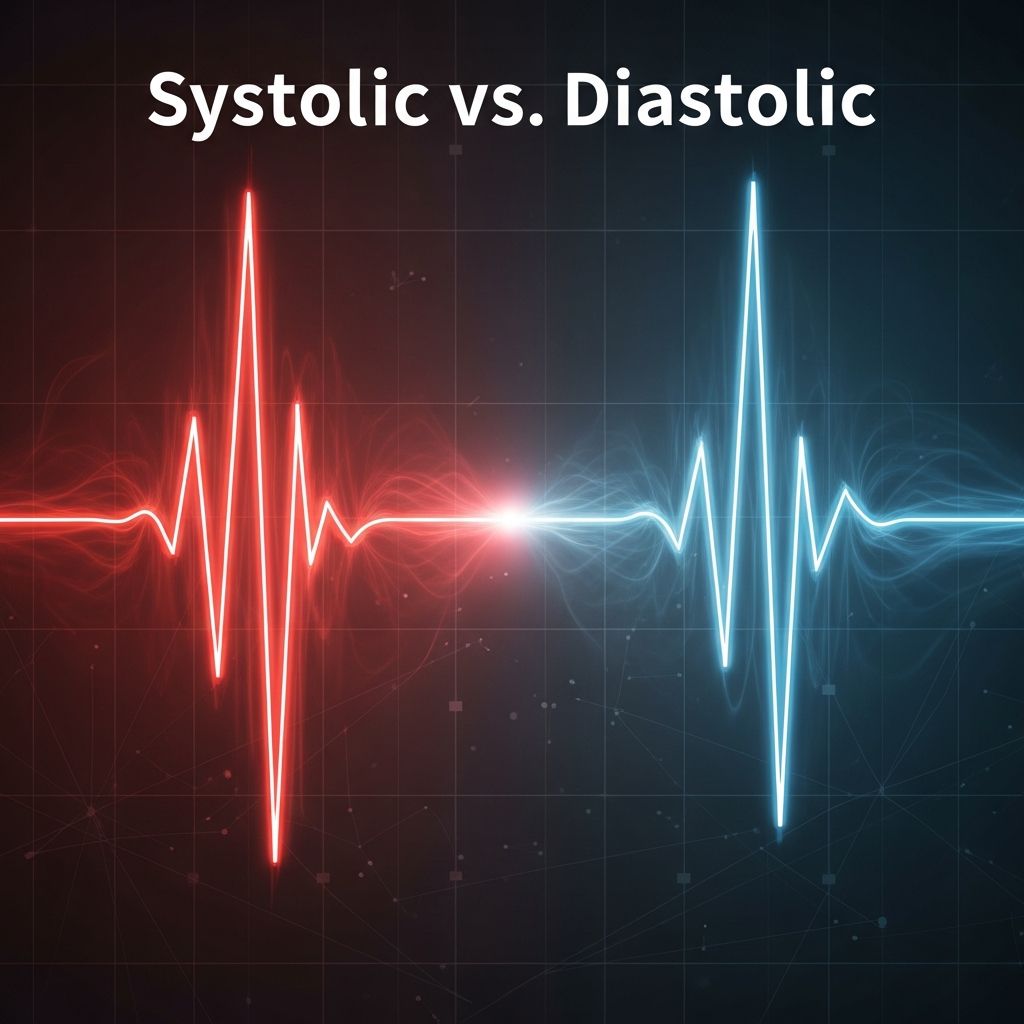
Blood pressure readings consist of two key numbers: systolic and diastolic. Systolic measures the pressure in your arteries when your heart beats, while diastolic measures it when your heart rests between beats. Understanding these helps assess cardiovascular health and identify risks like hypertension.
What Do Systolic and Diastolic Blood Pressure Mean?
Your heart, roughly the size of your fist, features four chambers and valves that regulate blood flow. It beats 60-100 times per minute at rest, pumping blood against artery walls about 100,000 times daily.
Systolic Blood Pressure
The top number in a reading like 120/80, systolic pressure gauges force during heart contraction (systole). Ventricles squeeze, propelling blood into arteries. This peak pressure reflects maximum arterial stress. High systolic often signals artery stiffening from age or plaque.
Diastolic Blood Pressure
The bottom number indicates pressure during relaxation (diastole), when ventricles refill and coronary arteries nourish the heart. This minimum value shows baseline arterial tension. Elevated diastolic raises risks, particularly under age 50.
Normal Ranges for Systolic and Diastolic Blood Pressure
Blood pressure uses mm Hg units, written as systolic/diastolic (e.g., 120/80). The American Heart Association outlines categories for adults:
| Category | Systolic (mm Hg) | Diastolic (mm Hg) |
|---|---|---|
| Normal | <120 | and <80 |
| Elevated | 120-129 | and <80 |
| Stage 1 Hypertension | 130-139 | or 80-89 |
| Stage 2 Hypertension | ≥140 | or ≥90 |
| Hypertensive Crisis | >180 | and/or >120 |
Normal systolic is under 120 mm Hg; diastolic under 80 mm Hg. Pulse pressure (systolic minus diastolic) typically spans 40-50 mm Hg.
Which Is More Important: Systolic or Diastolic?
Both matter, but systolic often takes precedence, especially over age 50. Elevated systolic links strongly to heart attacks, strokes, and vessel stiffening from plaque. For younger adults under 50, diastolic may predict risks better. Every 10 mm Hg diastolic rise doubles stroke/heart disease risk ages 40-89. Doctors monitor both for full assessment.
Pulse Pressure: What It Tells You
Pulse pressure, systolic minus diastolic, averages 40-50 mm Hg. Widening (e.g., >60 mm Hg) may indicate artery stiffness or heart issues; narrowing suggests poor heart output. Providers view it alongside other metrics.
Effects of High Systolic or Diastolic Blood Pressure
Hypertension, often symptomless (“silent killer”), damages vessels/organs silently, risking heart attack, failure, stroke, kidney/eye issues. Hypertensive crisis (>180/120) demands immediate care.
- Heart thickening from pumping against high pressure (systolic hypertension)
- Overall cardiovascular strain
Effects of Low Systolic or Diastolic Blood Pressure
Hypotension causes noticeable symptoms unlike hypertension:
- Dizziness or fainting
- Seizures, chest pain
- Loss of balance, nausea, thirst
- Concentration issues, headaches
- Blurred vision, fatigue
- Breathing difficulties, clammy skin
Severe cases signal dehydration, blood loss, or heart problems.
How to Measure Blood Pressure Accurately
Use validated cuffs on upper arm at heart level. Sit quietly 5 minutes, avoid caffeine/smoking 30 minutes prior. Measure twice, average results. Home monitoring tracks trends; consult doctors for irregularities.
Related Stories



Factors Affecting Systolic and Diastolic Readings
Various influences alter pressures:
- Age: Systolic rises, diastolic may fall
- Lifestyle: Diet, exercise, stress, smoking
- Conditions: Diabetes, kidney disease
- Medications: Some lower, others raise
Managing High Blood Pressure
Lifestyle changes form first-line defense:
- DASH diet: Fruits, veggies, low-sodium
- 150 minutes weekly aerobic exercise
- Weight management, limited alcohol
- Quit smoking, manage stress
Medications like ACE inhibitors, beta-blockers, diuretics if needed. Regular checks prevent complications.
When to See a Doctor
Seek care for consistent readings in hypertension ranges, symptoms like headaches/chest pain, or crisis levels. Annual checks advised; more frequent for risks.
Preventing Blood Pressure Problems
Proactive steps maintain healthy levels:
- Balanced diet low in salt/saturated fats
- Regular physical activity
- Healthy weight, no smoking
- Moderate alcohol, stress reduction (meditation)
- Routine screenings
Frequently Asked Questions (FAQs)
What is the difference between systolic and diastolic blood pressure?
Systolic (top number) is pressure during heart contraction; diastolic (bottom) during relaxation.
Which blood pressure number is more important?
Systolic for those over 50 due to cardiovascular risks; both essential, diastolic key for younger.
What is a healthy blood pressure reading?
Under 120/80 mm Hg per AHA guidelines.
Can low blood pressure be dangerous?
Yes, causing dizziness, fainting, or severe complications.
How can I lower my blood pressure naturally?
Via diet, exercise, weight loss, reduced sodium/alcohol, quitting smoking.
References
- Diastole vs. Systole: Guide to Blood Pressure — Healthline. 2023. https://www.healthline.com/health/diastole-vs-systole
- Arterial Blood Pressure — CV Physiology. 2023. https://cvphysiology.com/blood-pressure/bp002
- Understanding Blood Pressure Readings — American Heart Association. 2024-01-13. https://www.heart.org/en/health-topics/high-blood-pressure/understanding-blood-pressure-readings
- Blood Pressure: What Do the Numbers Mean and Why Do They Matter? — Northwest Regional Heart Center. 2023. https://nwregionalheart.com/blood-pressure-what-do-the-numbers-mean-and-why-do-they-matter/
- Blood Pressure Measurements | Systolic & Diastolic Readings — YouTube (Medical Video). 2023. https://www.youtube.com/watch?v=W9-25_9LDXI
- Pulse Pressure: What It Means & How To Calculate It — Cleveland Clinic. 2024. https://my.clevelandclinic.org/health/body/21629-pulse-pressure
Similar Articles








Read full bio of medha deb