T Cells: Types, Function & Role in Immunity
Understanding T cells: The immune system's frontline defenders against infection and disease.
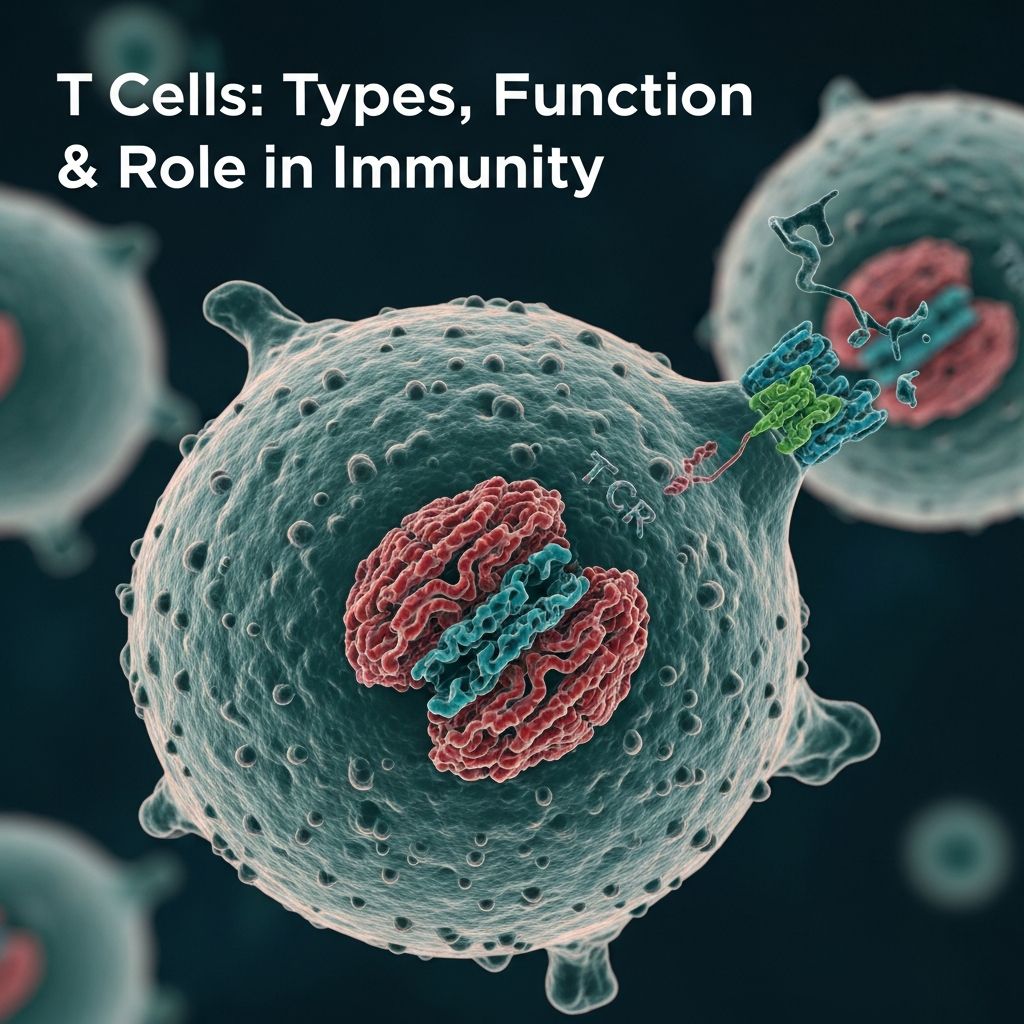
Understanding T Cells: Your Immune System’s Specialized Defenders
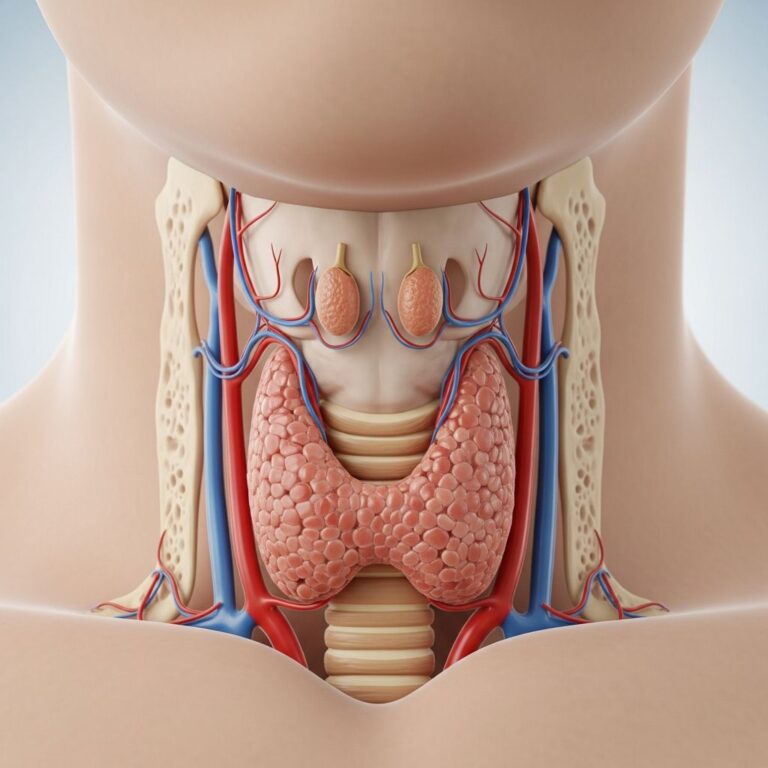
T cells are a fundamental component of your adaptive immune system, serving as specialized white blood cells that identify and combat pathogens, infected cells, and abnormal growths in your body. These lymphocytes are produced in your bone marrow and mature in your thymus, a gland located behind your breastbone. T cells represent one of the most important lines of defense in your immune response, working in coordination with other immune cells to maintain your health and protect you from disease.
Your adaptive immune system is more sophisticated than your innate immune response, as it learns to recognize specific threats and remembers them for future encounters. T cells play a central role in this process, serving as the primary coordinators and executors of adaptive immune responses. Understanding how T cells function can help you appreciate the complexity of your immune system and the importance of maintaining its health.
What Are T Cells?
T cells are a type of lymphocyte—a white blood cell that plays a crucial role in immune function. The “T” in T cell stands for thymus, the organ where these cells develop and mature. T cells originate in your bone marrow as stem cells and migrate to your thymus gland, where they undergo a developmental process that teaches them to distinguish between your body’s own cells and foreign invaders.
Each T cell carries receptors on its surface that act as recognition tools, allowing them to identify specific antigens—proteins found on the surface of pathogens or abnormal cells. This specificity makes T cells incredibly effective at targeting particular threats while minimizing damage to healthy tissue. Once activated, T cells can multiply rapidly, creating millions of identical copies capable of fighting the same infection.
Where T Cells Are Found
T cells circulate throughout your lymphatic system and concentrate in specific locations where immune activity is most critical. You have high concentrations of T cells in:
– Lymph nodes- Spleen- Bone marrow- Thymus gland- Tonsils and adenoids- Gut-associated lymphoid tissue
These lymphoid tissues serve as hubs where T cells can encounter antigens, receive activation signals, and coordinate immune responses. The distribution of T cells throughout your body ensures that immune surveillance occurs constantly, allowing early detection of infections and abnormalities.
How T Cells Develop
The development of T cells is a highly regulated process that ensures only functional, safe cells survive to maturation. T cells begin their journey in your bone marrow as hematopoietic stem cells. During this early stage, they develop basic cellular structures and begin to express early markers of T cell identity.
As developing T cells migrate to your thymus, they undergo a rigorous selection process. The thymus, most active during childhood and adolescence, teaches your T cells to recognize foreign antigens while avoiding recognition of your body’s own cells—a process called central tolerance. Cells that fail this education are eliminated, while successful candidates continue their development. Your thymus gradually shrinks after puberty, with fat gradually replacing the active thymic tissue, though some T cell production continues throughout life.
Once mature, T cells are released into your bloodstream and circulate throughout your body, taking up residence in lymphoid tissues where they await activation by encountering their specific antigen.
Related Stories



Types of T Cells and Their Functions
T cells are not a monolithic population but rather comprise several distinct subtypes, each with specialized functions in immune defense. Understanding these different types helps explain how your immune system coordinates a comprehensive response to threats.
Helper T Cells (CD4+ T Cells)
Helper T cells are among the most important players in your adaptive immune response, coordinating immune activities like a conductor leading an orchestra. These cells have a CD4 receptor on their surface that interacts with major histocompatibility complex (MHC) class II molecules, allowing them to recognize when infection or foreign substances are present in your body.
When helper T cells detect an infection, they release signaling molecules called cytokines that communicate with other immune cells. These cytokines activate cytotoxic T cells to directly kill infected cells and stimulate B cells to produce antibodies. Helper T cells essentially serve as the command center of your adaptive immunity, initiating and amplifying immune responses against specific threats.
Cytotoxic T Cells (CD8+ T Cells)
Cytotoxic T cells are the frontline executioners of your immune system, directly destroying infected cells and tumor cells. These cells possess a CD8 receptor that interacts with MHC class I molecules present on the surface of all nucleated cells in your body.
When a cytotoxic T cell recognizes an infected or abnormal cell, it activates and creates molecules designed to destroy the threat. Cytotoxic T cells can puncture the cell membrane of infected cells, causing them to rupture and die before pathogens can spread to neighboring cells. This direct killing mechanism makes cytotoxic T cells essential for controlling viral infections and preventing cancer development.
Regulatory T Cells (Tregs)
Regulatory T cells serve as the immune system’s braking mechanism, preventing overactive immune responses that could damage healthy tissue. These specialized cells control your immune system’s response to foreign antigens while simultaneously ensuring that your immune system doesn’t attack your body’s own cells—a critical function called self-tolerance.
Tregs work by suppressing the activity of helper T cells and cytotoxic T cells when their response is no longer needed. By maintaining this balance, Tregs help prevent autoimmune diseases where the immune system mistakenly attacks the body. Researchers are actively studying how to enhance regulatory T cell function to treat allergies, cancer, and autoimmune conditions.
How T Cells Work: The Activation Process
T cell activation is a complex process requiring specific signals to ensure that immune responses are appropriate and well-targeted. Most T cells cannot become active without assistance from professional antigen-presenting cells, such as dendritic cells, macrophages, or activated B cells.
When an antigen-presenting cell encounters a pathogen, it breaks it down into smaller peptide fragments and displays these on its surface using MHC molecules. When a T cell’s receptor recognizes a matching antigen fragment bound to the appropriate MHC molecule, the first activation signal is delivered. A second signal, called a costimulatory signal, is typically required to fully activate the T cell.
Once activated, T cells undergo rapid proliferation, creating thousands of copies of the same cell, all programmed to recognize the specific antigen that triggered the response. These cells then travel throughout your body, searching for infected or abnormal cells displaying that antigen. The combination of helper T cells, cytotoxic T cells, and antibody-producing B cells creates a powerful, coordinated immune response against the specific threat.
T Cells and Disease
While T cells are essential for health, dysfunction or disease of T cells can lead to serious medical problems. Several conditions can affect T cell function:
Autoimmune Diseases
When regulatory T cells fail to adequately suppress immune responses or when helper T cells become excessively activated, autoimmune diseases can develop. Conditions such as type 1 diabetes, rheumatoid arthritis, and multiple sclerosis involve T cells that have lost self-tolerance and attack the body’s own tissues. Understanding T cell dysfunction in autoimmune disease has led to new therapeutic approaches that target specific T cell populations.
Immunodeficiency Conditions
Conditions that reduce T cell numbers or function, such as HIV/AIDS, can severely compromise immune competence. HIV specifically targets CD4+ helper T cells, destroying the cells that coordinate immune responses. As helper T cell numbers decline, the body becomes vulnerable to opportunistic infections that healthy immune systems easily control.
Cancer and T Cell Exhaustion
In some cancer patients, T cells become exhausted—losing their ability to effectively fight cancer cells. Researchers have identified T cell exhaustion as a barrier to effective immunotherapy, with certain populations showing reduced T cell responsiveness during prolonged cancer battles. This has led to the development of checkpoint inhibitor therapies that reinvigorate exhausted T cells.
Therapeutic Applications: CAR T-Cell Therapy
The understanding of T cell function has enabled revolutionary cancer treatments. CAR T-cell therapy represents a cutting-edge approach to treating blood cancers by genetically engineering T cells to become more powerful cancer fighters.
In CAR T-cell therapy, healthcare providers extract T cells from a patient’s blood and introduce a new gene that produces a chimeric antigen receptor (CAR). This modification enables the T cells to recognize and attack cancer cells with greater specificity and potency. The engineered T cells are then expanded in the laboratory to produce millions of cells before being reintroduced into the patient’s body.
Once infused, CAR T cells search for and destroy cancer cells throughout the body. When an activated CAR T cell encounters a target cancer cell, it destroys it and activates other immune components to help find and eliminate additional abnormal cells. CAR T-cell therapy has achieved remarkable success in certain blood cancers, with some patients experiencing complete remission.
Maintaining Healthy T Cell Function
Several lifestyle factors can support optimal T cell function and immune system health:
–
Regular exercise
: Physical activity promotes T cell circulation and enhances immune function-Adequate sleep
: Sleep deprivation impairs T cell response and immune coordination-Stress management
: Chronic stress suppresses T cell function and immune responsiveness-Proper nutrition
: Adequate protein, vitamins, and minerals support T cell development and function-Avoid smoking
: Tobacco exposure impairs T cell function and increases infection risk-Limited alcohol consumption
: Excessive alcohol can suppress immune function-Vaccination
: Vaccines stimulate T cell memory responses that protect against future infectionsFrequently Asked Questions
Q: What is the difference between T cells and B cells?
A: T cells and B cells are both lymphocytes but serve different roles. T cells directly attack infected cells and coordinate immune responses, while B cells produce antibodies—proteins that neutralize pathogens. Both are essential components of adaptive immunity and work together for optimal immune defense.
Q: How many T cells does a healthy person have?
A: A healthy adult typically has between 1,000 to 4,800 T cells per microliter of blood. The exact number can vary based on age, overall health, recent infections, and other factors. Abnormally low T cell counts can indicate immune compromise.
Q: Can T cell function be improved?
A: Yes, lifestyle modifications such as regular exercise, adequate sleep, stress reduction, proper nutrition, and vaccination can enhance T cell function. Additionally, emerging therapies aim to boost T cell responses in specific conditions like cancer and autoimmune diseases.
Q: What happens to T cell production as you age?
A: Your thymus produces T cells most actively during childhood and adolescence. After puberty, thymic tissue gradually decreases as fat replaces active tissue, resulting in reduced T cell production with age. This contributes to increased infection risk and reduced vaccine effectiveness in older adults.
Q: How do vaccines work with T cells?
A: Vaccines contain antigens or instructions for your immune cells to make antigens, stimulating both T cell and B cell responses. Vaccines train your T cells to recognize specific pathogens, creating immunological memory that enables rapid response to future encounters with the actual pathogen.
References
- Helper T cells: Overview & Function — Cleveland Clinic. Accessed 2025. https://my.clevelandclinic.org/health/body/23193-helper-t-cells
- Cytotoxic T cells: Function, Production & Activation — Cleveland Clinic. Accessed 2025. https://my.clevelandclinic.org/health/body/23547-cytotoxic-t-cells
- CAR T-Cell Therapy: What It Is & How It Works — Cleveland Clinic. Accessed 2025. https://my.clevelandclinic.org/health/treatments/17726-car-t-cell-therapy
- Lymphocytes: Function, Definition, Levels & Ranges — Cleveland Clinic. Accessed 2025. https://my.clevelandclinic.org/health/body/23342-lymphocytes
- Regulatory T cells: Purpose, Function & Development — Cleveland Clinic. Accessed 2025. https://my.clevelandclinic.org/health/body/23580-regulatory-t-cells
- Immune System Function, Conditions & Disorders — Cleveland Clinic. Accessed 2025. https://my.clevelandclinic.org/health/body/21196-immune-system
- Immunotherapy could be more effective in men with glioblastoma — Cleveland Clinic Lerner Research Institute. Accessed 2025. https://www.lerner.ccf.org/news/article/?title=Immunotherapy+could+be+more+effective+in+men+with+glioblastoma
Similar Articles








Read full bio of Sneha Tete