Tachycardia: High Heart Rate Symptoms & Treatment
Understanding tachycardia: causes, symptoms, diagnosis, and effective treatment options.
Understanding Tachycardia: An Overview
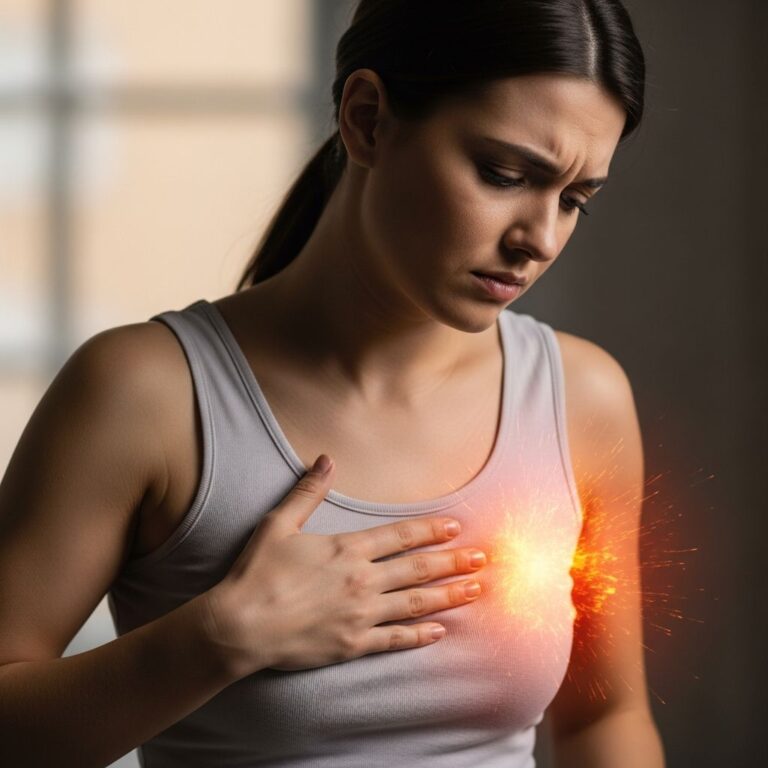
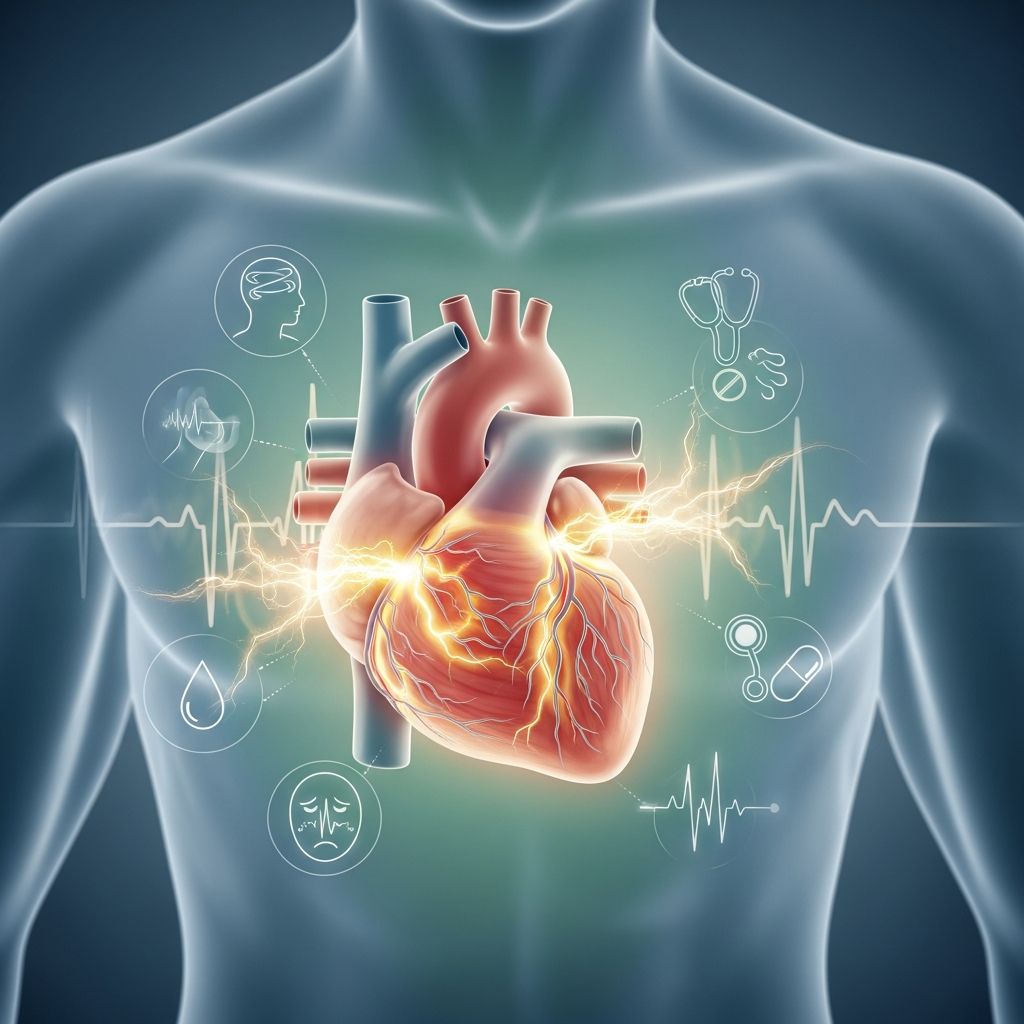
Tachycardia is an abnormal heart rhythm characterized by a heart rate exceeding 100 beats per minute while at rest. This condition can originate in either the upper chambers (atria) or lower chambers (ventricles) of your heart and ranges significantly in severity, from mild and harmless to potentially life-threatening. Understanding tachycardia is essential for recognizing symptoms early and seeking appropriate medical care.
Your heart normally beats between 60 and 100 times per minute at rest. When your heart rate consistently exceeds 100 beats per minute without physical activity or emotional stress, it may indicate tachycardia. The condition can develop suddenly or gradually and may require different treatment approaches depending on its underlying cause and type.
Types of Tachycardia
Tachycardia encompasses several distinct types, each with different characteristics and treatment approaches:
Supraventricular Tachycardia (SVT)
SVT is one of the most common types of abnormal heart rhythm. This fast heartbeat starts in your heart’s upper chambers and typically causes a rapid but regular heart rate. SVT can occur suddenly and may resolve on its own or require intervention.
Ventricular Tachycardia (V-Tach)
Ventricular tachycardia is a serious condition where abnormal electrical signals in the heart’s lower chambers cause rapid beating. Episodes lasting more than 30 seconds are considered dangerous and require immediate medical attention, as they can lead to sudden cardiac death or deteriorate into ventricular fibrillation.
Atrial Tachycardia
This condition involves abnormally rapid beating of the heart’s upper chambers. Atrial tachycardia can be focal (originating from a single location) or multifocal (originating from multiple sites), each presenting different treatment challenges and outcomes.
Sinus Tachycardia
Sinus tachycardia represents a normal physiological response to external stimuli such as stress, intense exercise, fever, or dehydration. While it can be concerning, sinus tachycardia typically resolves once the triggering factor is eliminated.
Postural Orthostatic Tachycardia Syndrome (POTS)
POTS is a disorder of the autonomic nervous system that causes symptoms including rapid heart rate, dizziness, and fatigue when transitioning from lying down to standing up. This condition presents unique diagnostic and management challenges.
Causes of Tachycardia
Tachycardia can result from various underlying conditions and factors. Understanding these causes is crucial for determining the appropriate treatment strategy:
Cardiac Causes
The most common cardiac cause of tachycardia is ischemic heart disease, also known as coronary heart disease or coronary artery disease. In this condition, the heart muscle cannot receive sufficient blood and oxygen due to blockages in the coronary arteries, typically caused by atherosclerosis. Other cardiac conditions that can trigger tachycardia include heart failure, heart valve disease, and previous heart attacks.
Non-Cardiac Causes
Numerous non-cardiac factors can trigger tachycardia, including fever, dehydration, hyperthyroidism, anemia, electrolyte abnormalities, anxiety disorders, and stimulant use including caffeine, nicotine, or illicit drugs. Certain medications can also provoke tachycardia as a side effect. Pregnancy and hormonal changes may increase the likelihood of experiencing tachycardia episodes.
Related Stories



Electrical System Abnormalities
Some individuals are born with abnormal electrical pathways in their hearts that predispose them to tachycardia. These congenital conditions can manifest at any age and require specialized management approaches.
Recognizing Tachycardia Symptoms
Tachycardia symptoms vary considerably depending on the type, duration, and severity of the condition. Some individuals experience no symptoms at all, while others face significant discomfort:
- Rapid heartbeat or heart palpitations
- Chest pain or pressure
- Dizziness or lightheadedness
- Shortness of breath
- Fatigue or weakness
- Fainting or syncope
- Anxiety or sense of impending doom
- Neck pulsation or awareness of heartbeat
In ventricular tachycardia specifically, the rapid heartbeats prevent adequate blood pressure maintenance because the heart cannot pump sufficient blood and oxygen throughout your body. The heart chambers don’t fill completely before the next beat occurs, reducing pumping efficiency and causing oxygen deprivation to tissues and cells.
Diagnostic Approaches for Tachycardia
Accurate diagnosis is essential for determining the appropriate treatment strategy. Healthcare providers use several diagnostic methods:
Patient History and Physical Examination
Your healthcare provider will gather detailed information about your symptoms, medications, family history, and medical conditions. A thorough physical examination helps assess your overall cardiovascular health and identify any abnormalities.
Electrocardiogram (ECG or EKG)
This fundamental test records the electrical activity of your heart and can identify rhythm abnormalities. An ECG provides immediate documentation of heart rate and rhythm patterns.
Holter Monitor
A Holter monitor is a portable device that continuously records your heart rhythm for 24 to 48 hours as you go about your daily activities. This extended monitoring period helps capture irregular rhythms that may not be present during a standard ECG.
Event Monitor
Similar to a Holter monitor, event monitors record heart rhythm when you activate them upon experiencing symptoms, making them useful for detecting sporadic arrhythmias.
Electrophysiology Testing
This invasive diagnostic procedure involves threading thin catheters through blood vessels to the heart, allowing physicians to map electrical activity and identify the source of abnormal rhythms. Electrophysiology testing can also determine how well medications are working in controlling your heart rate.
Stress Testing
During a stress test, your healthcare provider monitors your heart rhythm while you exercise on a treadmill or stationary bike. This test helps identify whether tachycardia occurs or worsens with physical activity.
Echocardiogram
This ultrasound imaging test visualizes your heart’s structure and function, helping identify any structural abnormalities that might cause tachycardia.
Blood Tests
Laboratory tests can identify metabolic abnormalities, electrolyte imbalances, thyroid dysfunction, or other systemic conditions contributing to tachycardia.
Tilt Table Test
This specialized test is particularly useful for diagnosing conditions like POTS. It measures heart rate and blood pressure as you change positions on a tilting table.
Treatment Options for Tachycardia
Treatment approaches vary based on tachycardia type, severity, underlying cause, and individual patient factors. Your healthcare provider will recommend the most appropriate strategy for your specific situation.
Lifestyle Modifications
For mild cases or sinus tachycardia triggered by external factors, lifestyle changes often provide significant relief. Reducing stress through relaxation techniques, limiting caffeine and stimulant consumption, maintaining adequate hydration, ensuring sufficient sleep, and avoiding illicit drugs can help normalize heart rate. Regular moderate exercise, when appropriate, may also improve cardiovascular health.
Medication Therapy
Pharmacological treatment is often the first-line approach for symptomatic tachycardia. Beta-blockers reduce heart rate by decreasing the heart’s response to adrenaline. Calcium channel blockers slow electrical conduction through the heart’s AV node. Antiarrhythmic medications like amiodarone or procainamide work by stabilizing the heart’s electrical system. Your healthcare provider will select medications based on your specific type of tachycardia and medical history, carefully monitoring for effectiveness and side effects.
Vagal Maneuvers
Certain physical techniques can stimulate the vagus nerve and slow heart rate. These include the Valsalva maneuver (bearing down), ice water immersion on the face, and carotid sinus massage. While these techniques may provide temporary relief for some individuals, they require proper instruction and medical guidance.
Catheter Ablation
This minimally invasive procedure involves using radiofrequency energy or cryotherapy to destroy the specific cardiac tissue causing abnormal rhythms. Catheter ablation has high success rates, particularly for focal atrial tachycardia and certain types of SVT. For some patients, catheter ablation provides complete cure, eliminating the need for ongoing treatment.
Implantable Cardioverter Defibrillator (ICD)
An ICD is a small device implanted beneath the skin that continuously monitors heart rhythm. When dangerous arrhythmias are detected, the device delivers electrical shocks to restore normal rhythm. While not a cure, ICDs are highly effective at treating life-threatening ventricular tachycardia and significantly improving survival rates.
Emergency Treatments
When tachycardia becomes life-threatening, emergency interventions may be necessary. Cardioversion involves delivering controlled electrical shocks to reset the heart’s rhythm to normal. CPR may be required if consciousness is lost. Intravenous medications like amiodarone or procainamide can be administered to stabilize the heart’s electrical system during emergency situations.
Treatment of Underlying Conditions
Since tachycardia often results from other medical conditions, treating the underlying disease frequently helps resolve the arrhythmia. Managing thyroid disorders, correcting electrolyte abnormalities, treating heart disease, controlling infections causing fever, and addressing anxiety disorders can all contribute to normalizing heart rate.
When to Seek Medical Attention
You should contact a healthcare provider if you experience:
- Persistent rapid heartbeat lasting more than a few minutes
- Chest pain or pressure accompanying rapid heart rate
- Severe shortness of breath
- Fainting or loss of consciousness
- Symptoms that significantly interfere with daily activities
- Sudden onset of rapid heart rate without apparent cause
Seek emergency medical care (call 911) if you experience severe chest pain, difficulty breathing, fainting, or if rapid heartbeat persists despite attempted self-management techniques.
Prognosis and Long-Term Outlook
The prognosis for tachycardia depends on its type, underlying cause, and how well it responds to treatment. Some individuals experience complete resolution of their condition, particularly when an underlying treatable cause is identified and addressed. Others may require ongoing management with medications or devices.
People with tachycardia resulting from electrolyte abnormalities with no other underlying cardiac conditions may have a life expectancy approaching normal. Those with ventricular tachycardia related to significant heart disease face more guarded prognosis but can achieve excellent outcomes with appropriate ICD therapy and comprehensive cardiac care.
Regular follow-up with your healthcare provider is essential for monitoring your condition, adjusting treatment as needed, and ensuring optimal heart health.
Frequently Asked Questions About Tachycardia
Q: Is a heart rate of 100 beats per minute always considered tachycardia?
A: A resting heart rate of 100 bpm may indicate tachycardia, but context matters. Heart rate can naturally increase with activity, stress, fever, or caffeine consumption. Tachycardia diagnosis requires sustained elevation at rest or inappropriate acceleration with minimal exertion.
Q: Can tachycardia go away on its own?
A: Yes, some types of tachycardia can resolve spontaneously. Sinus tachycardia typically resolves once the triggering factor (stress, dehydration, fever) is eliminated. However, sustained ventricular tachycardia or other persistent arrhythmias usually require medical intervention.
Q: Is tachycardia life-threatening?
A: Tachycardia severity varies significantly. Sinus tachycardia is typically benign, while ventricular tachycardia can be life-threatening and may lead to sudden cardiac death if untreated. Your healthcare provider can assess your specific risk.
Q: Can stress cause tachycardia?
A: Yes, stress and anxiety commonly trigger sinus tachycardia as your body’s natural fight-or-flight response increases heart rate. This type typically resolves when stress diminishes.
Q: What lifestyle changes help manage tachycardia?
A: Reducing caffeine and stimulant use, managing stress through relaxation techniques, maintaining adequate hydration, avoiding illicit drugs, ensuring sufficient sleep, and engaging in regular moderate exercise can help manage tachycardia symptoms.
Q: How is tachycardia different from arrhythmia?
A: Arrhythmia is a broader term referring to any abnormal heart rhythm. Tachycardia specifically refers to rapid heart rate (over 100 bpm at rest), representing one type of arrhythmia.
Q: Can medications cause tachycardia?
A: Yes, certain medications including decongestants, stimulants, some antidepressants, and thyroid medications can trigger tachycardia as a side effect. Inform your healthcare provider about all medications you take.
Working With Your Healthcare Provider
Managing tachycardia effectively requires partnership with your healthcare team. Be prepared to discuss your symptoms in detail, provide a complete medication list, share your family history of heart disease, and report any lifestyle factors that seem to trigger episodes. Regular follow-up appointments allow your provider to assess treatment effectiveness and make adjustments as needed. Don’t hesitate to ask questions about your condition, treatment options, and what you can do to optimize your heart health.
References
- Tachycardia (High Heart Rate): Symptoms & Treatment — Cleveland Clinic. 2025-08-13. https://my.clevelandclinic.org/health/diseases/22108-tachycardia
- Ventricular Tachycardia: Symptoms & Treatment — Cleveland Clinic. 2025-08-13. https://my.clevelandclinic.org/health/diseases/17616-ventricular-tachycardia
- Supraventricular Tachycardia (SVT): Symptoms & Treatment — Cleveland Clinic. https://my.clevelandclinic.org/health/diseases/22152-svt-supraventricular-tachycardia
- Atrial Tachycardia: Symptoms, Causes & Treatment — Cleveland Clinic. https://my.clevelandclinic.org/health/diseases/21800-atrial-tachycardia
- Sinus Tachycardia: Causes, Symptoms & Treatment — Cleveland Clinic. https://my.clevelandclinic.org/health/diseases/23210-sinus-tachycardia
- Postural Orthostatic Tachycardia Syndrome (POTS) — Cleveland Clinic. https://my.clevelandclinic.org/health/diseases/16560-postural-orthostatic-tachycardia-syndrome-pots
- Evaluating and managing postural tachycardia syndrome — Cleveland Clinic Journal of Medicine. 2022. https://www.ccjm.org/content/86/5/333
Similar Articles








Read full bio of medha deb