Tachypnea Causes: 25 Physiological And Pathological Triggers
Understanding the causes of rapid breathing from physiological triggers to serious medical conditions.
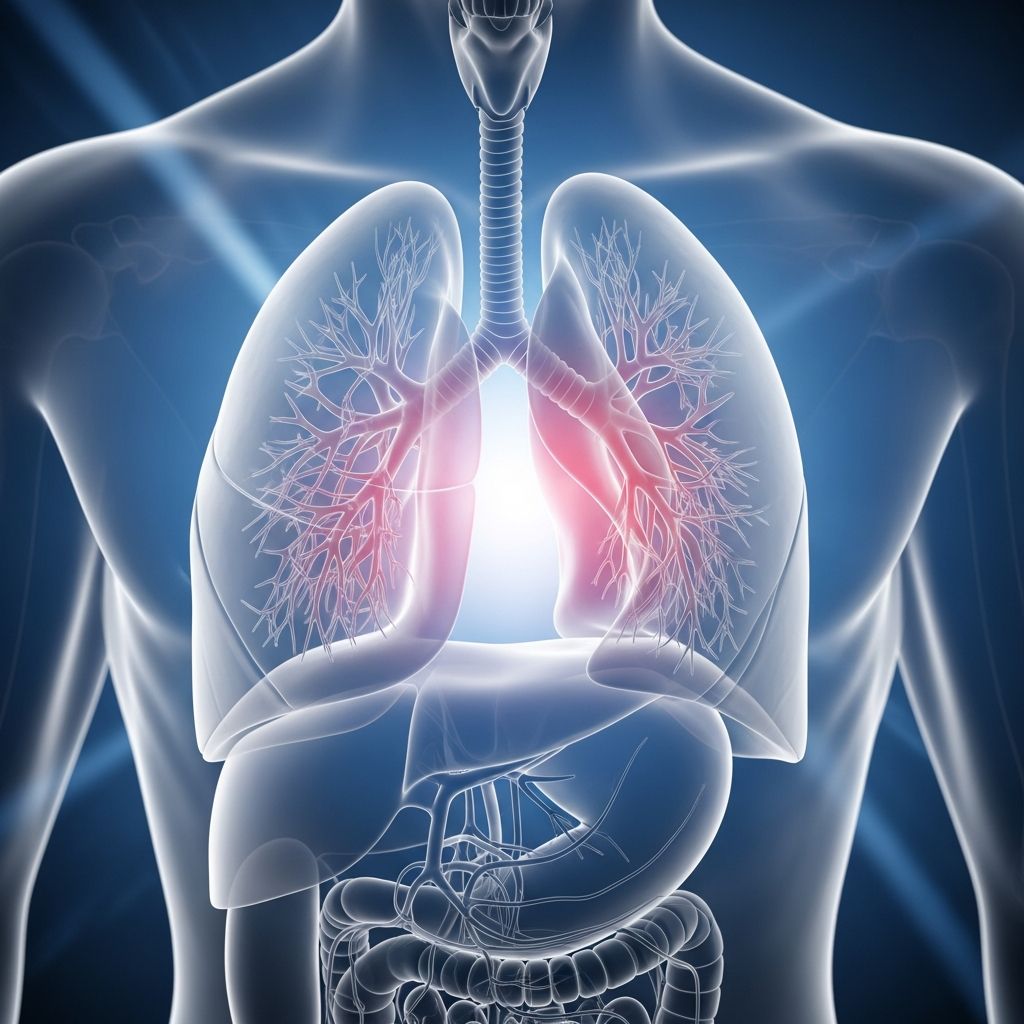
Tachypnea refers to a respiratory rate higher than normal, typically defined as more than 20 breaths per minute in adults at rest, more than 60 in newborns, and varying by age in children. This rapid, shallow breathing can arise from benign physiological responses or signal serious underlying pathology requiring immediate medical attention.
What Is Tachypnea?
Tachypnea, derived from Greek roots meaning ‘swift breathing,’ describes abnormally fast respiration that is often shallow. Unlike hyperpnea, which involves deep rapid breaths to meet oxygen demands, tachypnea tends to be superficial and inefficient for gas exchange. Normal respiratory rates are 12-20 breaths per minute for adults, 30-60 for newborns, 24-38 for infants, and 20-30 for children. Exceeding these at rest warrants evaluation, as it may indicate hypoxia, hypercapnia, acidosis, or compensatory mechanisms.
The condition manifests as noticeable chest movements with quick inhales and exhales, sometimes accompanied by nasal flaring, retractions, or cyanosis in severe cases. In newborns, transient tachypnea of the newborn (TTN) occurs due to delayed lung fluid clearance post-delivery.
Symptoms of Tachypnea
Beyond rapid breathing, symptoms depend on the cause but commonly include shortness of breath (dyspnea), chest pain, fatigue, dizziness, confusion, and use of accessory muscles. In pathological cases, fever, cough, wheezing, or bluish skin may appear. Infants might show grunting, flaring nostrils, or poor feeding. Anxiety-related tachypnea can involve hyperventilation leading to tingling, lightheadedness, or panic.
Physiological Causes of Tachypnea
Not all tachypnea indicates disease; physiological triggers increase respiratory rate to meet oxygen demands or respond to stimuli. Common examples include:
- Exercise: Muscles demand more oxygen, prompting faster breathing to enhance gas exchange.
- High altitude: Lower oxygen partial pressure stimulates chemoreceptors, increasing ventilation.
- Pregnancy: Elevated progesterone and mechanical diaphragm pressure raise baseline respiratory rate.
- Infants and children: Higher metabolic rates naturally result in faster breathing.
- Stimulants: Caffeine, medications, or recreational drugs activate sympathetic responses, elevating respiration.
These resolve with rest or adaptation and pose no long-term risk.
Pathological Causes of Tachypnea
Pathological tachypnea stems from disruptions in respiratory, cardiac, metabolic, neurological, or other systems. It often compensates for hypoxemia, hypercapnia, or acid-base imbalances via chemoreceptor feedback in the medulla.
Respiratory Causes
Lung and airway issues impair gas exchange, triggering compensatory tachypnea.
- Pneumonia: Infection inflames alveoli, reducing oxygen uptake and causing fever, cough, and rapid breaths.
- Asthma: Bronchospasm and inflammation narrow airways, leading to wheezing and dyspnea.
- COPD: Emphysema and chronic bronchitis obstruct airflow, worsening with exertion.
- Pulmonary embolism: Blood clots block pulmonary arteries, causing sudden hypoxia and chest pain.
- Pleural effusion: Fluid accumulation compresses lungs, restricting expansion.
- Pneumothorax: Collapsed lung from air in pleural space demands faster breathing to compensate.
- Foreign body aspiration: Obstruction irritates airways, prompting rapid respiration.
- Bronchiolitis: Viral infection in infants inflames small airways.
Cardiac Causes
Related Stories



Heart conditions reduce cardiac output or congest lungs, stimulating respiration.
- Heart failure: Fluid backs up into lungs (pulmonary edema), impairing oxygenation.
- Myocardial infarction: Pain and pump failure lead to compensatory tachypnea.
- Arrhythmias or valve disease: Inefficient pumping causes hypoxia.
Metabolic and Endocrine Causes
Acid-base disturbances drive hyperventilation to expel CO2 and correct pH.
- Diabetic ketoacidosis (DKA): Ketone buildup acidifies blood (Kussmaul respirations).
- Sepsis: Systemic inflammation and lactic acidosis accelerate breathing.
- Hyperthyroidism: Excess thyroid hormone boosts metabolism.
The reaction CO2 + H2O ⇔ H2CO3 ⇔ HCO3- + H+ explains this: excess CO2 shifts equilibrium right, increasing acidity; tachypnea expels CO2, shifting left to normalize pH.
Neurological and Other Causes
- Stroke: Brainstem damage disrupts respiratory control.
- Anxiety/panic disorder: Hyperventilation from sympathetic surge.
- Carbon monoxide poisoning: Binds hemoglobin, causing hypoxia.
- Allergic reactions/anaphylaxis: Bronchospasm and edema.
- Pain or fever: Stimulate respiratory centers.
- Cancer: Especially lung or metastatic, via obstruction or paraneoplastic effects.
Tachypnea in Special Populations
Newborns and Infants
Preterm infants or those with respiratory distress syndrome (RDS) experience tachypnea due to surfactant deficiency. Transient tachypnea of the newborn results from retained lung fluid. Other causes: pneumonia, congenital heart disease, or infections.
Children
Asthma, pneumonia, foreign body aspiration, or bronchiolitis predominate. Metabolic issues like DKA also occur.
Older Adults
COPD, heart failure, pneumonia, cancers, or infections are common; subtle presentations like UTIs can trigger.
Diagnosis and When to See a Doctor
Healthcare providers assess respiratory rate, oxygen saturation, auscultate lungs, and order tests like chest X-ray, ABG, CT, or blood work. Seek immediate care for persistent tachypnea with chest pain, cyanosis, confusion, or fever—may indicate PE, sepsis, or MI. In children/infants, any distress warrants urgent evaluation.
Treatment of Tachypnea
Treats underlying cause:
- Respiratory: Bronchodilators, steroids, antibiotics, oxygen, or chest tube for pneumothorax.
- Cardiac: Diuretics, vasodilators, or revascularization.
- Metabolic: Insulin for DKA, fluids/antibiotics for sepsis, bicarbonate if severe acidosis.
- Anxiety: Breathing exercises, benzodiazepines short-term.
- Supportive: Ventilation for respiratory failure.
Complications
Untreated pathological tachypnea leads to respiratory fatigue, failure, worsened acidosis, or death from underlying disease like sepsis or PE. Chronic cases strain the heart and muscles.
Frequently Asked Questions (FAQs)
What does tachypnea feel like?
It feels like shortness of breath, inability to get enough air, chest tightness, or dizziness, varying by cause.
Is tachypnea life-threatening?
Physiological no; pathological yes if from PE, sepsis, or heart failure—seek emergency care.
How is tachypnea diagnosed?
Via physical exam, pulse oximetry, blood gases, imaging, and labs to identify cause.
Can anxiety cause tachypnea?
Yes, hyperventilation syndrome from panic increases rate, often with paresthesia.
Does tachypnea go away on its own?
Physiological yes; pathological requires treatment of root issue.
References
- Tachypnea – StatPearls — Prabhakaran S, Ware LB. 2023-08-08. https://www.ncbi.nlm.nih.gov/books/NBK541062/
- Rapid shallow breathing — MedlinePlus. 2024. https://medlineplus.gov/ency/article/007198.htm
- Tachypnea — MD Searchlight. 2024. https://mdsearchlight.com/lung-disease-respiratory-health/tachypnea/
- Tachypnea (Tachypneic): Symptoms & Causes — Cleveland Clinic. 2023-11-09. https://my.clevelandclinic.org/health/symptoms/24124-tachypnea
- Tachypnea: Causes, symptoms, and treatment — Medical News Today. 2023-09-28. https://www.medicalnewstoday.com/articles/324548
Similar Articles








Read full bio of Sneha Tete