Tachypnea: Understanding Rapid Shallow Breathing
Learn about tachypnea, its causes, symptoms, and effective treatment options for rapid breathing.
Understanding Tachypnea: Rapid Shallow Breathing
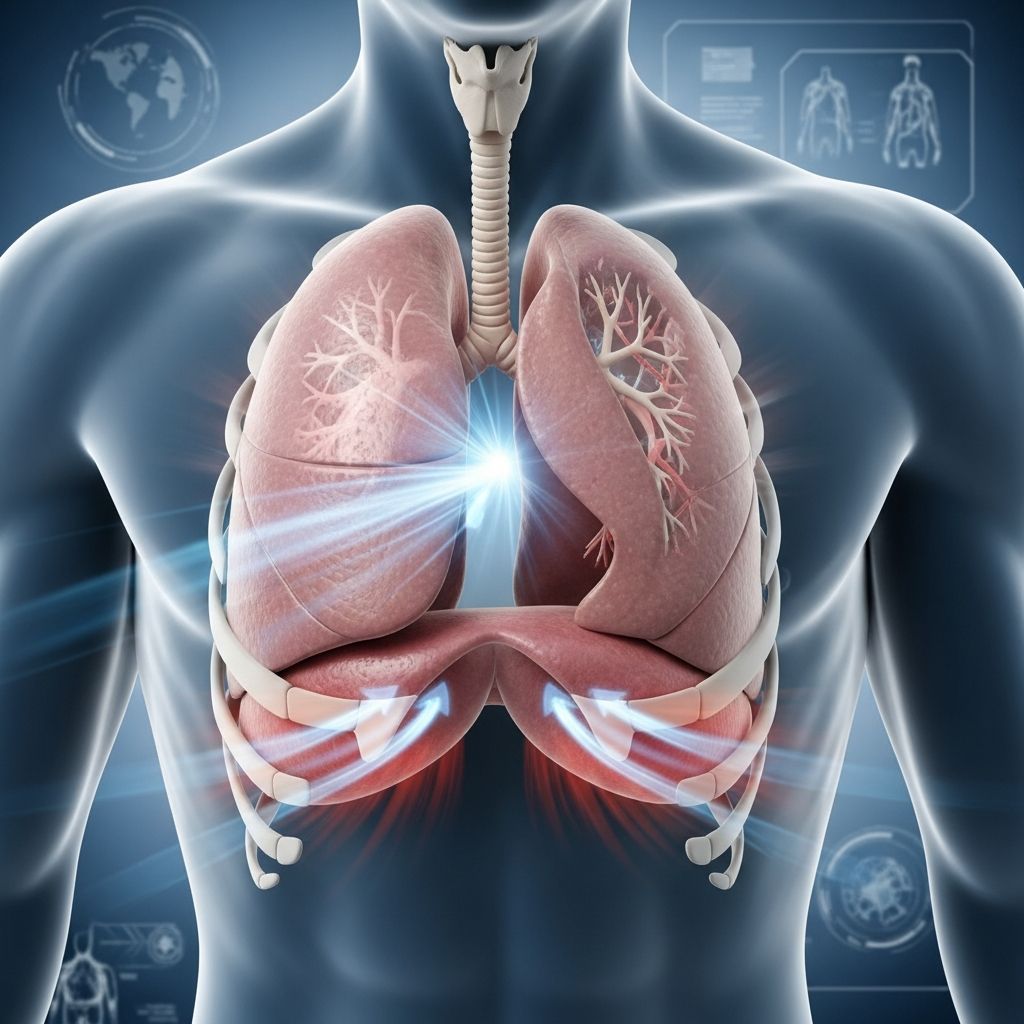
Tachypnea, pronounced “tuh-KIP-nee-uh,” is a medical condition characterized by rapid, shallow breathing that makes you feel like you’re not getting enough air into your lungs. This symptom can affect anyone at any age, though it is particularly common among newborns and people with underlying respiratory conditions. Unlike normal breathing patterns, tachypneic breathing occurs at an abnormally fast rate, often leaving individuals feeling breathless or anxious about their oxygen intake. When rapid breathing episodes occur but then return to normal, this is referred to as transient tachypnea, which is especially common in newborns.
What Is Tachypnea?
Tachypnea represents an increased respiratory rate that occurs either during physical exertion or, more concerningly, at rest without apparent cause. The condition manifests as quick, shallow breathing patterns that differ from the normal deep breaths most people take throughout the day. Understanding the specific breathing rate thresholds helps distinguish tachypnea from normal breathing variations.
Normal Breathing Rates and Tachypnea Thresholds
Breathing rate measurements are crucial for identifying tachypnea. In newborns experiencing transient tachypnea, a respiratory rate exceeding 60 breaths per minute indicates the condition. For older children and adults, tachypnea is typically diagnosed when the respiratory rate surpasses 25 breaths per minute while at rest. These thresholds help healthcare providers quickly identify the condition and determine appropriate treatment strategies.
Common Causes of Tachypnea
Tachypnea can result from various causes, ranging from temporary and benign to serious underlying medical conditions. Understanding these causes is essential for proper diagnosis and treatment.
Physiological Causes
Many instances of tachypnea occur during normal activities and are not indicative of disease. These physiological causes include:
- Running and intense physical exercise
- Stress or anxiety, including panic attacks
- Allergic reactions
- Fever and infections
Medical Conditions Associated with Tachypnea
Several serious medical conditions can trigger tachypnea as a symptom. These include respiratory disorders such as asthma and chronic obstructive pulmonary disease (COPD), which significantly impair the body’s ability to extract oxygen efficiently. Diabetic ketoacidosis, a life-threatening complication of diabetes, also causes rapid breathing as the body attempts to restore normal pH balance. Additionally, sepsis—a severe systemic infection—commonly presents with tachypnea as one of its early warning signs.
Tachypnea in Newborns: Transient Tachypnea of the Newborn (TTN)
Before birth, a baby’s lungs are filled with fluid rather than air. During labor, hormones trigger the air sacs (alveoli) in the lungs to absorb this fluid. Most of this fluid is expelled from the lungs during vaginal delivery through a process involving cells lining the air sacs. However, if this absorption and expulsion process occurs too slowly, excess fluid remains in the baby’s lungs, causing tachypnea. This condition, known as transient tachypnea of the newborn, is more common in infants born prematurely or through cesarean delivery without labor.
Understanding the Difference: Tachypnea vs. Shortness of Breath
Related Stories



While tachypnea and shortness of breath (dyspnea) are related respiratory symptoms, they represent distinct physiological responses. Tachypnea specifically increases the respiratory rate, causing individuals to inhale and exhale breaths rapidly and shallowly. In contrast, shortness of breath is characterized by a sensation of breathlessness—feeling unable to take a deep breath or catch one’s breath—without necessarily involving rapid breathing rates. Shortness of breath typically results from conditions affecting the heart or lungs and often involves chest tightening or the sensation of airway obstruction. Understanding this distinction helps healthcare providers identify the underlying cause more accurately.
Symptoms and Signs of Tachypnea
Recognizing the symptoms of tachypnea is important for seeking timely medical attention. Beyond rapid breathing itself, several other signs may indicate the presence of this condition:
- Rapid breathing at rest without physical exertion
- Feeling like you cannot get enough air
- Shallow breathing patterns
- Chest tightness or discomfort
- Anxiety or nervousness related to breathing difficulty
- Blue or gray discoloration of lips or skin (cyanosis) in severe cases
- Flaring nostrils or use of accessory muscles during breathing
Diagnosis of Tachypnea
Healthcare providers diagnose tachypnea primarily through physical examination and observation of breathing patterns. A healthcare provider will typically measure the respiratory rate by counting the number of breaths taken over one minute while the patient is at rest. For suspected underlying conditions, additional diagnostic tools may be employed, including pulmonary function tests to assess lung capacity and efficiency, chest X-rays to visualize lung structures, and computerized tomography (CT) scans to identify abnormalities. Blood tests may also be performed to rule out infections, metabolic disorders, or other systemic conditions contributing to rapid breathing.
Treatment Options for Tachypnea
Treatment approaches for tachypnea vary depending on the underlying cause and the patient’s age. The primary goal is to address the root cause of rapid breathing while providing symptomatic relief.
Breathing Techniques for Older Children and Adults
For older children and adults experiencing tachypnea, particularly when caused by hyperventilation or anxiety, controlled breathing techniques are highly effective. These techniques involve taking slow, deep breaths using the diaphragm—the primary breathing muscle located below the lungs. The recommended method includes breathing slowly in through the nose and exhaling through either the mouth or nose. This diaphragmatic breathing encourages the lungs to fill completely with air and expand fully, promoting relaxation and restoring normal breathing patterns. Regular practice of these techniques can help individuals manage anxiety-related tachypnea and prevent future episodes.
Oxygen Therapy
For younger children and infants, oxygen therapy represents a common treatment approach. Healthcare providers may administer oxygen through various delivery methods, including face masks or tubes placed in the nostrils (nasal cannula). Oxygen supplementation helps increase blood oxygen levels, reducing the respiratory drive and allowing breathing rates to normalize. This treatment is particularly important in cases where tachypnea results in inadequate oxygenation.
Treatment of Underlying Causes
The most effective approach to managing tachypnea involves treating the underlying condition causing rapid breathing. Depending on the diagnosis, treatment might include:
- Antibiotics for bacterial infections and sepsis
- Asthma medications and inhalers for respiratory conditions
- Management of diabetic ketoacidosis through insulin and fluid therapy
- COPD medications and airway clearance therapy for chronic lung disease
- Treatment of heart conditions contributing to breathlessness
- Management of fever through antipyretics
Emergency Treatment
When tachypnea causes severe respiratory distress, emergency medical intervention becomes necessary. In hospital settings, emergency treatment may include mechanical ventilation to assist with breathing, positive pressure ventilation to keep airways open, and supplemental oxygen delivered at higher concentrations. Healthcare providers also monitor oxygen saturation levels and may administer medications to address the underlying cause of respiratory distress.
Recovery and Prognosis
Recovery timelines for tachypnea depend largely on the underlying cause. Infants with transient tachypnea of the newborn typically recover within two to three days as their lungs continue to absorb and expel remaining fluid. Older children and adults usually recover quickly once treatment for the underlying cause begins. However, tachypnea may recur if the underlying condition is not properly managed or treated, highlighting the importance of addressing root causes rather than just treating symptoms.
Prevention Strategies
While not all causes of tachypnea can be prevented, certain measures can reduce the risk of developing this condition. These preventive strategies include:
- Managing anxiety through stress-reduction techniques and professional support
- Maintaining good respiratory health through regular exercise and avoiding respiratory irritants
- Controlling underlying conditions like asthma and COPD through prescribed medications
- Avoiding allergenic triggers and maintaining good indoor air quality
- Seeking prompt treatment for infections to prevent sepsis
- Managing diabetes effectively to prevent diabetic ketoacidosis
When to Seek Medical Attention
Contact your healthcare provider if you experience symptoms of tachypnea, particularly if rapid breathing occurs at rest without an apparent cause. Seek emergency medical care immediately if you experience:
- Severe shortness of breath or difficulty breathing
- Chest pain or pressure
- Blue or gray discoloration of lips or skin
- Confusion or loss of consciousness
- Rapid breathing lasting more than a few days
- Symptoms worsening despite home treatment
- Signs of severe infection or sepsis
Potential Complications of Untreated Tachypnea
While most cases of tachypnea are not life-threatening, persistent rapid breathing without adequate oxygen intake can have serious consequences. Prolonged insufficient oxygenation can harm your body and negatively affect brain and heart function. This underscores the importance of seeking timely medical evaluation and treatment for tachypnea, particularly when symptoms persist beyond several days or worsen over time.
Frequently Asked Questions About Tachypnea
Q: Is tachypnea the same as shortness of breath?
A: No, while related, tachypnea and shortness of breath are distinct symptoms. Tachypnea refers specifically to rapid, shallow breathing, while shortness of breath is the sensation of being unable to get enough air. You can experience one without the other, though they may occur together.
Q: Can stress cause tachypnea?
A: Yes, stress and anxiety can trigger tachypnea, particularly during panic attacks. In these cases, controlled breathing techniques and stress management are often effective treatments without requiring medical intervention for an underlying disease.
Q: How long does transient tachypnea last in newborns?
A: Most infants with transient tachypnea of the newborn recover within two to three days as their lungs continue to absorb and expel excess fluid. However, some cases may require oxygen therapy during this recovery period.
Q: What breathing rate indicates tachypnea in adults?
A: In adults at rest, a respiratory rate exceeding 25 breaths per minute is typically considered tachypnea. Normal resting breathing rates for adults range from 12 to 20 breaths per minute.
Q: Can tachypnea be prevented?
A: While not all causes of tachypnea can be prevented, managing underlying conditions like asthma and COPD, controlling anxiety, and maintaining overall respiratory health can reduce your risk of developing this condition.
Q: Is tachypnea an emergency?
A: Tachypnea itself is not always an emergency, but severe cases accompanied by difficulty breathing, chest pain, or cyanosis require immediate emergency medical attention. Seek professional evaluation if rapid breathing persists for several days.
References
- Tachypnea (Tachypneic): Symptoms & Causes — Cleveland Clinic. 2022-09-09. https://my.clevelandclinic.org/health/symptoms/24124-tachypnea
- What Causes Rapid Shallow Breathing? — SmartVest. https://smartvest.com/blog/what-causes-rapid-shallow-breathing/
- Dyspnea (Shortness of Breath): Causes, Symptoms & Treatment — Cleveland Clinic. https://my.clevelandclinic.org/health/symptoms/16942-dyspnea
Similar Articles








Read full bio of Sneha Tete