Tacrolimus Ointment: Complete Guide To Uses & Side Effects
Comprehensive guide to using tacrolimus ointment for eczema and skin inflammation management effectively and safely.
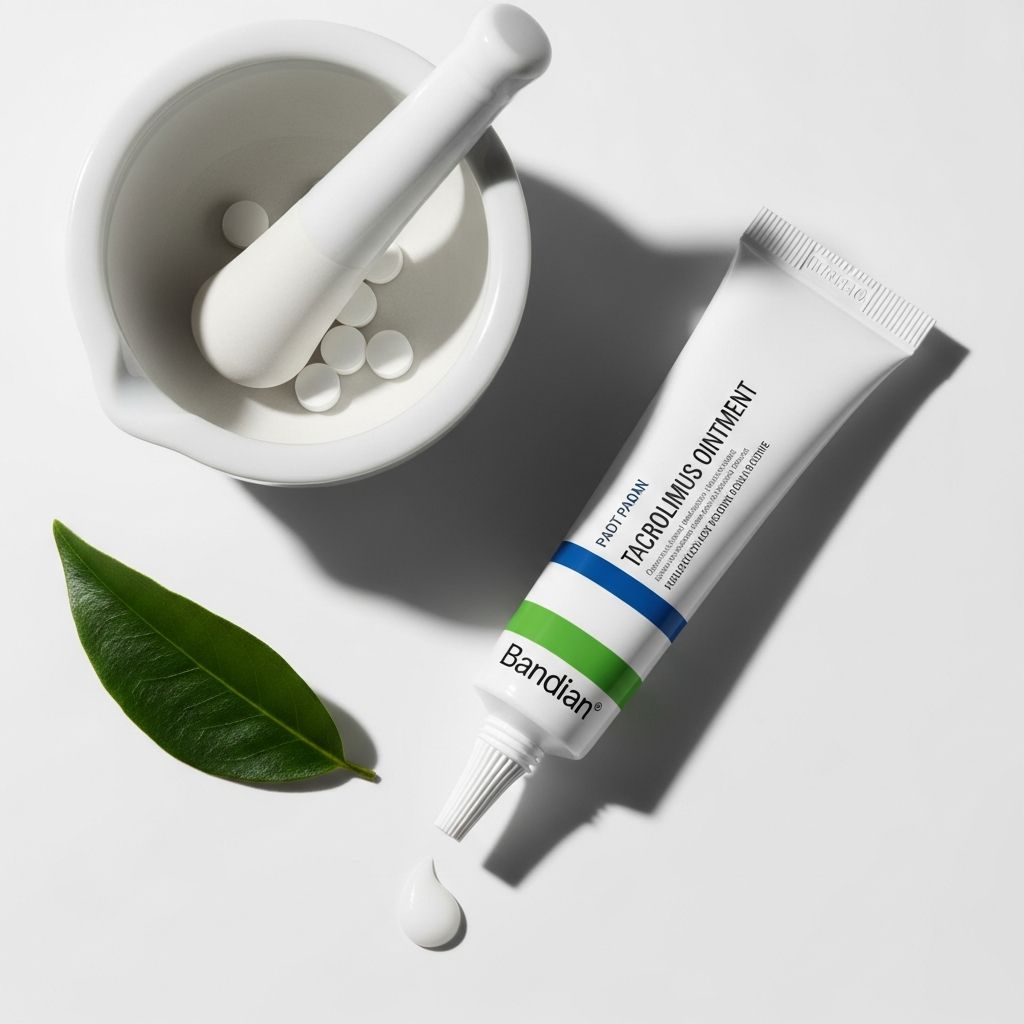
Tacrolimus ointment serves as a targeted topical therapy primarily designed to manage moderate to severe atopic dermatitis, commonly known as eczema. Unlike traditional steroid creams, this medication operates through a unique mechanism to calm overactive immune responses on the skin’s surface, offering relief where other treatments fall short.
Understanding the Science Behind Tacrolimus Ointment
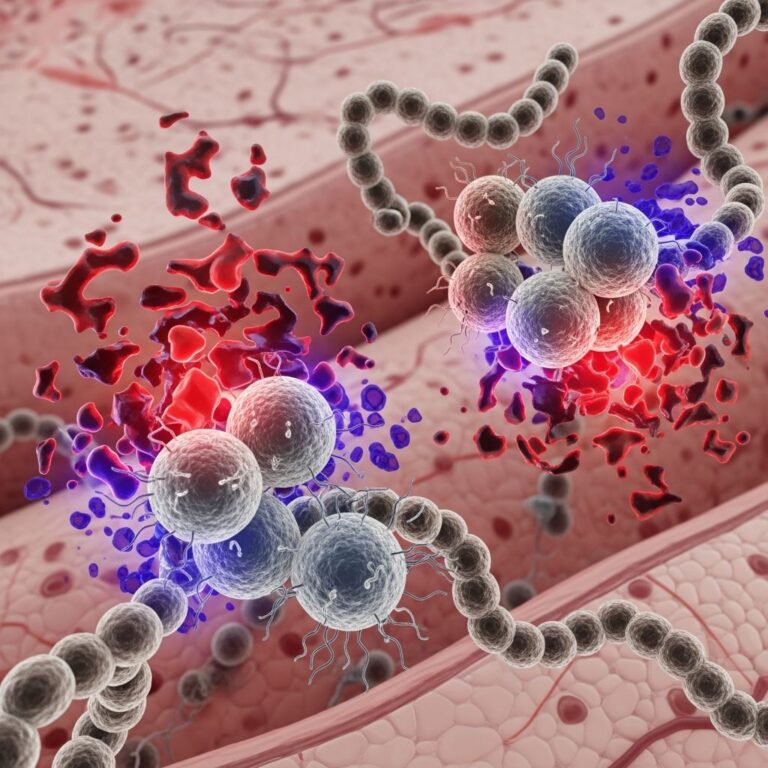
This ointment belongs to a class of drugs called calcineurin inhibitors. It works by penetrating the skin and binding to specific receptors on T-cells, key players in the immune system. This binding process disrupts the activation of these cells, preventing the release of inflammatory chemicals like cytokines (IL-2, IL-4, IL-5) that fuel eczema flare-ups. By inhibiting calcineurin—a protein that triggers immune overreactions—tacrolimus reduces redness, swelling, and itching without the risks associated with long-term steroid use, such as skin thinning.
Originally developed as an oral immunosuppressant for organ transplant patients to prevent rejection, topical tacrolimus adapts this powerful action for localized skin treatment. Its formulation ensures minimal systemic absorption, making it suitable for sensitive areas like the face and neck.
Approved Uses and Who Can Benefit
Tacrolimus ointment is FDA-approved for treating eczema in adults and children aged 2 years and older who haven’t responded well to conventional therapies. It’s particularly valuable for individuals with a history of steroid intolerance or those needing treatment on delicate skin.
- Primary Indication: Moderate to severe atopic dermatitis, characterized by dry, itchy, inflamed patches.
- Off-Label Applications: Sometimes prescribed for psoriasis, vitiligo, and other inflammatory conditions, though evidence varies.
- Age Guidelines: Not recommended for children under 2 years due to insufficient safety data.
Clinical studies highlight its broad applicability. For instance, in trials involving adults with moderate to severe eczema, significant symptom improvement was observed after just three weeks of use.
Available Strengths and Formulations
Tacrolimus ointment comes in two main concentrations: 0.03% for children aged 2-15 years and 0.1% for adults and teens over 16. Both are prescription-only and packaged as tubes for easy application.
| Strength | Target Group | Typical Use |
|---|---|---|
| 0.03% | Children 2-15 years | Twice daily on affected areas |
| 0.1% | Adults and teens 16+ | Twice daily, short-term or as needed |
These formulations are greasy ointments, which help lock in moisture while delivering the active ingredient.
Step-by-Step Application Instructions
Proper use maximizes efficacy and minimizes risks. Always follow your healthcare provider’s directions.
- Prepare the Skin: Clean and thoroughly dry the affected area. Avoid applying emollients (moisturizers) within one hour before or after to prevent dilution.
- Apply Thinly: Use a pea-sized amount for small areas or fingertip unit for larger patches. Gently rub in until absorbed.
- Frequency: Apply twice daily, morning and evening, until improvement, then reduce as advised.
- Best Areas: Excels on face, neck, eyelids, and folds where steroids may cause issues.
- Post-Application: Wash hands unless treating hands. Avoid occlusive dressings unless directed.
Related Stories



For optimal results, combine with daily emollient use on untreated skin to maintain the skin barrier.
Expected Benefits and Timeline
Users often notice reduced itching and redness within days, with peak improvement in 1-4 weeks. Long-term studies show sustained control with intermittent use, preventing flares without continuous application.
- Short-term: Rapid symptom relief in 70-80% of patients per clinical trials.
- Long-term: Up to 12 weeks or more under medical supervision, with quality-of-life gains.
In pediatric trials, over 70% of children achieved more than 50% improvement versus placebo.
Potential Side Effects and Management
Most effects are mild and transient, occurring at the application site.
| Common Side Effects | Frequency | Management Tips |
|---|---|---|
| Burning or stinging | Up to 26% initially | Diminishes in days; apply sparingly, cool skin first |
| Itching | 10-20% | Continue use; moisturize separately |
| Redness or warmth | Common early | Reduces with time; consult if persists |
| Infections (e.g., herpes) | Rare, 1-11% | Avoid if active infection; seek medical help |
Serious risks like skin cancer or lymphoma are theoretical based on animal studies and systemic use; human data shows no increased incidence with topical application. Discontinue if severe irritation or infection develops.
Precautions and Contraindications
Not for everyone. Key warnings include:
- Avoid in immunocompromised patients or active skin infections (bacterial, viral, fungal).
- Do not use under occlusion or phototherapy without guidance.
- Limit sun exposure; use sunscreen on treated areas.
- Pregnancy: Category C; use only if benefits outweigh risks.
- Breastfeeding: Avoid application to breasts.
Monitor for alcohol flush syndrome if consuming alcohol.
Comparing Tacrolimus to Other Eczema Treatments
Tacrolimus offers advantages over topical corticosteroids, especially long-term:
| Feature | Tacrolimus Ointment | Topical Steroids |
|---|---|---|
| Skin Thinning Risk | Low/none | High with prolonged use |
| Suitable for Face/Neck | Yes | Limited |
| Mechanism | Immune modulation | Anti-inflammatory |
| Long-term Use | Proactive possible | Intermittent only |
It’s a strong alternative when steroids fail or cause atrophy.
Real-World Efficacy from Clinical Evidence
Double-blind trials confirm superiority over vehicle: 75-83% symptom reduction in adults at 3 weeks; 36-78% marked improvement in 12-week studies for kids and adults. A one-year pediatric study reported manageable side effects with no systemic issues.
Integrating into Daily Skin Care Routines
Pair tacrolimus with a comprehensive regimen:
- Daily fragrance-free moisturizers.
- Gentle cleansers.
- Trigger avoidance (irritants, allergens).
- Regular dermatologist follow-ups.
Proactive twice-weekly application post-clearance prevents relapses.
Frequently Asked Questions (FAQs)
Can tacrolimus be used long-term?
Yes, under supervision for maintenance, unlike steroids.
Is it safe for eyelids?
Yes, effective and safer than steroids for thin skin areas.
What if it burns a lot?
Common initially; persists >1 week, contact doctor.
Does it cure eczema?
No, controls symptoms; eczema is chronic.
Generic vs. brand (Protopic)?
Equally effective; generics are affordable.
Consulting Healthcare Providers
Always obtain from a prescription. Discuss history of infections, cancers, or immune issues. Regular check-ins ensure safe use.
References
- Topical Tacrolimus – Newcastle Hospitals NHS Foundation Trust — Newcastle Hospitals NHS. Accessed 2026. https://www.newcastle-hospitals.nhs.uk/services/dermatology/patient-dermatology-information-leaflets/topical-tacrolimus/
- Protopic (Tacrolimus): Uses, Side Effects, Dosage & More – GoodRx — GoodRx. Accessed 2026. https://www.goodrx.com/tacrolimus/what-is
- Topical Tacrolimus: A New Therapy for Atopic Dermatitis – AAFP — American Academy of Family Physicians. 2002-11-15. https://www.aafp.org/pubs/afp/issues/2002/1115/p1899.html
- Tacrolimus (Protopic): How to Use & Side Effects – Cleveland Clinic — Cleveland Clinic. Accessed 2026. https://my.clevelandclinic.org/health/drugs/19514-tacrolimus-ointment
- Tacrolimus (topical route) – Mayo Clinic — Mayo Clinic. Accessed 2026. https://www.mayoclinic.org/drugs-supplements/tacrolimus-topical-route/description/drg-20068159
- Management of Atopic Dermatitis: The Role of Tacrolimus – PMC – NIH — National Institutes of Health. 2022. https://pmc.ncbi.nlm.nih.gov/articles/PMC9387362/
Similar Articles








Read full bio of medha deb