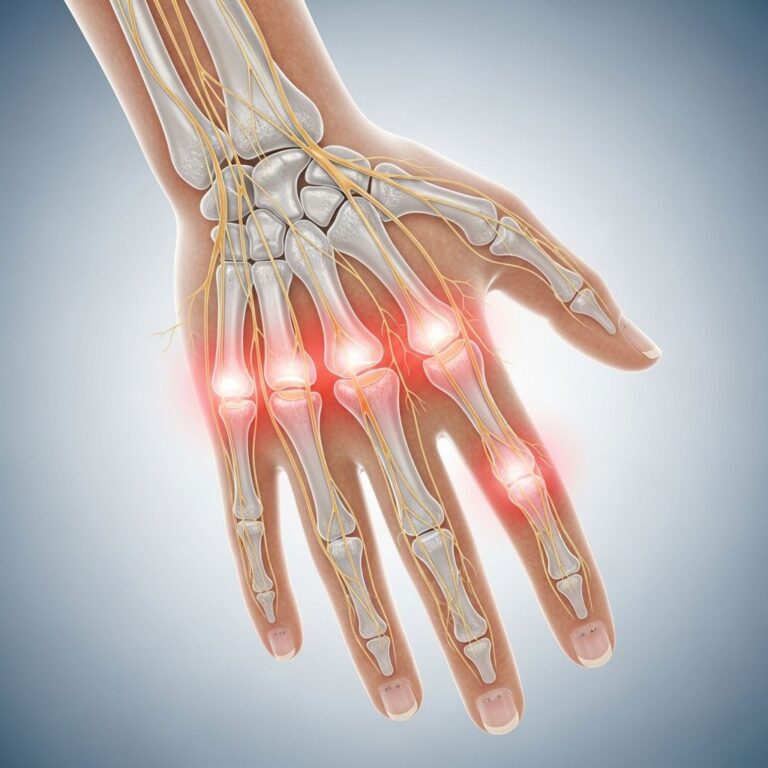
Tai Chi: Research-Backed Benefits And How To Start
Discover tai chi's proven health benefits, origins, and how to get started safely.
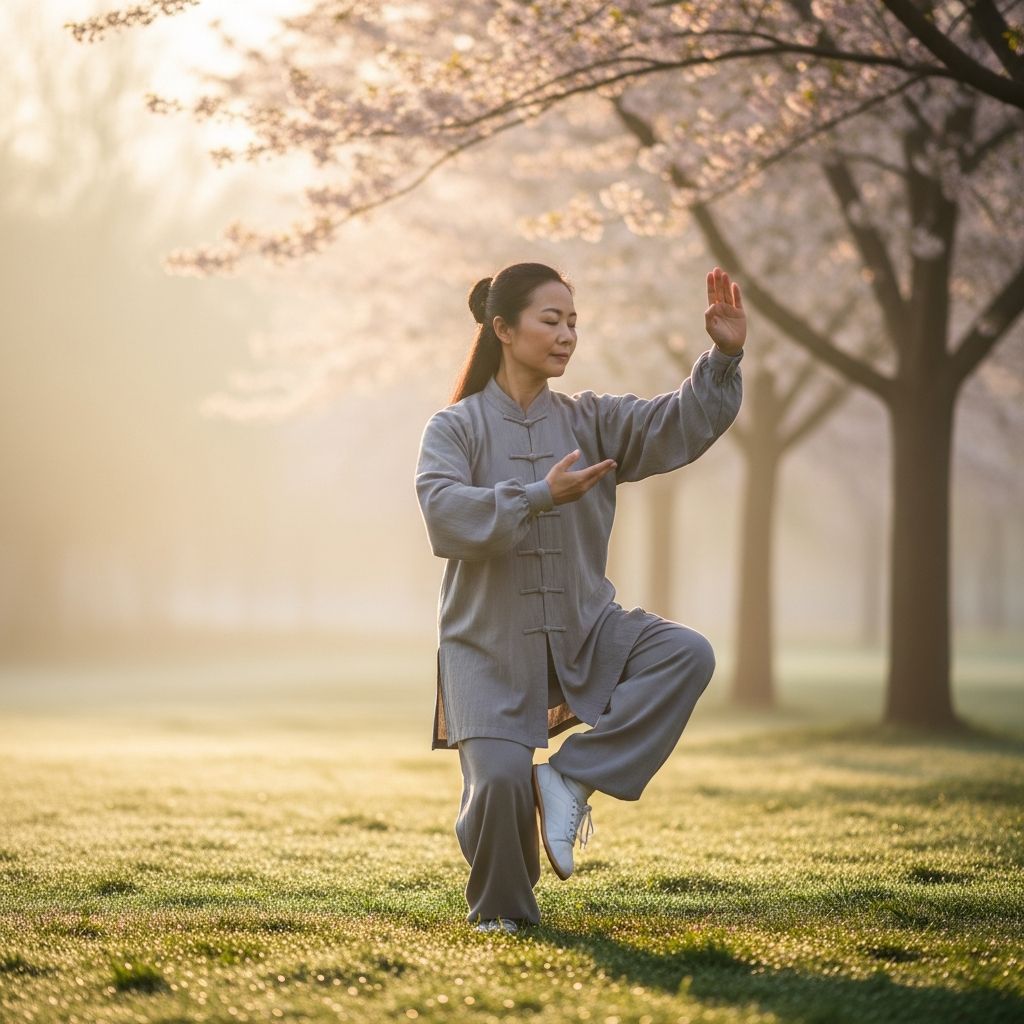
Tai Chi: What You Need to Know
Tai chi is an ancient Chinese practice that combines slow, deliberate movements with focused breathing and meditation. This mind-body exercise has gained significant attention in Western medicine over the past several decades, with more than 500 scientific studies and 120 systematic reviews published examining its health benefits. What was once considered primarily a martial art and spiritual practice is now recognized as a valuable therapeutic intervention for various health conditions, particularly in promoting healthy aging and preventing chronic disease.
Understanding Tai Chi: Origins and Principles
Tai chi originated in China centuries ago as a martial art, but it has evolved into a practice that emphasizes health and wellness rather than combat. The name itself reflects its philosophical foundation: tai means “supreme” or “ultimate,” while chi refers to the life force that flows through the body in traditional Chinese medicine.
The practice is characterized by several key features that distinguish it from other forms of exercise. Mindfulness plays a central role—practitioners cultivate awareness of the current moment by focusing on their body’s position, movements, and sensations. Imagery is incorporated as a learning strategy, with many tai chi movements having evocative names like “wave hands like clouds” or “grasp the bird’s tail.” The movements themselves are low-intensity, flowing sequences that can be performed at various speeds depending on skill level and individual needs. Finally, tai chi emphasizes the mind-body connection, viewing physical movement as inseparable from mental and spiritual well-being.
Key Features of Tai Chi Practice
| Feature | Description |
|---|---|
| Mindfulness | Focused awareness on body position, movements, and sensations in the present moment |
| Imagery | Use of evocative names and mental visualization to guide and enhance movements |
| Low-Intensity Movement | Gentle, flowing sequences adaptable to individual fitness levels and abilities |
| Mind-Body Connection | Integration of physical movement with breathing, relaxation, and mental focus |
| Balance and Coordination | Development of stability and body awareness through deliberate weight shifts |
Scientific Evidence for Health Benefits
Modern research has validated many traditional claims about tai chi’s health benefits. The strongest evidence supports its effectiveness for several specific conditions:
Fall Prevention in Older Adults
One of tai chi’s most well-documented benefits is its ability to prevent falls in community-dwelling older adults. Research has shown that tai chi is the most cost-effective intervention available for fall prevention. Studies have demonstrated that older adults who practice tai chi experience greater than a 40 percent reduction in the number of falls. Beyond preventing falls, tai chi has also been shown to decrease the fear of falling, which is itself an important health outcome. This is particularly significant given that falls represent a major cause of injury-related death in older adults and are associated with substantial healthcare costs.
Osteoarthritis Management
Related Stories



Systematic reviews provide excellent evidence that tai chi can effectively manage osteoarthritis symptoms. The gentle, low-impact nature of tai chi movements makes it particularly suitable for individuals with joint pain and stiffness. Studies have shown that practicing tai chi reduces pain and improves function in people with osteoarthritis, particularly of the knee. A 12-week course of tai chi has been shown to produce better outcomes than education and stretching programs alone.
Parkinson Disease
Research indicates excellent evidence of benefit for people with Parkinson disease who combine tai chi practice with medication. Key findings show that individuals taking medication who also practice tai chi experience better mobility and balance outcomes compared with those taking medication alone. Studies have even demonstrated that tai chi is cost-effective as a complementary therapy for this condition, and an ongoing randomized controlled trial is investigating these benefits further.
Balance and Gait Improvement
Clinical trials have found that tai chi training can improve important indicators of walking ability in older adults. Research from Harvard Medical School and Beth Israel Deaconess Medical Center found that as little as six months of tai chi training might improve gait dynamics, which reflect how well a person can walk. The practice appears to maintain or improve flexibility to respond and adapt to unpredictable changes in terrain and environmental stresses. While tai chi was not found to be associated with increased gait speed, its effects on gait quality suggest potential benefits for fall prevention and mobility.
COPD Rehabilitation
Excellent evidence supports tai chi as a rehabilitation tool for chronic obstructive pulmonary disease (COPD). The practice’s combination of movement, breathing focus, and relaxation makes it particularly beneficial for individuals with respiratory conditions.
Cognitive Function in Older Adults
Research provides excellent evidence that tai chi can improve cognitive capacity in older adults. This benefit appears to extend beyond simple memory enhancement to broader cognitive domains including processing speed and executive function.
Fibromyalgia Symptom Management
Studies show that tai chi results in similar or greater improvement in fibromyalgia symptoms compared to aerobic exercise. A study from Tufts University and Brown University found that tai chi produced greater benefit than aerobic exercise when each was practiced twice weekly for 24 weeks. Greater improvement was observed with 24 weeks of practice than with 12 weeks, though twice-weekly practice was not significantly more helpful than weekly practice. Importantly, there were no reports of serious adverse events related to tai chi practice in these studies.
Mental Health and Quality of Life
Beyond physical benefits, tai chi may promote quality of life and mood in people with heart failure and cancer. The practice also offers psychological benefits such as reducing anxiety and may improve sleep quality.
What You Should Know Before Getting Started
Appropriate for Most People
Tai chi is generally considered a safe practice for people of various fitness levels and ages. Its low-impact nature makes it accessible to older adults and individuals with chronic conditions. However, tai chi may not be equally beneficial for all populations. Research indicates it is less beneficial for individuals requiring assisted living, such as visually impaired adults in residential care. Additionally, tai chi has not been shown to be effective in preventing falls in frail, institutionalized elderly patients, where the complexity and physical demands of practice may exceed individual capabilities.
Finding Qualified Instructors
The quality of instruction significantly impacts the benefits derived from tai chi practice. There are numerous programs available with differing criteria and levels of certification for instructors. When seeking a tai chi class, consider the following:
– Look for instructors with recognized certifications from established tai chi organizations- Choose classes specifically designed for your age group or health condition- Ask about the instructor’s experience working with individuals with your specific health concerns- Inquire about class size to ensure you receive adequate individual attention- Consider starting with beginner classes rather than advanced forms- Verify that the instructor emphasizes proper technique and safety
Frequency and Duration for Best Results
Research suggests that consistent practice yields the best results. Studies examining tai chi’s effectiveness often use 12 to 24 weeks of practice as a time frame for observing benefits. More frequent practice appears beneficial, though the optimal frequency may vary by individual and condition. For many conditions, practicing twice weekly for 24 weeks has shown better results than shorter durations, though even weekly practice can provide benefits.
How Tai Chi Works
Tai chi is a multicomponent mind-body approach that appears to work through several interconnected mechanisms. The practice combines low-intensity aerobic exercise with a complex, learned motor sequence. This combination may explain why tai chi is often more effective than other single-component interventions. The mindful movement and balance work involved in tai chi appears to improve proprioception—the body’s awareness of its position in space. This enhanced proprioceptive sense translates to better balance, more stable gait, and reduced fall risk.
The breathing and relaxation components of tai chi may contribute to cardiovascular benefits and stress reduction. The meditative aspects appear to support cognitive function and mental health. When combined, these elements create a comprehensive health intervention that addresses multiple physiological and psychological systems simultaneously.
Current Research and Future Directions
The National Center for Complementary and Integrative Health (NCCIH) continues to support research on tai chi’s effects across multiple health conditions. Currently funded studies are examining tai chi’s impact on symptoms of anxiety and sleep quality in young adults, fibromyalgia, and knee osteoarthritis. Between 2.3 million and 3 million people in the United States currently practice tai chi, and scientific investigation continues to validate and refine understanding of its therapeutic applications.
More than 45 years of research has produced over 500 trials examining tai chi’s health benefits. The strength of this research base lies in the inclusion of many systematic reviews, meta-analyses, and increasingly, high-quality randomized controlled trials. While some areas show preliminary evidence requiring further investigation, the overall body of evidence supports tai chi as an effective health intervention for numerous conditions, particularly those affecting balance, mobility, and quality of life in aging populations.
Frequently Asked Questions
Q: Is tai chi effective for weight loss?
A: Tai chi is primarily beneficial for balance, strength, and mental well-being rather than weight loss. While the regular practice provides some cardiovascular benefits and calorie expenditure, it is typically low-intensity compared to other exercise forms. However, tai chi may complement a comprehensive weight management program and can improve overall fitness in ways that support health.
Q: How long does it take to see benefits from tai chi?
A: Research suggests that measurable benefits can begin to appear within 6 to 12 weeks of consistent practice. However, some benefits, particularly improved balance and fall prevention, may be observed earlier. Longer practice durations (24 weeks) have shown greater improvements than shorter periods in some studies.
Q: Can tai chi be harmful if practiced incorrectly?
A: Tai chi is generally very safe, with studies reporting no serious adverse events even in populations with chronic conditions. However, improper technique, particularly regarding balance and weight shifts, may reduce benefits or potentially lead to minor strain. This is why learning from a qualified instructor is recommended, particularly for older adults or those with balance issues.
Q: Is tai chi a religious practice?
A: While tai chi has philosophical roots in Taoism and traditional Chinese medicine, it can be practiced as a purely physical and mental exercise without religious or spiritual components. Many people practice tai chi solely for its health benefits, making it accessible to individuals of all faith backgrounds.
Q: Can I practice tai chi if I have joint problems or arthritis?
A: Yes, tai chi is actually recommended for osteoarthritis management. The low-impact, gentle nature of the movements makes it suitable for people with joint concerns. However, modifications may be necessary, and consulting with your healthcare provider or a qualified tai chi instructor experienced with arthritis is advisable.
Q: How often should I practice tai chi to see health benefits?
A: Research indicates that practicing tai chi weekly or twice weekly for 12 to 24 weeks produces measurable health benefits. More frequent practice generally yields better results, though even once-weekly practice has demonstrated benefits in some studies.
Q: Is tai chi suitable for people with Parkinson disease?
A: Yes, tai chi combined with medication shows excellent evidence of benefit for people with Parkinson disease, improving mobility and balance outcomes. Some studies demonstrate it is cost-effective as a complementary therapy for this condition.
Conclusion
Tai chi represents a valuable, accessible, and scientifically-validated approach to improving health and quality of life, particularly for older adults and individuals with chronic conditions. With more than 500 clinical trials and 120 systematic reviews supporting its use, tai chi offers excellent evidence of benefit for fall prevention, osteoarthritis, Parkinson disease, COPD rehabilitation, and cognitive function improvement. The practice’s combination of gentle movement, mindfulness, and breathing makes it suitable for people across a wide range of fitness levels and health statuses. For those interested in exploring tai chi, finding a qualified instructor and committing to consistent practice—ideally weekly or twice weekly—offers the best opportunity to experience its documented health benefits.
References
- Health benefits of tai chi: What is the evidence? — PubMed Central (National Center for Biotechnology Information). 2023. https://pmc.ncbi.nlm.nih.gov/articles/PMC9844554/
- Building the Understanding of the Effects of Tai Chi Training on Walking in Older People — National Center for Complementary and Integrative Health (NCCIH). https://www.nccih.nih.gov/research/research-results/building-the-understanding-of-the-effects-of-tai-chi-training-on-walking-in-older-people
- Researchers study tai chi benefits — Harvard Magazine. 2010. https://www.harvardmagazine.com/2010/01/researchers-study-tai-chi-benefits
- Tai Chi and Qi Gong — National Center for Complementary and Integrative Health (NCCIH). 2015. https://files.nccih.nih.gov/s3fs-public/Tai_Chi_and_Qi_Gong_09-11-2015.pdf
- Tai Chi Has Similar or Greater Benefits Than Aerobic Exercise for Fibromyalgia, Study Shows — National Center for Complementary and Integrative Health (NCCIH). https://www.nccih.nih.gov/research/research-results/tai-chi-has-similar-or-greater-benefits-than-aerobic-exercise-for-fibromyalgia-study-shows
- 5 Tips: What You Should Know About Tai Chi for Health — National Center for Complementary and Integrative Health (NCCIH). https://www.nccih.nih.gov/health/tips/tips-what-you-should-know-about-tai-chi-for-health
Similar Articles








Read full bio of medha deb