Tailbone Pain (Coccydynia): Causes, Symptoms & Treatment
Complete guide to understanding tailbone pain, from diagnosis to recovery options.
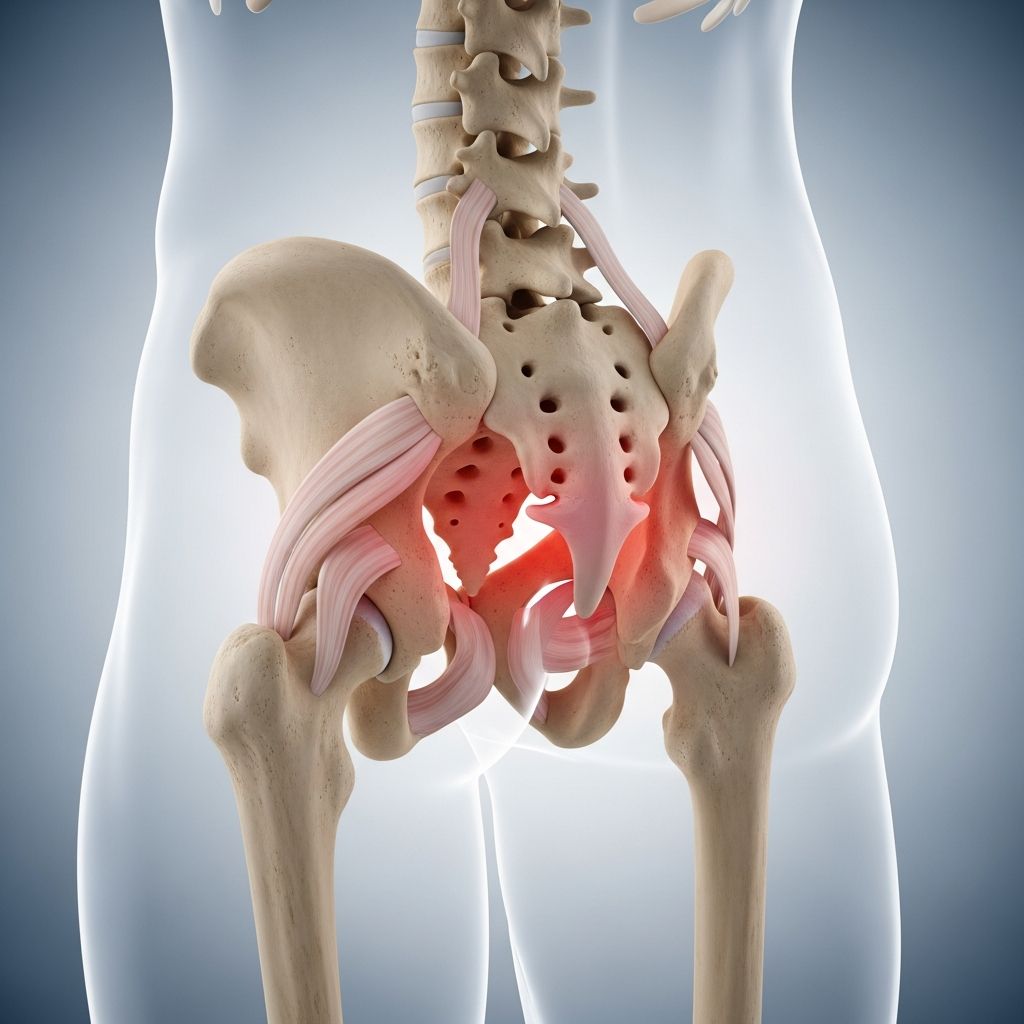
Tailbone pain, medically known as coccydynia, is a common condition that can make life uncomfortable at best and unbearable at worst. Your coccyx, a small triangular bone located at the bottom of your spinal column, can become bruised, fractured, or inflamed, leading to persistent discomfort. The good news is that most cases respond well to conservative home remedies like medication and ice packs. However, in some cases, you might need professional treatment such as numbing injections or, very rarely, surgery.
Understanding Coccydynia: What Is Tailbone Pain?
Coccydynia is characterized by pain and tenderness localized to the coccyx region, the triangular bone situated at the base of your spine between your buttocks. This condition affects a significant portion of the population and is notably more prevalent in certain demographics. Tailbone pain is five times more likely to occur in females than males, and it affects adolescents and adults more frequently than children.
The pain associated with coccydynia typically worsens when sitting, which can significantly impact daily activities and quality of life. The condition often involves inflammation of the surrounding tissue, which compounds the discomfort experienced by sufferers.
Causes of Tailbone Pain
There are numerous reasons why you might develop tailbone pain. Understanding the underlying cause is essential for appropriate treatment and prevention of future episodes.
Traumatic Causes
Tailbone injuries are among the most common causes of coccydynia. The major risk factor for coccydynia is direct injury to the coccyx or pelvic bones. Tailbone injury typically occurs when you fall backward and land directly on your tailbone, causing it to bruise, dislocate, or fracture. Falls are the primary mechanism of injury, particularly in elderly individuals or those with balance impairments.
Repetitive Strain and Activity-Related Causes
Repetitive strain activities can contribute significantly to tailbone pain. Cycling, in particular, involves repetitive motion that stresses the tissues surrounding the tailbone and can lead to chronic pain. Other activities that may cause tailbone pain include motorbike riding, horse riding, and sports that involve prolonged sitting or repeated pressure on the coccyx.
Pregnancy and Childbirth
Pregnancy and childbirth represent significant risk factors for developing coccydynia. The pressure and strain on the tailbone during childbirth can cause injury, and hormonal changes during pregnancy can increase ligament laxity. Additionally, abnormal or excessive mobility of the tailbone can develop during this period.
Other Medical Causes
Several other conditions can cause or mimic tailbone pain, including:
- Infections, including shingles of the buttocks
- Pilonidal cysts
- Sciatica
- Sacroiliitis
- Hemorrhoids
- Tumors of the coccyx or vertebrae
In very rare cases, tailbone pain may indicate cancer near your coccyx or metastatic cancer that has spread to the bones. Cancers most likely to cause tailbone pain include colorectal cancer, prostate cancer, and gynecological cancers.
Recognizing Symptoms of Coccydynia
The primary symptom of coccydynia is localized pain and tenderness at the tailbone. However, the presentation of symptoms can vary significantly among individuals.
Common Symptoms
Classic symptoms of tailbone pain include midline pain located below the sacrum and above the anus. The pain characteristics often include:
Related Stories



- Dull, achy pain with occasional sharp pain sensations
- Exquisite tenderness in the tailbone area
- Pain that worsens significantly when sitting
- Increased discomfort during transitions from sitting to standing
- Sharp pain when leaning back against the buttocks
Activity-Related Symptoms
Certain activities can intensify tailbone pain, including bowel movements, sexual intercourse, and prolonged sitting or standing. Many individuals experience pain during their menstrual period, and symptoms may persist or worsen during prolonged sitting sessions.
When to Seek Medical Attention
While most cases of tailbone pain resolve with conservative treatment, certain warning signs warrant immediate medical attention. You should contact your healthcare provider if you experience:
- A sudden increase in swelling or pain
- Sudden numbness, weakness, or tingling in either or both legs
- Persistent constipation lasting an extended period
- Inability to control bowel or bladder movements
- Visible bruising or signs of severe trauma
Diagnosis of Tailbone Pain
Proper diagnosis is crucial for determining the appropriate treatment approach for your tailbone pain. Your healthcare provider will follow a systematic diagnostic process.
Medical History and Physical Examination
First, your healthcare provider will review your medical history in detail. They will ask about any past injuries or trauma to your tailbone area, including falls or difficult childbirth experiences. Next, they will perform a thorough physical examination to check for fractures, lumps, or abscesses (pockets of infection). Physical examination typically reveals focal tenderness during palpation of the coccyx.
Imaging Studies
Depending on your symptoms and examination findings, your provider may recommend imaging studies such as X-rays or MRI scans to visualize the coccyx and surrounding structures. These imaging modalities help confirm fractures, identify tumors, or reveal other structural abnormalities.
Treatment Options for Tailbone Pain
The good news about coccydynia is that in 90% of cases, people find relief with home remedies. Treatment is typically progressive, starting with conservative measures and advancing to more invasive options only if necessary.
Home Remedies and Conservative Care
Most cases of tailbone pain respond well to simple at-home treatments. These include:
- Proper Sitting Posture: Maintain good sitting posture and avoid prolonged pressure on the tailbone
- Cushions and Padding: Use specialized cushions such as donut pillows or wedge-shaped gel cushions designed to reduce pressure on the coccyx
- Ice and Heat Therapy: Apply ice packs for the first 48 hours after injury to reduce swelling and inflammation, then use warm compresses to relax sore muscles
- Medications: Take nonsteroidal anti-inflammatory drugs (NSAIDs) such as ibuprofen or naproxen to reduce pain and inflammation
- Rest and Activity Modification: Avoid activities that aggravate your symptoms and take frequent breaks from sitting
Professional Nonsurgical Treatments
If home remedies do not provide adequate relief or if your pain keeps recurring, your provider might recommend professional nonsurgical treatments.
Physical Therapy
Physical therapy is highly effective for tailbone pain management. Treatment includes a wide range of techniques such as breathing exercises and pelvic floor relaxation exercises to help you relax your pelvic region completely during urination and defecation. Therapists may also recommend TENS (transcutaneous electrical nerve stimulation) for pain management.
Injections
Treatment for persistent coccydynia often involves local cortisone injections. This corticosteroid shot is performed in the doctor’s office and can potentially provide dramatic relief of chronic pain and even resolve symptoms for many patients. These injections are sometimes guided by fluoroscopy or ultrasound to ensure accurate placement at the injection site.
Manipulation and Massage
Spinal manipulation may be used to reduce the pain associated with coccydynia through careful adjustment techniques. Additionally, the muscles surrounding the tailbone may be massaged through the rectum to help relieve pain and tension.
Surgical Treatment
In extremely rare instances where other treatments fail to provide relief, your provider may recommend surgical intervention. Surgery for tailbone pain is considered only as a last resort when conservative and nonsurgical treatments have been exhausted.
A partial coccygectomy removes part of your coccyx, while a total coccygectomy removes all of your coccyx. Recovery time from a coccygectomy can take several months. However, it is important to note that even after a surgeon removes the bone, there is no guarantee that your pain will go away. This is why providers only recommend coccygectomy when other treatments definitively do not work.
Prognosis and Recovery
The prognosis for tailbone pain is generally favorable. The majority of people with coccydynia experience complete recovery in response to the conservative treatments described above. Tailbone pain usually goes away on its own within a few days to weeks with the help of home remedies and patience. It can take a little longer for more severe injuries, but most individuals see significant improvement within weeks to months.
You might have other symptoms in addition to tailbone pain, especially with chronic coccydynia. If you develop conditions like depression or anxiety related to chronic pain, it is important to get treatment for these issues as well. Ignoring these psychological symptoms can have a negative impact on your overall quality of life.
Prevention of Tailbone Pain
While not all cases of tailbone pain can be prevented, certain measures can reduce your risk of developing this condition:
- Maintain proper posture when sitting, especially during prolonged periods
- Use cushioning and ergonomic seating when engaged in activities like cycling or prolonged sitting
- Avoid falls and take precautions to prevent injuries to your tailbone
- Perform pelvic floor strengthening exercises regularly
- Take frequent breaks from sitting to reduce sustained pressure on the coccyx
- Use protective padding during contact sports or high-risk activities
Frequently Asked Questions About Tailbone Pain
Q: How long does tailbone pain typically last?
A: Most cases of tailbone pain resolve within a few days to weeks with proper care and home remedies. However, more severe injuries or chronic cases may take several months to fully heal. In 90% of cases, people find complete relief with conservative treatment.
Q: Can tailbone pain go away on its own?
A: Yes, tailbone pain usually goes away on its own within a few weeks to months with proper care, rest, and home remedies. However, if the pain persists or worsens beyond this timeframe, it is important to consult a healthcare professional.
Q: Is tailbone pain serious?
A: Most cases of tailbone pain are not serious and resolve with conservative treatment. However, your pain may indicate a more serious condition if you experience sudden numbness, weakness, tingling in the legs, persistent constipation, or loss of bladder or bowel control.
Q: What is the best way to sit with tailbone pain?
A: When you have tailbone pain, maintain an upright posture, lean forward slightly when sitting, use specialized cushions like donut pillows or wedge cushions to reduce pressure on the coccyx, and take frequent breaks from sitting to minimize discomfort.
Q: Can tailbone pain be caused by something serious like cancer?
A: While very rare, tailbone pain can occasionally indicate cancer. Cancers most likely to cause tailbone pain include colorectal, prostate, and gynecological cancers. If your tailbone pain is accompanied by other concerning symptoms, consult your healthcare provider for evaluation.
Q: When should I see a doctor for tailbone pain?
A: You should see a doctor if your tailbone pain persists beyond a few weeks, is accompanied by warning symptoms like numbness or bowel/bladder dysfunction, or if home remedies do not provide relief. Additionally, seek immediate attention if you experience sudden severe pain or swelling.
References
- Tailbone Pain (Coccydynia): Causes, Symptoms & Treatment — Cleveland Clinic. 2024. https://my.clevelandclinic.org/health/diseases/10436-coccydynia-tailbone-pain
- Coccydynia: Tailbone Pain — National Center for Biotechnology Information (PubMed). 2017. https://pubmed.ncbi.nlm.nih.gov/28676363/
- Tailbone Pain (Coccyx) Injury: Causes, Symptoms, and Treatments — WebMD. 2024. https://www.webmd.com/fitness-exercise/tailbone-coccyx-injury
- Tailbone Pain (Coccydynia): Causes, Symptoms, Treatment, and More — MedicineNet. 2024. https://www.medicinenet.com/coccydynia/article.htm
- Coccyx Disorders – Musculoskeletal and Connective Tissue Disorders — MSD Manuals. 2024. https://www.msdmanuals.com/professional/musculoskeletal-and-connective-tissue-disorders/coccyx-disorders/coccyx-disorders
- Coccyx (Tailbone): Anatomy, Function & Common Conditions — Cleveland Clinic. 2024. https://my.clevelandclinic.org/health/body/coccyx-tailbone
Similar Articles








Read full bio of Sneha Tete