Take a Step Back: Simple Walking for Better Health
Discover how simple stepping exercises can improve your cardiovascular fitness and overall wellness.
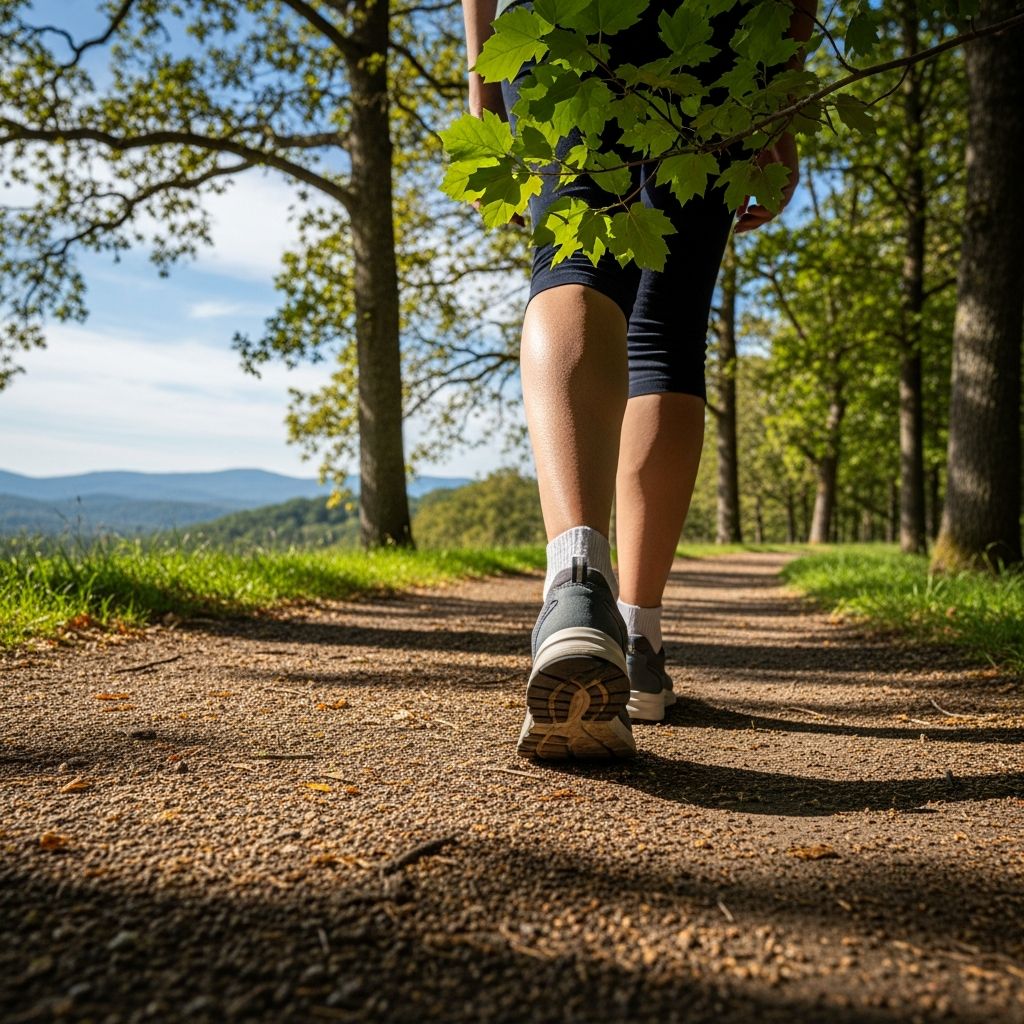
In an era of complex fitness trends and expensive gym memberships, one of the most effective and accessible forms of exercise often gets overlooked: simply taking a step back and walking. Whether you’re looking to improve your cardiovascular health, boost your mental well-being, or establish a sustainable fitness routine, stepping and walking offer proven benefits that require minimal equipment and fit into virtually any lifestyle. This comprehensive guide explores how this simple yet powerful activity can transform your health.
The Science Behind Stepping and Walking
Walking and stepping exercises have been studied extensively by researchers worldwide, and the evidence consistently supports their numerous health benefits. Unlike high-intensity workouts that require special equipment or training, stepping and walking are natural human movements that our bodies are designed to perform. The cardiovascular system responds positively to these activities, improving heart health, circulation, and overall fitness levels.
Research from Harvard University and Massachusetts General Hospital demonstrates that we don’t need to aim for the often-cited 10,000 steps daily to experience significant health benefits. Studies show that even moderate amounts of walking can meaningfully impact brain health, reduce cognitive decline, and lower the risk of serious health conditions. This finding is particularly encouraging for individuals who struggle to find time for lengthy exercise sessions.
Cardiovascular Benefits of Regular Stepping
One of the most significant advantages of stepping and walking is their impact on cardiovascular health. These activities strengthen your heart muscle, improve blood circulation, and help regulate blood pressure. When you engage in regular stepping exercises, your heart becomes more efficient at pumping blood throughout your body, reducing the workload on this vital organ.
The Harvard Step Test, a fitness assessment tool, specifically measures aerobic fitness and VO2 max—indicators of cardiovascular capacity. This test has been used by fitness professionals for decades to evaluate how well the cardiovascular system functions under physical stress and recovers afterward. The principles behind this test highlight why stepping is so effective: it challenges your cardiovascular system in a controlled, measurable way.
Understanding Your Fitness Response
Your body’s response to stepping exercises involves multiple physiological systems working together. As you step, your muscles demand more oxygen, causing your heart rate to increase and your lungs to work harder. This increased demand trains your cardiovascular system to become more efficient. Over time, consistent stepping leads to a lower resting heart rate, improved oxygen utilization, and better overall cardiac function.
Mental Health and Emotional Well-being
Beyond physical fitness, stepping and walking provide remarkable benefits for mental health. Research indicates that regular exercise can treat mild to moderate depression as effectively as antidepressant medication—without the side effects. A 2019 study conducted by the Harvard T.H. Chan School of Public Health found that running for just 15 minutes a day or walking for an hour may reduce the risk of major depression by 26 percent.
How Exercise Affects Brain Chemistry
Physical activity immediately boosts the brain’s production of dopamine, norepinephrine, and serotonin—neurotransmitters that directly affect mood, focus, and attention. This biochemical response explains why many people feel better emotionally after a walk or stepping session. Unlike medication, which can take weeks to show effects, these neurochemical changes occur within minutes of starting exercise.
Related Stories



Stress Reduction and Anxiety Management
Walking and stepping provide an excellent outlet for stress relief. The rhythmic nature of these activities, combined with fresh air and a change of scenery, helps calm an overactive nervous system. Mindfulness walking—where you focus on the sensation of your feet hitting the ground, your breathing rhythm, or physical sensations around you—can interrupt the cycle of constant worry and anxiety. This practice not only improves your physical condition but also creates a meditative state that benefits your mental health.
Getting Started: Practical Guidelines
The beauty of stepping and walking is their accessibility. You don’t need to be an athlete or have special fitness equipment to begin. Here’s what you need to know to start safely and effectively.
Recommended Exercise Duration and Frequency
Research shows that just 30 minutes of moderate exercise five times a week provides substantial health benefits. However, this doesn’t need to be one continuous session. You can break it into two 15-minute sessions or three 10-minute sessions throughout the day, depending on your schedule and preferences. This flexibility makes it easier to incorporate stepping and walking into your daily routine.
If you’re just beginning an exercise program, start with five or 10-minute sessions and gradually increase your duration as your fitness improves. As you become more active, you’ll notice increased energy levels, which naturally motivates you to extend your workouts.
Finding Time in Your Schedule
One common excuse for avoiding exercise is lack of time. However, research from the United Kingdom demonstrates that people who concentrate their exercise into one or two sessions during the weekend experience almost as many health benefits as those who work out more frequently. This means you can achieve significant fitness gains even with a busy schedule by making intentional choices about when to move.
Overcoming Common Barriers
Different Types of Stepping Exercises
While simple walking is highly beneficial, various stepping techniques can add variety and target different fitness aspects.
The Harvard Step Test
Originally developed for military fitness testing, the Harvard Step Test measures aerobic fitness by having participants step at a rate of 30 steps per minute for 5 minutes or until exhaustion. The test evaluates how quickly your heart rate recovers after exertion—a key indicator of cardiovascular fitness. While you don’t need to perform this exact protocol for your own fitness, understanding its principles helps you appreciate how effective stepping truly is.
Modified Step Test Variations
Various modifications make stepping accessible to different populations. The Modified Harvard Step Test uses a 30 cm platform height instead of the original 50.8 cm, making it easier for different age groups. The Tecumseh step test uses an 8-inch step height with a more moderate stepping rate of 24 steps per minute for just 3 minutes, making it suitable for broader populations and epidemiological research. The YMCA has also developed age and gender-adjusted standards for fitness rating to accommodate different fitness levels.
Creating Your Personal Stepping and Walking Program
Establishing a sustainable exercise routine requires planning and realistic expectations. Here’s how to build a program that works for your lifestyle.
Assess Your Current Fitness Level
Before beginning any new exercise program, honestly evaluate your current fitness level. This might involve noting how far you can walk before feeling winded, how your legs feel after climbing stairs, or your general energy levels. This baseline helps you track progress and prevents you from starting too intensely and risking injury or burnout.
Set Realistic Goals
Instead of aiming for dramatic fitness transformations, set modest, achievable goals. Start with a goal of walking 10-15 minutes daily, then gradually increase duration or intensity. Achieving these smaller goals builds momentum and confidence, motivating you to continue.
Make It Enjoyable
Choose walking or stepping routes that you find pleasant. This might be a neighborhood park, a scenic trail, your local mall, or even stepping in place while watching television. The more you enjoy your activity, the more likely you’ll maintain it long-term.
The Role of Mindfulness in Movement
Adding a mindfulness component to your stepping and walking routine amplifies its benefits for both physical and mental health. Rather than letting your mind wander during exercise, consciously focus on physical sensations: the feeling of your feet striking the ground, the rhythm of your breathing, the wind on your skin, or the movement of your muscles and joints.
This focused attention serves multiple purposes. First, it enhances your mind-body connection, which research suggests can help your nervous system recover from stress and trauma responses. Second, it interrupts the flow of constant worry and rumination that characterizes anxiety and depression. Third, it may actually improve your physical performance by ensuring proper form and engagement.
Long-term Health Benefits
The benefits of regular stepping and walking extend far beyond immediate physical improvements. Over months and years, consistent activity reduces your risk of chronic diseases including heart disease, type 2 diabetes, certain cancers, and cognitive decline. Regular walking and stepping also improve bone density, helping prevent osteoporosis—particularly important as we age.
Sustainability and Habit Formation
The key to reaping long-term benefits is making stepping and walking a permanent part of your lifestyle rather than a temporary diet. Start with whatever amount feels manageable—even five or 10 minutes daily—and gradually increase as the habit solidifies. Research shows that moderate levels of exercise are most sustainable for most people. Pushing too hard too fast often leads to burnout or injury, making you less likely to continue.
Frequently Asked Questions
Q: How many steps should I aim for each day?
A: Recent research suggests that significant health benefits begin well below 10,000 steps daily. Even moderate amounts of walking—whether 15 minutes of running or an hour of walking—can meaningfully impact health outcomes. Start with a realistic goal for your fitness level and gradually increase.
Q: Can I break my exercise into shorter sessions?
A: Absolutely. You can achieve the same health benefits by breaking 30 minutes of exercise into two 15-minute sessions or three 10-minute sessions throughout the day. This flexibility makes it easier to fit activity into a busy schedule.
Q: What if I have joint pain or arthritis?
A: Consult your doctor about safe exercise options. Water-based activities like walking in a pool can reduce joint stress while providing excellent cardiovascular benefits. You might also divide exercise into shorter, more frequent sessions to minimize discomfort.
Q: How long does it take to see benefits from walking?
A: Mental health benefits can occur within minutes of starting exercise, as your brain releases mood-boosting neurotransmitters. Physical fitness improvements typically become noticeable within 2-4 weeks of consistent activity.
Q: Do I need special equipment to start stepping and walking?
A: No. Walking requires only comfortable shoes. For step-based exercises at home, you can use a sturdy step, stair, or low platform. No expensive gym equipment or membership is necessary.
Q: Can stepping and walking help with depression?
A: Yes. Research shows that regular exercise treats mild to moderate depression as effectively as antidepressant medication without the side effects. Walking or running for 15-60 minutes can reduce major depression risk by up to 26 percent.
References
- Harvard Step Test — Physiopedia. 2024. https://www.physio-pedia.com/Harvard_Step_Test
- How many steps to walk for minimum brain health decline according to new study — South China Morning Post. 2024. https://www.scmp.com/lifestyle/health-wellness/article/3334503/how-many-steps-walk-minimum-brain-health-decline-according-new-study
- How Does Exercise Improve Mental Health? — HelpGuide.org. 2024. https://www.helpguide.org/wellness/fitness/the-mental-health-benefits-of-exercise
Similar Articles








Read full bio of Sneha Tete