Natural Knee Pain Relief: 3 Proven Strategies For Mobility
Evidence-based strategies to manage knee pain and improve mobility naturally.
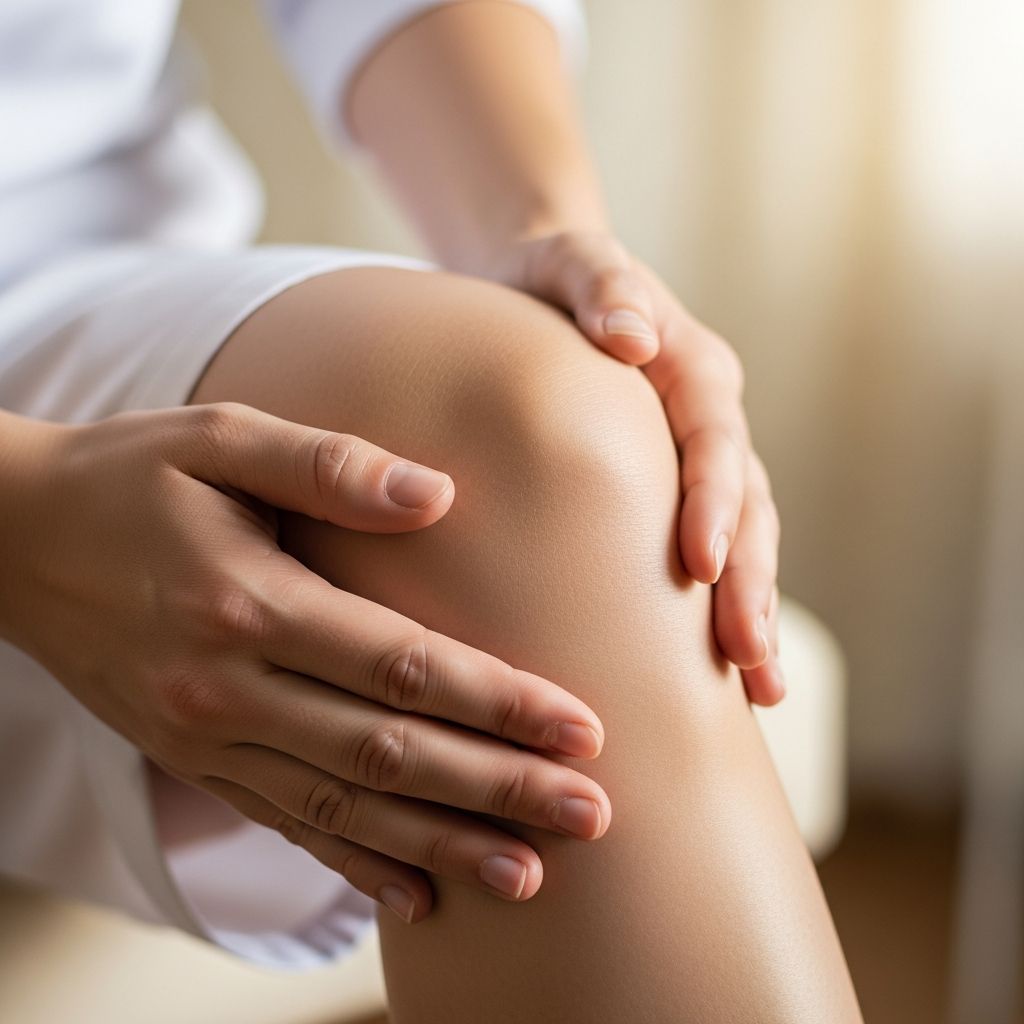
Take Control of Your Knee Pain: A Comprehensive Guide to Natural Relief
Knee pain is one of the most common complaints affecting millions of people worldwide, particularly as we age or engage in repetitive physical activities. Whether caused by osteoarthritis, injury, or general wear and tear, chronic knee pain can significantly impact your quality of life, limiting mobility and reducing independence. However, the good news is that you don’t always need invasive procedures or long-term medication to manage knee discomfort. Harvard Health Publishing research demonstrates that simple, evidence-based strategies can effectively reduce pain and restore function when implemented consistently.
Taking control of your knee pain begins with understanding the underlying causes and recognizing that multiple approaches work best together. This comprehensive guide explores proven methods to manage knee pain naturally, helping you regain mobility, strength, and confidence in your daily activities.
Understanding Knee Pain and Its Impact
The knee is one of the body’s most complex joints, bearing significant weight and stress during everyday activities like walking, climbing stairs, and standing. When knee pain develops, it often stems from degenerative conditions like osteoarthritis, where cartilage gradually breaks down, or from injuries and overuse. The resulting pain and stiffness can create a challenging cycle where reduced activity leads to weakened muscles, which further compromises joint stability and increases pain.
Recognizing early signs of knee problems—such as stiffness upon waking, swelling after activity, or clicking sensations—allows for earlier intervention. Taking proactive steps before pain becomes severe can prevent progression and maintain your functional independence for years to come.
Why Conservative Approaches Matter
While surgical interventions and pharmaceutical treatments have their place, conservative approaches offer numerous advantages. These methods are non-invasive, carry minimal side effects, and can be sustained long-term without the risks associated with medications or surgery. Conservative management also empowers you to actively participate in your own healing, fostering better understanding of your body and greater self-efficacy in managing symptoms.
Harvard Health research consistently demonstrates that patients who combine multiple conservative strategies experience superior long-term outcomes compared to those relying on single interventions or passive treatments alone.
Key Strategies for Knee Pain Management
1. Knee Braces and Supportive Devices
Knee braces are among the most accessible and immediately effective tools for managing knee pain. These devices work by redistributing body weight away from damaged areas of the joint, reducing stress on cartilage and supporting structures. A properly fitted knee brace can dramatically improve comfort during weight-bearing activities, enhance stability, and increase confidence when walking or standing.
Types of Knee Braces:
– Unloader braces: Designed specifically for single-compartment arthritis, these braces shift weight off the affected area, providing targeted relief where degeneration is most severe.- Support braces: Provide general compression and reinforcement to the entire knee joint, offering broader stabilization for general arthritis or mild instability.- Compression sleeves: Offer mild support and help reduce swelling, particularly useful during recovery or for mild discomfort.
Optimizing Brace Use:
– Have your brace professionally fitted by a physiotherapist or orthopedic specialist to ensure proper alignment and comfort.- Wear your brace during weight-bearing activities such as walking, standing for extended periods, or climbing stairs.- Combine brace use with gentle stretching and strengthening exercises to enhance the overall benefits.- Start wearing the brace gradually, allowing your skin to adjust, then increase usage as tolerance improves.
Studies show that patients who consistently use properly fitted knee braces experience reduced daily discomfort, improved balance, extended periods of comfortable activity, and delayed progression of arthritis. Regular brace use can postpone or eliminate the need for more invasive treatments like injections or surgery.
Related Stories



2. Hydrotherapy and Water-Based Exercise
Hydrotherapy, or aquatic therapy, harnesses the therapeutic properties of water to provide pain relief while building strength. The buoyancy of water supports your body weight, dramatically reducing stress on arthritic knees while allowing movement that would be painful on land. This makes hydrotherapy ideal for individuals with significant pain or limited mobility who struggle with traditional exercise.
The Science Behind Water Therapy:
– Water’s buoyancy reduces joint loading by up to 50% or more, depending on water depth and immersion level.- Water provides natural resistance that strengthens muscles without high-impact stress.- Warm water improves circulation, reduces muscle tension, and promotes relaxation.- Aquatic environments encourage regular movement without triggering pain-related guarding behaviors.
Effective Hydrotherapy Exercises:
– Walking in waist-deep water for 15–20 minutes, focusing on controlled, deliberate steps.- Gentle leg lifts and hip movements to strengthen supporting muscles.- Using pool noodles or resistance paddles for progressive strengthening.- Shallow water jogging or aqua aerobics for cardiovascular benefits without impact.
Optimal Hydrotherapy Guidelines:
– Maintain water temperature between 31–33°C (88–91°F) to promote muscle relaxation and reduce inflammation.- Aim for 2–3 sessions per week, adjusting frequency based on your pain tolerance and fitness level.- Begin with shorter sessions and gradually extend duration as comfort improves.- Consider working with a specialized aquatic therapist for personalized instruction and progression.
Hydrotherapy not only reduces pain during and after sessions but encourages consistent physical activity—essential for long-term arthritis management—without the risk of aggravating your condition through high-impact movements.
3. Regular, Low-Impact Exercise
Consistent, appropriate exercise is foundational to knee pain management. Regular movement strengthens the muscles surrounding your knee—particularly the quadriceps and hamstrings—which act as shock absorbers, reducing impact on the joint. Strong supporting muscles also improve knee stability and alignment, addressing biomechanical issues that may contribute to pain.
Benefits of Regular Exercise for Knee Health:
– Improved circulation and nutrient delivery to joint tissues.- Enhanced flexibility and range of motion.- Reduced stiffness, particularly upon waking or after periods of inactivity.- Better weight distribution and reduced joint loading.- Improved overall fitness, which reduces strain on joints during daily activities.- Psychological benefits including improved mood and greater sense of control.
Recommended Low-Impact Activities:
– Walking on flat, even surfaces at a comfortable pace.- Swimming and water aerobics for resistance without impact.- Stationary or recumbent cycling to strengthen leg muscles safely.- Elliptical machines that provide cardiovascular benefits with minimal joint stress.- Yoga and tai chi for flexibility, balance, and mindful movement.- Resistance training with light weights or resistance bands.
Exercise Guidelines for Knee Pain:
– Begin with short sessions of 10–15 minutes and gradually increase duration as endurance improves.- Exercise most days of the week for optimal results, though even 3–4 days weekly provides significant benefits.- Always include 5–10 minutes of warm-up and cool-down periods.- Perform gentle stretching before and after exercise to maintain and improve flexibility.- Avoid high-impact movements such as running, deep squats, jumping, or heavy plyometrics unless specifically approved by your healthcare provider.- Stop any activity that causes significant pain or swelling.- Use proper form and technique to avoid biomechanical stress on joints.
Consistency matters more than intensity. Regular, gentle movement performed reliably creates lasting improvements in pain levels, mobility, and joint function far better than sporadic intense efforts.
Complementary Lifestyle Strategies
Weight Management
Excess body weight increases stress on weight-bearing joints, including the knees. Each pound of excess weight adds approximately three to six pounds of additional force through the knee joint during walking. Gradual, sustainable weight loss significantly reduces knee pain and slows disease progression in osteoarthritis.
Nutrition and Anti-Inflammatory Foods
While no food cures arthritis, certain nutrients support joint health and reduce inflammation. Foods rich in omega-3 fatty acids, antioxidants, and vitamins C and D support cartilage health and reduce inflammatory responses. Conversely, processed foods and those high in refined sugars may promote inflammation and should be minimized.
Sleep and Recovery
Quality sleep is essential for tissue repair and pain management. Poor sleep increases pain perception and reduces the body’s ability to repair joint damage. Establishing consistent sleep routines and addressing sleep disturbances improves overall knee pain management.
Stress Reduction
Chronic stress increases muscle tension and pain perception. Practices such as meditation, deep breathing, and mindfulness can reduce stress and associated muscle guarding, leading to improved comfort and mobility.
Creating Your Personal Knee Pain Management Plan
Effective knee pain management typically requires a personalized combination of strategies rather than relying on any single approach. Your plan should be tailored to your specific condition, pain level, fitness baseline, and lifestyle. Consider these steps:
– Schedule an evaluation with your healthcare provider to understand your specific condition and any limitations.- Consult with a physical therapist to learn proper exercise technique and receive personalized exercise prescriptions.- If using a knee brace, ensure professional fitting and education on proper use.- Identify which low-impact activities you enjoy and will realistically maintain long-term.- Set specific, measurable goals such as “walk for 30 minutes without pain” or “climb stairs without using the handrail.”- Track your progress and adjust your plan based on results and changing symptoms.- Be patient—meaningful improvements typically take 4–6 weeks of consistent effort.
When to Seek Professional Guidance
While conservative approaches are highly effective for most knee pain, certain situations warrant professional medical evaluation:
– Sudden onset of severe swelling, warmth, or redness suggesting infection.- Knee instability or giving way, indicating possible ligament injury.- Pain unresponsive to conservative measures after 6–8 weeks.- Significantly limited range of motion affecting daily function.- Pain following direct trauma or injury.- Signs of referred pain or systemic issues.
Your healthcare provider can determine whether imaging studies are needed and whether interventions beyond conservative management might be appropriate for your situation.
Frequently Asked Questions
Q: How long does it take to see improvement with these approaches?
A: Most people notice initial improvements within 2–4 weeks of consistent practice, with more substantial benefits appearing by 6–8 weeks. However, timelines vary based on severity, consistency, and individual factors. Patience and persistence are key.
Q: Can I use multiple strategies together?
A: Absolutely. In fact, combining strategies typically produces superior results. For example, wearing a knee brace during activities, performing strengthening exercises regularly, and using hydrotherapy weekly often works better than any single approach alone.
Q: Is exercise safe if my knee already hurts?
A: Yes, when done appropriately. The goal is low-impact movement that doesn’t cause significant pain or swelling. Starting gently and progressing gradually allows adaptation without injury. Pain that occurs during exercise but resolves within a few hours is often acceptable; pain that lingers or worsens suggests you need to reduce intensity.
Q: Will these approaches prevent the need for surgery?
A: For many people, yes. Consistent conservative management can significantly delay or eliminate the need for surgical intervention. However, severe degenerative changes or certain injuries may ultimately require surgery. Conservative approaches are worthwhile regardless, as they improve function and quality of life in the meantime.
Q: How do I know which knee brace is right for me?
A: Professional fitting by a physical therapist or orthopedic specialist is essential. They assess your specific condition, pain location, and activity level to recommend appropriate brace types and ensure proper fitting for maximum benefit.
Q: Can I swim with knee pain?
A: Swimming is often excellent for knee pain because water provides support and buoyancy. However, certain strokes may aggravate symptoms. Freestyle and gentle water walking are typically well-tolerated, while breaststroke may cause discomfort for some. Experiment to find what works for you, or consult with an aquatic therapist.
Conclusion
Taking control of your knee pain is absolutely possible through consistent application of evidence-based strategies. Combining knee braces, hydrotherapy, and regular exercise provides comprehensive support for joint health and pain reduction. These approaches are non-invasive, sustainable long-term, and often prevent progression of underlying conditions.
Remember that your knees deserve the same attention and care you give other important aspects of health. By implementing these strategies now, you invest in your future mobility, independence, and quality of life. Consistency and patience are essential—meaningful improvement requires commitment, but the rewards in terms of reduced pain, improved function, and greater independence are well worth the effort.
Start today by selecting one or two strategies that fit your lifestyle, then gradually build your personalized pain management plan. Your knees, and your future self, will thank you for taking action now.
References
- Harvard doctors reveal 3 simple ways to ease knee pain and arthritis naturally — Times of India. 2024-12-01. https://timesofindia.indiatimes.com/life-style/health-fitness/health-news/harvard-doctors-reveal-3-simple-ways-to-ease-knee-pain-and-arthritis-naturally/
- Harvard-Backed Natural Ways to Relieve Knee Pain and Arthritis — Times Now News. 2024-11-30. https://www.timesnownews.com/health/harvard-backed-three-simple-and-natural-ways-to-ease-knee-pain-and-arthritis-article-153102850
Similar Articles








Read full bio of Sneha Tete