Mediterranean Diet: 5 Core Components For Better Health
Discover the heart-healthy Mediterranean diet and transform your wellness journey today.
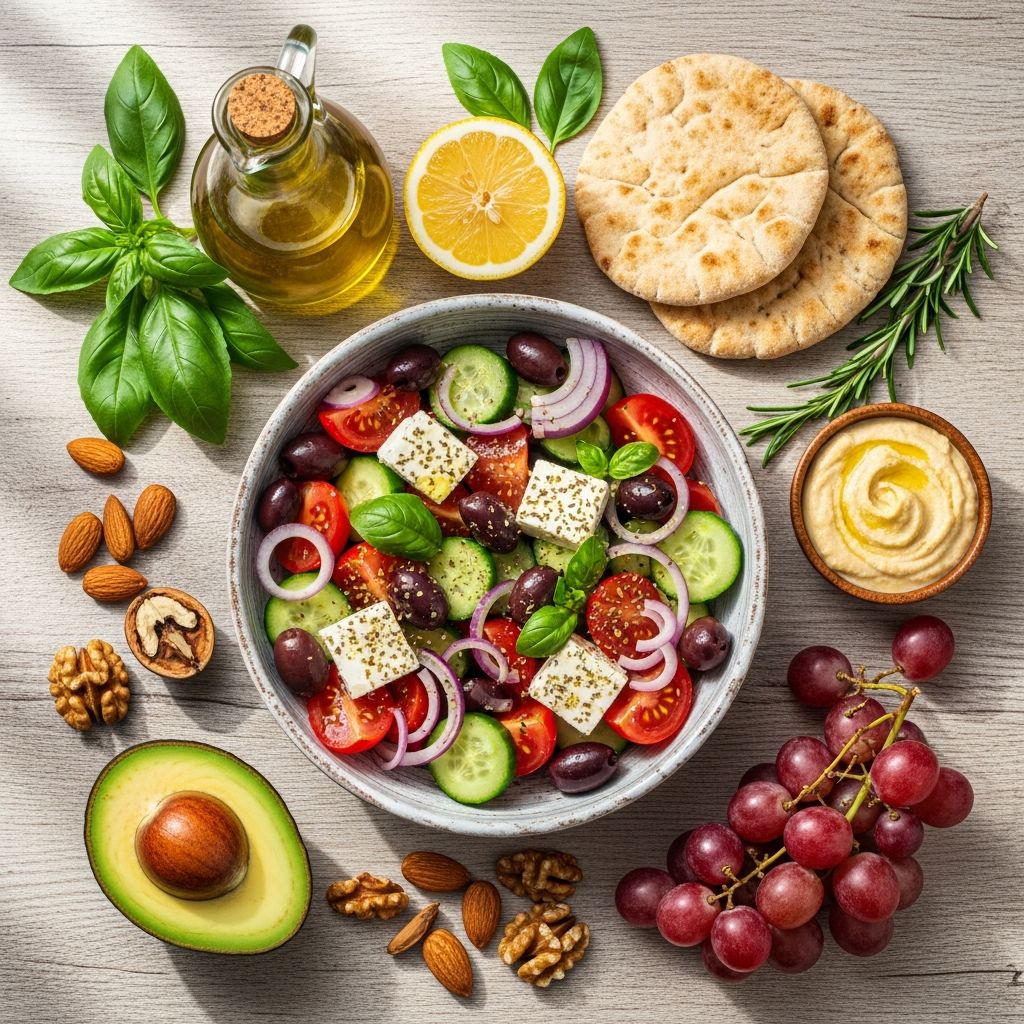
Take Your Diet to the Mediterranean
The Mediterranean diet has emerged as one of the most scientifically validated dietary approaches for improving overall health and longevity. Originating from the traditional eating patterns of countries bordering the Mediterranean Sea, this diet has been extensively studied and repeatedly proven to deliver remarkable health benefits. Whether you’re looking to reduce your risk of chronic diseases, manage your weight, or simply adopt a more sustainable and enjoyable eating lifestyle, the Mediterranean diet offers a evidence-based pathway to better health.
Understanding the Mediterranean Diet
The Mediterranean diet is not a restrictive eating plan but rather a flexible approach to nutrition that emphasizes whole, minimally processed foods. It draws inspiration from the traditional dietary patterns of countries such as Greece, Italy, Spain, and other Mediterranean nations. This diet has been the subject of numerous clinical studies, and the evidence consistently demonstrates its effectiveness in promoting cardiovascular health, supporting weight management, and reducing the risk of premature death.
What makes the Mediterranean diet particularly appealing is its sustainability and enjoyment factor. Unlike many fad diets that restrict entire food groups or require complicated meal planning, the Mediterranean approach is straightforward, delicious, and flexible enough to fit into modern lifestyles. It emphasizes quality over quantity and encourages mindful eating practices that have been practiced for centuries in Mediterranean communities.
Key Health Benefits
The health benefits of following a Mediterranean diet are well-documented and substantial. Research shows that adopting this dietary pattern can significantly impact various aspects of your health:
- Cardiovascular Health: The diet can help reduce your risk of heart disease by up to 30%, making it one of the most effective dietary approaches for heart health protection.
- Weight Management: The Mediterranean diet naturally supports healthy weight maintenance and lowers your risk of weight gain through its emphasis on nutrient-dense, satisfying foods.
- Longevity: Perhaps most impressively, following this diet can reduce your risk of early death by up to 80%, reflecting its comprehensive impact on overall health and disease prevention.
- Pregnancy Health: Studies have shown that women following a Mediterranean-style diet during pregnancy can reduce their risk of preeclampsia by at least 20%, particularly benefiting women from diverse racial backgrounds.
Core Nutritional Components
The Mediterranean diet is built on several foundational food groups that work together to create a nutritionally balanced and health-promoting eating pattern. Understanding these core components is essential for successfully implementing this diet into your daily life.
Whole Grains and Legumes
Whole grains and legumes form the foundation of the Mediterranean diet. These foods are rich in fiber, which supports digestive health, helps maintain stable blood sugar levels, and promotes satiety. Whole grains include options like brown rice, whole wheat bread, farro, and bulgur. Legumes such as beans, lentils, and chickpeas are excellent protein-rich alternatives to meat and provide essential micronutrients and plant-based protein that support muscle health and overall nutrition.
Related Stories



Lean Proteins
The Mediterranean diet emphasizes lean protein sources, particularly fish and poultry. Fish, especially varieties rich in omega-3 fatty acids like salmon, mackerel, and sardines, provides exceptional cardiovascular benefits. Poultry such as chicken and turkey offers lean protein without excessive saturated fat. These proteins are preferred over red meat, which is consumed in limited quantities in the Mediterranean dietary pattern. The emphasis on fish-based proteins is one of the key differentiators of the Mediterranean diet and contributes significantly to its heart-protective benefits.
Low-Fat Dairy Products
Dairy products play a role in the Mediterranean diet, but the focus is on low-fat and fat-free options. Skim milk, low-fat yogurt, and reduced-fat cheese provide essential nutrients like calcium and vitamin D for bone health, as well as protein for satiety and muscle maintenance. These lower-fat options allow you to enjoy dairy products while keeping saturated fat intake in check, which is important for cardiovascular health.
Abundant Vegetables and Fruits
Vegetables and fruits are cornerstone foods in the Mediterranean diet, consumed in generous quantities throughout the day. These foods are packed with vitamins, minerals, antioxidants, and phytonutrients that protect against chronic disease and support optimal health. The variety of colors in Mediterranean produce—from deep greens to vibrant reds, oranges, and yellows—ensures a diverse array of protective compounds. Fresh vegetables and fruits should make up a significant portion of your daily meals.
Healthy Fats
Unlike low-fat diet trends, the Mediterranean diet embraces healthy fats, particularly from olive oil. Extra virgin olive oil is a staple, used for cooking, dressing salads, and drizzling over finished dishes. Nuts such as almonds, walnuts, and hazelnuts provide additional healthy unsaturated fats along with protein and fiber. These healthy fats support heart health, reduce inflammation, and enhance the absorption of fat-soluble vitamins from vegetables.
Getting Started: Your Shopping List
Beginning your Mediterranean diet journey is simple when you know what to prioritize at the grocery store. Here are the essential items to include in your shopping cart:
- Whole grain breads, pasta, rice, and cereals
- Dried beans and lentils (or canned, with no salt added)
- Fresh fish and seafood
- Lean poultry
- Skim or low-fat milk and yogurt
- Low-fat cheese
- Extra virgin olive oil
- Nuts and seeds
- Fresh seasonal vegetables
- Fresh seasonal fruits
- Herbs and spices for flavoring
- Limited amounts of red meat for occasional use
Foods to Limit or Avoid
While the Mediterranean diet is more about what you include rather than what you restrict, there are certain foods that should be consumed minimally or avoided:
- Processed Foods: Ultra-processed foods with added sugars, sodium, and unhealthy fats should be limited.
- Red Meat: While not eliminated entirely, red meat is consumed infrequently in the Mediterranean diet.
- Refined Grains: White bread, refined pasta, and other refined grain products are replaced with whole grain alternatives.
- Added Sugars: Sugary beverages, desserts, and snacks should be consumed sparingly.
- Unhealthy Fats: Trans fats and excessive saturated fats from processed sources are avoided.
Practical Tips for Success
Implementing the Mediterranean diet successfully requires some practical strategies and mindset shifts. Here are evidence-based tips to help you adopt this eating pattern and maintain it long-term:
Embrace Mediterranean Cooking Methods: Learn to prepare meals using traditional Mediterranean cooking techniques that emphasize grilling, baking, steaming, and using olive oil rather than heavy creams or excessive butter. These methods preserve nutrients and enhance natural flavors.
Practice Portion Control: While the Mediterranean diet isn’t about severe calorie restriction, being mindful of portion sizes helps maintain a healthy weight. Use smaller plates, eat slowly, and focus on eating when hungry and stopping when satisfied.
Prioritize Whole Foods: Select unprocessed and minimally processed options whenever possible. Shopping the perimeter of the grocery store—where fresh produce, fish, and dairy are typically located—helps you focus on whole foods rather than processed alternatives.
Plan Your Meals: Simple meal planning ensures you have Mediterranean-compliant foods on hand and prevents impulse purchases of less healthy options. Plan meals around fish, vegetables, and whole grains.
Combine Diet with Physical Activity: The Mediterranean lifestyle extends beyond eating habits to include regular physical activity, social engagement, and stress management. Aim for at least 150 minutes of moderate physical activity weekly.
Special Populations and Mediterranean Benefits
Research demonstrates that the Mediterranean diet benefits diverse populations with specific health concerns. Studies involving over 8,000 women from various racial and ethnic backgrounds showed that pregnant women following a Mediterranean diet had significantly lower risks of preeclampsia, a serious pregnancy complication. This benefit was consistent across Black, Hispanic, and white women, suggesting that the diet’s protective effects transcend racial and ethnic boundaries. The findings also suggest that the documented health disparities in pregnancy outcomes may be more related to socioeconomic and dietary factors than to genetic differences, highlighting the importance of accessible nutrition education.
Frequently Asked Questions
Q: Is the Mediterranean diet expensive?
A: While fresh produce and fish can have variable costs, the Mediterranean diet can be budget-friendly by purchasing seasonal produce, choosing affordable fish options like canned sardines or mackerel, using dried beans and lentils, and buying store-brand items. Planning meals and reducing food waste also helps manage costs.
Q: Can I follow the Mediterranean diet if I’m vegetarian or vegan?
A: Yes, the Mediterranean diet is adaptable. Vegetarians can emphasize fish and seafood, legumes, nuts, whole grains, and dairy products. Vegans can build meals around legumes, nuts, seeds, whole grains, and abundant vegetables while using olive oil as their primary fat source.
Q: How quickly will I see health benefits?
A: Some benefits like improved energy and digestion may be noticed within weeks. However, meaningful cardiovascular and metabolic changes typically appear within several months of consistent adherence to the diet.
Q: Do I need to eat fish every day?
A: No, aim for fish or seafood 2-3 times per week as recommended in traditional Mediterranean patterns. On other days, you can enjoy poultry, legumes, or eggs as your protein source.
Q: Can the Mediterranean diet help with weight loss?
A: Yes, the Mediterranean diet supports healthy weight management by emphasizing whole foods, fiber-rich legumes and grains, and satisfying healthy fats that promote fullness and reduce overeating.
Q: Is wine included in the Mediterranean diet?
A: Wine, particularly red wine, can be included in moderation—typically one glass daily for women and up to two for men—during meals. However, wine is entirely optional, and abstaining is equally consistent with the diet.
Conclusion
The Mediterranean diet represents more than just a set of dietary guidelines; it embodies a time-tested approach to eating that has sustained healthy populations for centuries. With proven benefits including a 30% reduction in heart disease risk, support for healthy weight management, and the potential to reduce early mortality risk by up to 80%, this diet offers compelling scientific validation for its effectiveness. By focusing on whole grains, legumes, lean proteins, abundant produce, and healthy fats while limiting processed foods and red meat, you can transform your nutritional habits and improve your overall health. Whether you’re motivated by disease prevention, weight management, or simply a desire to feel better, starting your Mediterranean diet journey today can set you on a path toward a healthier, more vibrant life.
References
- Fit Facts: Benefits of a Mediterranean Diet — Johns Hopkins Medicine. 2020-01-02. https://www.hopkinsmedicine.org/health/wellness-and-prevention/take-your-diet-to-the-mediterranean
- Mediterranean diet reduces preeclampsia risk, study shows — Johns Hopkins Medicine. 2022-04-21. https://hub.jhu.edu/2022/04/21/mediterranean-diet-lowers-preeclampsia/
- New Studies Once Again Confirm the Benefits of the Mediterranean Diet — La Voce di New York. 2023-01-15. https://lavocedinewyork.com/en/lifestyles/2023/01/15/new-studies-once-again-confirm-the-benefits-of-the-mediterranean-diet/
Similar Articles








Read full bio of medha deb