Taking Aim at Belly Fat: Health Risks and Solutions
Understand visceral fat dangers and evidence-based strategies to reduce belly fat for better health.
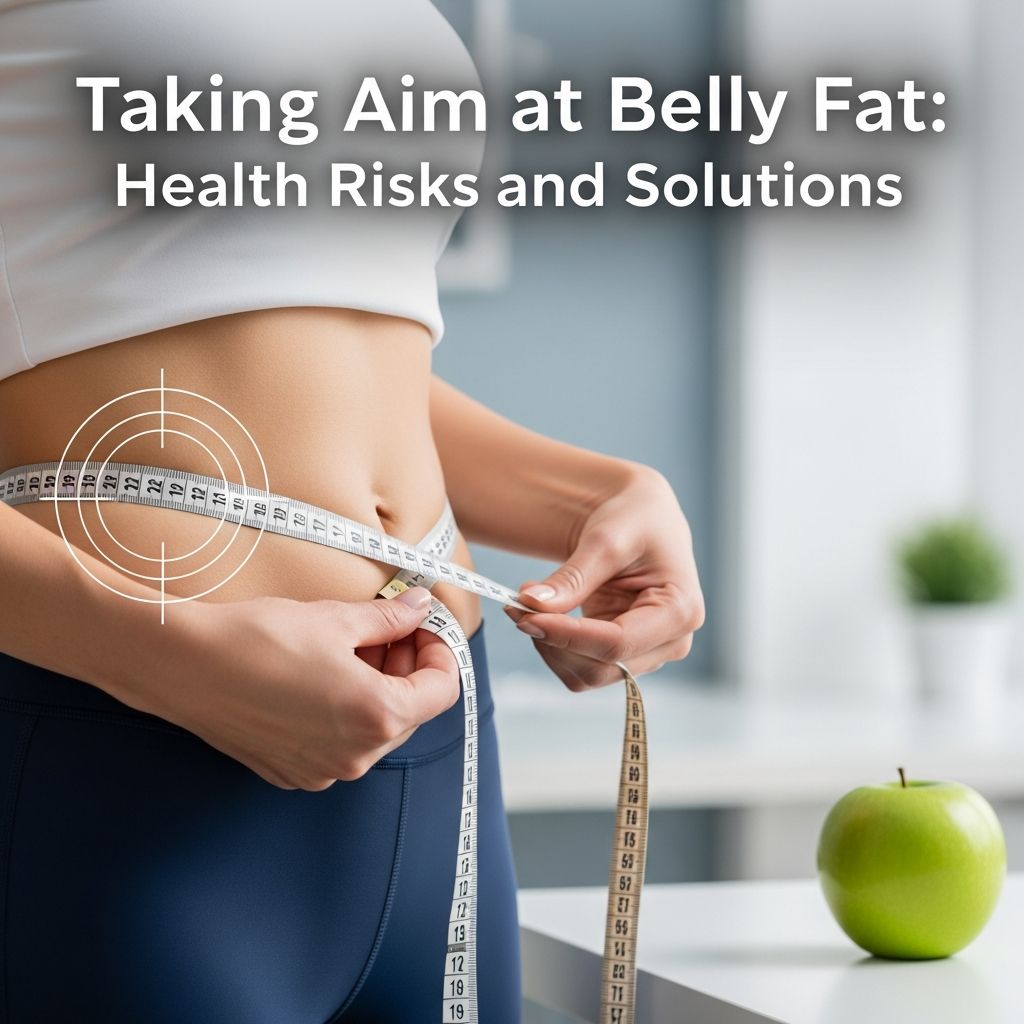
Taking Aim at Belly Fat: Understanding the Health Risks and Solutions
Belly fat has become a significant concern for millions of people worldwide, but it extends far beyond cosmetic worries. Unlike fat stored elsewhere on the body, belly fat—particularly visceral fat that accumulates around internal organs—poses substantial health risks. Recent research has illuminated the dangers associated with excess abdominal fat and revealed effective strategies to combat it. Understanding these risks and implementing evidence-based solutions can dramatically improve your health outcomes and quality of life.
Why Belly Fat Is Particularly Dangerous
Not all body fat is created equal. The location of fat storage on your body significantly impacts your health risk profile. Belly fat, scientifically known as visceral fat, is metabolically different from subcutaneous fat stored under the skin in other areas. This distinction is crucial because visceral fat is more directly connected to serious health complications.
One landmark study following over 3,000 men and women for seven years used CT scans and physical examinations to assess fat distribution throughout the body. The results were striking: individuals with higher amounts of visceral fat were approximately 44% more likely to develop cancer and heart disease, even after adjusting for overall waist circumference. This finding demonstrates that visceral fat poses unique metabolic dangers distinct from total body weight.
The shape of your body matters significantly for health outcomes. An “apple shape”—where weight accumulates around the waist—carries greater health risks than a “pear shape,” where fat concentrates around the hips and thighs. Women tend to gain more belly fat as they age due to hormonal changes, particularly after menopause. For women, a waistline measurement of 35 inches or more signals increased health risks, while Asian women face elevated risks at 31 inches or more.
The Hidden Health Crisis: Normal BMI with Excess Belly Fat
A particularly alarming discovery has emerged from recent obesity research. Traditional BMI measurements can be misleading because they fail to account for fat distribution. A comprehensive study using dual-energy x-ray technology to measure actual fat mass revealed that 206,361 adults (68.6%) were classified as obese when fat distribution was considered, compared to only 128,992 adults (42.9%) under traditional BMI calculations. The difference reveals millions of individuals with normal BMI scores who actually carry dangerous amounts of visceral fat.
These individuals with excess belly fat but normal BMI demonstrated substantially elevated health risks. They exhibited a 6.11 times higher risk of developing diabetes, a 5.88 times higher risk of experiencing a cardiovascular event, and a 2.71 times higher risk of premature mortality compared with individuals without excess abdominal fat or organ dysfunction. This finding underscores why waist circumference should be considered an independent and critical health indicator.
Belly Fat and Cancer Risk
The relationship between visceral fat and cancer has become increasingly clear through rigorous scientific investigation. A 2022 study tracking over 94,000 adults for more than a decade found that individuals with excess belly fat were approximately 30% more likely to develop colorectal cancer. The mechanisms underlying this increased risk involve two critical pathways: belly fat increases systemic inflammation and impairs insulin sensitivity, both of which create an environment where cancer cells can more readily develop and proliferate.
The implications become even more serious for individuals already diagnosed with cancer. A 2021 study examined patients undergoing treatment for stage III colorectal cancer and found that those carrying higher amounts of belly fat experienced worse outcomes. Approximately 79% of patients with elevated visceral fat remained alive three years after treatment, compared with 88% of those with lower abdominal fat stores. Additionally, patients with more belly fat were three times more likely to experience cancer recurrence within the abdominal cavity, highlighting belly fat’s role in cancer progression and metastasis.
Related Stories



Cardiovascular Complications and Metabolic Dysfunction
Excess belly fat creates a cascade of metabolic problems that directly threaten cardiovascular health. People with normal BMI scores but elevated belly fat experienced concerning cardiometabolic abnormalities: 30% had high blood pressure, 17% had type 2 diabetes, 28% had elevated cholesterol, and 23% had high triglycerides. These conditions represent major risk factors for heart attacks, strokes, and other cardiovascular events.
The inflammatory state created by visceral fat serves as the common pathway linking belly fat to heart disease. Excess abdominal fat tissue secretes inflammatory molecules and hormones that circulate throughout the body, increasing systemic inflammation and insulin resistance. These conditions damage blood vessel walls, promote atherosclerosis development, and increase blood clotting risk—all factors that contribute to cardiovascular disease and stroke.
Lifestyle Factors Contributing to Belly Fat Accumulation
Research has identified specific lifestyle patterns associated with excessive belly fat accumulation. Studies consistently show that individuals with high abdominal fat tend to be physically inactive and consume fewer fruits and vegetables in their regular diet. These observations underscore that belly fat accumulation results from specific behavioral patterns that can be modified through intervention.
Sedentary behavior appears particularly problematic for abdominal fat storage. Even individuals who maintain normal overall weight can accumulate dangerous visceral fat if they remain sedentary while consuming excess calories. The combination of physical inactivity and poor dietary choices creates a perfect storm for visceral fat development.
Evidence-Based Strategies for Reducing Belly Fat
The positive news is that belly fat responds well to targeted interventions. Research has identified several effective approaches for reducing visceral fat and improving metabolic health.
Dietary Approaches
A Mediterranean-style diet rich in fruits, vegetables, nuts, and olive oil has demonstrated particular effectiveness for reducing visceral fat while preserving lean muscle mass. This dietary pattern emphasizes whole foods, healthy fats, and plant-based nutrients while limiting processed foods and added sugars.
Sugar-sweetened beverage consumption deserves particular attention. A 2019 study demonstrated that banning sugar-sweetened beverages at a large college campus substantially decreased consumption and resulted in significantly reduced belly fat. Students who eliminated these beverages experienced improved insulin sensitivity and lower cholesterol levels. When the beverage ban was combined with brief motivational counseling, the results were even more pronounced.
Exercise and Physical Activity
Regular physical activity represents one of the most powerful tools for belly fat reduction. For younger adults with overweight or obesity, both high-intensity interval training (HIIT) and traditional aerobic exercise significantly reduced visceral fat. The key is consistent engagement in moderate to vigorous physical activity.
Harvard experts emphasize that the most effective belly fat reduction strategies combine regular aerobic exercise with strength training. This dual approach addresses visceral fat through multiple mechanisms: aerobic exercise burns calories and reduces overall body fat, while strength training preserves muscle mass and increases resting metabolic rate.
Sleep, Stress Management, and Smoking Cessation
Beyond diet and exercise, Harvard health experts emphasize that adequate sleep, effective stress management, and smoking avoidance all play crucial roles in preventing abdominal fat accumulation. Sleep deprivation disrupts hormonal regulation of appetite and metabolism, promoting weight gain and visceral fat storage. Chronic stress elevates cortisol levels, which specifically promotes abdominal fat deposition.
Common Misconceptions About Belly Fat Reduction
Several ineffective approaches persist despite lacking scientific support. Restrictive fasting diets, dietary supplements marketed as fat-burning aids, and “spot reduction” exercises targeting only the abdominal area do not effectively reduce belly fat. While these approaches may appeal to individuals seeking quick solutions, they consistently fail to produce meaningful, sustained results in scientific studies.
Spot reduction is particularly ineffective because the body doesn’t selectively burn fat from specific regions during exercise. Instead, the body mobilizes fat stores based on genetics, hormones, and overall energy balance. Therefore, performing hundreds of abdominal exercises will not preferentially reduce belly fat; only overall fat reduction through calorie deficit and exercise can accomplish this goal.
The Prevention Imperative
Prevention proves far more effective than attempting to reverse established visceral fat accumulation. The metabolic damage caused by years of excess belly fat takes time to reverse, even with aggressive lifestyle interventions. This reality underscores the importance of maintaining healthy body weight and waist circumference throughout life.
Regular waist circumference measurement should become a standard component of health monitoring, as important as blood pressure checks and cholesterol screening. Unlike BMI, waist circumference directly reflects visceral fat accumulation and provides valuable information about individual disease risk independent of overall body weight.
Frequently Asked Questions
Q: Can someone be thin but still have dangerous belly fat?
A: Yes, absolutely. Recent research shows that millions of people with normal BMI scores carry excessive visceral fat around their organs. These individuals face dramatically elevated disease risks despite appearing to have healthy body weight. Waist circumference measurement is essential for identifying this hidden health risk.
Q: How quickly can belly fat reduction improve health outcomes?
A: Health improvements can begin relatively quickly with consistent lifestyle changes. Studies show that reduced sugar-sweetened beverage consumption improves insulin sensitivity within months. However, substantial visceral fat reduction typically requires 6 to 12 months of consistent effort through diet and exercise modification.
Q: Is strength training or aerobic exercise more effective for belly fat reduction?
A: The evidence suggests that combining both approaches produces optimal results. Aerobic exercise and high-intensity interval training directly reduce visceral fat, while strength training preserves muscle mass and increases metabolic rate. The best approach incorporates both types of exercise regularly.
Q: What waist circumference measurements indicate health risk?
A: For most women, a waist measurement of 35 inches or greater signals elevated health risks. Asian women face increased risks at 31 inches or more. For men, a waist circumference above 40 inches typically indicates concerning visceral fat levels. These measurements should be taken at the natural waistline, between the lowest rib and hip bone.
References
- Can Belly Fat Cause Cancer and Other Serious Diseases? — Center for Research on Human Development and Education. Accessed December 1, 2025. https://www.center4research.org/can-belly-fat-cause-cancer-heart-disease/
Similar Articles








Read full bio of Sneha Tete