Taking Care of Your Fuzzy New Hair After Chemo
Expert tips for nurturing and styling your regrowing hair after chemotherapy, from washing to heat protection.
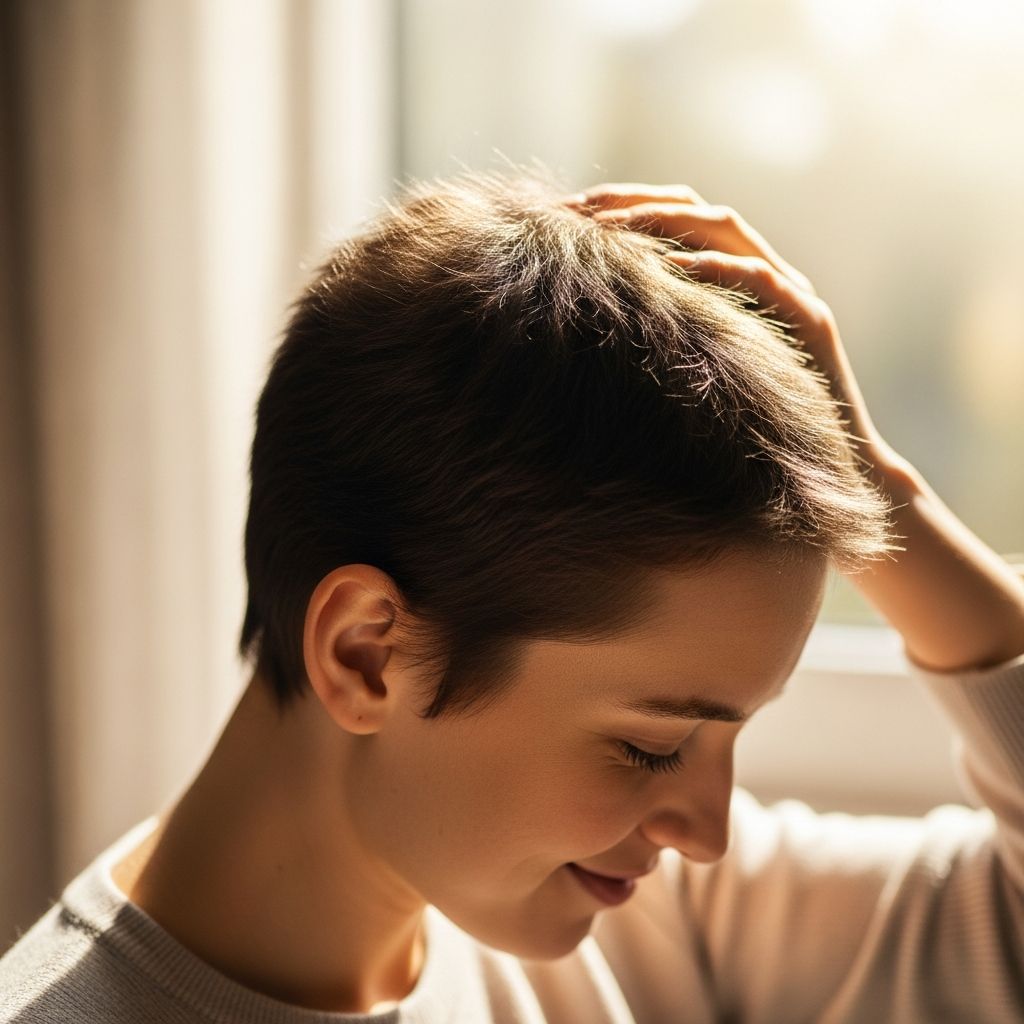
After completing chemotherapy, many breast cancer survivors experience the exciting yet delicate phase of hair regrowth, often described as “fuzzy” or “peach fuzz.” This new hair may feel softer, finer, or curlier than before, and it requires special care to promote healthy growth and prevent damage. Chemotherapy targets rapidly dividing cells, including those in hair follicles, leading to temporary alopecia in 40-100% of patients, but regrowth typically begins 3-6 months post-treatment, reaching 4-6 inches by 12 months. While most hair returns to baseline density within 6 months, over 40% of patients report persistent changes like thinning or altered texture even after 3 years. Proper care during this velus (fine, short) stage helps transition to stronger terminal hairs.
What to Expect From Post-Chemo Hair Regrowth
Hair regrowth after chemotherapy varies by individual factors like treatment type (e.g., taxanes like Taxotere increase risk of permanent changes), dosage, and genetics. Initial growth is often fine and colorless, resembling baby hair, before evolving in color, texture, and thickness. Body hair, including eyebrows and eyelashes, regrows similarly but may lag. Radiation can cause localized loss, while hormonal therapies lead to gradual thinning over 6-24 months. Studies show hair density returns to near-baseline by 6 months, but thickness may not, with 62.5% of patients noting incomplete recovery at 3 years.
- Timeline: Fine hairs appear 1-3 months post-chemo; noticeable growth by 3-6 months; 1/2 inch per month thereafter.
- Changes: Curlier, coarser, finer, lighter/darker, or straighter—up to 25% report permanent shifts.
- Challenges: Fragility, dryness, scalp sensitivity from prior treatments.
Consult a dermatologist or onco-dermatologist if growth stalls or thinning persists, as low-dose minoxidil has shown safety and efficacy in regrowing hair during/after treatment.
Wash Gently and Infrequently
Your scalp may remain sensitive, and new hairs are delicate. Over-washing strips natural oils, leading to breakage. Limit to 2-3 times weekly with lukewarm water.
- Use a wide-tooth comb or fingers to detangle pre-wash; avoid brushes.
- Apply sulfate-free, moisturizing shampoo (e.g., with aloe vera or shea butter) only to scalp, massaging gently.
- Rinse thoroughly; follow with conditioner on lengths only.
Pat dry with a microfiber towel or old T-shirt—never rub. Air-dry when possible to minimize stress on fragile strands.
Deep Condition Regularly
New hair lacks strength; deep conditioning restores moisture and protects cuticles. Aim for 1-2 times weekly.
| Method | Frequency | Tips |
|---|---|---|
| Leave-in conditioner | Daily | Lightweight formulas with argan oil; apply to damp hair ends. |
| Weekly mask | 20-30 min | Coconut oil, avocado, or honey-based; cover with shower cap for heat activation. |
| Scalp oil | 2-3x/week | Jojoba or tea tree oil massage to soothe irritation and boost circulation. |
Studies emphasize hydration to combat chemo-induced dryness, supporting follicle health for denser regrowth.
Style Without Heat or Tension
Avoid heat tools until hair reaches 2-3 inches; use protective styles to prevent pulling.
- Air-dry plopping: Scoop hair into a pineapple ponytail on top of head, secured loosely.
- Loose braids or buns: Use silk scrunchies; no tight ponytails.
- Products: Volumizing mousse or sea salt spray for texture without weight.
Embrace the fuzzy phase with headbands or scarves for volume illusion.
Moisturize Scalp and Hair
Chemo disrupts sebum production; moisturize to prevent flaking and breakage.
- Daily scalp spritz with rosewater or aloe vera.
- Nightly argan oil on ends.
- Avoid silicones that build up on fine hairs.
Related Stories



Regular massage improves blood flow, aiding nutrient delivery to follicles.
Protect From Sun and Environment
New hair is porous and UV-sensitive; use SPF-infused products or hats outdoors.
- UV spray: With SPF 30+ for color protection.
- Silk pillowcase to reduce friction overnight.
- Humidifier in dry climates.
Trim Strategically for Healthier Growth
First trim at 3-6 inches removes split ends, encouraging even growth. See a stylist experienced in post-chemo hair every 8-12 weeks.
Nutrition and Supplements for Stronger Hair
Support regrowth internally:
- Protein: 46g daily (eggs, fish, nuts).
- Biotin, iron, zinc: Consult doctor before supplementing, as deficiencies worsen thinning.
- Hydrate: 8-10 glasses water daily.
Coping With Texture and Color Changes
Up to 40% experience permanent CIA with finer, curlier hair. Test low-commitment dyes after 6 months; use ammonia-free formulas.
Frequently Asked Questions (FAQs)
Will my hair grow back exactly the same?
New hair often differs in texture or color initially but may normalize; persistent changes affect ~40% long-term.
How long until I can use heat tools?
Wait until 2-4 inches; start low-heat with protectant.
Is minoxidil safe post-chemo?
Low oral doses appear safe and effective for regrowth in breast cancer patients.
What if regrowth is uneven?
Scalp massage and dermatologist visit; rule out thyroid issues.
Can I color my new hair?
Wait 6 months; opt for gentle, semi-permanent dyes.
References
- Breast Cancer Treatment and Hair Loss: What You Need to Know — BreastCancer.org. 2025-04-29. https://www.breastcancer.org/treatment-side-effects/hair-loss
- Permanent Chemotherapy-Induced Alopecia in Patients with Breast Cancer — The Oncologist (PMC). 2019-03. https://pmc.ncbi.nlm.nih.gov/articles/PMC6519756/
- Hair Growth Drug Safe at Low Doses for Breast Cancer Patients — NYU Langone Health. N/A. https://nyulangone.org/news/hair-growth-drug-safe-low-doses-breast-cancer-patients
Similar Articles








Read full bio of medha deb