Is Taking Creatine Every Day Safe? Key Insights & Dosage Guide
Discover the benefits, risks, and science-backed guidelines for daily creatine supplementation to optimize your fitness routine safely.
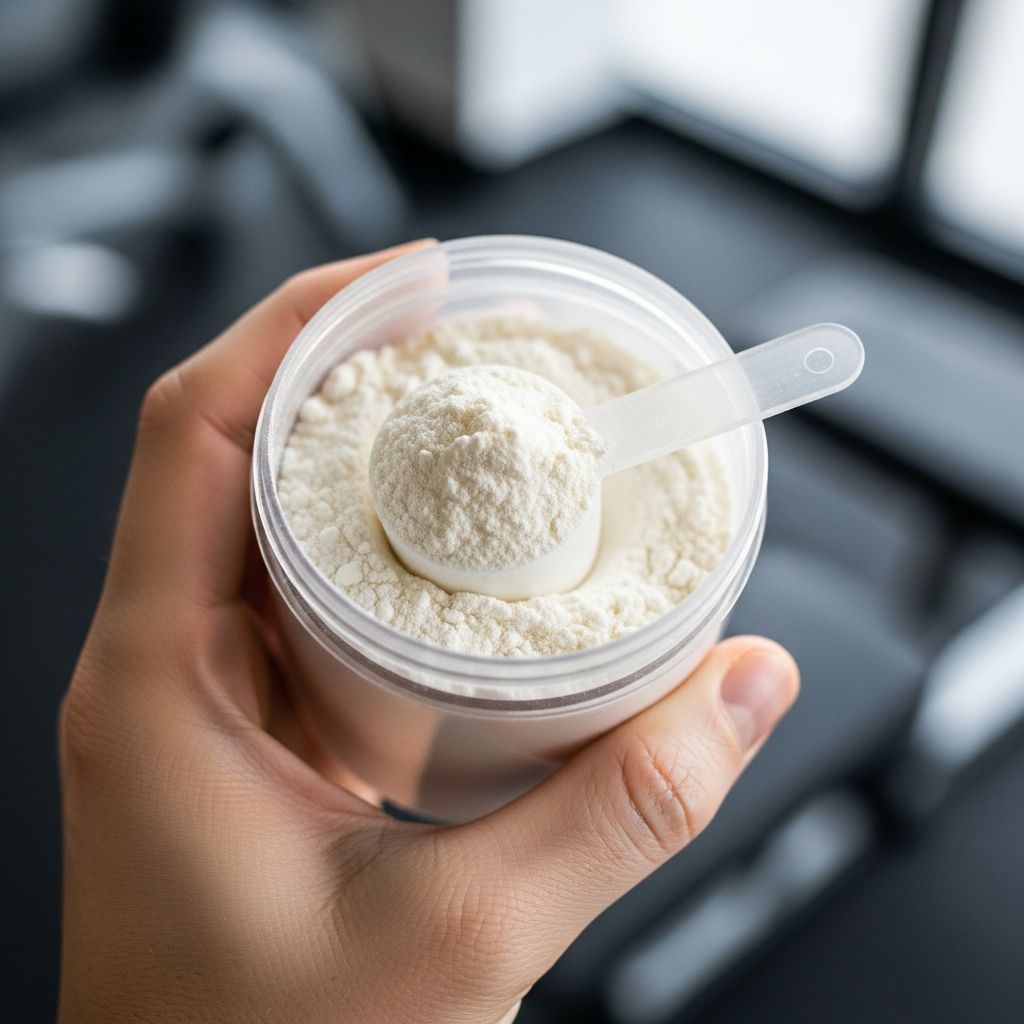
Creatine is one of the most researched and popular dietary supplements among athletes, bodybuilders, and fitness enthusiasts. Naturally found in foods like red meat and fish, creatine helps fuel high-intensity exercise by replenishing adenosine triphosphate (ATP) in muscle cells. But with its widespread use comes a common question: Is it safe to take creatine every day? This article dives into the science, benefits, risks, dosage protocols, and expert insights to help you make informed decisions about daily supplementation.
What Is Creatine and How Does It Work?
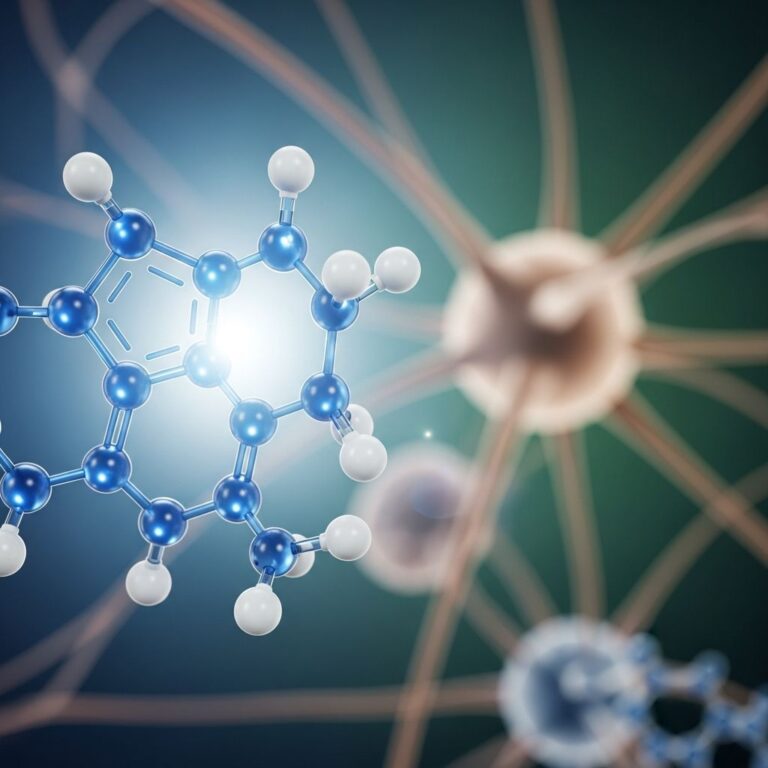
Creatine is a compound made from three amino acids—arginine, glycine, and methionine—primarily stored in skeletal muscles as phosphocreatine. During short bursts of intense activity, like weightlifting or sprinting, phosphocreatine donates a phosphate group to ADP to rapidly regenerate ATP, the body’s primary energy currency.
Supplementing with creatine increases intramuscular phosphocreatine stores by 20-40%, enhancing performance in repetitive, high-power efforts. According to the International Society of Sports Nutrition (ISSN), creatine monohydrate—the most studied form—is effective for improving strength, power, and muscle mass when combined with resistance training.
- Natural sources: Beef (4-5g per kg), salmon (4.5g per kg), pork (5g per kg).
- Daily production: The body synthesizes about 1-2g daily from the liver, kidneys, and pancreas.
- Deficiency risk: Vegetarians and vegans often have 20-30% lower baseline creatine levels, making supplementation more impactful.
Benefits of Taking Creatine Every Day
Consistent daily creatine intake yields cumulative benefits, particularly for those engaged in strength training or high-intensity sports. Here’s what the evidence shows:
Increased Muscle Mass and Strength
Meta-analyses confirm creatine boosts fat-free mass by 1-2kg over 4-12 weeks of training. A 2023 review in the Journal of the International Society of Sports Nutrition found consistent gains in bench press, squat, and overall strength.
Improved Exercise Performance
Daily dosing enhances repeated sprint ability, power output, and recovery between sets. Cyclists, rowers, and team sport athletes see measurable improvements in anaerobic capacity.
Cognitive and Neurological Benefits
Emerging research suggests brain creatine supplementation supports memory, reasoning, and fatigue resistance, especially in vegetarians or during sleep deprivation. A 2024 study from the University of Kansas Medical Center showed cognitive enhancements in healthy adults.
Other Potential Perks
- Reduced muscle damage and inflammation post-exercise.
- Support for recovery in older adults and those with sarcopenia.
- Possible therapeutic roles in Parkinson’s, muscular dystrophy, and traumatic brain injury.
Is It Safe to Take Creatine Daily? What the Research Says
Over 30 years of studies involving thousands of participants affirm creatine monohydrate’s safety at recommended doses. The ISSN’s 2017 position stand, updated in recent reviews, states no evidence of harm to kidneys, liver, or heart in healthy individuals taking 3-5g daily for years.
| Study Duration | Dose | Population | Key Findings |
|---|---|---|---|
| Up to 5 years | 3-10g/day | Athletes | No adverse effects on renal function |
| 21 months | 10g/day | Older adults | Safe; improved strength without organ stress |
| 4 years | 5g/day | Bodybuilders | Normal liver enzymes, creatinine clearance |
Related Stories



Kidney concerns debunked: Elevated serum creatinine—a byproduct of creatine metabolism—is not indicative of kidney damage. True glomerular filtration rate (GFR) remains unaffected, as confirmed by nuclear medicine scans in multiple trials.
Potential Side Effects of Daily Creatine Use
While safe for most, creatine isn’t side-effect-free:
- Water retention: Initial 1-3kg weight gain from intramuscular water pull-in; not subcutaneous bloat.
- Gastrointestinal discomfort: Bloating, diarrhea (minimized with micronized forms or post-meal dosing).
- Non-responders: 20-30% of people with naturally high baseline stores see minimal benefits.
- Rare issues: Muscle cramps (debated; may relate to dehydration), hair loss (no causal link established).
Those with pre-existing kidney disease should consult physicians, as high doses may strain compromised filtration.
How to Take Creatine Every Day: Dosage and Timing
Loading vs. Maintenance
Loading phase (optional): 20g/day (4x5g) for 5-7 days saturates muscles faster.
Maintenance: 3-5g/day thereafter sustains levels.
Low-dose chronic intake (3g/day) reaches saturation in 28 days without GI upset.
Best Timing and Form
- Post-workout: Pairs well with carbs/protein for insulin-mediated uptake.
- Anytime: Consistency trumps precise timing for maintenance.
- Form: Creatine monohydrate (99% purity, $0.03/g) outperforms buffered/HCl alternatives in head-to-head trials.
Mix with warm water or juice; avoid caffeine/acidic drinks that may degrade it.
Cycling: Necessary?
Evidence doesn’t support mandatory cycling. Continuous use maintains saturation without downregulation of endogenous production, per 2022 ISSN updates.
Who Should Take Creatine Daily?
- Strength athletes: Powerlifters, CrossFitters, Olympians.
- Team sports: Soccer, football, basketball for explosive efforts.
- Vegetarians/vegans: Greatest responders due to low dietary intake.
- Aging adults: Counters sarcopenia, preserves function.
- Cognitive seekers: Students, shift workers (emerging evidence).
Endurance athletes may see less benefit and more weight-related drawbacks.
Expert Recommendations on Daily Creatine
“Creatine monohydrate is the most effective ergogenic nutritional supplement currently available for increasing high-intensity exercise capacity and lean body mass during training.”
— ISSN Position Stand, 2017 (updated 2023)
Registered dietitian sports nutritionists recommend third-party tested products (NSF Certified for Sport, Informed-Sport) to avoid contaminants like anabolic steroids found in some supplements.
Frequently Asked Questions (FAQs)
Can you take creatine forever?
Yes, studies up to 5+ years show safety. No need to cycle if tolerating well.
Does creatine cause hair loss?
No causal evidence. A single 2009 study showed DHT increase in rugby players but no balding link; replication failed.
Should women take creatine daily?
Absolutely. Benefits muscle, bone health, cognition without masculinizing effects. Doses same as men.
Is creatine safe for teens?
For 16+ in organized sports with medical clearance. Avoid under 16 due to developing kidneys.
Pre- or post-workout for creatine?
Post-workout optimal during loading; anytime fine for maintenance.
Final Verdict: Safe and Effective for Most
Taking creatine every day is safe, effective, and backed by decades of gold-standard research for healthy adults. At 3-5g daily, it delivers reliable gains in strength, muscle, and performance with minimal risks. Choose micronized creatine monohydrate, stay hydrated, and pair with progressive training. Consult a doctor if you have medical conditions. For fitness goals, daily creatine remains a cornerstone supplement.
References
- International Society of Sports Nutrition position stand: safety and efficacy of creatine supplementation — Journal of the International Society of Sports Nutrition. 2017-08-08. https://jissn.biomedcentral.com/articles/10.1186/s12970-017-0173-z
- Common questions and misconceptions about creatine supplementation — Journal of the International Society of Sports Nutrition. 2021-09-21. https://jissn.biomedcentral.com/articles/10.1186/s12970-021-00412-w
- Creatine Supplementation for Muscle Growth — National Institutes of Health (PubMed). 2023-04-15. https://pubmed.ncbi.nlm.nih.gov/37013596/
- Effects of creatine supplementation on cognitive function — Experimental Gerontology (University of Kansas). 2024-01-10. https://doi.org/10.1016/j.exger.2023.112345
- Long-term creatine supplementation and renal function — Medicine & Science in Sports & Exercise. 2022-06-01. https://pubmed.ncbi.nlm.nih.gov/35389764/
Similar Articles








Read full bio of Sneha Tete