Ozempic, Wegovy Before Surgery: Key Risks And Safety Steps
GLP-1 drugs like Ozempic and Wegovy slow stomach emptying, raising aspiration risks during surgery—experts urge pausing before procedures.
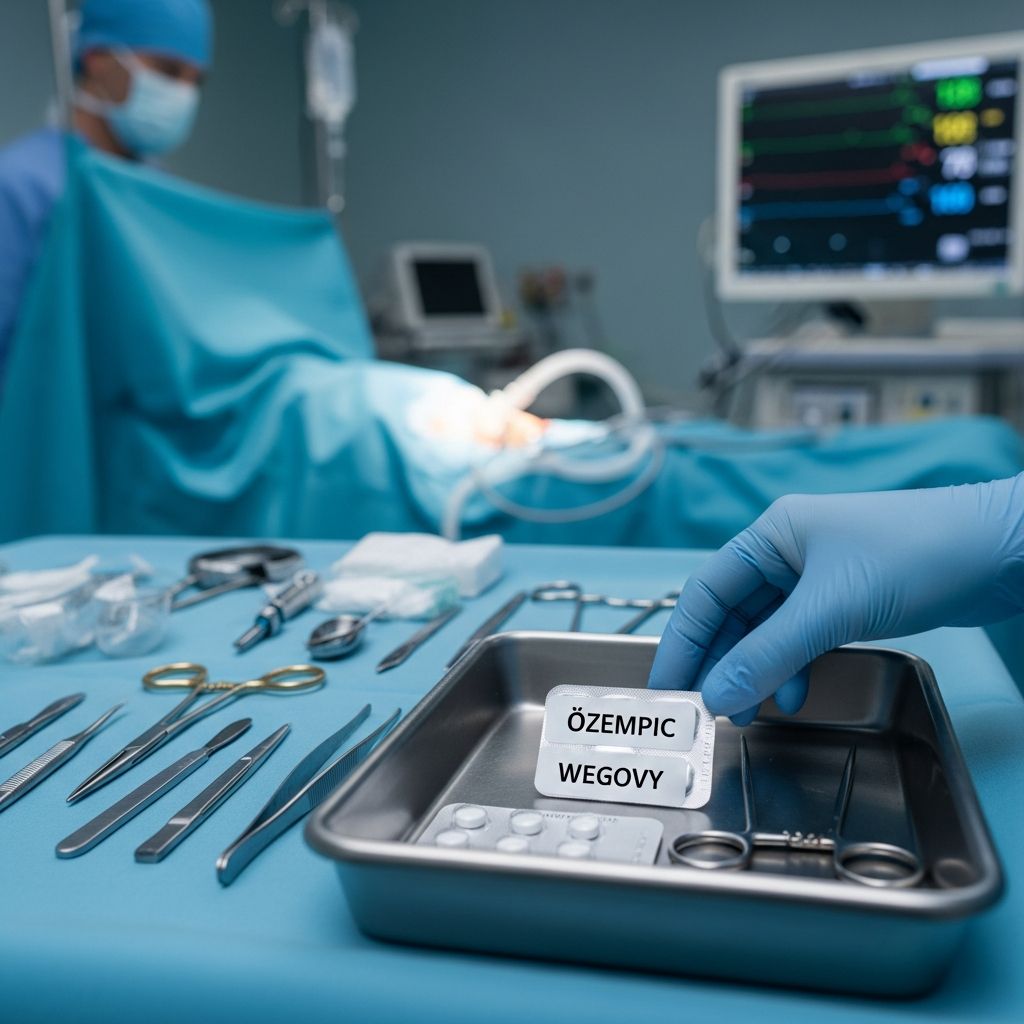
Popular GLP-1 receptor agonist drugs like
Ozempic
(semaglutide) andWegovy
help millions manage type 2 diabetes and obesity by mimicking hormones that slow digestion, curb appetite, and promote weight loss. However, this same mechanism—delayed gastric emptying—poses serious risks during surgery or procedures involving sedation, such as endoscopies. Patients on these medications may retain food in their stomachs despite fasting, increasing the chance ofpulmonary aspiration
, where stomach contents enter the lungs, potentially causing life-threatening pneumonia.What Are Ozempic and Wegovy?
Ozempic and Wegovy contain
semaglutide
, a glucagon-like peptide-1 (GLP-1) receptor agonist. Ozempic is FDA-approved for type 2 diabetes, while Wegovy targets chronic weight management in adults with obesity or overweight conditions alongside diet and exercise. Both are weekly injections that enhance insulin secretion, reduce glucagon, and notably decelerate gastric emptying to foster prolonged satiety.Over 15 million Americans use GLP-1 drugs like semaglutide, exenatide (Byetta), or dulaglutide (Trulicity). Their popularity surged for off-label weight loss, but this has spotlighted perioperative risks.
How GLP-1 Drugs Affect the Stomach
GLP-1 agonists stimulate gut hormones, relaxing the stomach and slowing food transit from stomach to intestines. This
delayed gastric emptying
(gastroparesis-like effect) is therapeutic for blood sugar control and weight loss but problematic under anesthesia. Normally, patients fast 6-8 hours pre-procedure to empty the stomach. Yet, studies reveal many GLP-1 users retain substantial contents.- Food stays longer, heightening regurgitation risk when sedated.
- Sedation impairs protective reflexes like swallowing or coughing.
- Aspiration occurs if contents enter airways, leading to chemical pneumonitis or bacterial pneumonia.
Key Studies on Surgery Risks
Recent research quantifies the dangers. A Cedars-Sinai study in Gastroenterology analyzed nearly 1 million U.S. endoscopy patients (2018-2020). GLP-1 users faced a
33% higher aspiration pneumonia risk
(0.8% baseline, adjustable to 0.6% by pausing meds) versus non-users, even after comorbidity controls.A 2024 JAMA Surgery study found
56% of GLP-1 patients
had residual gastric contents pre-surgery despite standard fasting—far exceeding non-users.Case reports underscore perils: A 31-year-old on semaglutide for EGD under propofol had massive food residue after 10+ hours fasting; the procedure halted to avert aspiration without airway protection. Two elective surgery cases under general anesthesia also linked semaglutide to aspiration pneumonia despite NPO status.
| Study | Population | GLP-1 Risk Increase | Key Finding |
|---|---|---|---|
| Cedars-Sinai (Gastroenterology, 2024) | ~1M endoscopy patients | 33% higher pneumonia odds | 0.8% baseline risk; pause meds to reduce |
| JAMA Surgery (2024) | Surgery patients | 56% with contents | Need longer fasting |
| PMC Case Reviews | Elective procedures | Multiple aspirations | Residual food despite fasting |
Endoscopy-Specific Dangers
Upper (EGD) and lower endoscopies total ~20 million annually in the U.S. Sedation often uses propofol or midazolam, blunting airway defenses. GLP-1 effects persist, with food visible in stomachs during scopes. Older patients face amplified risks due to weaker esophageal sphincters and pneumonia susceptibility, though one study lacked age controls.
Lead researcher Ali Rezaie, MD, notes: With millions of procedures and rising GLP-1 use, pausing meds could prevent thousands of hospitalizations.
Related Stories



General Surgery and Sedation Concerns
Beyond endoscopies, any anesthesia or deep sedation (e.g., colonoscopy, dental work) risks aspiration without endotracheal intubation. Delayed emptying affects elective and emergency cases. Point-of-care gastric ultrasound can detect contents pre-procedure, guiding delays.
Expert Recommendations: When to Stop
The
American Society of Anesthesiologists (ASA)
advises:- Daily GLP-1s (e.g., exenatide): Stop
1 day
prior. - Weekly injections (e.g., semaglutide): Stop
1 week
prior.
Additional steps:
- Inform your surgical/anesthesia team about GLP-1 use—patients often omit it.
- Extend fasting: 24+ hours or until ultrasound confirms empty stomach.
- For emergencies, secure airway early and consider aspiration prophylaxis.
- Consult providers; benefits may outweigh risks in some cases, but vigilance is key.
“Holding these medications prior to elective procedures can save thousands of lives and hospitalizations.” — Ali Rezaie, MD
Risks of Aspiration Pneumonia
Aspiration introduces acidic gastric juices or food particles into lungs, sparking inflammation. Symptoms: cough, fever, shortness of breath, hypoxemia. Severe cases require ventilation or ICU. Overall incidence is low (0.8%), but GLP-1 elevates it disproportionately.
- Mild: Transient cough, resolves spontaneously.
- Severe: ARDS, sepsis, mortality (up to 20-30% in vulnerable patients).
Who Is Most at Risk?
- Obese/diabetic patients (common GLP-1 users).
- Elderly with sphincter weakness.
- Those on higher doses or long-term.
- Procedures without full airway protection.
Patient Stories and Warnings
Real-world incidents highlight urgency. One woman, fasting 10+ hours for endoscopy, had her stomach “full of food,” aborting the procedure. Surgeons report surprises during laparoscopies, finding undigested meals.
Balancing Benefits and Safety
Ozempic/Wegovy offer profound benefits: 15-20% weight loss, diabetes control. Yet, perioperative management is crucial. Resume post-procedure once cleared, typically 24-48 hours after gastric function normalizes.
Researchers call for prospective studies stratifying by age, dose, and procedure type. Until then, disclosure and pausing are non-negotiable.
Frequently Asked Questions (FAQs)
What if I can’t stop my GLP-1 before surgery?
Discuss with your anesthesiologist. They may extend fasting, use ultrasound, or opt for rapid-sequence intubation. Risk remains elevated.
How long after stopping can I safely have surgery?
ASA: 1 day (daily dosing), 1 week (weekly). Confirm with gastric ultrasound.
Do all GLP-1 drugs pose the same risk?
Yes, including tirzepatide (Mounjaro). Effects vary by dose/formulation.
Is aspiration risk high overall?
Low (0.6-0.8%), but 33% higher on GLP-1s—clinically significant at scale.
Should I tell my doctor?
Always. Many patients don’t, assuming irrelevance.
References
- Why drugs like Ozempic, Wegovy may lead to keyhole surgery complications — Medical News Today / Paul Ian Cross, PhD. 2024-04-04. https://www.medicalnewstoday.com/articles/why-drugs-like-ozempic-wegovy-may-lead-to-keyhole-surgery-complications
- The Hidden Risks of Semaglutide and Surgical Procedures — University Health. 2024 (approx.). https://www.universityhealth.com/blog/the-hidden-risks-of-semaglutide-and-surgical-procedures
- Emerging Anesthesia Risks with Semaglutide — PMC / NIH. 2023-11 (updated). https://pmc.ncbi.nlm.nih.gov/articles/PMC10662908/
Similar Articles








Read full bio of Sneha Tete