Takotsubo Cardiomyopathy: Understanding Broken Heart Syndrome
Learn about broken heart syndrome, its symptoms, causes, diagnosis, and recovery options.
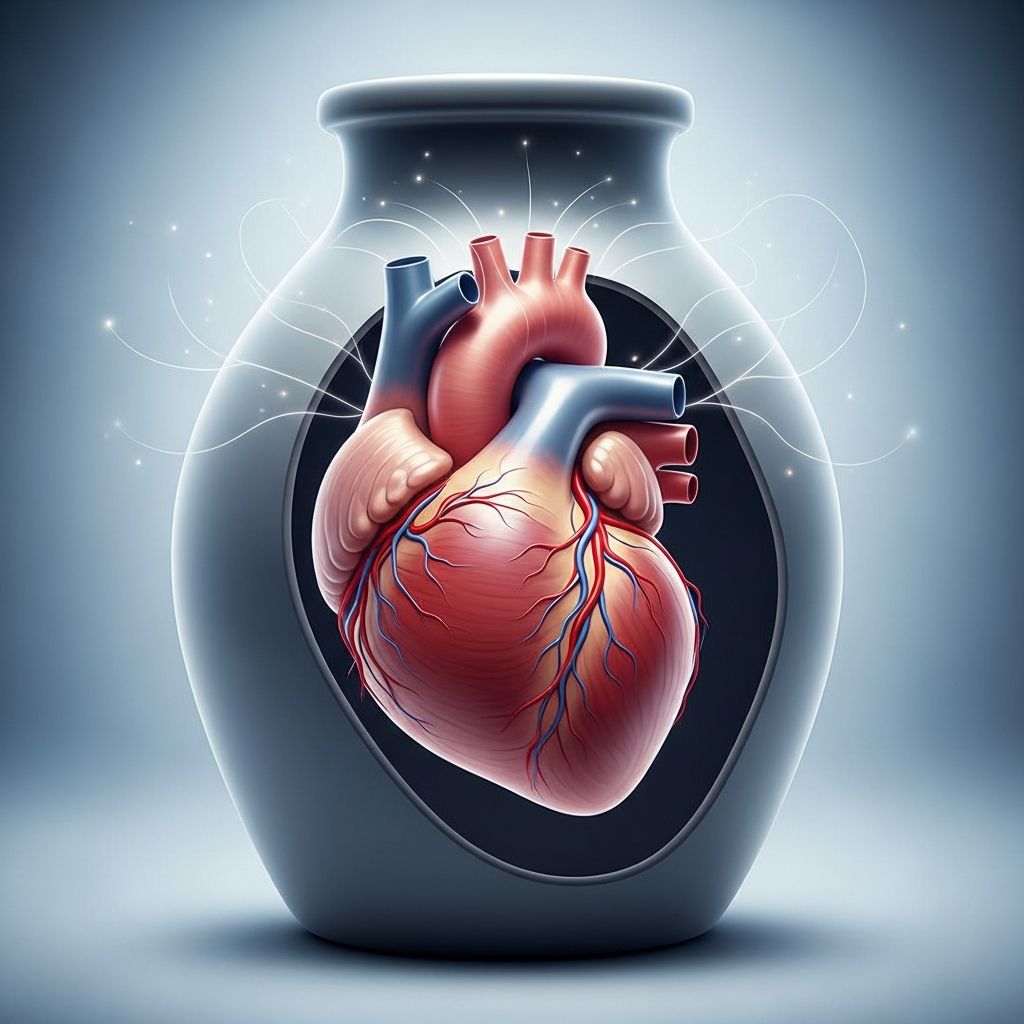
Takotsubo cardiomyopathy, commonly known as broken heart syndrome, is a temporary but serious heart condition that mimics the symptoms of a heart attack. Despite its colloquial name suggesting emotional heartbreak, this condition is triggered by intense physical or emotional stress rather than romantic disappointment. The disease causes a sudden weakening of the heart muscle, particularly affecting the left ventricle—the chamber responsible for pumping oxygenated blood throughout the body. While the condition can be alarming, most individuals recover fully within a few weeks to months with appropriate medical care.
What Is Takotsubo Cardiomyopathy?
Takotsubo cardiomyopathy is a rare heart disease characterized by temporary dysfunction and ballooning of the left ventricle. The term “takotsubo” comes from Japanese, referring to a type of octopus trap, which describes the distinctive shape the heart takes during the acute phase of the condition. During an episode, the mid and apical segments of the left ventricle become weakened and dilate, while the basal segments remain hypercontractile, creating the characteristic appearance seen on cardiac imaging.
This condition primarily affects women, particularly those over 50 years old, though it can occur in individuals of any age and gender. The actual prevalence of takotsubo cardiomyopathy remains unclear, as many cases may go undiagnosed or be initially misclassified as myocardial infarction. However, medical professionals increasingly recognize this condition as an important differential diagnosis in patients presenting with acute coronary syndrome symptoms.
Common Symptoms and Clinical Presentation
Individuals experiencing takotsubo cardiomyopathy typically present with symptoms that are virtually indistinguishable from those of a heart attack. The condition usually manifests suddenly, often within minutes to hours of a triggering event. The most common symptoms include:
The primary symptom is acute chest pain, which patients often describe as crushing or pressure-like in nature. This chest discomfort can be accompanied by difficulty breathing (dyspnea), which occurs as the weakened heart struggles to pump blood effectively and fluid accumulates in the lungs. Additional symptoms frequently reported include nausea and vomiting, profuse sweating (diaphoresis), heart palpitations, extreme fatigue, and anxiety.
In more severe cases, patients may experience syncope (temporary loss of consciousness) due to inadequate blood flow to the brain, or they may present with symptoms of acute heart failure such as orthopnea (difficulty breathing when lying flat) and pulmonary edema. Some patients are entirely asymptomatic and only discover they have takotsubo cardiomyopathy when electrocardiogram or biomarker abnormalities are detected incidentally during evaluation for another acute illness.
Triggers and Risk Factors
Takotsubo cardiomyopathy is predominantly triggered by severe physical or emotional stress. Understanding these triggers is crucial for both patients and healthcare providers. Emotional stressors can include the death of a loved one, serious family conflict, financial loss, public humiliation, or receiving distressing news. Physical stressors encompass serious illness, surgery, severe pain, strenuous exercise, or significant injuries.
Interestingly, researchers have documented cases where the triggering event was joyful rather than distressing—such as winning a lottery or receiving a surprise party—demonstrating that the stress response itself rather than the emotional valence of the event appears critical. The precise mechanism by which stress triggers the condition remains incompletely understood, though theories suggest that excessive catecholamine (stress hormone) release may stun the heart muscle temporarily.
Related Stories



Certain medical conditions have been associated with increased risk of developing takotsubo cardiomyopathy, including pheochromocytoma (a rare adrenal gland tumor that produces excess catecholamines) and other conditions causing hormonal imbalances. Additionally, some patients with takotsubo syndrome have concurrent hypertrophic cardiomyopathy, a condition characterized by abnormal thickening of the heart walls.
Diagnostic Approach and Testing
Because takotsubo cardiomyopathy presents identically to acute myocardial infarction, patients are typically evaluated as though they are experiencing a heart attack until proven otherwise. This conservative approach ensures that no genuine heart attacks are missed.
Blood Tests
The initial diagnostic evaluation includes blood tests measuring cardiac biomarkers. Troponin levels, which indicate heart muscle damage, are typically elevated in takotsubo cardiomyopathy, similar to levels seen in myocardial infarction. Cardiac enzymes and creatine kinase are also moderately elevated in most cases. Additionally, brain natriuretic peptide (BNP), a hormone released when the heart is under stress, shows significant elevation in many patients.
Electrocardiography
An electrocardiogram (ECG) measures the electrical activity of the heart and is one of the first tests performed. In takotsubo cardiomyopathy, the ECG typically shows changes that mimic ST-segment elevation myocardial infarction (STEMI), the most severe type of heart attack. However, trained cardiologists can often identify subtle differences that suggest takotsubo cardiomyopathy rather than an acute MI. The ECG may reveal ST-segment elevation (usually in the anterior leads), ST-segment depression, T-wave inversion, or prolongation of the QT interval.
Coronary Angiography
Coronary angiography is the critical test that definitively distinguishes takotsubo cardiomyopathy from myocardial infarction. In this procedure, a contrast dye is injected into the coronary arteries while X-ray images are taken. In patients with takotsubo cardiomyopathy, no significant coronary artery occlusion is observed, whereas acute MI is typically characterized by blockage of one or more coronary arteries. Left ventriculography performed during coronary angiography shows the characteristic akinesis (absence of movement) of the mid and apical left ventricular segments with hyperdynamic (overactive) basal segments.
Echocardiography
Transthoracic echocardiography (ultrasound imaging of the heart) is often the first imaging modality used during the acute phase. This test reveals the distinctive wall motion abnormalities characteristic of takotsubo cardiomyopathy. The appearance of the left ventricle with weakened mid and apical segments contrasting sharply with hypercontractile basal segments creates the classic “apical ballooning” appearance that gives the condition its name.
Cardiac Magnetic Resonance Imaging
Cardiac MRI is a specialized imaging technique that can confirm the diagnosis of takotsubo cardiomyopathy and assess the extent of ventricular dysfunction. This technique is particularly useful for identifying myocardial edema (swelling) and for excluding other conditions such as infectious myocarditis that could mimic takotsubo cardiomyopathy. In takotsubo syndrome, myocardial edema is typically transmural (affecting the full thickness of the heart wall) and resolves within approximately six months. The MRI can also identify any left ventricular thrombus (blood clot) that may have formed.
Complications Associated with Takotsubo Cardiomyopathy
Although most individuals recover fully, takotsubo cardiomyopathy can lead to serious complications in some cases. Cardiogenic shock, a life-threatening condition where the heart cannot pump sufficient blood to maintain adequate oxygen delivery to vital organs, can occur in severe cases. Arrhythmias (irregular, excessively fast, or excessively slow heart rhythms) frequently develop during the acute phase and may require medical intervention.
Another significant complication is the formation of blood clots within the weakened left ventricle due to blood pooling. These clots can break loose and travel through the bloodstream, lodging in cerebral arteries and causing stroke. Patients may also develop mitral regurgitation, where the mitral valve fails to close properly, allowing blood to flow backward into the left atrium.
Despite these potential complications, it is important to note that more than 90 percent of individuals affected by takotsubo cardiomyopathy survive the acute episode.
Treatment and Management Strategies
There is no single specific treatment for takotsubo cardiomyopathy because the condition is temporary and self-limiting. Instead, treatment focuses on managing symptoms and preventing complications. Many patients require hospitalization during the acute phase for continuous cardiac monitoring and supportive care.
Medications commonly prescribed include beta-blockers and ACE inhibitors to reduce the workload on the heart and support recovery. Patients with arrhythmias may require antiarrhythmic medications. If blood clots are detected, anticoagulant therapy may be initiated. Pain management is addressed with appropriate analgesics, and medications to treat heart failure symptoms may be necessary in more severe cases.
Bed rest and activity restriction are typically recommended during the acute phase to allow the heart to recover. As the patient improves, gradual resumption of normal activities is encouraged under medical supervision. Psychological support and stress reduction techniques may be beneficial, particularly given the stress-related nature of the condition.
Recovery and Long-Term Prognosis
The prognosis for takotsubo cardiomyopathy is generally favorable. Most patients experience significant improvement in cardiac function within a few days to weeks and achieve complete or near-complete recovery within one month. The left ventricular dysfunction and ballooning typically reverse as the heart muscle recovers from the stress-induced injury.
Follow-up imaging, typically performed several weeks after the acute event, usually demonstrates full or near-full restoration of normal left ventricular function. Recurrence of takotsubo cardiomyopathy is relatively uncommon, occurring in approximately 5 to 10 percent of patients over a several-year follow-up period.
Distinguishing Takotsubo Cardiomyopathy from Myocardial Infarction
| Feature | Takotsubo Cardiomyopathy | Myocardial Infarction |
|---|---|---|
| Coronary Arteries | No significant occlusion | Significant blockage present |
| Trigger | Stress (emotional or physical) | Plaque rupture with clot formation |
| Wall Motion Abnormality | Extends beyond single arterial territory | Limited to single arterial territory |
| Recovery | Full recovery in weeks to months | Permanent damage to heart tissue |
| Recurrence Rate | 5-10% over several years | Higher risk with underlying disease |
Frequently Asked Questions
Q: Who is most at risk for developing takotsubo cardiomyopathy?
A: Takotsubo cardiomyopathy most commonly affects postmenopausal women over 50 years old, though it can occur in younger individuals and men. Those experiencing severe physical or emotional stress are at highest risk.
Q: Can takotsubo cardiomyopathy be fatal?
A: While serious, takotsubo cardiomyopathy is not typically fatal. More than 90 percent of affected individuals survive the acute episode. However, severe complications such as cardiogenic shock or stroke can occur and require prompt treatment.
Q: How long does recovery from takotsubo cardiomyopathy take?
A: Most patients experience significant improvement within days to weeks, with complete recovery typically occurring within one month. However, full restoration of cardiac function may take several weeks to months.
Q: Is there a specific treatment for takotsubo cardiomyopathy?
A: There is no specific curative treatment, as the condition is self-limiting and temporary. Treatment focuses on symptom management, monitoring for complications, and supportive care while the heart heals naturally.
Q: Can takotsubo cardiomyopathy recur?
A: Recurrence is relatively uncommon, occurring in approximately 5 to 10 percent of patients over a several-year period. Effective stress management may help reduce recurrence risk.
Q: What should someone do if they suspect they have broken heart syndrome?
A: Seek immediate emergency medical care if experiencing chest pain, difficulty breathing, or other symptoms associated with takotsubo cardiomyopathy. These symptoms require urgent evaluation to rule out myocardial infarction and ensure proper diagnosis and treatment.
References
- Takotsubo Cardiomyopathy – Symptoms, Causes, Treatment — National Organization for Rare Disorders (NORD). 2024. https://rarediseases.org/rare-diseases/takotsubo-cardiomyopathy/
- Takotsubo Syndrome: A Review of Presentation, Diagnosis and Treatment — National Center for Biotechnology Information (NCBI). 2022. https://pmc.ncbi.nlm.nih.gov/articles/PMC8733363/
- Diagnosing Takotsubo Syndrome — NYU Langone Health. 2024. https://nyulangone.org/conditions/takotsubo-syndrome/diagnosis
- Broken Heart Syndrome: Symptoms & Causes — Cleveland Clinic. 2024. https://my.clevelandclinic.org/health/diseases/17857-broken-heart-syndrome
- Broken Heart Syndrome – Diagnosis and Treatment — Mayo Clinic. 2024. https://www.mayoclinic.org/diseases-conditions/broken-heart-syndrome/diagnosis-treatment/drc-20354623
Similar Articles








Read full bio of Sneha Tete